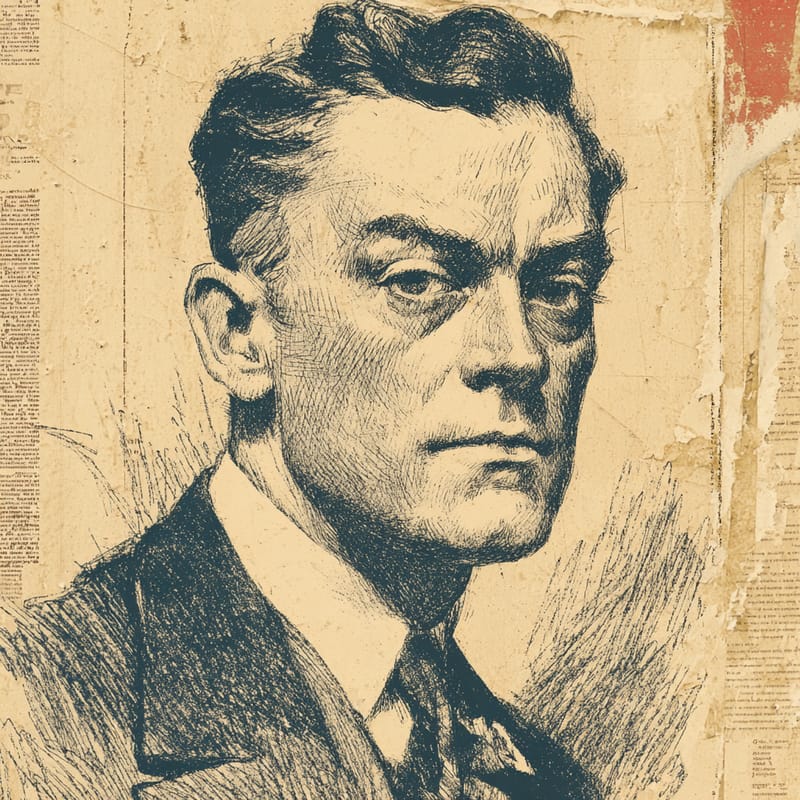
Richard M. Weaver
Ideas have consequences
The decline of the West, diagnosed.
Reactionary Paleo-ConservativeOne of 729 ideologies · enter the Paleo-Conservative hall →- Role
- Rhetorician
- Era
- 1910–1963
- Region
- United States
- Social band
- Reactionary
- Placement
- +66 · +44 · −72
§ Where Richard M. Weaver stands
3 axesIn Ideas Have Consequences Weaver called private property the last metaphysical right, the one sanctuary of individual independence left to modern man. But he defended small, distributed property such as the family farm and the independent business, and condemned the abstract property of large corporations and finance capitalism as no less destructive of personal responsibility than state ownership.
Weaver defended distinction and hierarchy, the title of a chapter in Ideas Have Consequences, against the levelling of mass society, arguing that a healthy community needs ordered ranks and functions. He distrusted centralised power as much as mass democracy, and his admiration for the Old South's localism and chivalric code placed him in the Southern Agrarian tradition of decentralised but ordered authority.
Weaver mourned the loss of transcendent truth and of piety towards nature, neighbours and the past. Ideas Have Consequences attacked what he called the Great Stereopticon, the press, cinema and radio that feed mass society a manufactured picture of the world, and it condemned jazz, egalitarian manners and the spoiled-child psychology of modern consumers.
How close are you to Richard M. Weaver?
Three statements, one per axis. Answer them and we’ll drop you on the compass next to them.
§ The story
HistoricalRichard Malcolm Weaver Jr. (1910–1963) was an American rhetorician, philosopher and literary scholar. Born in Asheville, North Carolina, and raised partly in Kentucky, he joined the Socialist Party as a student at the University of Kentucky, then came under the influence of the Southern Agrarians while taking a master's degree at Vanderbilt under the poet John Crowe Ransom. After a doctorate at Louisiana State University on the culture of the defeated South, he taught English at the University of Chicago from 1944 until his death.
Weaver's Ideas Have Consequences (1948), a title chosen by his publisher, traced the decline of the West to the fourteenth-century triumph of nominalism, when William of Ockham's denial of universal truths set modern man adrift. Widely reviewed and debated, it became a founding text of post-war traditionalist conservatism. His later books, The Ethics of Rhetoric (1953) and the posthumous Visions of Order (1964) and The Southern Tradition at Bay (1968), established him as a significant theorist of rhetoric and a defender of the Southern agrarian inheritance.
Notable for
- 01'Ideas Have Consequences'
- 02Defended property as metaphysical right
- 03Southern traditionalist
Key works & moments
- Early 1930sJoins the Socialist Party while a student at the University of Kentucky.
- 1934Completes a master's degree at Vanderbilt under the Agrarian poet John Crowe Ransom.
- 1944Begins teaching English at the University of Chicago, where he remains until his death.
- 1948Publishes Ideas Have Consequences, a founding text of post-war traditionalist conservatism.
- 1953Publishes The Ethics of Rhetoric.
- 1964Visions of Order is published posthumously, a year after his death in Chicago.
In their own words
“This is another book about the dissolution of the West.”
§ Minds closest to Richard M. Weaver
All minds →

§ Also in the Paleo-Conservative hall
Enter the hall →§ Common questions
4 answersWhat was Richard M. Weaver's political ideology?
Richard M. Weaver was a Southern traditionalist conservative: on the 99ideologies three-axis compass, a Reactionary Paleo-Conservative. Economically he sat on the right (+66), defending private property as the last metaphysical right while condemning large-scale finance capitalism. On governance he leaned towards order and hierarchy (+44), defending distinction and rank against the levelling of mass democracy. Socially he was deeply traditional (−72), tracing modern disorder to the loss of belief in transcendent truth and calling for renewed piety.
Was Richard Weaver left-wing or right-wing?
Right-wing, though he began on the left. As a student in the early 1930s Weaver joined the Socialist Party, but by the 1940s he had become one of the most uncompromising critics of modernity on the American right. His defence of hierarchy, property, religion and the Southern tradition places him firmly among traditionalist conservatives, while his hostility to big business, technology and consumerism sets him apart from free-market conservatives.
What is the argument of Ideas Have Consequences?
That the crisis of the modern West stems from a wrong philosophical turn. Weaver argued that when William of Ockham and the nominalists of the fourteenth century denied the reality of universals, they removed any transcendent standard of truth and made man the measure of all things. From that decision he traced the loss of hierarchy, the fragmentation of knowledge, egotism in work and art, the manipulations of mass media and the spoiled-child psychology of consumers. His remedies were private property, the restoration of language and renewed piety.
Which minds are closest to Richard M. Weaver?
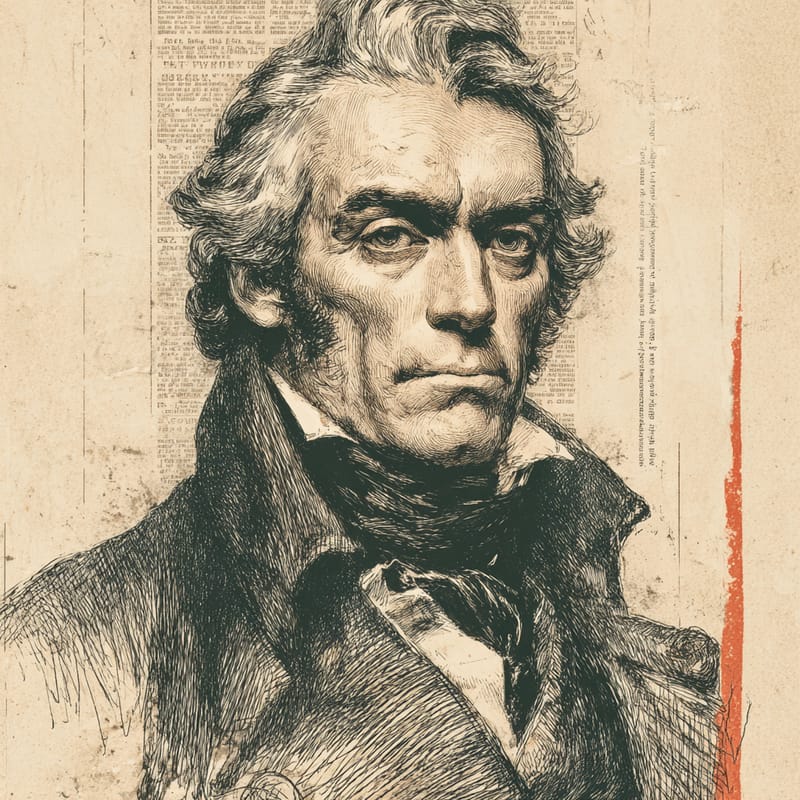
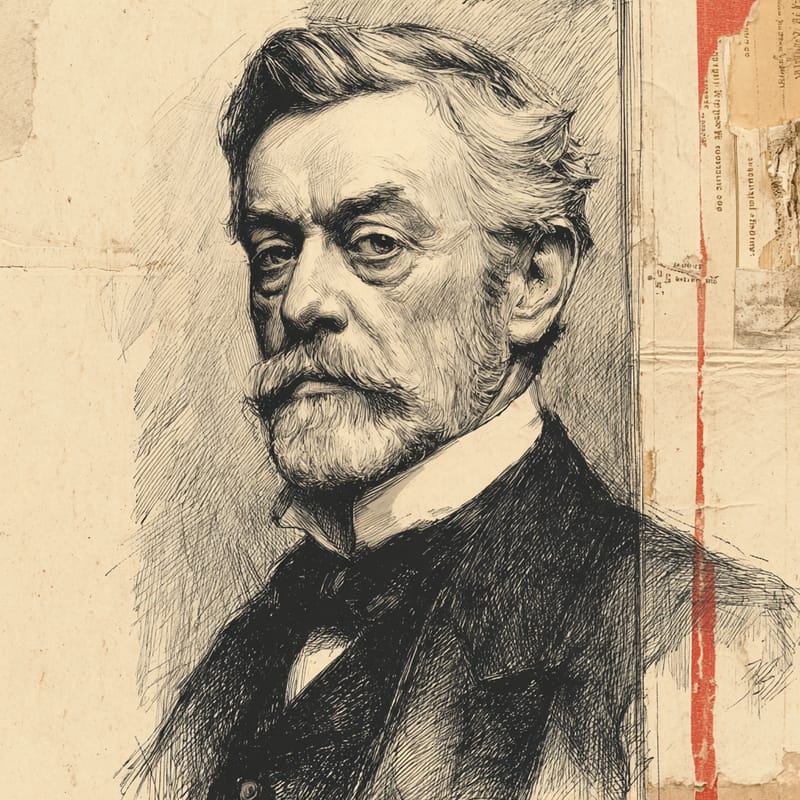
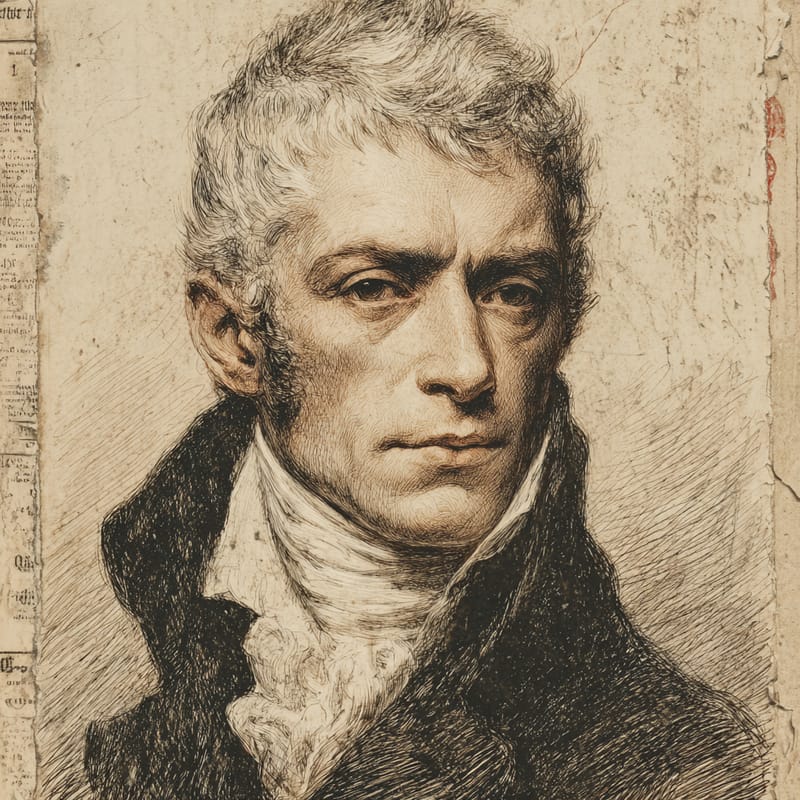
On the 99ideologies three-axis compass, the minds closest to Richard M. Weaver are Russell Kirk (99% alike), Patrick Buchanan (98% alike) and Samuel T. Francis (97% alike). The furthest is Emma Goldman (0% alike).