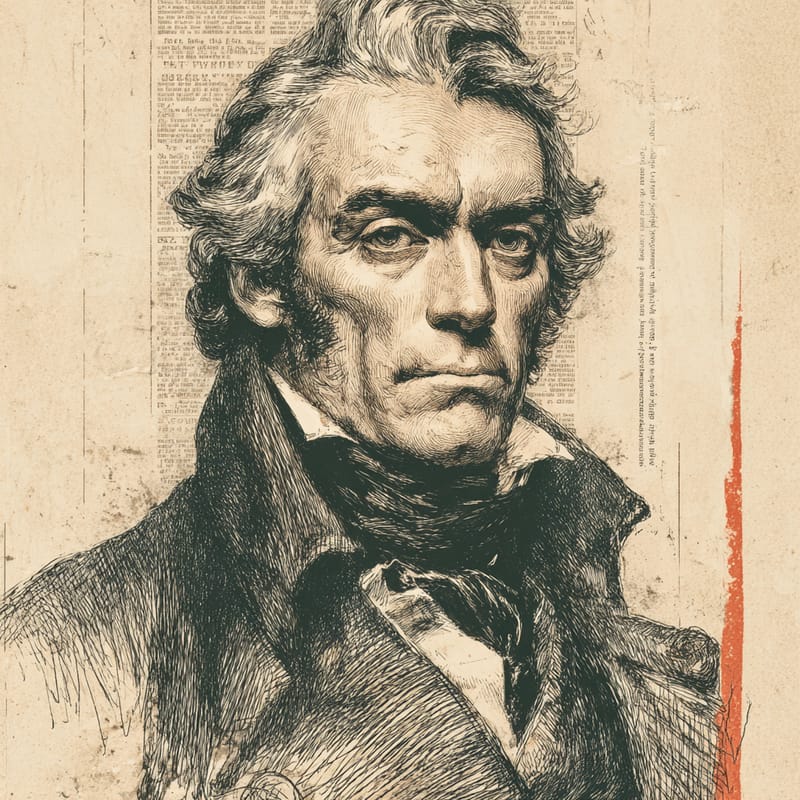
John Randolph of Roanoke
I am an aristocrat
States, soil, and suspicion of power.
Reactionary Paleo-ConservativeOne of 729 ideologies · enter the Paleo-Conservative hall →- Role
- Congressman
- Era
- 1773–1833
- Region
- United States
- Social band
- Reactionary
- Placement
- +70 · +46 · −66
§ Where John Randolph of Roanoke stands
3 axesRandolph defended an agrarian economy of landed property and free trade against federal schemes that, he argued, enriched speculators and manufacturers at farmers' expense. He fought the chartering of the Second Bank of the United States in 1816, attacked the protective tariffs of 1816 and 1824 and federally funded roads and canals, and as Ways and Means chairman pressed for economy and the repayment of debt.
Randolph read the Constitution strictly and distrusted every consolidation of federal power, warning in 1824 that a Congress able to build roads could one day claim the power to emancipate slaves. His idea of authority was hierarchical rather than libertarian: at Virginia's constitutional convention of 1829–30 he defended the property qualification for voting and the political dominance of the slaveholding east.
Randolph was the archetypal Old Republican traditionalist. He idealised Virginia's landed gentry, the English common law and inherited custom, and distrusted innovation for its own sake. He defended the slaveholding social order in politics even while condemning slavery in principle, and in the Missouri crisis of 1820 he was among the most uncompromising defenders of Southern rights.
How close are you to John Randolph of Roanoke?
Three statements, one per axis. Answer them and we’ll drop you on the compass next to them.
§ The story
HistoricalJohn Randolph of Roanoke (1773–1833) was a Virginia planter and orator who sat in the US House of Representatives for most of the years from 1799 to 1833, served in the Senate from 1825 to 1827 and was briefly minister to Russia in 1830. Born into one of Virginia's leading colonial families, he entered Congress as a Jeffersonian Republican and, as chairman of the Ways and Means Committee from 1801, led the administration's forces in the House, managing the 1805 impeachment trial of Justice Samuel Chase.
Randolph broke with Thomas Jefferson in 1806 and led the Tertium Quids, Old Republicans who accused the party of abandoning its principles of strict construction and frugal government. For the rest of his career he opposed the War of 1812, the Second Bank of the United States, protective tariffs and federal internal improvements, and he coined the term doughface for northerners who sided with the South in the 1820 Missouri crisis. A slaveholder who called slavery an evil, he freed his slaves by will. His defence of states' rights made him a hero to Southern conservatives and later to Russell Kirk.
Notable for
- 01'Old Republican' leader
- 02States'-rights champion
- 03Famed congressional orator
Key works & moments
- 1799Elected to Congress from Virginia as a Jeffersonian Republican.
- 1805Manages the unsuccessful impeachment trial of Supreme Court Justice Samuel Chase.
- 1806Breaks with President Jefferson and leads the Tertium Quids, the Old Republican faction.
- 1812Opposes the declaration of war on Britain and loses his House seat in 1813.
- 1820Opposes the Missouri Compromise and mocks its northern supporters as doughfaces.
- 1833Dies in Philadelphia; his will frees his slaves, who are later resettled in Ohio.
§ Minds closest to John Randolph of Roanoke
All minds →

§ Also in the Paleo-Conservative hall
Enter the hall →§ Common questions
4 answersWhat was John Randolph of Roanoke's political ideology?
John Randolph of Roanoke was an Old Republican agrarian conservative: on the 99ideologies three-axis compass, a Reactionary Paleo-Conservative. Economically he sat firmly on the market right (+70), defending landed property and free trade against banks, tariffs and federal spending. On governance he leaned towards hierarchical authority (+46), fiercely hostile to federal power but a defender of rule by Virginia's propertied gentry. Socially he was strongly reactionary (−66), devoted to inherited custom and to the slaveholding order of his state.
Was John Randolph of Roanoke left-wing or right-wing?
Right-wing by modern standards, though the labels postdate him. Randolph began as a Jeffersonian Republican, the party of agrarian democracy against Federalist banks and centralisation, which is sometimes read as the left of its day. But his politics were deeply conservative: he defended inherited hierarchy, property-based voting and the slaveholding South, opposed innovation, and became a hero to Southern conservatives and to twentieth-century traditionalists such as Russell Kirk, whose first book was a study of Randolph.
Why did John Randolph break with Thomas Jefferson?
Because he believed Jefferson's administration had betrayed the principles of 1798: strict construction, states' rights and frugal government. Randolph was enraged by the proposed compromise compensating investors in the fraudulent Yazoo land sales, and in 1806 he opposed Jefferson's secret request for two million dollars to help acquire Florida. He then led the Tertium Quids, a dissident faction of Old Republicans, and backed James Monroe against James Madison for the presidency in 1808.
Which minds are closest to John Randolph of Roanoke?
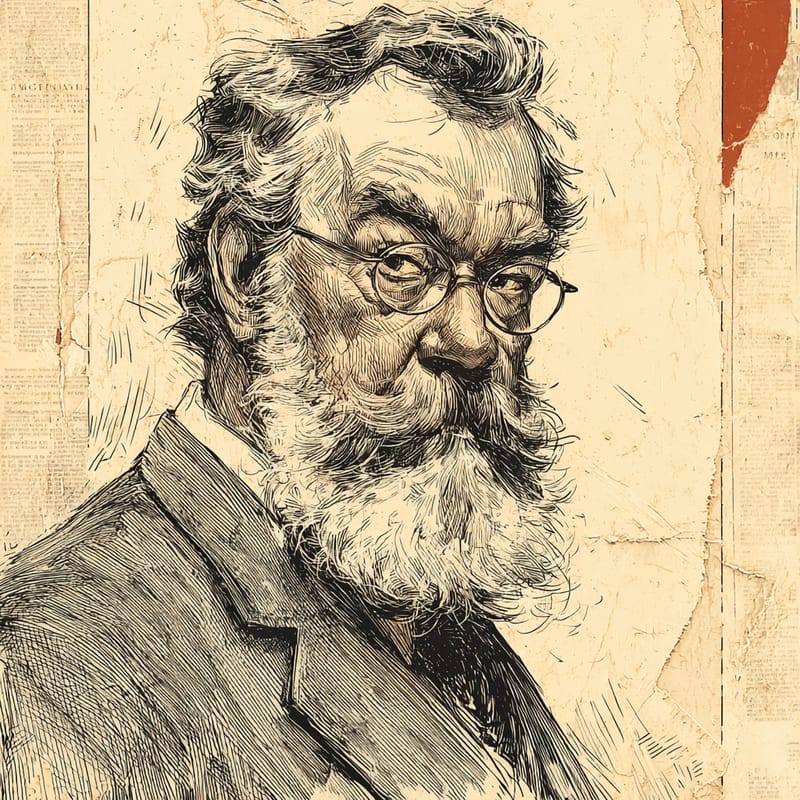
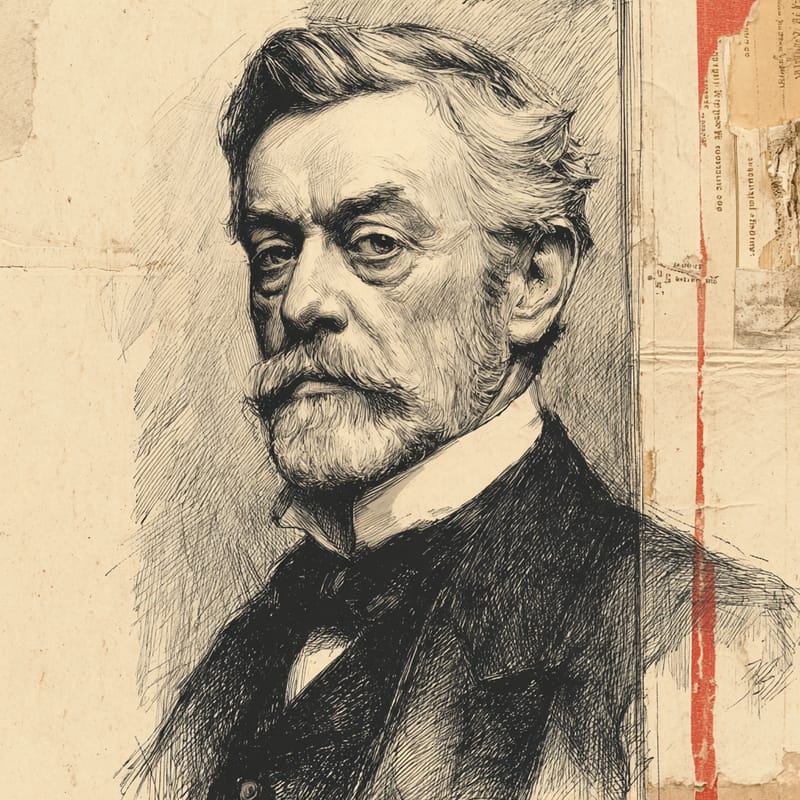
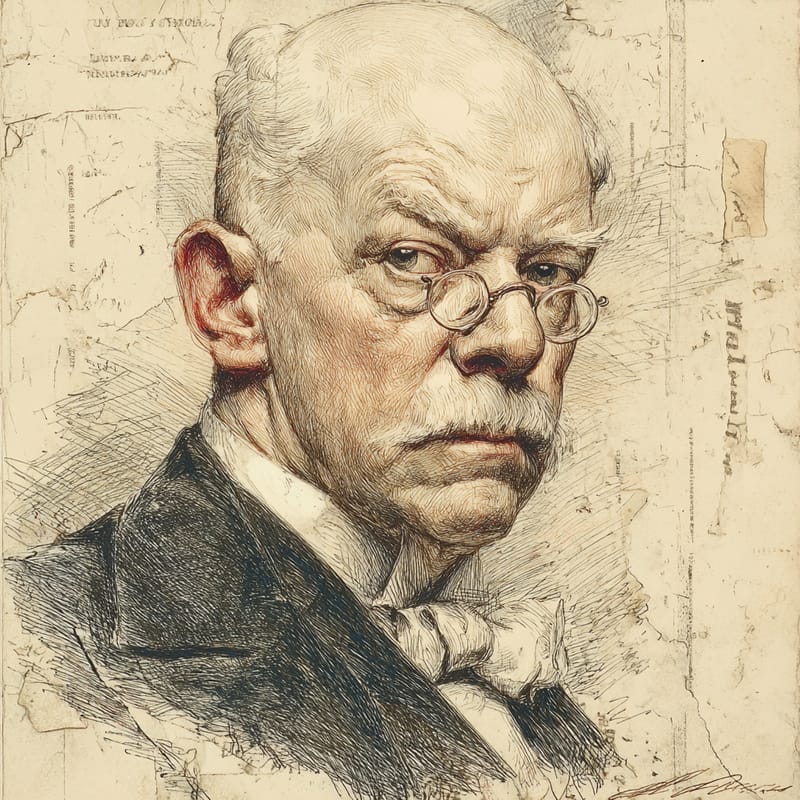
On the 99ideologies three-axis compass, the minds closest to John Randolph of Roanoke are Patrick Buchanan (98% alike), Russell Kirk (97% alike) and Richard M. Weaver (97% alike). The furthest is Emma Goldman (0% alike).