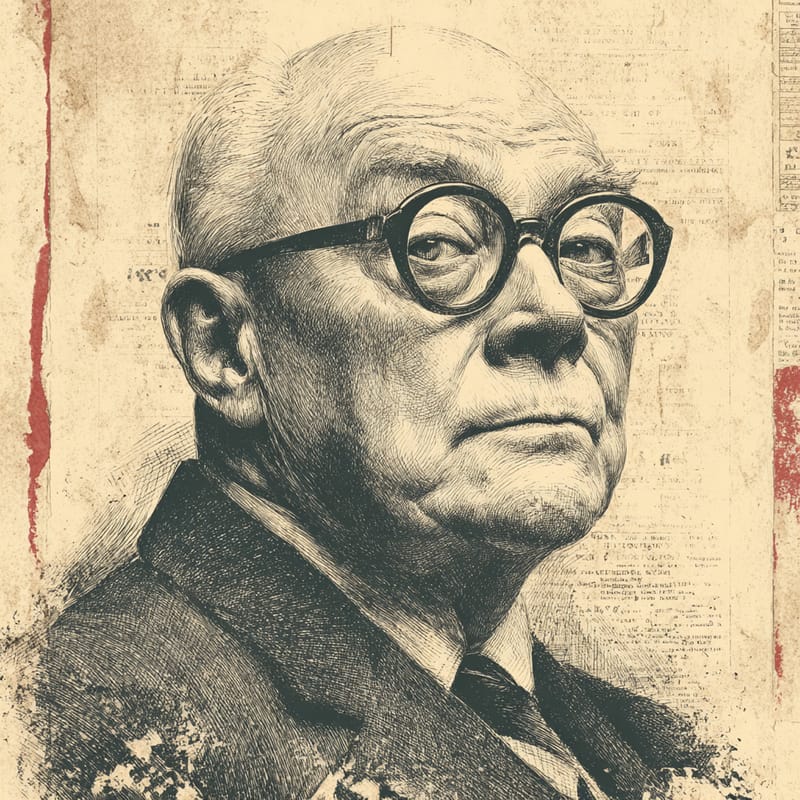
Pietro Nenni
Italy's socialist conscience
Resistance, republic, reform.
Reformist SocialistOne of 729 ideologies · enter the Socialist hall →- Role
- Socialist leader
- Era
- 1891–1980
- Region
- Italy
- Social band
- Reformist
- Placement
- −70 · +24 · +45
§ Where Pietro Nenni stands
3 axesNenni sought public ownership and planning within a democratic republic. The nationalisation of electricity in 1962, which created ENEL, was a Socialist condition for backing the centre-left, and his party pushed national economic programming, embodied in the 1966–70 national economic plan prepared by Socialist budget ministers.
Nenni was an anti-fascist who worked through parliament, but for two decades his socialism leaned toward the Communists: the 1934 unity-of-action pact and the 1948 Popular Democratic Front tied the Socialists to Palmiro Togliatti's party. Only after 1956 did he steer them toward government with the Christian Democrats, accepting the constitutional state as the frame for reform.
Nenni was a progressive republican and internationalist. He campaigned for the republic in the 1946 referendum that ended the monarchy, and the centre-left era he opened produced social reforms such as the 1970 law legalising divorce, sponsored by the Socialist deputy Loris Fortuna and upheld by voters in a 1974 referendum.
How close are you to Pietro Nenni?
Three statements, one per axis. Answer them and we’ll drop you on the compass next to them.
§ The story
HistoricalPietro Nenni (1891–1980) was the dominant figure of Italian socialism for half a century. Born in Faenza and raised partly in an orphanage, he began as a republican agitator, shared a prison cell with Benito Mussolini in 1911 after protests against the war in Libya, and joined the Italian Socialist Party in 1921, soon editing its newspaper Avanti!. Driven into exile in France in 1926, he led the party abroad, went to Spain to support the Republic in its civil war and was later confined by the Fascists on the island of Ponza.
After the war Nenni was deputy prime minister and, in 1946–47, foreign minister, and he campaigned hard for the republic in the 1946 referendum. His long alliance with the Communists split the party in 1947 and ended in defeat in the 1948 election, but after the Soviet crushing of Hungary in 1956 he broke with them and in 1963 led the Socialists into Aldo Moro's first centre-left government as deputy prime minister. His daughter Vittoria died in Auschwitz in 1943. He became a life senator in 1970.
Notable for
- 01Led the Italian Socialist Party
- 02Anti-fascist resistance
- 03Architect of the centre-left
Key works & moments
- 1911Shares a prison cell with Benito Mussolini after protests against Italy's war in Libya.
- 1926Flees Fascist Italy for exile in France.
- 1934Signs a unity-of-action pact between Socialists and Communists in exile.
- 1946Campaigns for the republic in the referendum that abolishes the monarchy; becomes foreign minister.
- 1956Breaks with the Communists after the Soviet invasion of Hungary.
- 1963Enters Aldo Moro's centre-left government as deputy prime minister.
§ Minds closest to Pietro Nenni
All minds →
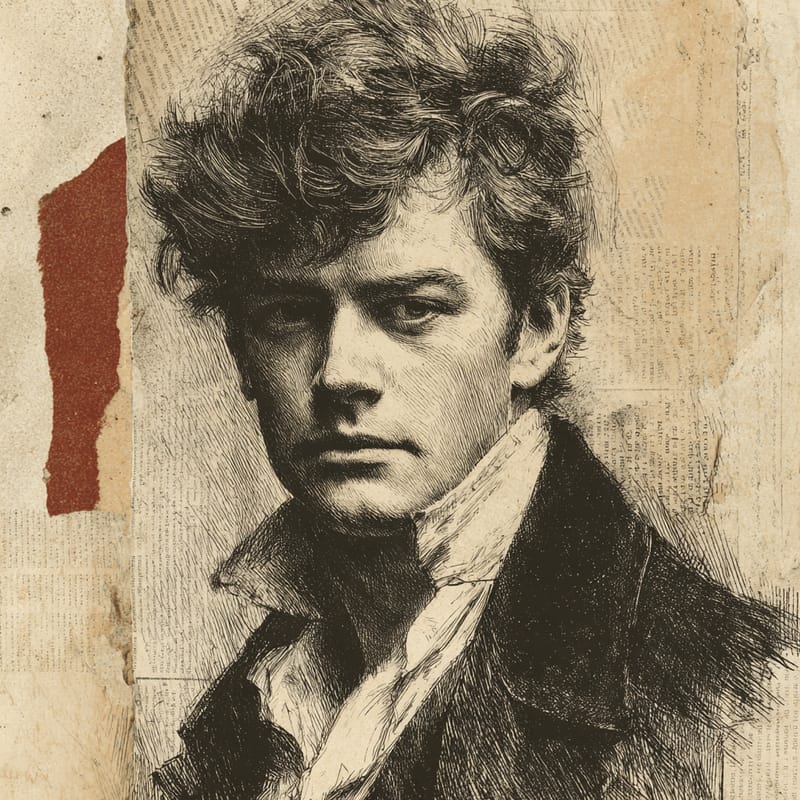
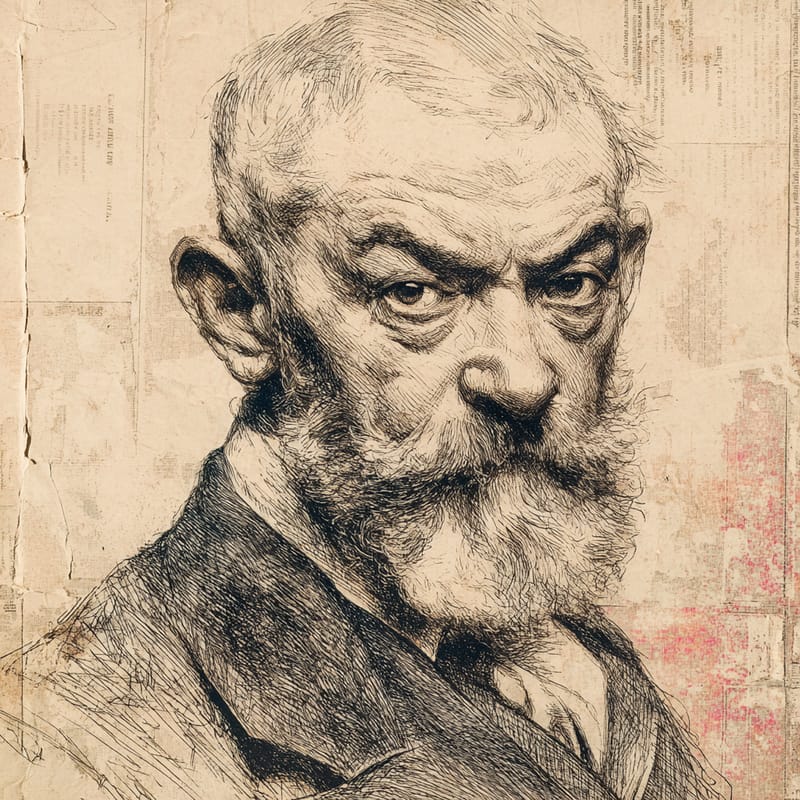
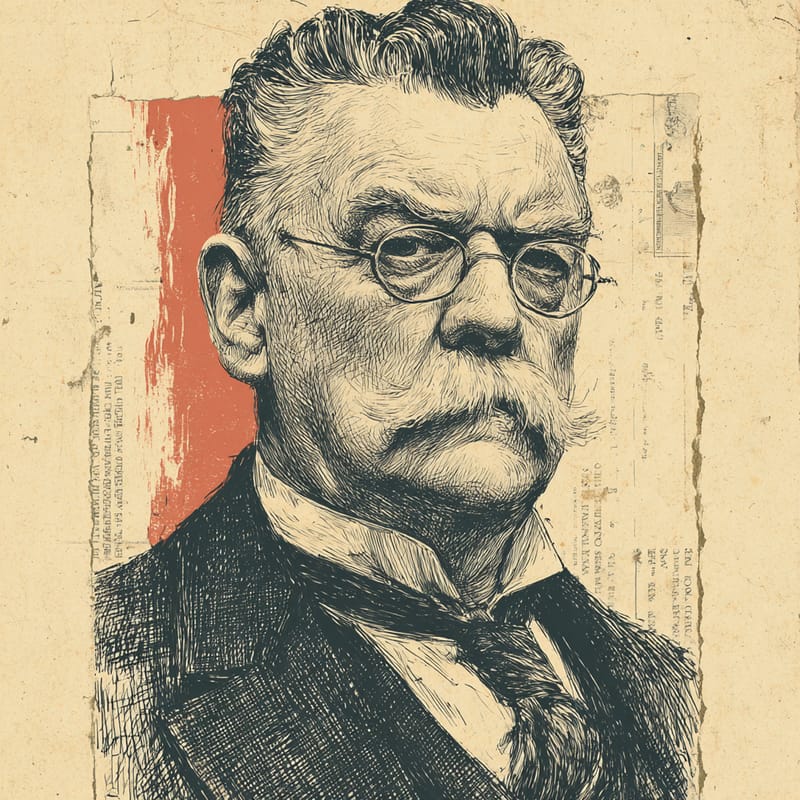

§ Also in the Socialist hall
Enter the hall →§ Common questions
4 answersWhat was Pietro Nenni's political ideology?
Pietro Nenni was a democratic socialist and anti-fascist republican: on the 99ideologies three-axis compass, a Reformist Socialist. Economically he sat well to the left (−70), backing public ownership, nationalised electricity and national economic planning. On governance he leaned mildly toward the state (+24), working through parliament while long allied with the Communists. Socially he was progressive (+45), a republican and internationalist whose centre-left era brought reforms such as legal divorce.
Was Pietro Nenni left-wing or right-wing?
Left-wing. Nenni led the Italian Socialist Party for most of the period from the 1930s to the 1960s, fought Fascism from exile and allied with the Communists into the 1950s. From 1963 he took the Socialists into coalition with the Christian Democrats, which critics on the left saw as a compromise, but his aim remained a socialist transformation of Italy by democratic means.
Was Pietro Nenni a communist?
No. Nenni led the Italian Socialist Party, not the Communist Party, though for two decades he was its closest ally. He signed a unity-of-action pact with the Communists in exile in 1934 and ran with them in the Popular Democratic Front in 1948, a strategy that drove the party's anti-communist wing under Giuseppe Saragat to split away in 1947. After the Soviet crushing of the Hungarian uprising in 1956 he broke with the Communists, and in 1963 he took his party into government with the Christian Democrats instead.
Which minds are closest to Pietro Nenni?
On the 99ideologies three-axis compass, the minds closest to Pietro Nenni are Aneurin Bevan (98% alike), Léon Jouhaux (97% alike) and Harold Laski (96% alike). The furthest is Hans-Hermann Hoppe (10% alike).