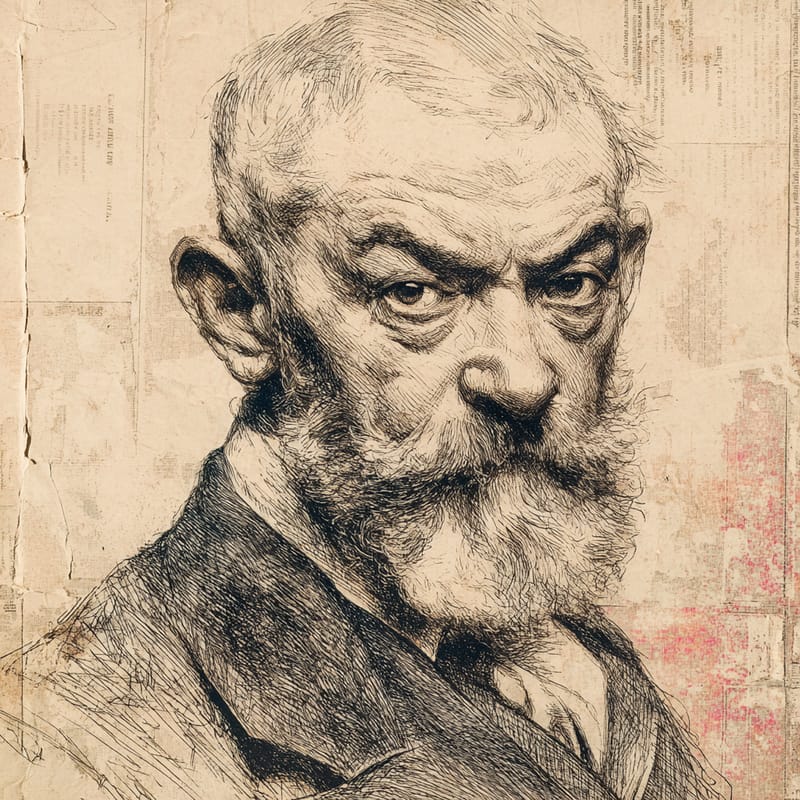
August Bebel
Built the workers' party
Mass socialism, on the ballot.
Reformist SocialistOne of 729 ideologies · enter the Socialist hall →- Role
- Party leader
- Era
- 1840–1913
- Region
- Germany
- Social band
- Reformist
- Placement
- −78 · +26 · +50
§ Where August Bebel stands
3 axesBebel was a Marxist who expected capitalism to collapse into what he called the great Kladderadatsch and wanted the means of production transferred to social ownership, as the SPD's 1891 Erfurt Programme demanded. In practice his party pursued immediate reforms such as the eight-hour day and progressive taxation, which places him with socialism's reformist wing rather than its insurrectionary one.
Bebel turned the SPD into a disciplined mass machine with its own press, unions, clubs and schools, a model for socialist parties everywhere. He insisted on its revolutionary aims, carrying the 1903 Dresden congress's condemnation of revisionism, but his methods were legal and parliamentary, and the party kept contesting Reichstag elections even while banned under the Anti-Socialist Laws.
Bebel was a progressive well ahead of his era. Woman and Socialism (1879) argued that women's subordination was rooted in property and would end with socialism, in 1898 he spoke in the Reichstag for repealing Paragraph 175's ban on sex between men, and he condemned German colonial violence in South West Africa.
How close are you to August Bebel?
Three statements, one per axis. Answer them and we’ll drop you on the compass next to them.
§ The story
HistoricalFerdinand August Bebel (1840–1913) was the co-founder and long-time leader of German Social Democracy. Born in Deutz, near Cologne, he trained as a wood turner and settled in Leipzig, where he was drawn into the workers' education movement and met Wilhelm Liebknecht. Elected to the North German Reichstag in 1867, he co-founded the Social Democratic Workers' Party at Eisenach in 1869 and sat in the Reichstag for most of the following four decades, becoming the party's chairman and its most famous parliamentary voice.
Jailed after an 1872 treason trial that followed his opposition to the Franco-Prussian War, and leading the party through Bismarck's Anti-Socialist Laws of 1878–1890, Bebel made the SPD the largest socialist party in the world; in 1912, the year before his death, it became the largest party in the Reichstag. A Marxist who defended orthodoxy against Eduard Bernstein's revisionism, he nonetheless built a legal, parliamentary mass party. His Woman and Socialism (1879) became one of the most widely read socialist books of its age.
Notable for
- 01Co-founded the SPD
- 02'Woman and Socialism'
- 03Mass-party socialism
Key works & moments
- 1869Co-founds the Social Democratic Workers' Party at Eisenach with Wilhelm Liebknecht.
- 1872Sentenced to two years' fortress imprisonment for treason after opposing the Franco-Prussian War.
- 1875Helps merge rival socialist parties at Gotha into a single workers' party.
- 1879Publishes Woman and Socialism, which runs to dozens of editions.
- 1898Speaks in the Reichstag for repealing Paragraph 175's ban on sex between men.
- 1912Leads the SPD to become the largest party in the Reichstag.
§ Minds closest to August Bebel
All minds →



§ Also in the Socialist hall
Enter the hall →§ Common questions
4 answersWhat was August Bebel's political ideology?
August Bebel was a Marxist social democrat who built socialism into a mass parliamentary party: on the 99ideologies three-axis compass, a Reformist Socialist. Economically he sat well to the left (−78), seeking the social ownership of the means of production. On governance he leaned mildly toward the state (+26), building a highly disciplined, centralised party while working through elections and parliament. Socially he was clearly progressive (+50), a champion of women's equality who also spoke against the criminalisation of homosexuality.
Was August Bebel left-wing or right-wing?
Left-wing. Bebel co-founded and led the German Social Democratic Party, the largest socialist party of its time, and remained committed to Marxism and the replacement of capitalism. He fought both Bismarck's Anti-Socialist Laws and the party's revisionist wing. His left-wing politics were, however, legal and parliamentary, which is why he is placed among reformist socialists rather than revolutionary communists, whose German party was founded only after his death.
Did August Bebel say antisemitism is the socialism of fools?
Probably not first, though the saying is often credited to him. The phrase, 'Der Antisemitismus ist der Sozialismus der dummen Kerle', circulated in German and Austrian democratic circles in the late nineteenth century and is usually traced to the Austrian politician Ferdinand Kronawetter. Bebel did more than anyone to spread its message: he led the SPD's response to antisemitic agitation, including a major report and resolution at the party's 1893 Cologne congress, arguing that antisemitism misdirected anger at capitalism onto Jews.
Which minds are closest to August Bebel?
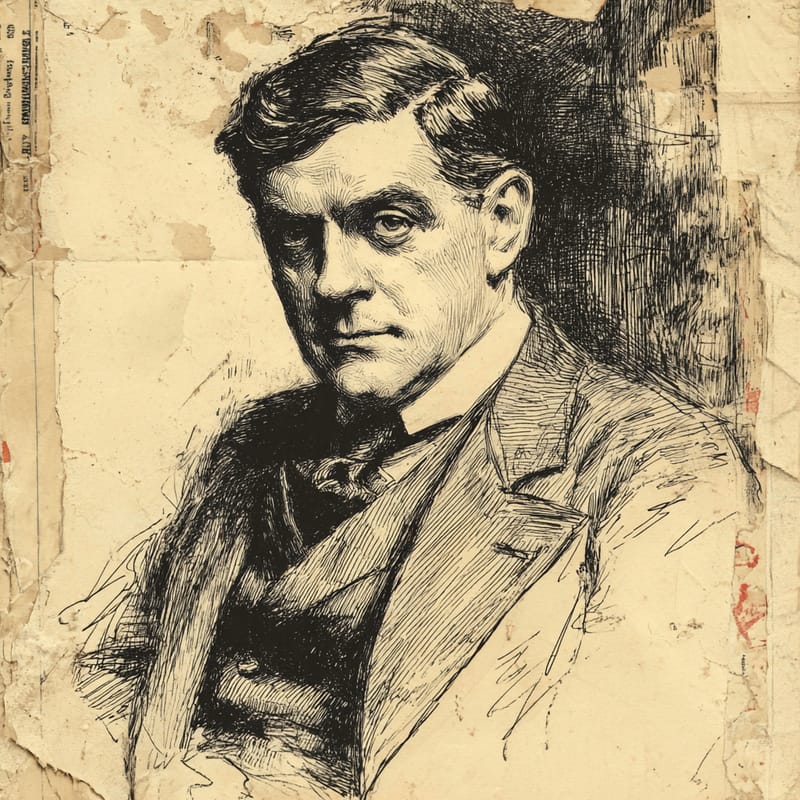
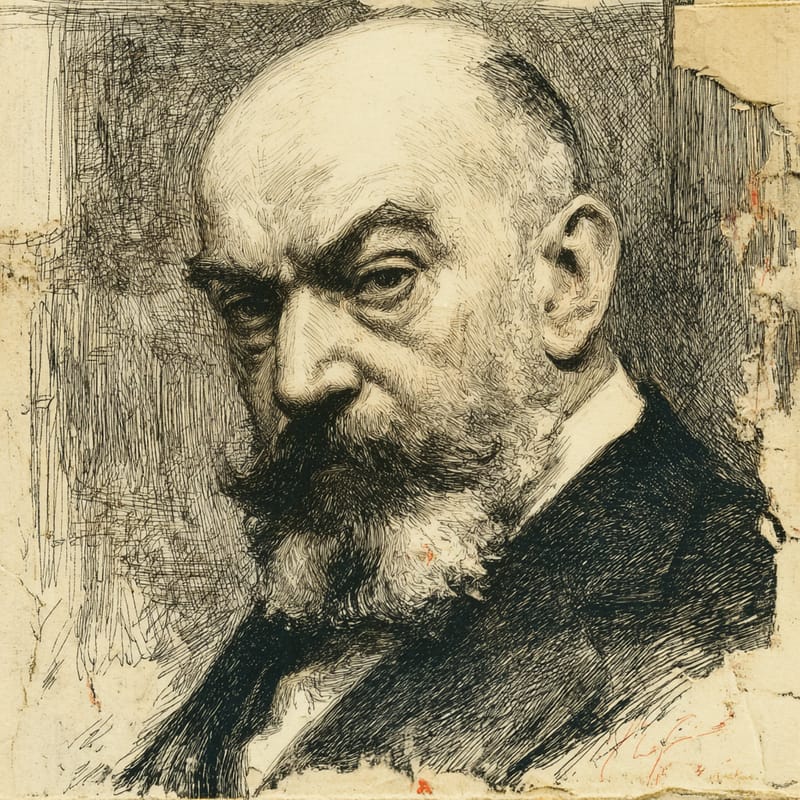
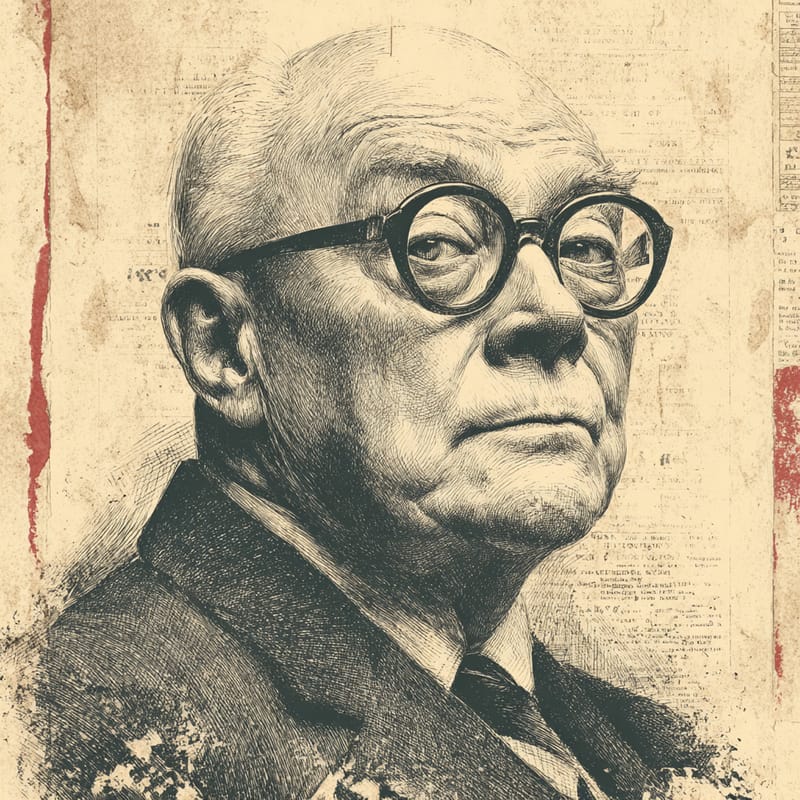
On the 99ideologies three-axis compass, the minds closest to August Bebel are Harold Laski (99% alike), Jack London (97% alike) and Aneurin Bevan (97% alike). The furthest is Hans-Hermann Hoppe (6% alike).