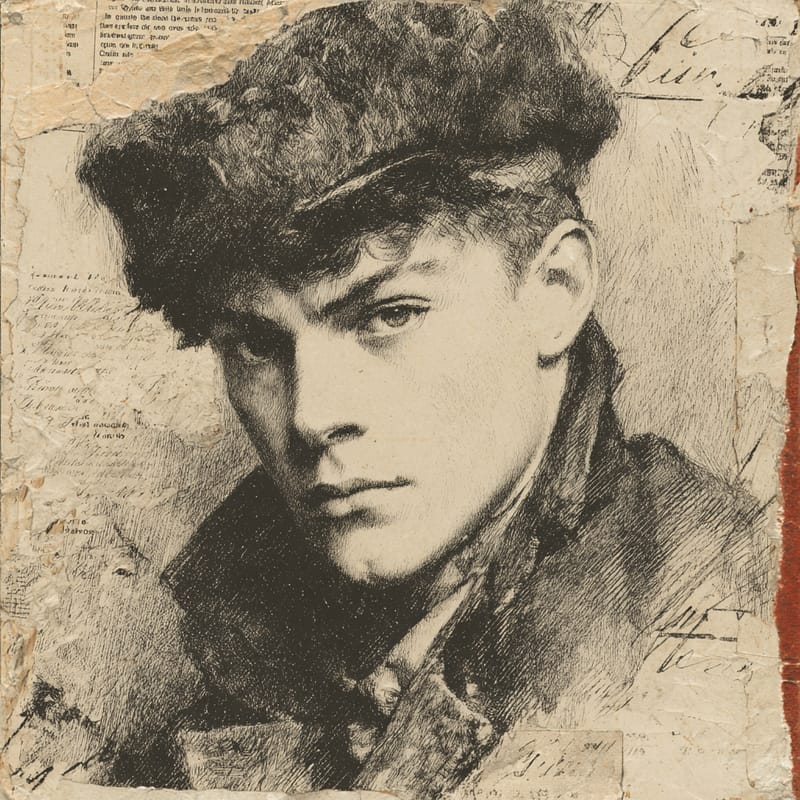
Nestor Makhno
The Free Territory
Anarchism in arms during the civil war.
Reformist Anarcho-CommunistOne of 729 ideologies · enter the Anarcho-Communist hall →- Role
- Revolutionary commander
- Era
- 1888–1934
- Region
- Ukraine
- Social band
- Reformist
- Placement
- −93 · −90 · +45
§ Where Nestor Makhno stands
3 axesMakhno's programme was peasant and worker self-management. In 1917 he led Huliaipole's peasants in expropriating landlords' estates and sharing out land, livestock and tools, and the insurgent congresses of 1919 endorsed free communes and free soviets. Workers in towns the insurgents held were urged to run their own enterprises, though wartime chaos left little time to build a lasting economy.
The Makhnovists rejected every state, whether White, nationalist or Red. In the territory they held, decisions were meant to flow from village assemblies, free soviets and regional congresses, and their declarations promised free speech and press while forbidding any party to impose its authority. In exile Makhno co-signed the 1926 Organisational Platform, urging anarchists to adopt tighter, unified organisation.
Makhno's radicalism was that of the egalitarian peasant, hostile to landlords, officers and officials alike. He opposed pogroms, and in July 1919 the Makhnovists executed the warlord Nykyfor Hryhoriv, partly for his massacres of Jews. Jewish anarchists such as Volin held senior posts in the movement, though its secular, class-based outlook coexisted with rough wartime brutality.
How close are you to Nestor Makhno?
Three statements, one per axis. Answer them and we’ll drop you on the compass next to them.
§ The story
HistoricalNestor Ivanovych Makhno (1888–1934) was born to a poor peasant family in Huliaipole, in southern Ukraine, then part of the Russian Empire. He joined a local anarchist group in 1906, was condemned to death for its armed actions and had the sentence commuted to hard labour because of his youth; in Moscow's Butyrka prison he met the anarchist Peter Arshinov. Freed by the February Revolution of 1917, he returned home to lead the peasants' seizure of landlords' estates and, after the German and Austrian occupation of 1918, a guerrilla war.
As commander, or batko, of the Revolutionary Insurgent Army of Ukraine, Makhno fought the occupiers, Ukrainian nationalists, Denikin's Whites and finally the Bolsheviks, with whom he allied more than once before they turned on him in November 1920. The movement around him, the Makhnovshchina, was the largest attempt at stateless self-government in the civil war. He fled to Romania in 1921 and died of tuberculosis, in poverty, in Paris. Bolshevik propaganda branded him a bandit and an antisemite; historians have largely rejected the antisemitism charge, but his army's record includes killings of civilians, notably German Mennonite settlers.
Notable for
- 01Led the Makhnovshchina
- 02Anarchist Free Territory in Ukraine
- 03Black-flag insurgent army
Key works & moments
- 1908–10Arrested for anarchist armed actions; his death sentence is commuted to hard labour.
- 1917Freed from Butyrka prison; returns to Huliaipole to lead land seizures from local estates.
- 1918Meets Kropotkin and Lenin in Moscow, then launches guerrilla war against the Austro-German occupation.
- 1919Routs Denikin's forces at Peregonovka, cutting White supply lines during the march on Moscow.
- 1920–21Bolsheviks turn on his army after Wrangel's defeat; he escapes to Romania in August 1921.
- 1926Co-signs the Organisational Platform of the Dielo Truda group in Paris.
§ Minds closest to Nestor Makhno
All minds →
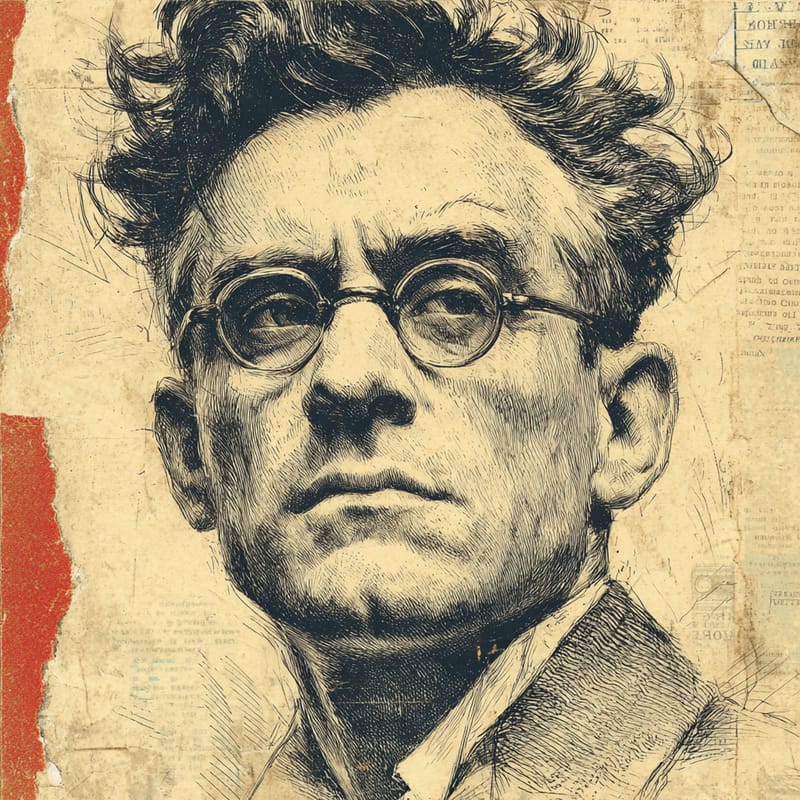
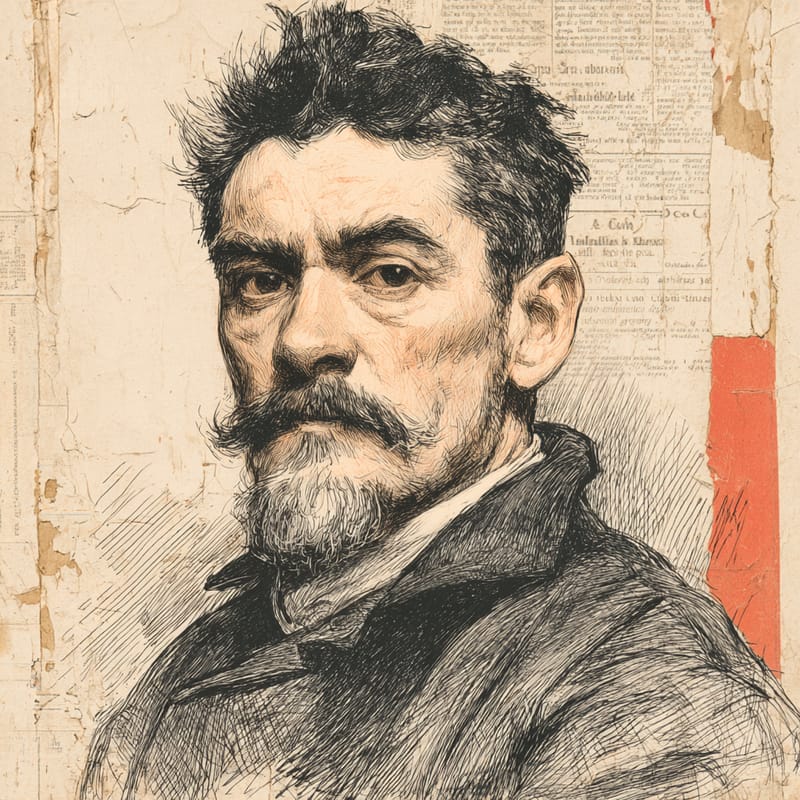
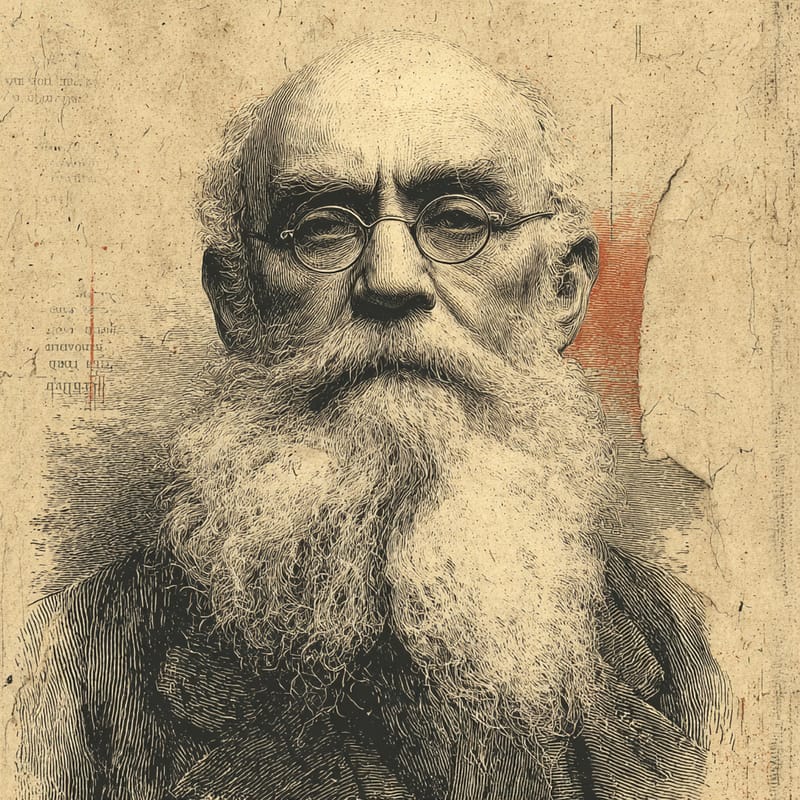

§ Also in the Anarcho-Communist hall
Enter the hall →§ Common questions
4 answersWhat was Nestor Makhno's political ideology?
Nestor Makhno was an anarchist communist who led a peasant insurgency: on the 99ideologies three-axis compass, a Reformist Anarcho-Communist. Economically he sat at the far left (−93), backing land seizures and self-managed communes. On governance he was near the libertarian extreme (−90), fighting to keep his Free Territory free of any state, Red or White, and socially he was moderately progressive (+45), an egalitarian peasant radical who opposed pogroms and landlord privilege.
Was Nestor Makhno left-wing or right-wing?
Left-wing, as a revolutionary anarchist. Makhno fought for the expropriation of landlords and for peasant and worker self-management, and he battled the White armies of Denikin and Wrangel. His left-wing politics put him in conflict with the Bolsheviks too: he rejected their dictatorship and party control of the soviets, and they eventually crushed his movement. That makes him a symbol of the anti-authoritarian left and of the Russian Revolution's lost alternatives.
Was Nestor Makhno antisemitic?
The weight of historical evidence says no, although the charge followed him for decades. Makhno publicly condemned pogroms, his movement executed soldiers caught carrying them out, and in 1919 it killed the warlord Nykyfor Hryhoriv, whose troops had massacred Jews. Jewish anarchists, including Volin, held prominent roles. Yet in the chaos of the civil war some units under his loose command committed violence against civilians, including Mennonite colonists, and Soviet propaganda used such episodes to brand his movement as antisemitic.
Which minds are closest to Nestor Makhno?
On the 99ideologies three-axis compass, the minds closest to Nestor Makhno are Buenaventura Durruti (98% alike), Errico Malatesta (96% alike) and Otto Rühle (94% alike). The furthest is Adam Sutler (0% alike).