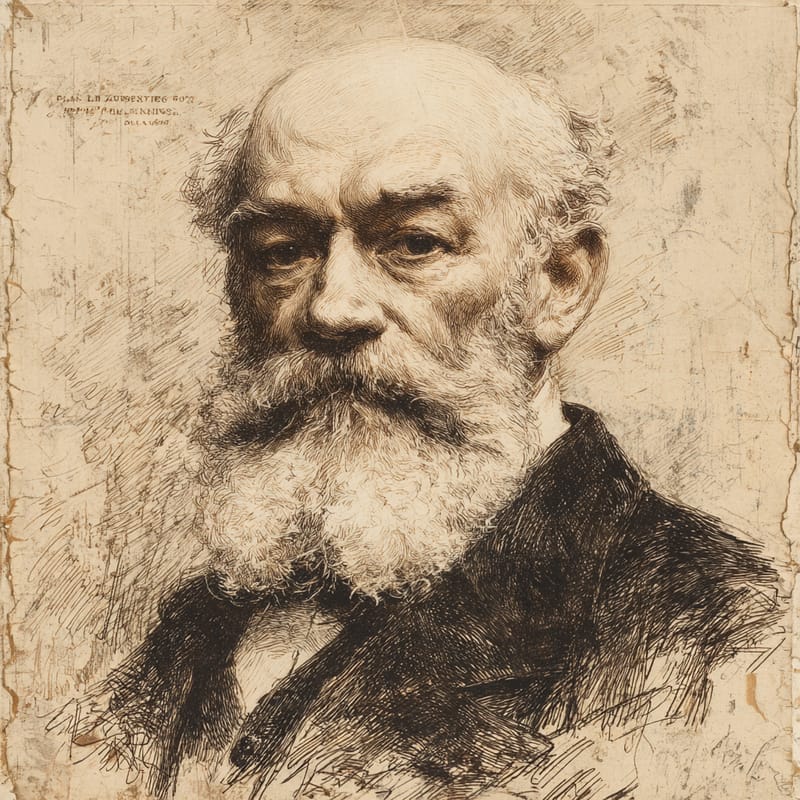
Élisée Reclus
The anarchist geographer
Humanity and nature without masters.
Progressive Anarcho-CommunistOne of 729 ideologies · enter the Anarcho-Communist hall →- Role
- Geographer & theorist
- Era
- 1830–1905
- Region
- France
- Social band
- Progressive
- Placement
- −90 · −94 · +65
§ Where Élisée Reclus stands
3 axesReclus was an anarchist communist who wanted land and the products of labour held in common and shared according to need rather than wages. He wrote the preface to Kropotkin's La Conquête du pain (1892), the classic statement of that programme, and in L'Évolution, la révolution et l'idéal anarchique he presented revolution as the natural culmination of social evolution towards free, cooperative association.
He rejected the state in every form and urged workers to abstain from elections, telling them in an 1885 letter published in Le Révolté that voting meant abdicating their own sovereignty. In place of government he imagined a free federation of communes, and in 1871 he took up arms for the Paris Commune, the federalist revolt that anarchists came to treat as a model.
Reclus was strikingly progressive for his century. Having seen plantation slavery in Louisiana in the 1850s, he became an outspoken abolitionist; he supported the equality of women, argued for vegetarianism and kindness to animals, and his 1866 essay on the feeling for nature in modern societies protested the disfigurement of landscapes by speculation and industry.
How close are you to Élisée Reclus?
Three statements, one per axis. Answer them and we’ll drop you on the compass next to them.
§ The story
HistoricalJacques Élisée Reclus (1830–1905) was a French geographer and anarchist, born at Sainte-Foy-la-Grande in the Gironde into the large family of a Protestant pastor. After studying theology at Montauban and attending Carl Ritter's geography lectures in Berlin, he left France following Louis-Napoléon's 1851 coup and spent years in Britain, the United States, where he saw plantation slavery in Louisiana, and Colombia. Back in Paris he wrote the two-volume La Terre (1868–69), joined the International and fought for the Paris Commune in 1871.
Captured during a Commune sortie, Reclus was sentenced to deportation, but an international appeal by scientists won commutation to banishment. From exile in Switzerland he produced the nineteen-volume Nouvelle Géographie universelle (1876–94), supported Peter Kropotkin's paper Le Révolté and became one of the first champions of anarchist communism. In 1894 the Free University of Brussels cancelled his lectures amid fear of anarchist bombings, and supporters founded the breakaway Université Nouvelle, where he taught in his final years. He is claimed today as a forerunner of radical geography and social ecology.
Notable for
- 01Monumental 'New Universal Geography'
- 02Early ecological anarchism
- 03Communard and theorist
Key works & moments
- 1852–57Exiled after Louis-Napoléon's coup, travels through Britain, Louisiana and Colombia, witnessing plantation slavery.
- 1868–69Publishes La Terre, a two-volume physical geography that makes his scientific name.
- 1871Fights for the Paris Commune; captured, sentenced to deportation, then banished after scientists appeal.
- 1876–94Publishes the nineteen-volume Nouvelle Géographie universelle, the work that makes him world-famous.
- 1892Writes the preface to Kropotkin's La Conquête du pain, the manifesto of anarchist communism.
- 1905–08L'Homme et la Terre appears in six volumes, mostly after his death.
In their own words
“Man is nature becoming conscious of itself.”
§ Minds closest to Élisée Reclus
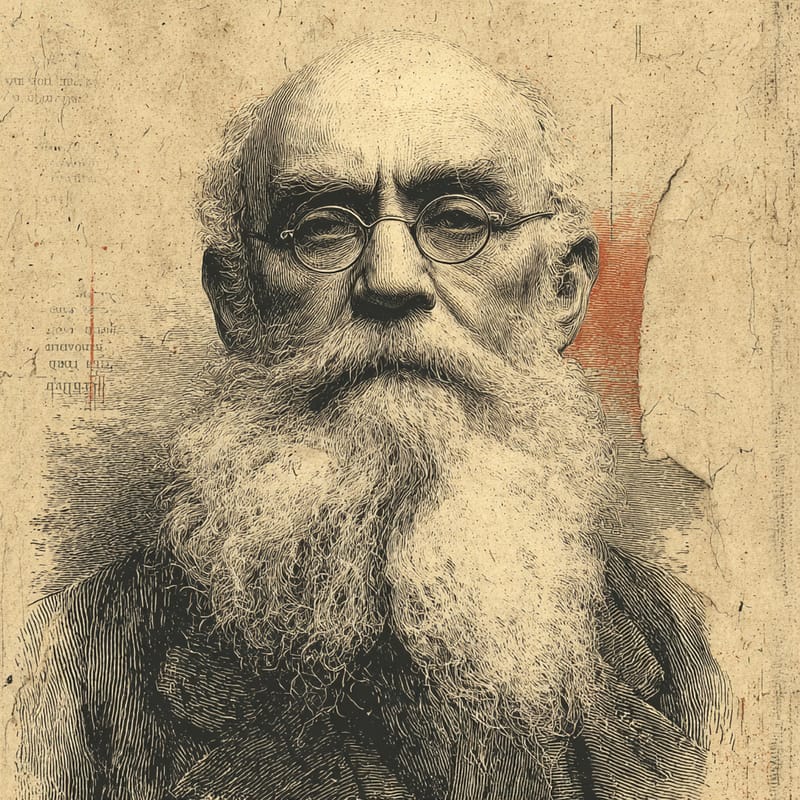
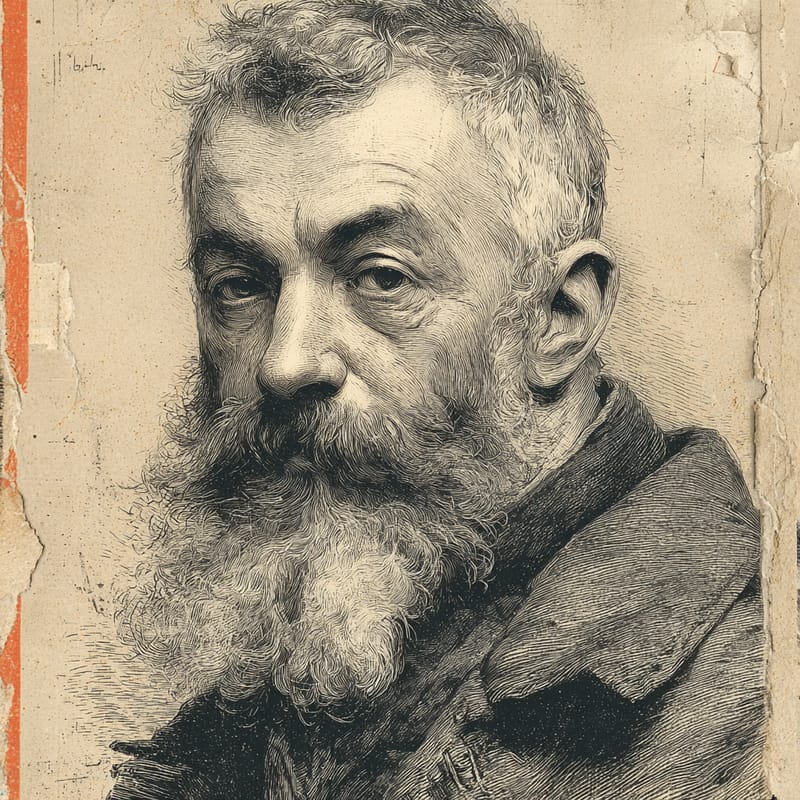
All minds →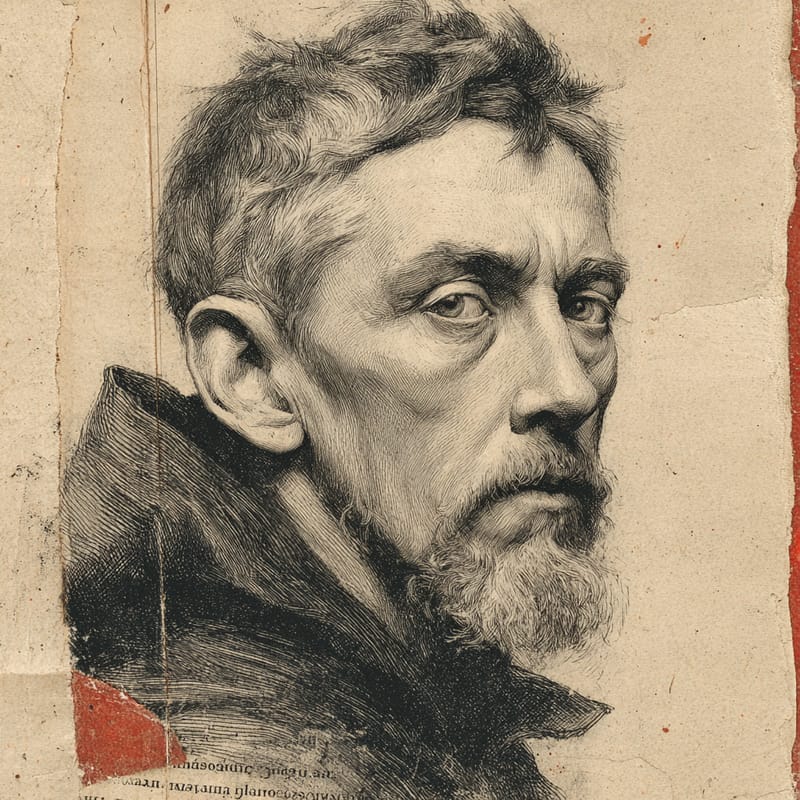
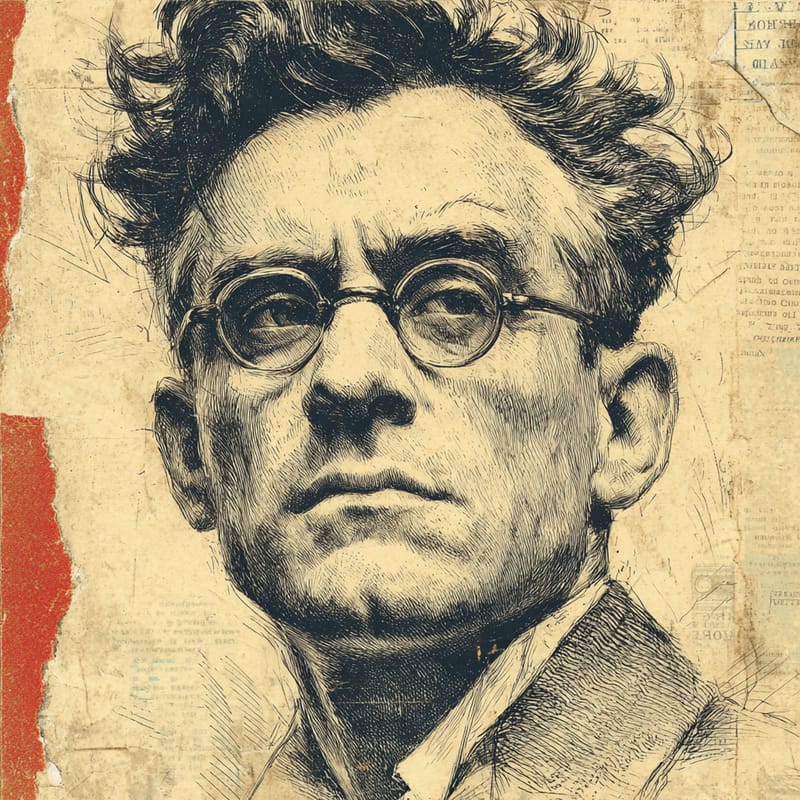
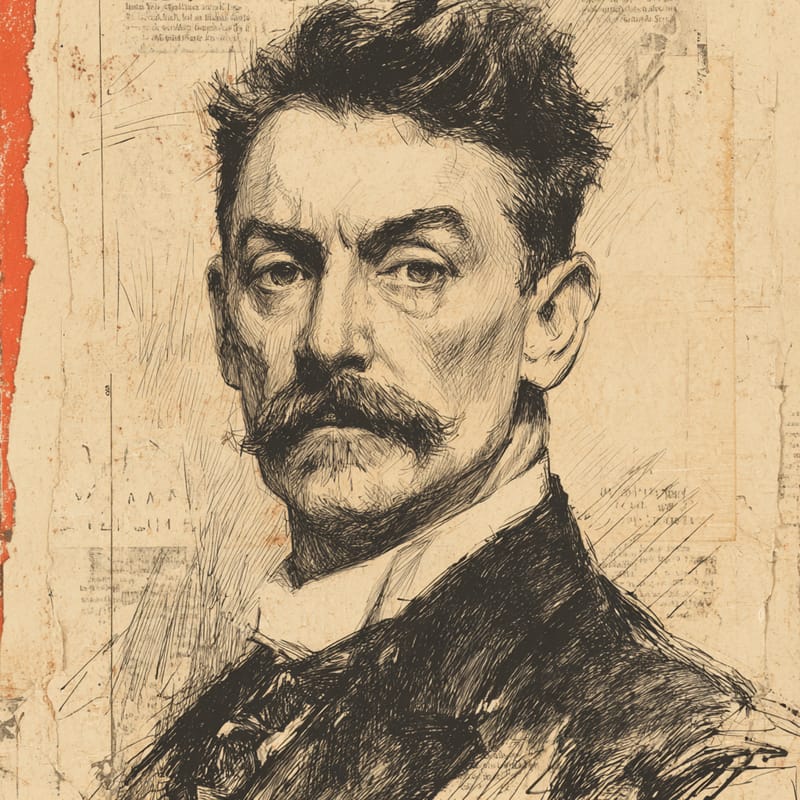
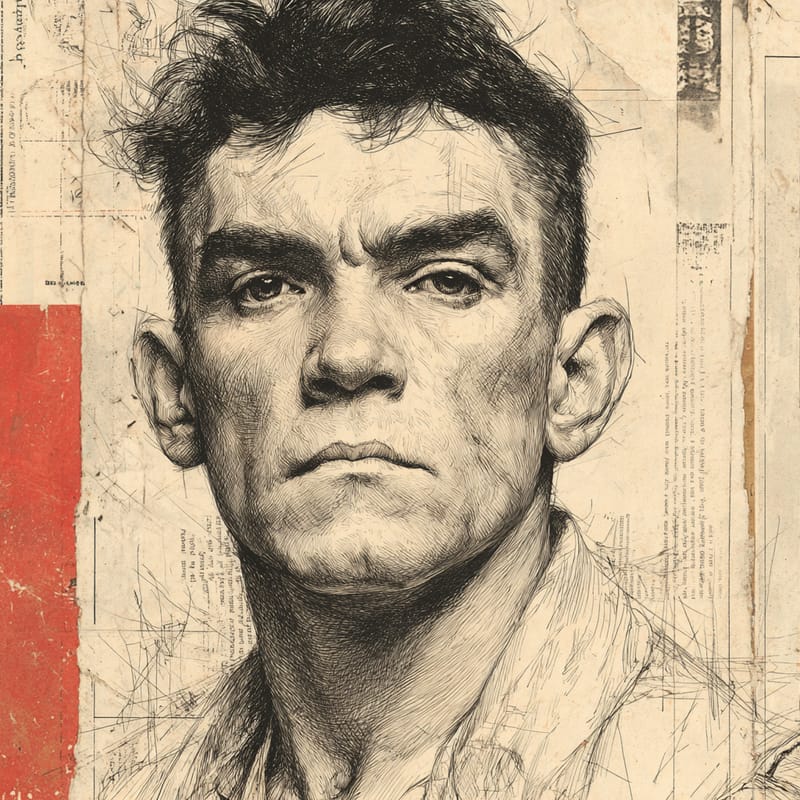

§ Also in the Anarcho-Communist hall
Enter the hall →§ Common questions
4 answersWhat was Élisée Reclus's political ideology?
Élisée Reclus was an anarchist communist with an unusually ecological outlook: on the 99ideologies three-axis compass, a Progressive Anarcho-Communist. Economically he sat at the far left (−90), wanting land and wealth held in common and shared by need. On governance he was at the libertarian extreme (−94), rejecting the state and even voting, and socially he was clearly progressive (+65), an abolitionist, advocate of women's equality and vegetarian who saw humanity as part of nature rather than its master.
Was Élisée Reclus left-wing or right-wing?
Left-wing, firmly and consistently. Reclus fought for the Paris Commune in 1871, called for the common ownership of land and wealth, and spent his life in the anarchist movement alongside Peter Kropotkin. His left-wing politics were libertarian rather than state-socialist: he opposed seizing or reforming the state, urged workers not to vote, and believed social change would come from free association. His early ecological thinking, unusual on the nineteenth-century left, adds a distinctive green strand to that profile.
Was Élisée Reclus an early environmentalist?
In many respects, yes, though the word did not yet exist. His 1866 essay on the feeling for nature in modern societies protested deforestation and the ruin of landscapes by speculation, and his last work, L'Homme et la Terre, treated humanity as nature becoming conscious of itself. He also argued for vegetarianism. Unlike many later greens, however, he welcomed science and industry when freely organised. Eco-anarchist and social-ecology writers, such as the philosopher John P. Clark, have claimed him as a forerunner.
Which minds are closest to Élisée Reclus?
On the 99ideologies three-axis compass, the minds closest to Élisée Reclus are Shevek (98% alike), Peter Kropotkin (97% alike) and Errico Malatesta (96% alike). The furthest is Adam Sutler (0% alike).