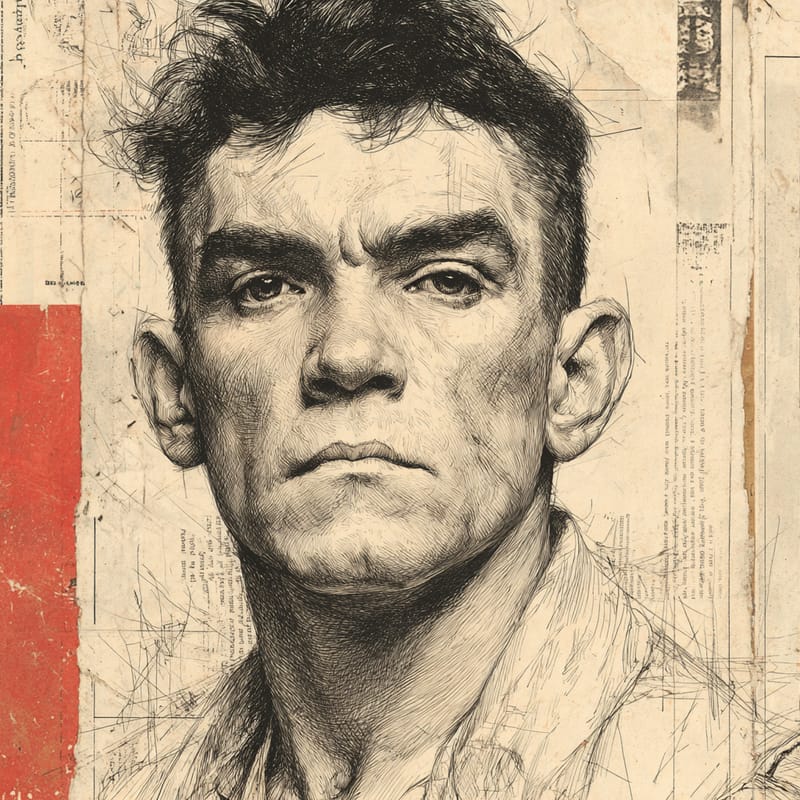
Buenaventura Durruti
We carry a new world in our hearts
Anarchist hero of the Spanish Revolution.
Reformist Anarcho-CommunistOne of 729 ideologies · enter the Anarcho-Communist hall →- Role
- Revolutionary
- Era
- 1896–1936
- Region
- Spain
- Social band
- Reformist
- Placement
- −95 · −92 · +50
§ Where Buenaventura Durruti stands
3 axesDurruti fought for the CNT's libertarian communism, defined at its Zaragoza congress in May 1936: land, factories and wealth held in common, with money abolished where possible. As his column advanced into Aragon in 1936, villages behind its lines collectivised land and in places replaced money with local vouchers, a programme he championed as the revolution made real.
Durruti rejected the state and parliamentary politics, and he organised his column without ranks, saluting or officers' privileges, through groups and centuries under elected delegates and a war committee. Before 1936 he backed the FAI's insurrections of 1932–33 against the Republic itself, and he died as the Republic was moving to fold the militias into a regular army.
Durruti's progressivism was that of the CNT's working-class culture: secular, fiercely anticlerical and egalitarian, a movement that championed Francisco Ferrer's rationalist schools. He lived as his militiamen did and refused the privileges of rank, and the anarchist women's organisation Mujeres Libres, founded in 1936, grew rapidly during the revolution, though his own focus remained class war rather than cultural reform.
How close are you to Buenaventura Durruti?
Three statements, one per axis. Answer them and we’ll drop you on the compass next to them.
§ The story
HistoricalJosé Buenaventura Durruti Dumange (1896–1936) was born in León, in north-western Spain, and worked as a railway mechanic. After taking part in the general strike of 1917 he fled to France, joined the anarcho-syndicalist CNT and in 1922 formed the action group Los Solidarios in Barcelona with Francisco Ascaso and Juan García Oliver, amid gun battles between union militants and employers' hired gunmen. Exile followed, with stays in Latin America and France, where he was arrested in 1926 over a plot against King Alfonso XIII.
Durruti returned after the Second Republic was proclaimed in 1931 and became a leading militant of the FAI, jailed and deported for insurrectionary activity. In July 1936 he helped defeat the military rising in Barcelona, then led a militia column to the Aragon front. Shot in Madrid's University City in November 1936, he died the next day; whether the bullet came from the enemy, an accident or a rival remains disputed. Critics point to the armed robberies of his early career and to revolutionary killings in the Aragon villages his column passed through.
Notable for
- 01Led the Durruti Column
- 02Catalonian collectivisation
- 03Icon of the Spanish Revolution
Key works & moments
- 1922Forms the action group Los Solidarios in Barcelona with Francisco Ascaso and Juan García Oliver.
- 1926Arrested in Paris with Ascaso over a plot against Alfonso XIII; protests prevent their extradition.
- 1931Returns to Spain after the Second Republic is proclaimed and becomes a leading FAI militant.
- July 1936Helps defeat the military rising in Barcelona, then leads the Durruti Column to the Aragon front.
- Nov 1936Fatally shot defending Madrid's University City; hundreds of thousands follow his Barcelona funeral.
§ Minds closest to Buenaventura Durruti
All minds →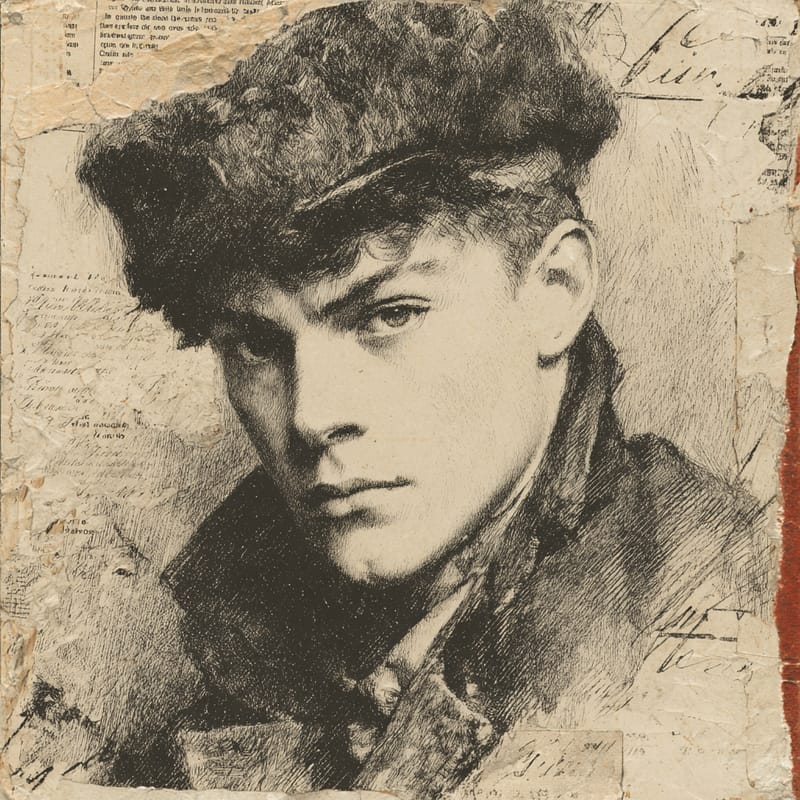

§ Also in the Anarcho-Communist hall
Enter the hall →§ Common questions
4 answersWhat was Buenaventura Durruti's political ideology?
Buenaventura Durruti was a revolutionary anarchist of the CNT and FAI: on the 99ideologies three-axis compass, a Reformist Anarcho-Communist. Economically he sat at the far left (−95), fighting for collectivised land and industry and the abolition of money. On governance he was near the libertarian extreme (−92), rejecting the state and running his militia without officers, and socially he was moderately progressive (+50), a secular, anticlerical egalitarian whose priority was class struggle rather than cultural change.
Was Buenaventura Durruti left-wing or right-wing?
Left-wing, at the revolutionary anarchist end of the spectrum. Durruti fought for libertarian communism, the expropriation of landowners and employers, and the abolition of the state, and he died fighting Franco's Nationalists in 1936. He was hostile to the parliamentary left as well, backing risings against the Second Republic before the civil war, and he was wary of the Soviet-backed Communists whose influence grew in the Republican zone. He belongs to the libertarian, not the Marxist, left.
What was the Durruti Column?
It was the best-known anarchist militia of the Spanish Civil War. A few thousand volunteers left Barcelona under Durruti in July 1936 to take Zaragoza from the Nationalists, organised in groups and centuries with elected delegates instead of officers. The advance stalled short of the city, but collectivisation spread through the Aragon villages behind it, and part of the column followed Durruti to defend Madrid in November 1936. After his death it was militarised as the 26th Division, a move the dissident group the Friends of Durruti opposed.
Which minds are closest to Buenaventura Durruti?
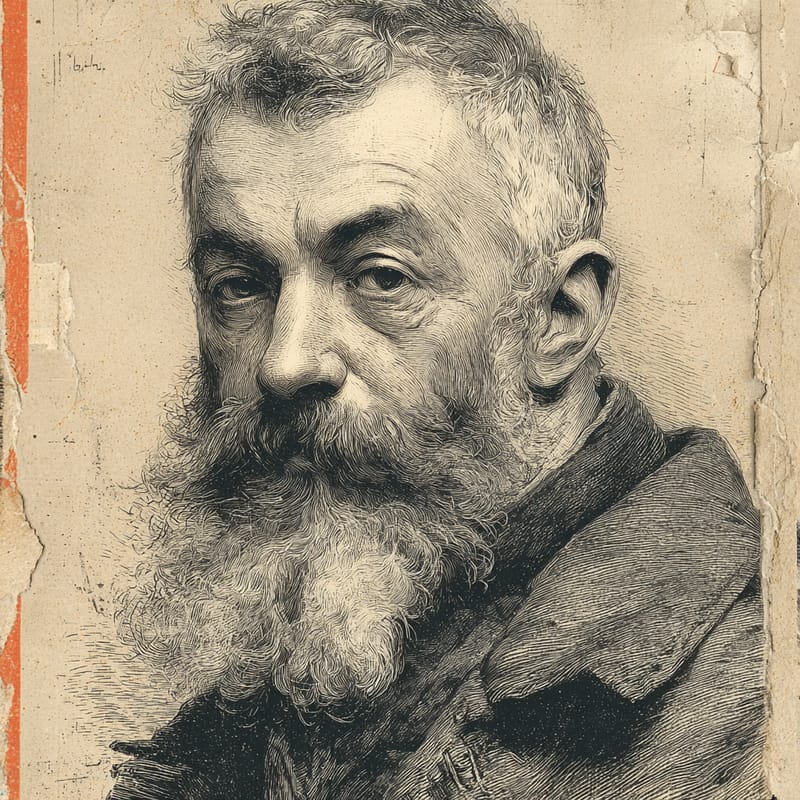
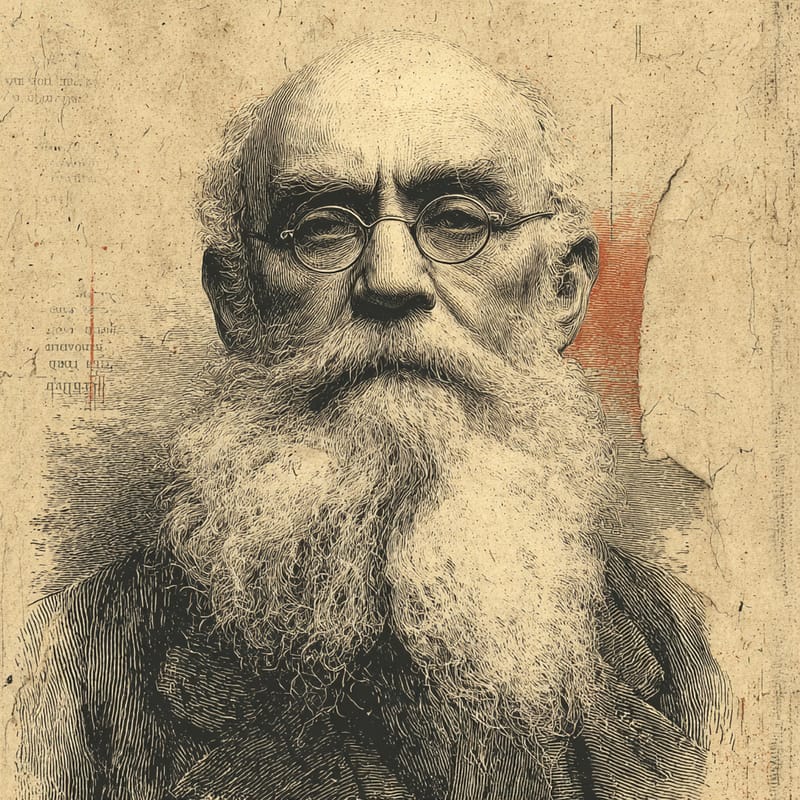
On the 99ideologies three-axis compass, the minds closest to Buenaventura Durruti are Nestor Makhno (98% alike), Errico Malatesta (98% alike) and Peter Kropotkin (96% alike). The furthest is Adam Sutler (0% alike).