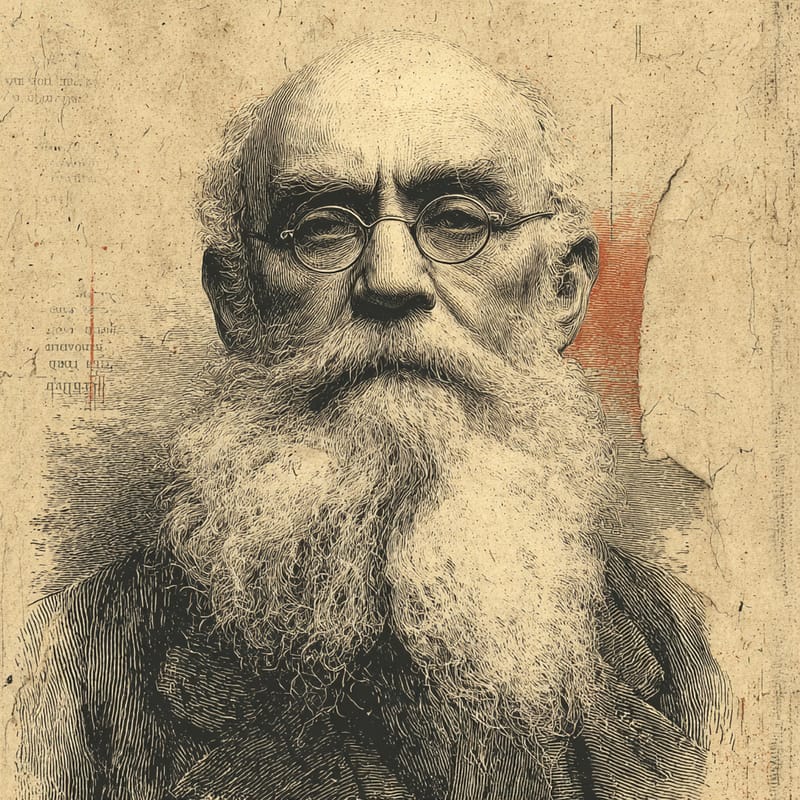
Peter Kropotkin
Mutual aid
Cooperation, not the state, as nature's law.
Reformist Anarcho-CommunistOne of 729 ideologies · enter the Anarcho-Communist hall →- Role
- Theorist & geographer
- Era
- 1842–1921
- Region
- Russia
- Social band
- Reformist
- Placement
- −96 · −95 · +60
§ Where Peter Kropotkin stands
3 axesKropotkin pushed anarchism to the far economic left. The Conquest of Bread (1892) called for the expropriation of all wealth and free distribution according to need, rejecting even the labour notes of the collectivists as a disguised wage system. Fields, Factories and Workshops (1899) added a plan for decentralised industry combined with intensive local agriculture.
He wanted the state abolished, not captured. The State: Its Historic Role (1897) portrayed it as the destroyer of the free medieval cities and guilds, and he looked instead to federations of autonomous communes built from below. Back in Russia after 1917, he protested to Lenin against Bolshevik centralism and the taking of hostages.
Kropotkin's outlook was that of a scientific humanist. Mutual Aid (1902) grounded ethics in the sociability he observed in nature, against Thomas Huxley's 1888 picture of a ruthless struggle for existence; In Russian and French Prisons (1887) attacked the brutality of incarceration; and The Conquest of Bread called for freeing women from household drudgery through shared kitchens and machines.
How close are you to Peter Kropotkin?
Three statements, one per axis. Answer them and we’ll drop you on the compass next to them.
§ The story
HistoricalPyotr Alexeyevich Kropotkin (1842–1921) was born in Moscow into an ancient princely family and educated in the elite Corps of Pages, serving for a time as page to Tsar Alexander II. He chose a posting in Siberia instead of court life, made his name as a geographer and explorer, and in 1872 visited the watchmakers of the Swiss Jura, whose federation turned him into an anarchist. Arrested in 1874 for revolutionary propaganda, he escaped from a St Petersburg military hospital in 1876 and spent the next four decades in exile in Switzerland, France and Britain.
Kropotkin became anarchism's most widely read theorist, giving anarchist communism its classic statements in The Conquest of Bread (1892) and Mutual Aid (1902), which answered Social Darwinism by arguing that cooperation is a major factor in evolution. Jailed in France from 1883 to 1886, he settled in England and helped found Freedom Press. His support for the Allies, sealed by the 1916 Manifesto of the Sixteen, split the movement. He returned to Russia in 1917, criticised the Bolshevik dictatorship, and his 1921 funeral was the last mass anarchist demonstration Moscow allowed.
Notable for
- 01'The Conquest of Bread'
- 02'Mutual Aid: A Factor of Evolution'
- 03Founded anarcho-communism
Key works & moments
- 1872Visits the Jura watchmakers' federation in Switzerland and becomes an anarchist.
- 1876Escapes from a St Petersburg military hospital after two years' imprisonment for revolutionary propaganda.
- 1883Sentenced at Lyon to five years in prison; freed from Clairvaux in 1886 after an international campaign.
- 1892Publishes La Conquête du pain (The Conquest of Bread), the classic case for anarchist communism.
- 1902Publishes Mutual Aid: A Factor of Evolution, collecting essays begun in 1890.
- 1916Co-signs the Manifesto of the Sixteen backing the Allies, splitting the anarchist movement.
In their own words
“Don't compete! — competition is always injurious to the species, and you have plenty of resources to avoid it!”
§ Minds closest to Peter Kropotkin
All minds →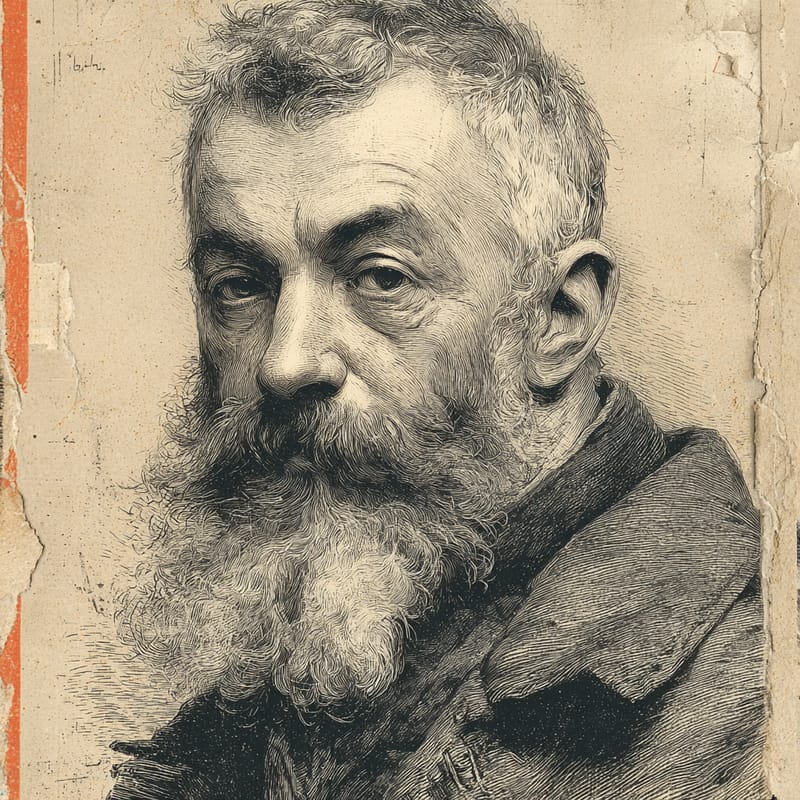

§ Also in the Anarcho-Communist hall
Enter the hall →§ Common questions
4 answersWhat was Peter Kropotkin's political ideology?
Peter Kropotkin was the leading theorist of anarchist communism: on the 99ideologies three-axis compass, a Reformist Anarcho-Communist. Economically he sat at the far left (−96), calling for all wealth to be held in common and shared according to need. On governance he was at the libertarian extreme (−95), seeking to abolish the state in favour of federated free communes, and socially he was clearly progressive (+60), a secular humanist who grounded ethics in cooperation and solidarity.
Was Peter Kropotkin left-wing or right-wing?
Left-wing, on its anti-authoritarian side. Kropotkin wanted private property and the wage system abolished, which places him at the far economic left, but he rejected Marxist plans to capture the state and warned that a revolutionary government would become a new tyranny, as he believed the Bolsheviks proved after 1917. His one sharp break with left orthodoxy was supporting the Allies in the First World War, a stance most anarchists, led by Errico Malatesta, condemned.
What did Kropotkin mean by mutual aid?
He meant that cooperation within species is as much a law of nature as struggle, and a decisive factor in survival and evolution. Answering Thomas Huxley's 1888 essay on the struggle for existence, Kropotkin wrote a series of articles from 1890, collected as Mutual Aid in 1902, drawing on his own Siberian observations of animals and peasants. He traced mutual aid through clans, village communities, medieval guilds and free cities, and modern unions, concluding that a stateless society could rest on this instinct.
Which minds are closest to Peter Kropotkin?
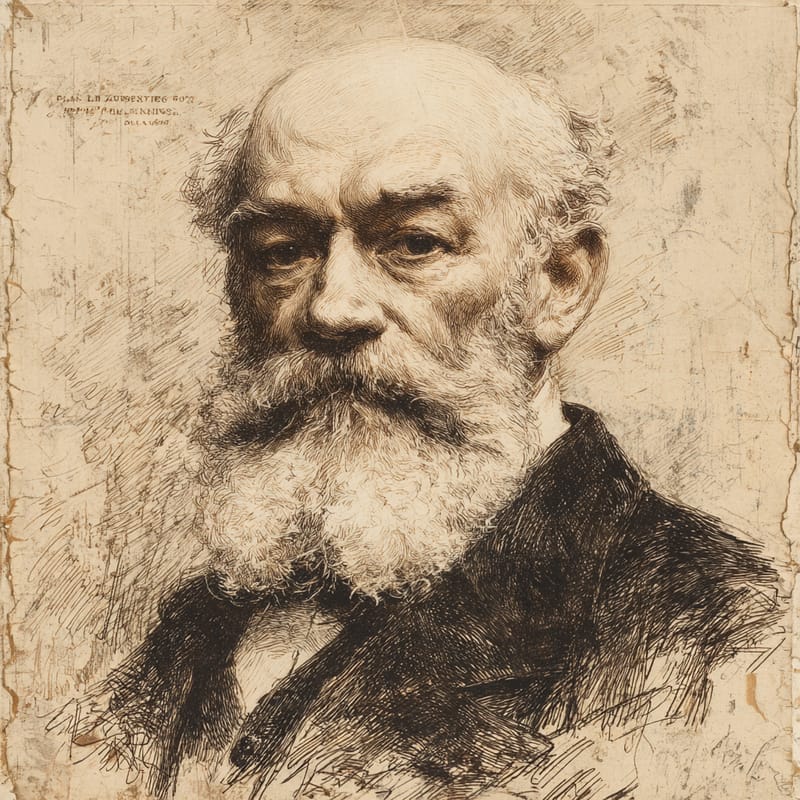
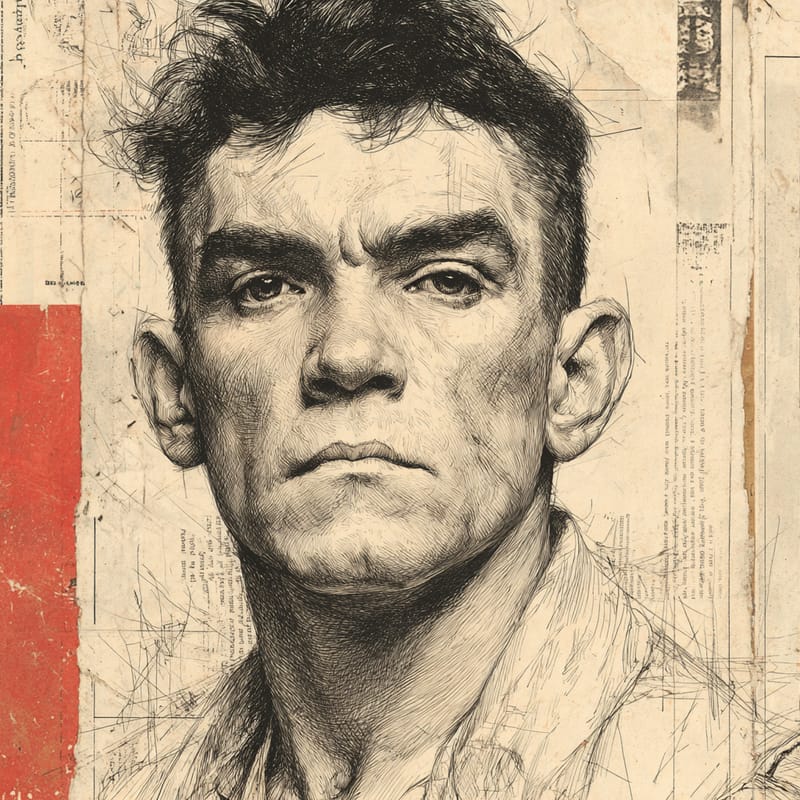
On the 99ideologies three-axis compass, the minds closest to Peter Kropotkin are Errico Malatesta (97% alike), Élisée Reclus (97% alike) and Buenaventura Durruti (96% alike). The furthest is Adam Sutler (0% alike).