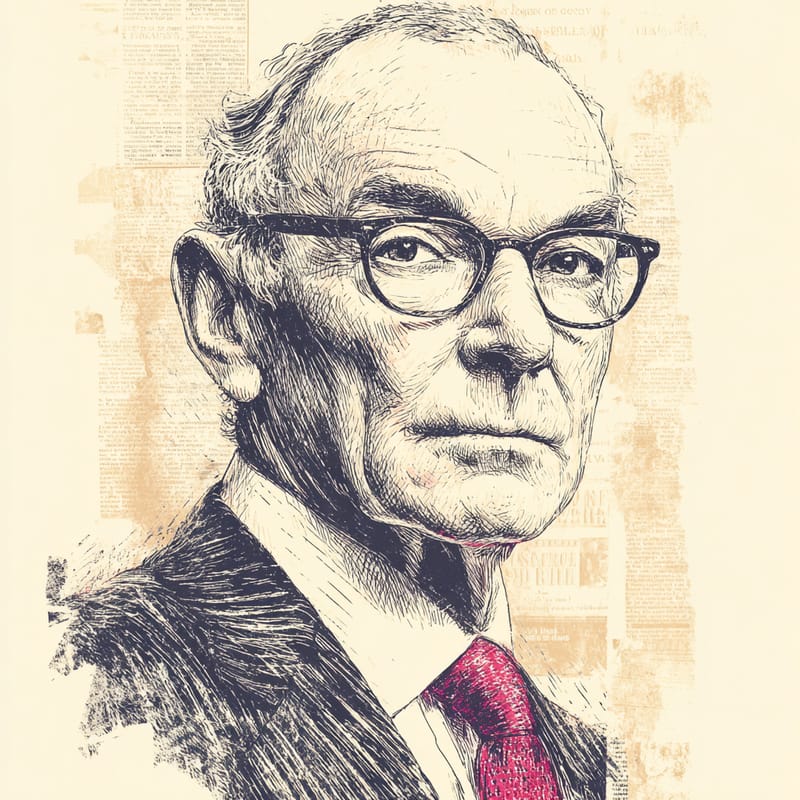
Michael Bloomberg
The data-driven mayor
Business pragmatism, civic management.
CentristOne of 729 ideologies · enter the Centrist hall →- Role
- Mayor & businessman
- Era
- b. 1942
- Region
- United States
- Social band
- Centre (no modifier)
- Placement
- +10 · +6 · +12
§ Where Michael Bloomberg stands
3 axesBloomberg is pro-business and fiscally disciplined, courting finance and real estate and rezoning large areas of the city for development. Yet he favours market-shaping intervention, from the 2002 smoking ban to the 2007 PlaNYC sustainability plan and a failed congestion-pricing scheme, and he raised property taxes during the city's 2002 budget crisis, which places him just right of centre.
A managerial centrist who prizes data and results over party, Bloomberg has been a Democrat, a Republican, an independent and a Democrat again. As mayor he favoured strong executive control, persuading the City Council in 2008 to extend term limits so he could run again and expanding stop-and-frisk policing, which tilts him modestly toward the authoritarian side despite his technocratic style.
On social questions Bloomberg is mostly liberal: he supports abortion rights, same-sex marriage and immigration reform, and has made gun control a signature cause through Mayors Against Illegal Guns, founded in 2006, and Everytown for Gun Safety. His policing record and paternalistic public-health rules, such as the 2012 limit on large sugary drinks, temper that liberalism, leaving him only mildly progressive.
How close are you to Michael Bloomberg?
Three statements, one per axis. Answer them and we’ll drop you on the compass next to them.
§ The story
LivingMichael Rubens Bloomberg (born 1942) is an American businessman and politician who served as mayor of New York City from 2002 to 2013. Born in Boston and raised in Medford, Massachusetts, he studied at Johns Hopkins University and Harvard Business School, then rose through the investment bank Salomon Brothers. After losing his job when the firm was taken over in 1981, he founded the company that became Bloomberg L.P., whose financial-data terminals made him one of the world's richest people. He was elected mayor as a Republican in 2001, weeks after the September 11 attacks.
Bloomberg governed as a managerial technocrat, banning smoking in bars and restaurants, taking control of city schools, rezoning large parts of the city and pursuing public-health rules that critics called a nanny state. He left the Republican Party in 2007 and won a third term in 2009 after persuading the City Council to extend term limits. His expansion of police stop-and-frisk tactics was ruled unconstitutional as practised by a federal judge in 2013, and he apologised for it in 2019. He funds gun-control and climate campaigns and ran briefly for the Democratic presidential nomination in 2020.
Notable for
- 01Three terms as NYC mayor
- 02Public-health and climate initiatives
- 03Founded Bloomberg L.P.
Key works & moments
- 1981Founds the company that becomes Bloomberg L.P. after leaving Salomon Brothers.
- 2001Elected mayor of New York City as a Republican, two months after the September 11 attacks.
- 2002Wins mayoral control of city schools and signs a ban on smoking in bars and restaurants.
- 2007Leaves the Republican Party and launches the PlaNYC sustainability plan.
- 2009Wins a third term after the City Council extends mayoral term limits.
- 2020Spends heavily on a short-lived campaign for the Democratic presidential nomination.
§ Minds closest to Michael Bloomberg
All minds →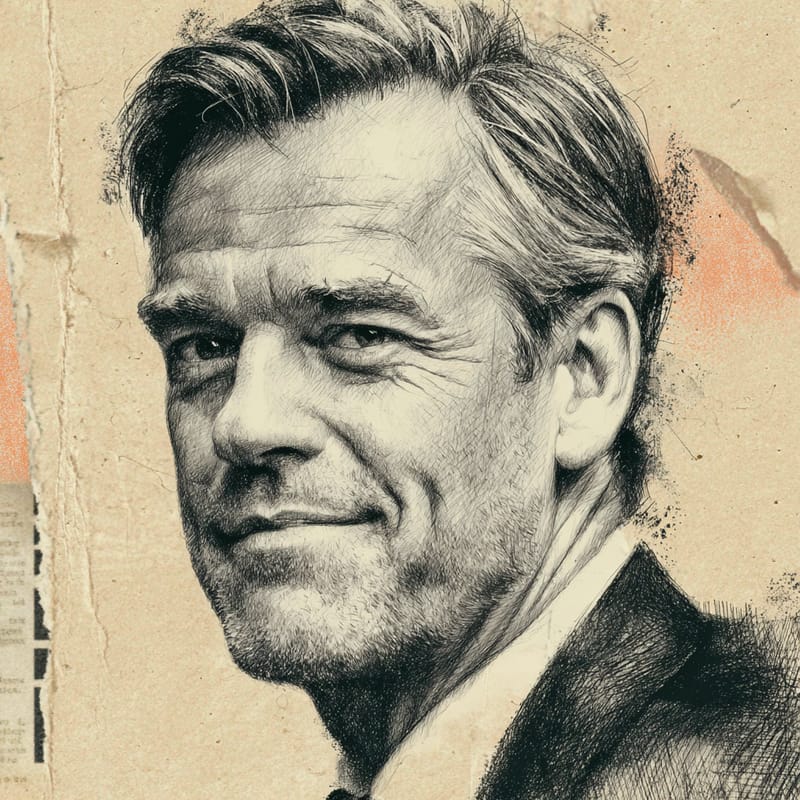

§ Also in the Centrist hall
Enter the hall →§ Common questions
4 answersWhat is Michael Bloomberg's political ideology?
Michael Bloomberg is a technocratic centrist: on the 99ideologies three-axis compass, a Centrist. Economically he sits just right of centre (+10), pro-business and fiscally disciplined but willing to regulate for public health and climate. On governance he leans modestly authoritarian (+6), favouring strong executive management, extended term limits and stop-and-frisk policing, and socially he is mildly progressive (+12), liberal on guns, abortion and same-sex marriage but paternalistic in style.
Is Michael Bloomberg left-wing or right-wing?
Neither consistently, which is why he has switched parties. On economics Bloomberg is a business-friendly moderate who distrusts high-tax, anti-Wall Street politics, which aligns him with the centre-right. On social and environmental issues he is a liberal, spending heavily on gun control and climate action. His defining trait is managerial pragmatism: he presents himself as a data-driven executive rather than an ideologue of left or right.
Is Michael Bloomberg a Republican or a Democrat?
He has been both, and an independent in between. Bloomberg was a Democrat until 2001, when he ran for mayor of New York as a Republican, a move widely seen as a way around a crowded Democratic primary. He left the Republican Party in 2007 and governed as an independent for the rest of his mayoralty, then re-registered as a Democrat in 2018 and sought the party's presidential nomination in 2020, endorsing Joe Biden after withdrawing in March.
Which minds are closest to Michael Bloomberg?
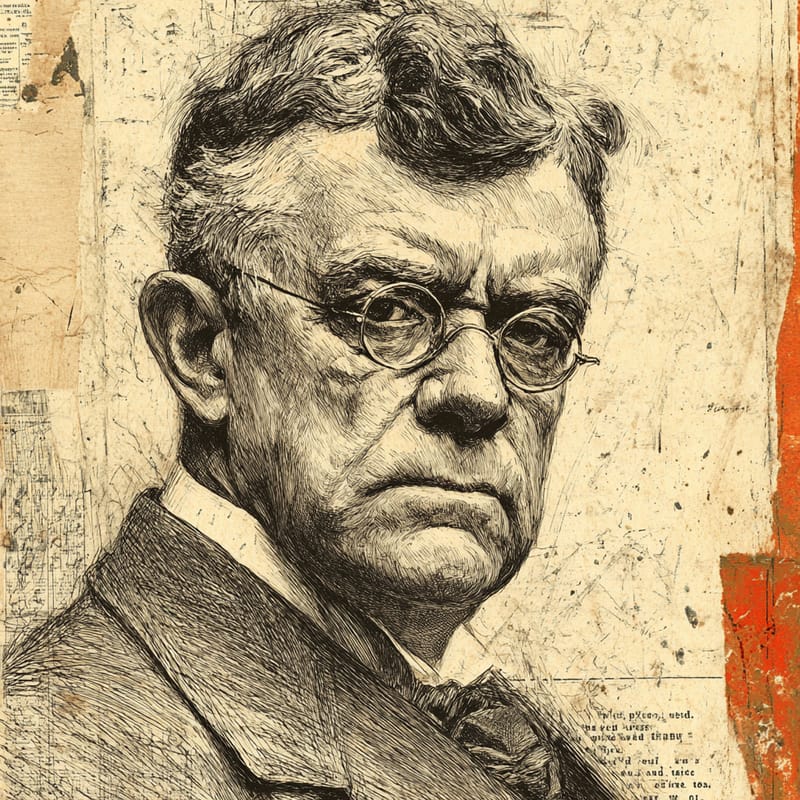
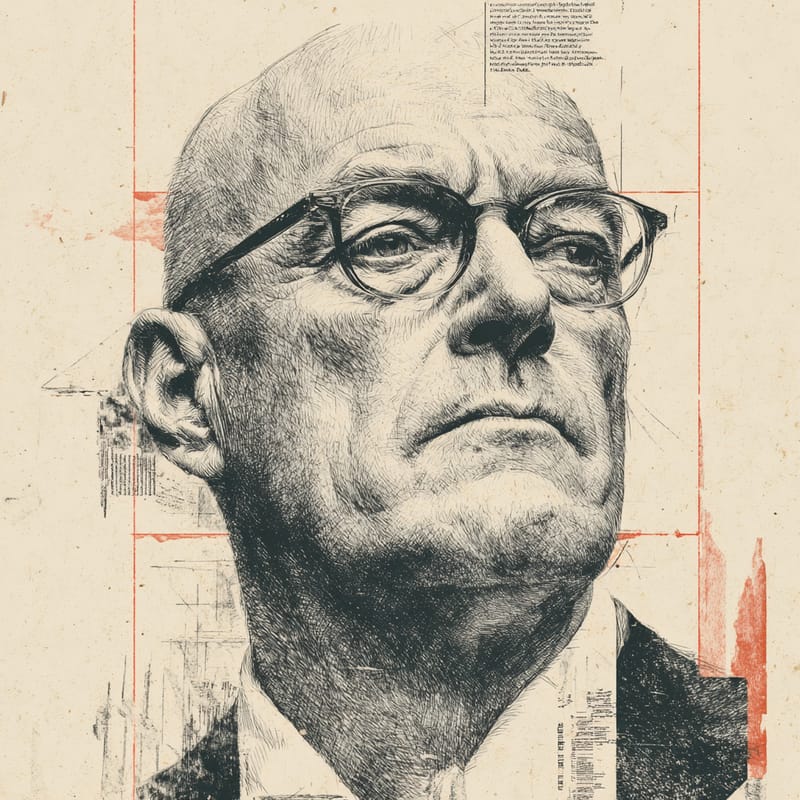
On the 99ideologies three-axis compass, the minds closest to Michael Bloomberg are Mark Rutte (96% alike), Jim Hacker (94% alike) and Olaf Scholz (94% alike). The furthest is Emma Goldman (36% alike).