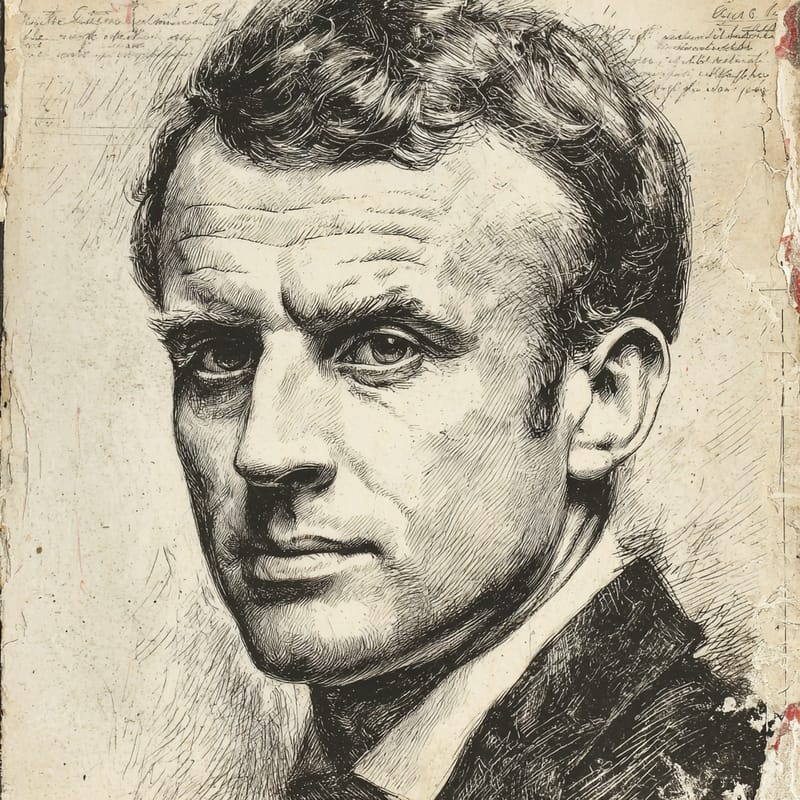
Emmanuel Macron
Neither left nor right
Market reform from the centre.
Heterodox NeoliberalOne of 729 ideologies · enter the Neoliberal hall →- Role
- President
- Era
- b. 1977
- Region
- France
- Social band
- Heterodox
- Placement
- +24 · +6 · +18
§ Where Emmanuel Macron stands
3 axesMacron pursues market-friendly reform within the French social model. His 2017 ordinances eased labour law, the 2018 budget replaced the wealth tax with a narrower property-wealth tax and introduced a flat tax on capital income, and his 2023 law raised the state pension age to 64. Yet he kept public spending high and funded generous emergency support during the pandemic, placing him moderately right of centre.
Macron favours a strong, centralised presidency, a style he himself once described as Jupiterian. His government used Article 49.3 of the constitution to pass the 2023 pension reform without a final vote, and police handling of the gilets jaunes protests drew criticism from rights groups. He remains bound by courts, elections and parliament, which leaves him only slightly on the authoritarian side of the centre.
Macron is a socially liberal, pro-European modernist. His government extended IVF to single women and lesbian couples in 2021, and in 2024 France enshrined the freedom to have an abortion in its constitution. At the same time he tightened immigration law in 2023 and pressed a hard line on Islamist separatism with a 2021 law, which moderates his liberalism.
How close are you to Emmanuel Macron?
Three statements, one per axis. Answer them and we’ll drop you on the compass next to them.
§ The story
LivingEmmanuel Macron (born 1977) is a French politician who was elected president of France in 2017, the youngest in the history of the French Republic, and re-elected in 2022. Born in Amiens, he studied philosophy and public affairs before graduating from the École nationale d'administration in 2004, then joined the Inspectorate General of Finances and worked as an investment banker at Rothschild. He served as deputy secretary-general at the Élysée under François Hollande and as economy minister from 2014 to 2016, and founded the En Marche! movement in April 2016.
Macron defeated Marine Le Pen in the presidential run-offs of 2017 and 2022, breaking the long dominance of the Socialists and the centre-right Republicans. His reforms loosened labour law, replaced the wealth tax with a tax on property wealth, overhauled the state railway company and, in 2023, raised the pension age from 62 to 64, a change forced through without a final parliamentary vote. Fuel-tax rises triggered the gilets jaunes protests of 2018–19. A champion of European integration, he called snap legislative elections in 2024 that left parliament without a majority.
Notable for
- 01Founded a centrist movement
- 02Labour-market and pension reform
- 03Pro-European leadership
Key works & moments
- 2015As economy minister, passes the Macron law liberalising Sunday trading and intercity coach travel.
- 2016Founds the En Marche! movement and resigns from the government to run for president.
- 2017Defeats Marine Le Pen to become president, then reforms labour law by ordinance.
- 2018Fuel-tax rises spark the gilets jaunes protests, leading to a national debate in 2019.
- 2023Forces through a rise in the pension age from 62 to 64 using Article 49.3.
- 2024Dissolves the National Assembly after the European elections, producing a hung parliament.
§ Minds closest to Emmanuel Macron
All minds →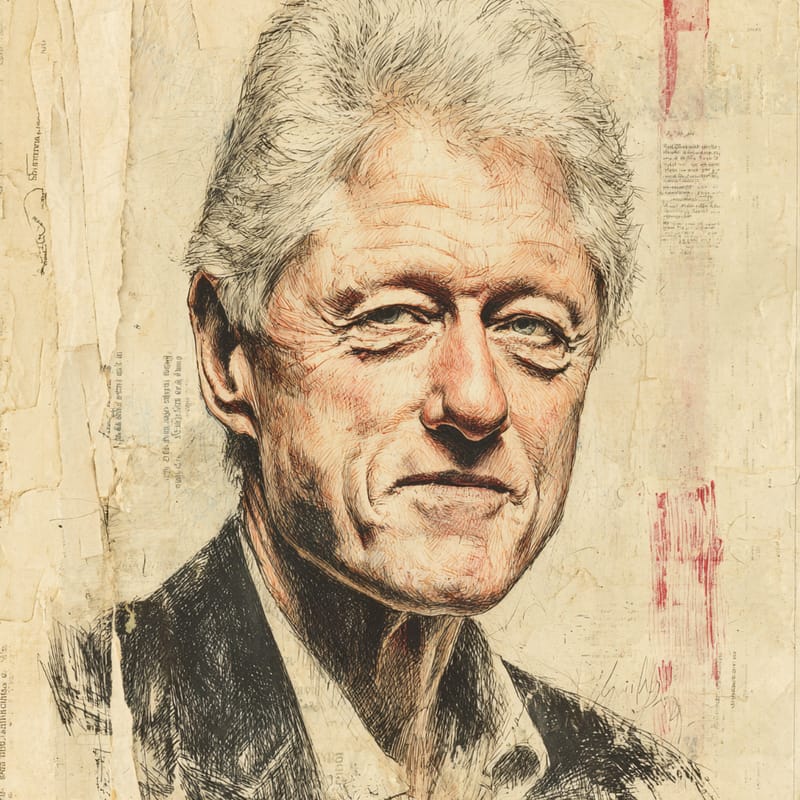

§ Also in the Neoliberal hall
Enter the hall →§ Common questions
4 answersWhat is Emmanuel Macron's political ideology?
Emmanuel Macron is a liberal centrist and pro-European reformer: on the 99ideologies three-axis compass, a Heterodox Neoliberal. Economically he sits moderately right of centre (+24), easing labour law, cutting taxes on capital and raising the pension age while preserving the French welfare state. On governance he leans slightly authoritarian (+6), favouring a strong presidency, and socially he is moderately progressive (+18), extending IVF rights and constitutionalising abortion while tightening immigration rules.
Is Emmanuel Macron left-wing or right-wing?
He presents himself as neither, but his record leans centre-right on economics and centre-left on social questions. A former minister in a Socialist government, Macron built a new centrist party that drew voters from both sides. His tax cuts, labour reforms and pension changes led critics on the left to call him a president of the rich, while his social liberalism and European federalism set him apart from the conservative and nationalist right.
Why did Emmanuel Macron's pension reform cause protests?
Because it raised the minimum state pension age from 62 to 64 and was pushed through without a final vote in the National Assembly. Macron argued the change was needed to keep the pay-as-you-go system solvent as the population aged. Unions organised months of strikes and mass demonstrations in early 2023, polls showed most voters opposed the reform, and the government's use of Article 49.3 in March 2023 intensified anger and triggered motions of no confidence, which narrowly failed.
Which minds are closest to Emmanuel Macron?
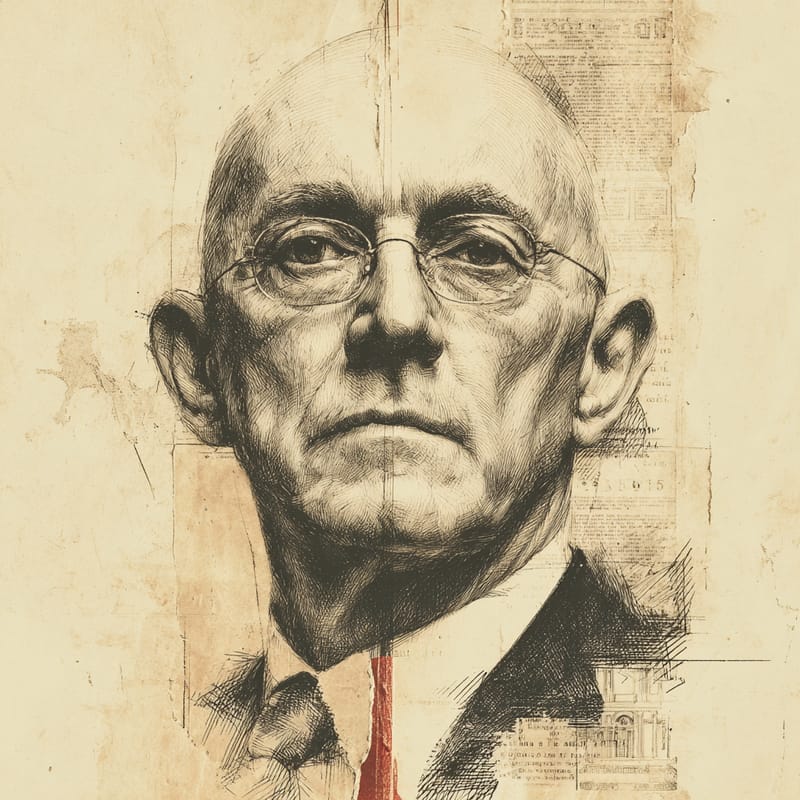
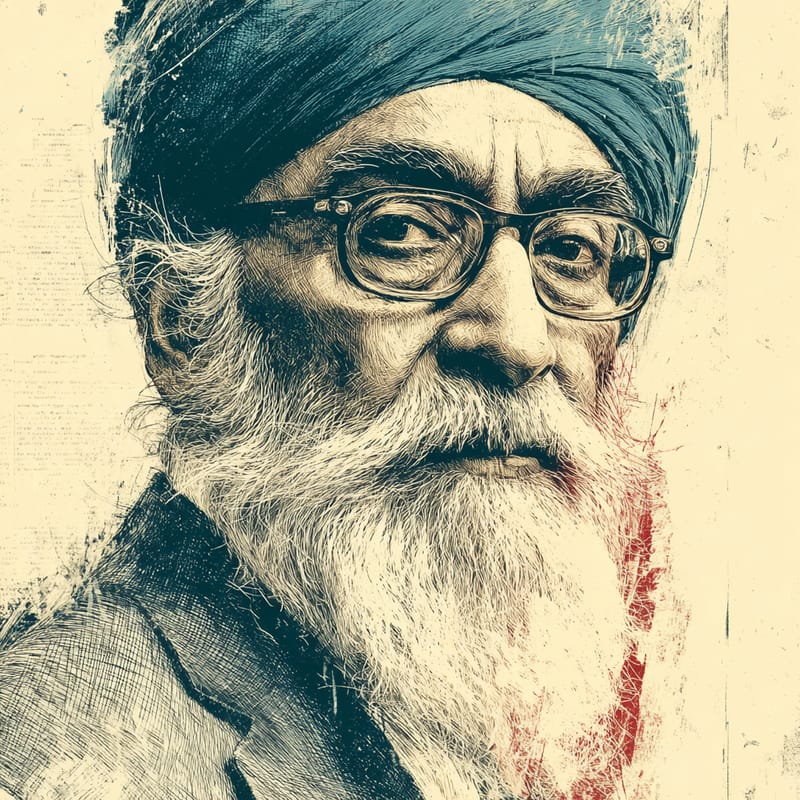
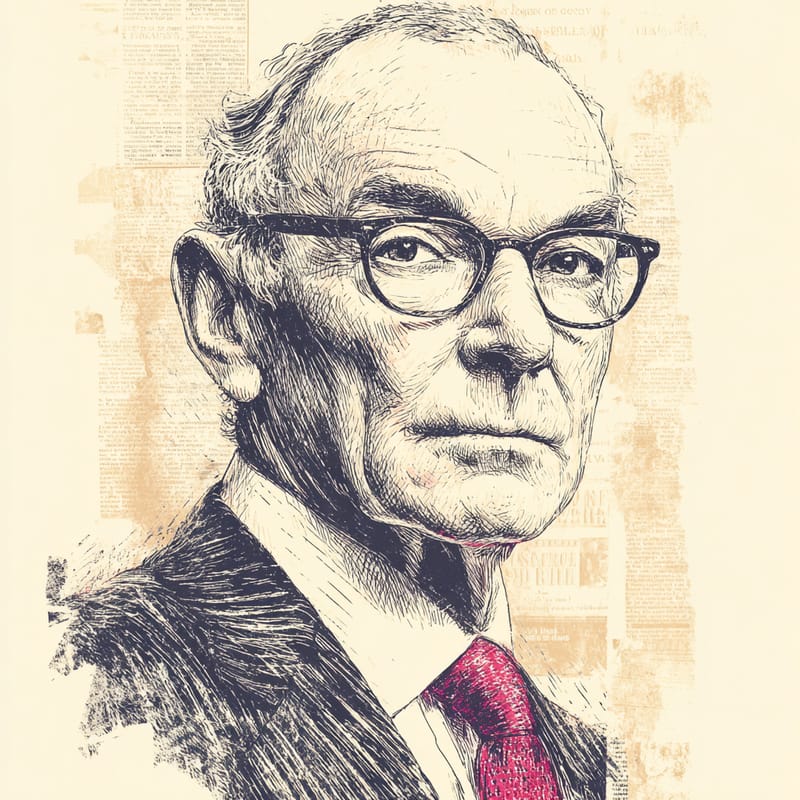
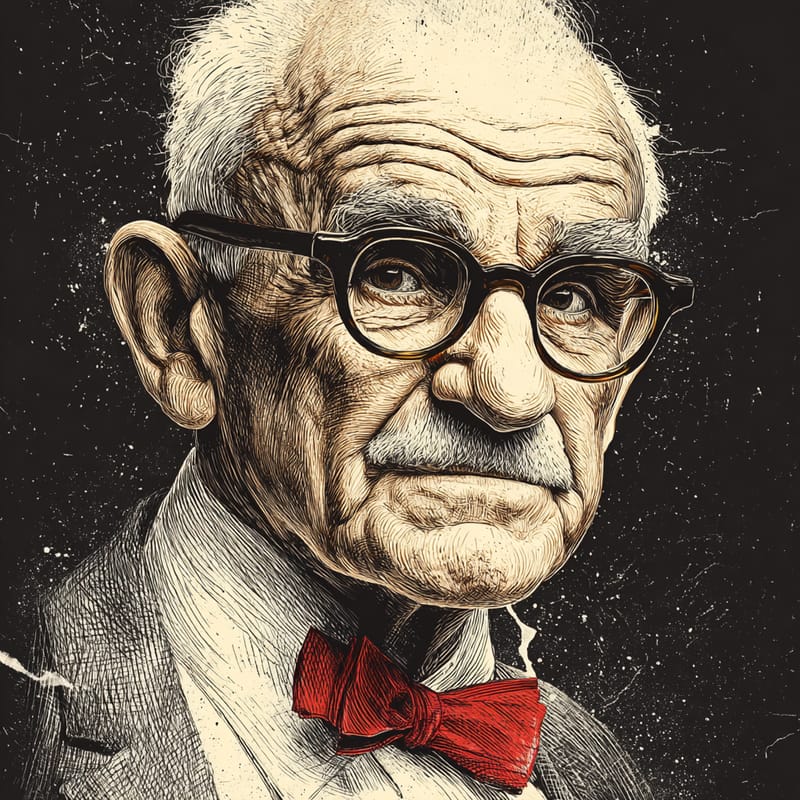
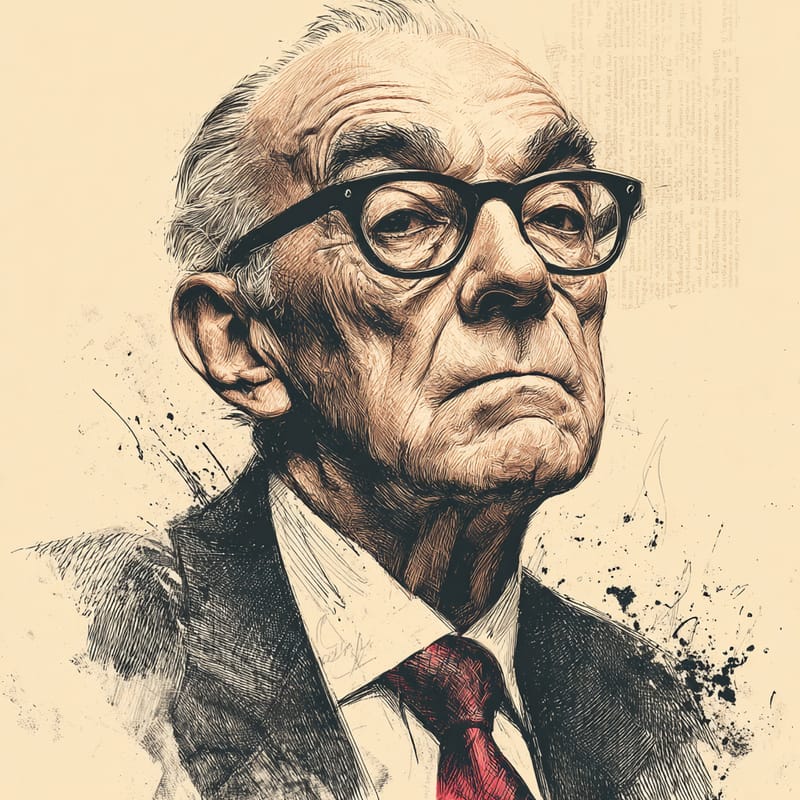
On the 99ideologies three-axis compass, the minds closest to Emmanuel Macron are Bill Clinton (96% alike), Robert Rubin (95% alike) and Manmohan Singh (95% alike). The furthest is Emma Goldman (33% alike).