
Jacques Delors
Architect of the single market
Christian-socialist, centrist in practice.
CentristOne of 729 ideologies · enter the Centrist hall →- Role
- EU Commission President
- Era
- 1925–2023
- Region
- France
- Social band
- Centre (no modifier)
- Placement
- −6 · +8 · 0
§ Where Jacques Delors stands
3 axesDelors combined market integration with social protection. The single-market programme he launched in 1985 removed barriers to the free movement of goods, services, capital and people, while he doubled the regional structural funds and promoted the 1989 Social Charter and dialogue between employers and unions. As French finance minister he had steered the 1983 turn to austerity, a balance that places him just left of the centre.
Delors built European institutions through patient bargaining among governments, using qualified-majority voting under the Single European Act to accelerate integration. His 1989 report on economic and monetary union proposed transferring monetary policy to an independent European central bank, and his federalist vision of a stronger Commission tilts him slightly toward centralised authority on this axis.
Rooted in Catholic personalism and the Christian trade-union tradition, Delors was socially moderate. He emphasised solidarity, dignity at work and lifelong learning, the theme of his 1996 report for UNESCO, Learning: The Treasure Within, but rarely engaged in culture-war debates, a stance that places him at the centre of the social axis.
How close are you to Jacques Delors?
Three statements, one per axis. Answer them and we’ll drop you on the compass next to them.
§ The story
HistoricalJacques Delors (1925–2023) was a French economist and politician who served as president of the European Commission from 1985 to 1995, the longest tenure in its history. Born in Paris, he joined the Banque de France as a young man and became active in the Catholic trade-union movement, then advised the Gaullist prime minister Jacques Chaban-Delmas on social policy. He joined the Socialist Party in 1974, sat in the European Parliament from 1979 and served as François Mitterrand's minister of economy and finance from 1981 to 1984.
At the Commission, Delors drove the programme to complete the single market by 1992, enshrined in the Single European Act of 1986, and chaired the committee whose 1989 report set out the path to economic and monetary union, realised through the Maastricht Treaty and the euro. He championed a social Europe, and his 1988 address to Britain's Trades Union Congress helped provoke Margaret Thatcher's Bruges speech that year, beginning lasting Eurosceptic hostility to him in Britain. In 1994 he declined to run for the French presidency despite leading the polls.
Notable for
- 01Created the EU single market
- 02Paved the way for the euro
- 03'Social Europe' framework
Key works & moments
- 1969–72Advises Prime Minister Jacques Chaban-Delmas on his New Society social programme.
- 1981Becomes Mitterrand's finance minister, later steering the 1983 turn to austerity.
- 1985Takes over the Commission, which issues its White Paper on completing the single market.
- 1988Addresses Britain's Trades Union Congress, prompting Margaret Thatcher's Bruges speech.
- 1989The Delors Report maps a three-stage route to economic and monetary union.
- 1992The Maastricht Treaty is signed, creating the European Union and the path to the euro.
§ Minds closest to Jacques Delors
All minds →
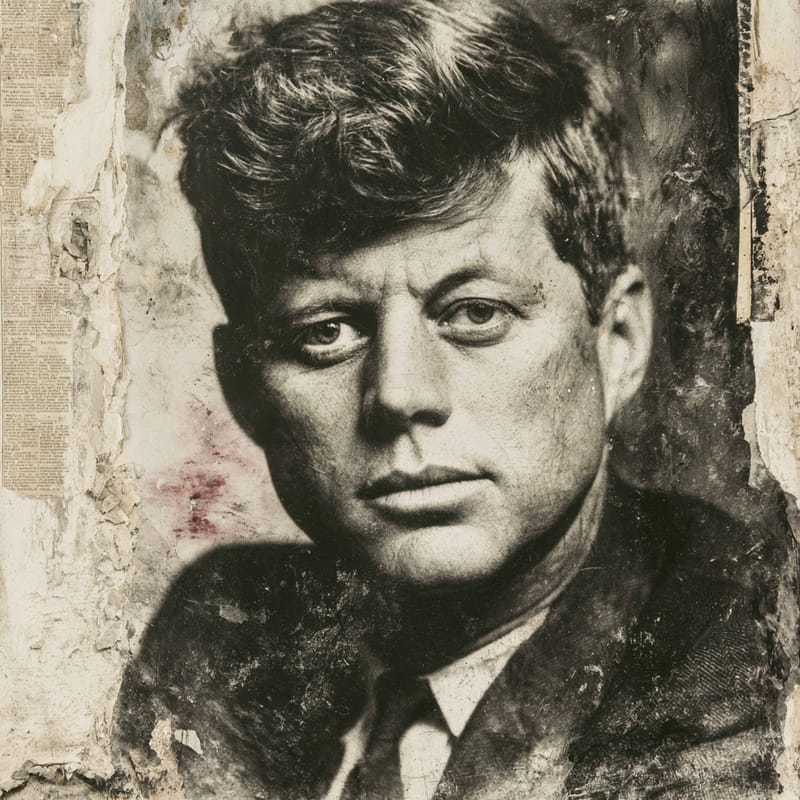


§ Also in the Centrist hall
Enter the hall →§ Common questions
4 answersWhat was Jacques Delors's political ideology?
Jacques Delors was a Christian socialist and European federalist: on the 99ideologies three-axis compass, a Centrist. Economically he sat just left of centre (−6), building a single market while insisting on regional funds, workers' rights and social dialogue. On governance he leaned slightly toward centralised authority (+8), strengthening the European Commission and designing monetary union, and socially he was at the centre (0), shaped by Catholic personalism rather than cultural radicalism.
Was Jacques Delors left-wing or right-wing?
Centre-left, but a bridge-builder. Delors was a member of the French Socialist Party and championed a social Europe of workers' rights, which made him a hate figure for British Eurosceptics. Yet he began in Catholic trade unionism, advised a Gaullist prime minister, imposed austerity as finance minister in 1983 and built the market-opening single European market. His politics combined Christian social thought, market realism and federalist ambition.
Was Jacques Delors the father of the euro?
He was one of its principal architects. In 1988 European leaders asked Delors to chair a committee of central bankers, and its 1989 Delors Report laid out a three-stage route to economic and monetary union, ending in a single currency managed by an independent European central bank. The plan was adopted in the 1992 Maastricht Treaty, and the euro was launched in 1999, four years after he left the Commission, which is why he is widely credited as its chief designer.
Which minds are closest to Jacques Delors?
On the 99ideologies three-axis compass, the minds closest to Jacques Delors are Olaf Scholz (97% alike), John F. Kennedy (96% alike) and Kofi Annan (96% alike). The furthest is Emma Goldman (37% alike).