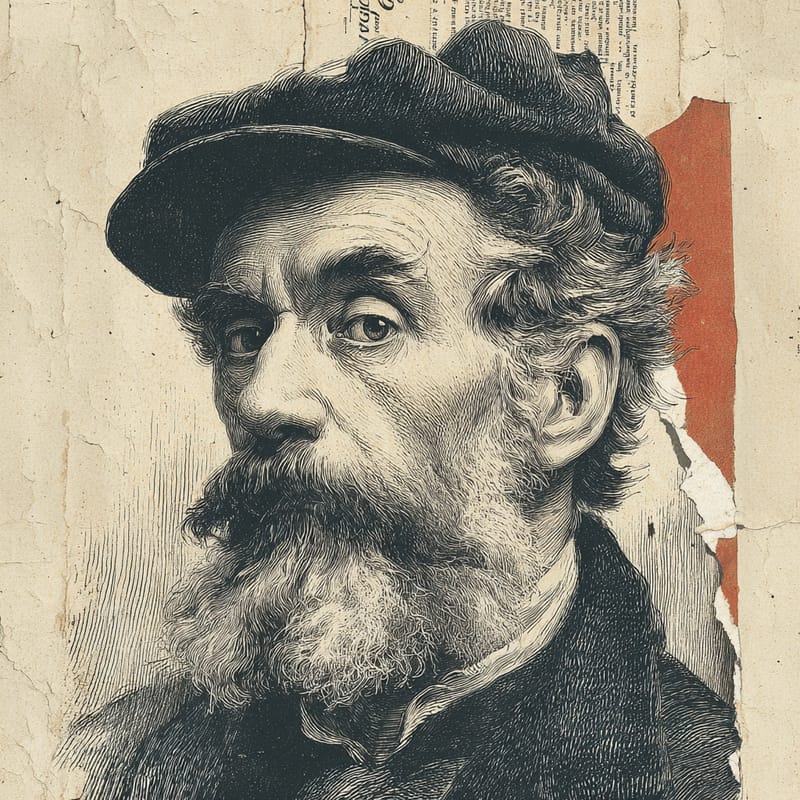
Keir Hardie
Founded a workers' party
From the coal pit to parliament.
Heterodox Democratic SocialistOne of 729 ideologies · enter the Democratic Socialist hall →- Role
- Labour founder
- Era
- 1856–1915
- Region
- United Kingdom
- Social band
- Heterodox
- Placement
- −56 · +20 · +30
§ Where Keir Hardie stands
3 axesHardie wanted the land and the major industries brought under common ownership, and he set out his case in From Serfdom to Socialism (1907). His practical demands were more immediate, from a legal eight-hour day for miners to work for the unemployed and old-age pensions, pursued through Parliament rather than by revolutionary seizure of property.
Hardie's central project was an independent party of labour that would win power through the ballot box instead of relying on the Liberals. He led the Independent Labour Party from its founding in 1893 and helped build the Labour Representation Committee in 1900, preferring a broad alliance of unions and socialist societies to doctrinaire Marxism, and he saw an elected state as the tool for reform.
Hardie was progressive for his time on democracy and empire: he backed votes for women alongside the Pankhursts, opposed the Boer War of 1899–1902 and supported Indian self-government after touring India in 1907. Yet his socialism grew out of the evangelical Christianity and temperance movement of his Scottish youth, and he framed it as a moral crusade rather than a cultural revolution.
How close are you to Keir Hardie?
Three statements, one per axis. Answer them and we’ll drop you on the compass next to them.
§ The story
HistoricalJames Keir Hardie (1856–1915) was a Scottish miner, trade unionist and journalist who became the first leader of the Labour Party in Parliament. Born to a farm servant in Lanarkshire, he worked from early childhood, went down the pits at ten and largely educated himself through night classes and the evangelical church. Blacklisted as a union agitator, he became secretary of the Ayrshire Miners' Union in 1886, launched the newspaper The Miner and founded the Scottish Labour Party in 1888 after standing in the Mid-Lanark by-election.
Elected for West Ham South in 1892, Hardie entered the Commons in a tweed suit and deerstalker rather than the customary top hat, a show of working-class independence. He became the first chairman of the Independent Labour Party, founded at Bradford in 1893, helped create the Labour Representation Committee in 1900 and won Merthyr Tydfil that year. In 1906 he became the first chairman of the Parliamentary Labour Party. A pacifist, he opposed the Boer War and British entry into the First World War, and he died in 1915 while most of the labour movement backed the war.
Notable for
- 01Founded the Independent Labour Party
- 02First Labour leader in Parliament
- 03Pacifist and suffrage advocate
Key works & moments
- 1888Stands in the Mid-Lanark by-election and founds the Scottish Labour Party.
- 1892Elected MP for West Ham South, arriving at Westminster in a tweed suit and deerstalker.
- 1893Becomes first chairman of the Independent Labour Party, founded at Bradford.
- 1900Helps found the Labour Representation Committee and is elected MP for Merthyr Tydfil.
- 1906Becomes first chairman of the Parliamentary Labour Party after 29 Labour MPs are elected.
- 1914Speaks at an anti-war rally in Trafalgar Square days before Britain enters the First World War.
§ Minds closest to Keir Hardie
All minds →
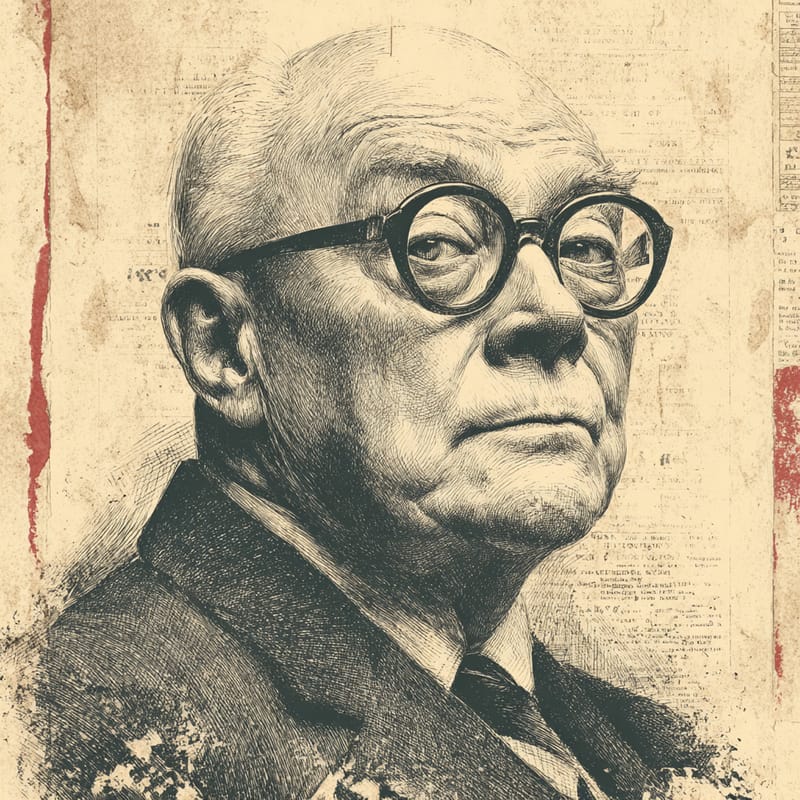
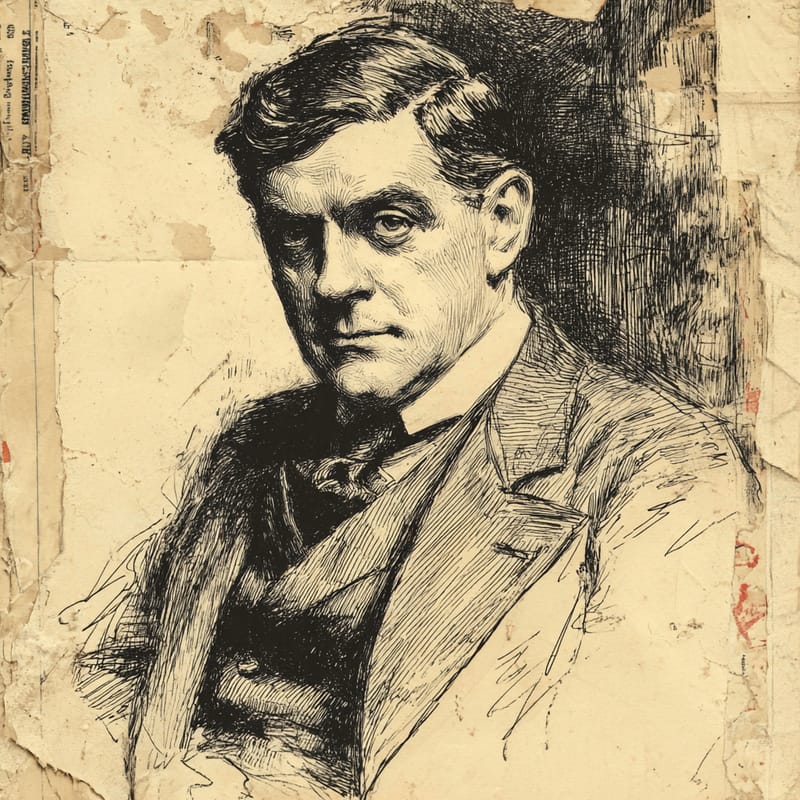
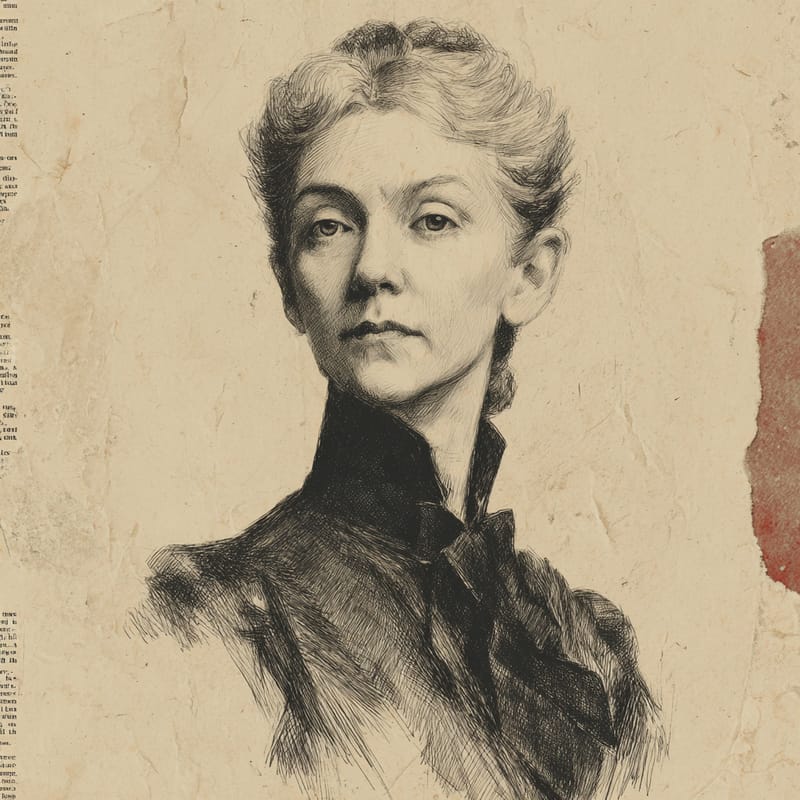

§ Also in the Democratic Socialist hall
Enter the hall →§ Common questions
4 answersWhat was Keir Hardie's political ideology?
Keir Hardie was an ethical, Christian-inspired socialist: on the 99ideologies three-axis compass, a Heterodox Democratic Socialist. Economically he sat well to the left (−56), seeking common ownership of land and industry alongside an eight-hour day and work for the unemployed. On governance he leaned slightly toward the state (+20), building an independent labour party to win power through Parliament. Socially he was moderately progressive (+30), backing women's suffrage and opposing imperial wars while keeping the evangelical and temperance values of his youth.
Was Keir Hardie left-wing or right-wing?
Left-wing: he was a founder of the Labour Party and its first leader in the House of Commons. Hardie wanted common ownership of land and industry, but he was a gradualist and a democrat who preferred a broad alliance of trade unions and socialist societies to revolutionary politics. His Christian morality, temperance and pacifism gave his socialism a distinctive ethical tone, setting him apart from the Marxists of the Social Democratic Federation in his day.
Did Keir Hardie found the Labour Party?
He was its leading founder, though not its only one. Hardie led the Independent Labour Party from 1893 and was central to the conference of unions and socialist societies that created the Labour Representation Committee on 27 February 1900, with Ramsay MacDonald as its secretary. After 29 of its candidates were elected in 1906 the committee renamed itself the Labour Party, and Hardie became the first chairman of its MPs. Others, including MacDonald, Arthur Henderson and many union leaders, shaped the early party too.
Which minds are closest to Keir Hardie?
On the 99ideologies three-axis compass, the minds closest to Keir Hardie are Salvador Allende (94% alike), Sidney Webb (92% alike) and Léon Jouhaux (92% alike). The furthest is Hans-Hermann Hoppe (17% alike).