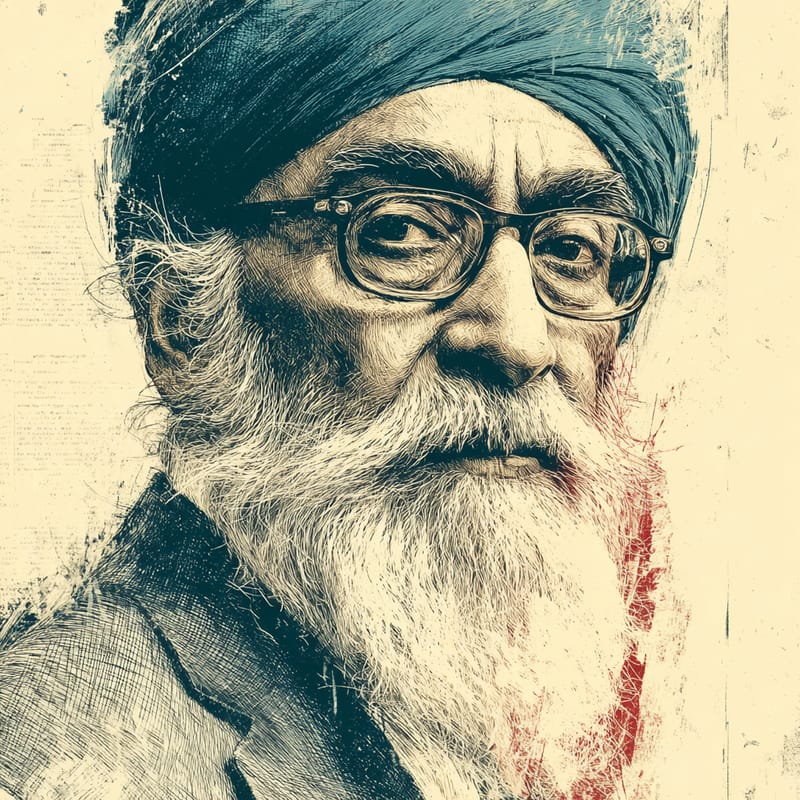
Manmohan Singh
India's liberaliser
The 1991 reforms that opened a nation.
NeoliberalOne of 729 ideologies · enter the Neoliberal hall →- Role
- PM & Finance Minister
- Era
- 1932–2024
- Region
- India
- Social band
- Centre (no modifier)
- Placement
- +30 · 0 · +8
§ Where Manmohan Singh stands
3 axesSingh's 1991 reforms dismantled the Licence Raj of industrial permits, devalued the rupee, cut import tariffs and opened sectors to foreign direct investment. Yet he remained a mixed-economy reformer rather than a free-market purist: as prime minister he passed the National Rural Employment Guarantee Act of 2005, promising rural households 100 days of paid work a year, and the National Food Security Act of 2013.
A soft-spoken technocrat, Singh governed through coalition bargaining and parliamentary procedure, and his government's Right to Information Act of 2005 gave citizens a legal right to obtain official records. After the 2008 Mumbai attacks it also created the National Investigation Agency and tightened the Unlawful Activities (Prevention) Act, a balance between openness and security that leaves him at the centre.
Singh was a secular moderniser of mildly progressive instincts. In 2005 he apologised in Parliament for the 1984 anti-Sikh riots, his government set up the Sachar Committee, whose 2006 report documented the disadvantage of India's Muslims, and a 2006 law reserved 27 per cent of places in central universities and institutes for Other Backward Classes, though he rarely led on cultural questions.
How close are you to Manmohan Singh?
Three statements, one per axis. Answer them and we’ll drop you on the compass next to them.
§ The story
LivingManmohan Singh (1932–2024) was India's finance minister from 1991 to 1996 and its prime minister from 2004 to 2014, the first Sikh to hold the office. Born in Gah in western Punjab, now in Pakistan, he moved with his family to India at Partition, studied economics at Cambridge and took a doctorate at Oxford. He rose through India's economic establishment as chief economic adviser, governor of the Reserve Bank of India from 1982 to 1985 and deputy chairman of the Planning Commission before P. V. Narasimha Rao made him finance minister.
Taking office in the 1991 balance-of-payments crisis, Singh helped Rao's government devalue the rupee, scrap most industrial licensing, cut tariffs and open India to foreign investment, reforms widely credited with the faster growth that followed. Chosen by Sonia Gandhi to lead the Congress-led coalition in 2004, he paired high growth with rights-based welfare laws and a civil nuclear deal with the United States. His second term was overshadowed by scandals over telecom spectrum and coal-block allocations, and critics cast him as deferential to the Gandhi family. Congress was routed in 2014; he died in December 2024.
Notable for
- 01The 1991 economic reforms
- 02Opened India to global markets
- 03Two terms as PM
Key works & moments
- 1982–85Serves as governor of the Reserve Bank of India.
- 1991As finance minister, presents the July budget that begins dismantling the Licence Raj.
- 2004Becomes India's first Sikh prime minister, heading the Congress-led United Progressive Alliance.
- 2005His government enacts the Right to Information Act and the rural employment guarantee.
- 2008Survives a confidence vote after the Left withdraws its support over the US nuclear deal.
- 2014Leaves office after Narendra Modi's BJP defeats Congress in the general election.
In their own words
“Let the whole world hear it loud and clear. India is now wide awake.”
“I honestly believe that history will be kinder to me than the contemporary media, or for that matter, the opposition parties in Parliament.”
§ Minds closest to Manmohan Singh
All minds →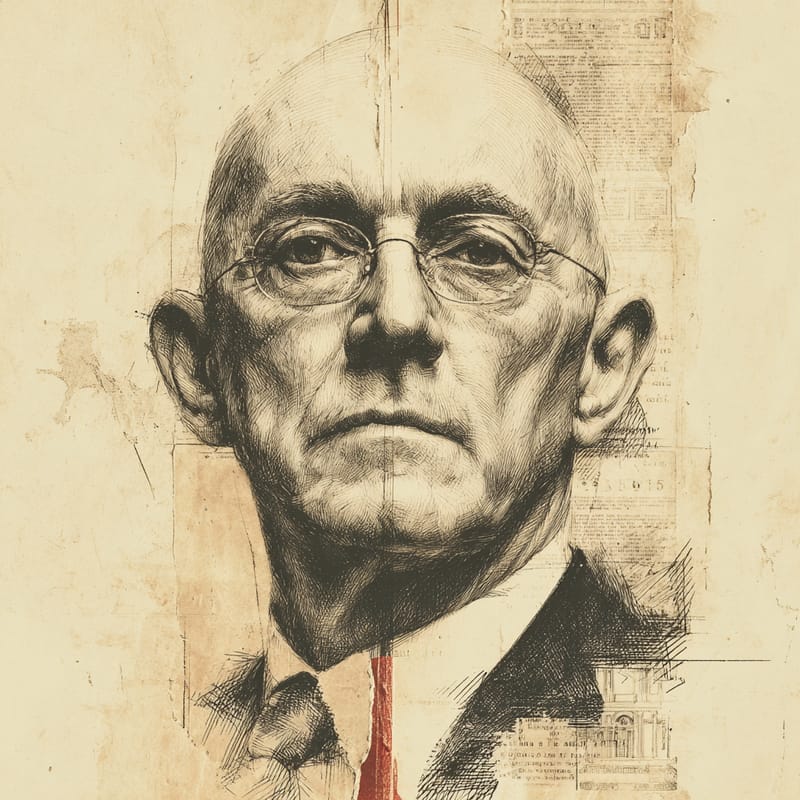
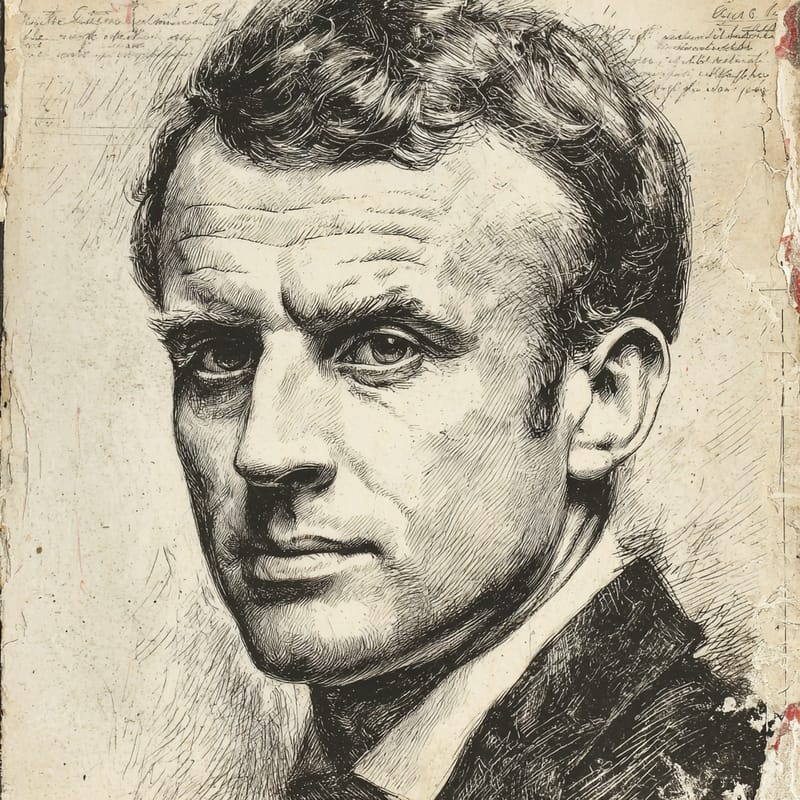
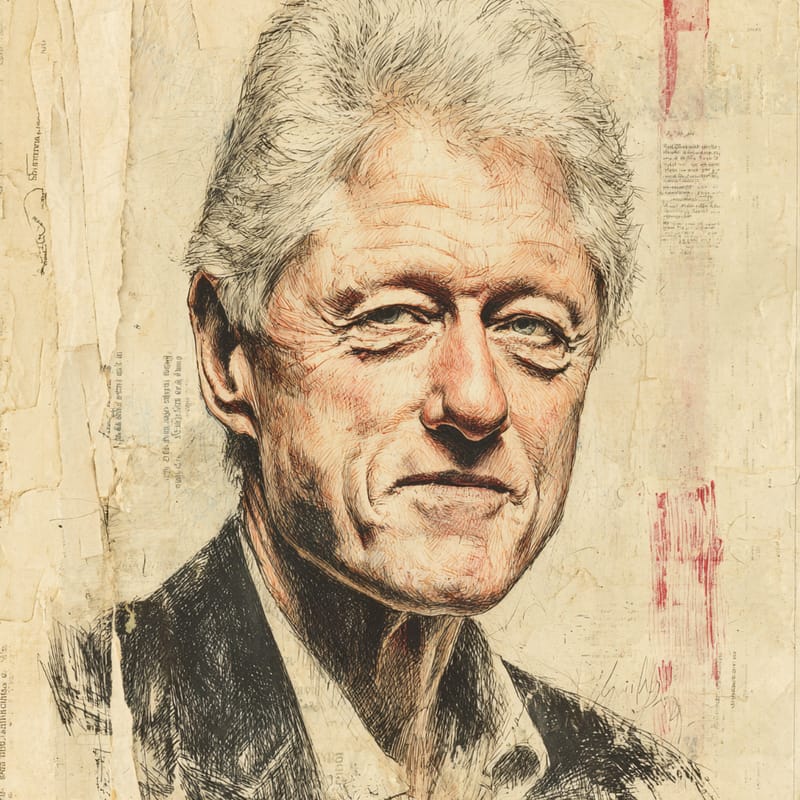
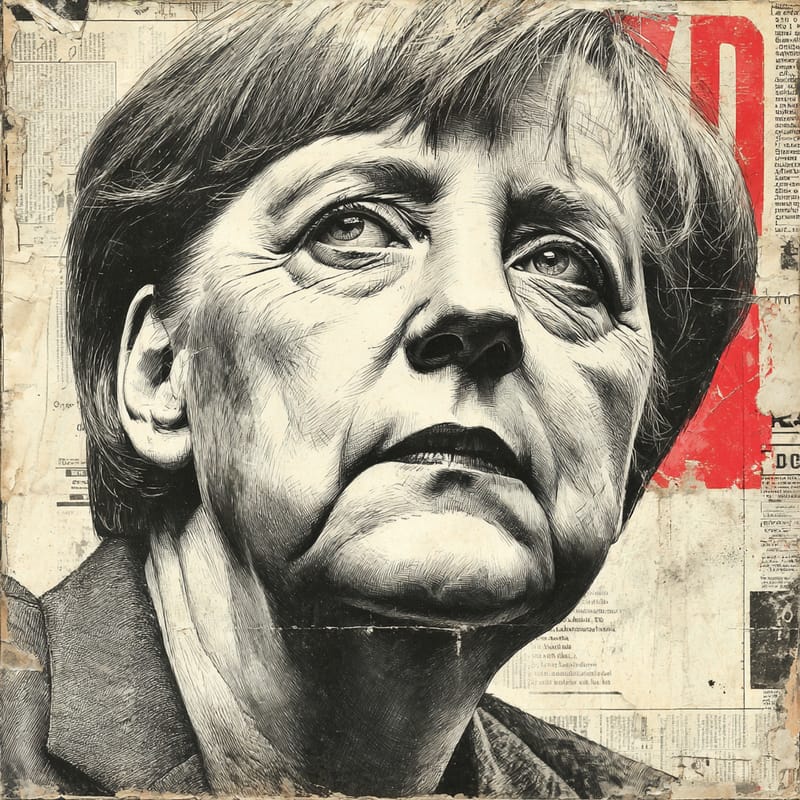

§ Also in the Neoliberal hall
Enter the hall →§ Common questions
4 answersWhat was Manmohan Singh's political ideology?
Manmohan Singh was a liberalising economist within India's Congress tradition: on the 99ideologies three-axis compass, a Neoliberal. Economically he sat moderately on the market side (+30), opening India to trade and investment in 1991 while later building rights-based welfare schemes. On governance he was at the centre (0), a parliamentary technocrat who widened access to information but also tightened anti-terror law, and socially he was mildly progressive (+8), a secular moderniser who apologised for the 1984 anti-Sikh riots.
Was Manmohan Singh left-wing or right-wing?
Centrist, with a pro-market tilt. Within Indian politics Singh belonged to the centre-left: he served the Congress party, relied on outside support from the Communist-led Left Front in his first term and enacted the rural employment guarantee and the right to food. But his defining achievement was moving India away from state planning and industrial licensing toward markets, trade and foreign investment, which the left criticised at the time. Market-leaning, democratic and mildly progressive, he fits best as a liberal reformer of the centre.
What were Manmohan Singh's 1991 economic reforms?
They were the package that ended India's Licence Raj. Facing a balance-of-payments crisis in 1991, with foreign-exchange reserves enough for only a few weeks of imports, P. V. Narasimha Rao's government, with Singh as finance minister, devalued the rupee, abolished industrial licensing for all but a short list of industries, began cutting import tariffs, opened many sectors to foreign direct investment and secured support from the IMF. Singh's budget of 24 July 1991 framed the changes, which most economists credit with India's faster growth in the decades that followed.
Which minds are closest to Manmohan Singh?
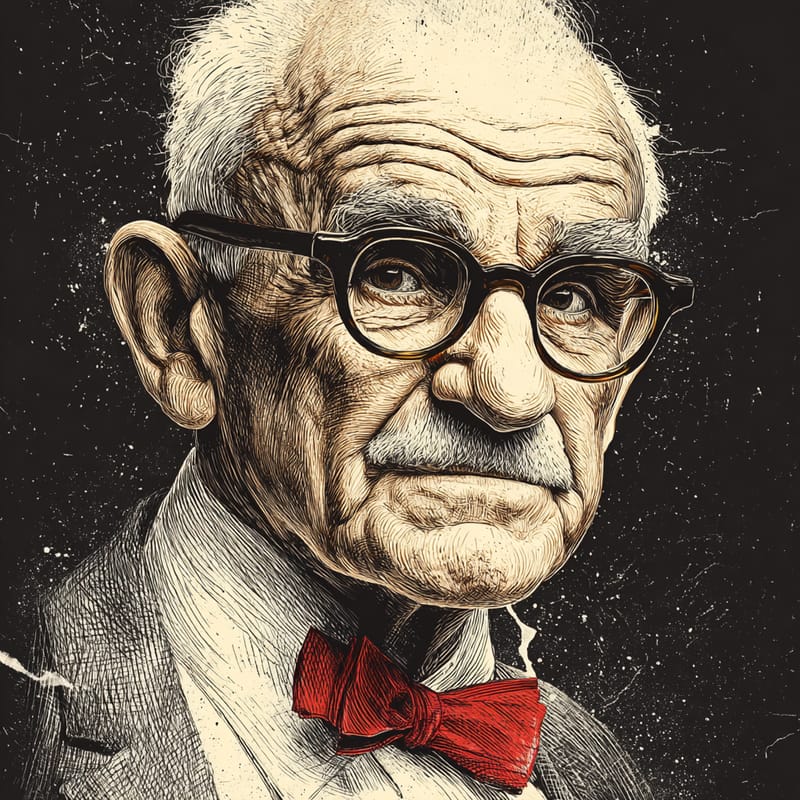
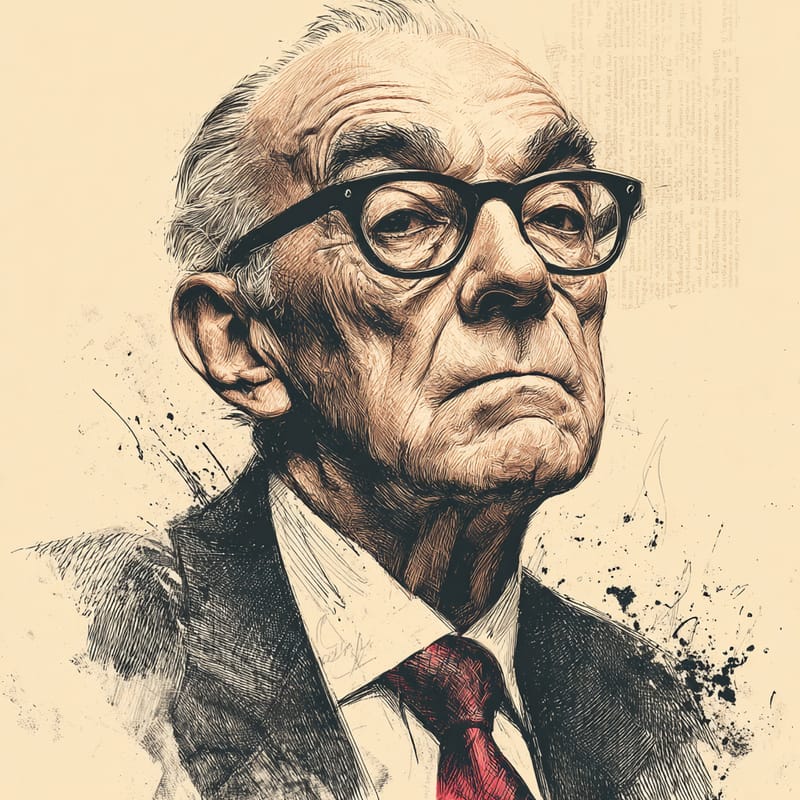
On the 99ideologies three-axis compass, the minds closest to Manmohan Singh are Robert Rubin (99% alike), Milton Friedman (97% alike) and Alan Greenspan (97% alike). The furthest is Emma Goldman (31% alike).