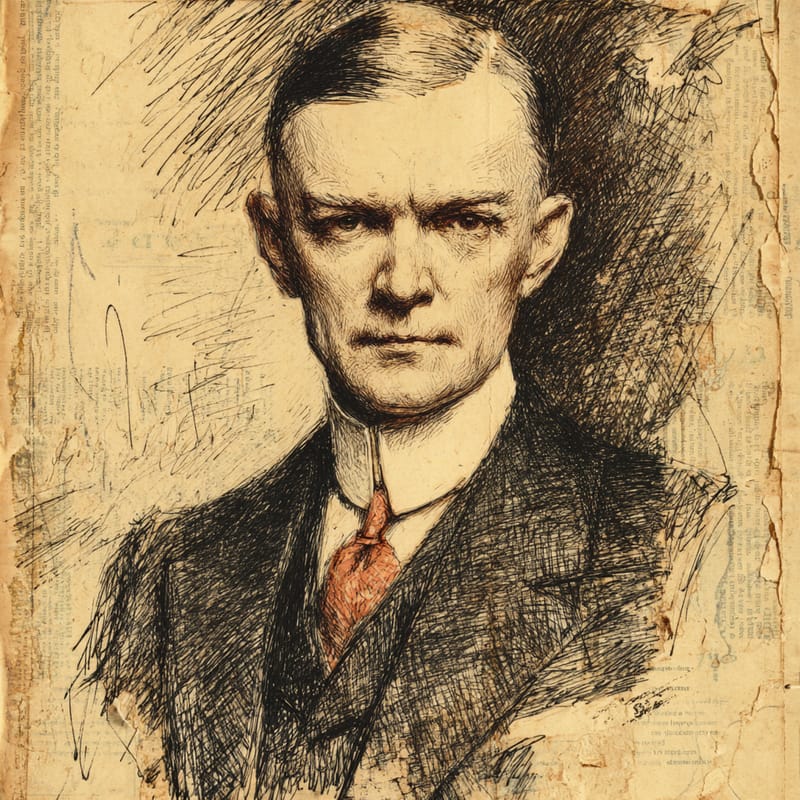
Calvin Coolidge
The business of America
Quiet government, busy markets.
Rooted Liberal CapitalistOne of 729 ideologies · enter the Liberal Capitalist hall →- Role
- President
- Era
- 1872–1933
- Region
- United States
- Social band
- Rooted
- Placement
- +35 · −16 · −28
§ Where Calvin Coolidge stands
3 axesCoolidge and Andrew Mellon cut federal income taxes through the Revenue Acts of 1924 and 1926, bringing the top rate down to 25 per cent, while running surpluses that paid down war debt. He twice vetoed the McNary–Haugen farm-relief bills, in 1927 and 1928, as government price-fixing. Yet he kept the protective Fordney–McCumber Tariff of 1922 in place, so his market creed stopped short of free trade.
Coolidge believed in a restrained presidency and strict economy in government, and he used his veto freely, rejecting the 1924 veterans' bonus, which Congress passed over his objection. He respected the separation of powers and the role of the states, yet as governor he backed the dismissal of Boston's striking police in 1919, insisting that public safety came before any right to strike.
A taciturn Vermont Yankee, Coolidge embodied old-fashioned thrift, duty and reticence. He signed the 1924 Immigration Act, which imposed national-origin quotas favouring northern and western Europeans and barred Japanese immigration, though he said he regretted the Japanese clause. The same year he signed the Indian Citizenship Act, granting citizenship to all Native Americans born in the United States.
How close are you to Calvin Coolidge?
Three statements, one per axis. Answer them and we’ll drop you on the compass next to them.
§ The story
HistoricalJohn Calvin Coolidge Jr. (1872–1933) was the 30th president of the United States, serving from 1923 to 1929. Born on the Fourth of July in Plymouth Notch, Vermont, he studied at Amherst College and practised law in Northampton, Massachusetts, climbing the ladder of state politics from city councillor and mayor to governor of Massachusetts in 1919. His firm handling of that year's Boston police strike won him national fame and the vice-presidency under Warren Harding, whom he succeeded on Harding's death in August 1923.
Coolidge steadied the administration after the Teapot Dome and other Harding-era scandals and presided over the prosperity of the mid-1920s, working with Treasury Secretary Andrew Mellon to cut income taxes, reduce the national debt and restrain spending. Famous for his brevity, he won a full term in 1924 and declined to run again in 1928. His reputation fell with the 1929 crash, as critics blamed his hands-off approach for the speculative boom, but small-government conservatives, Ronald Reagan among them, later revived him as a model president.
Notable for
- 011920s tax cuts
- 02'Silent Cal' minimalism
- 03Pro-business prosperity
Key works & moments
- 1919As governor, backs the dismissal of Boston's striking police and wins national fame.
- 1923Sworn in as president by his father, a notary public, at the family home in Vermont.
- 1924Signs the Immigration Act and the Indian Citizenship Act, then wins a full term.
- 1925Tells newspaper editors that 'the chief business of the American people is business'.
- 1926Signs the Revenue Act cutting the top income-tax rate to 25 per cent.
- 1927Vetoes the McNary–Haugen farm bill and announces he does not choose to run in 1928.
In their own words
“There is no right to strike against the public safety by anybody, anywhere, any time.”
“After all, the chief business of the American people is business.”
§ Minds closest to Calvin Coolidge
All minds →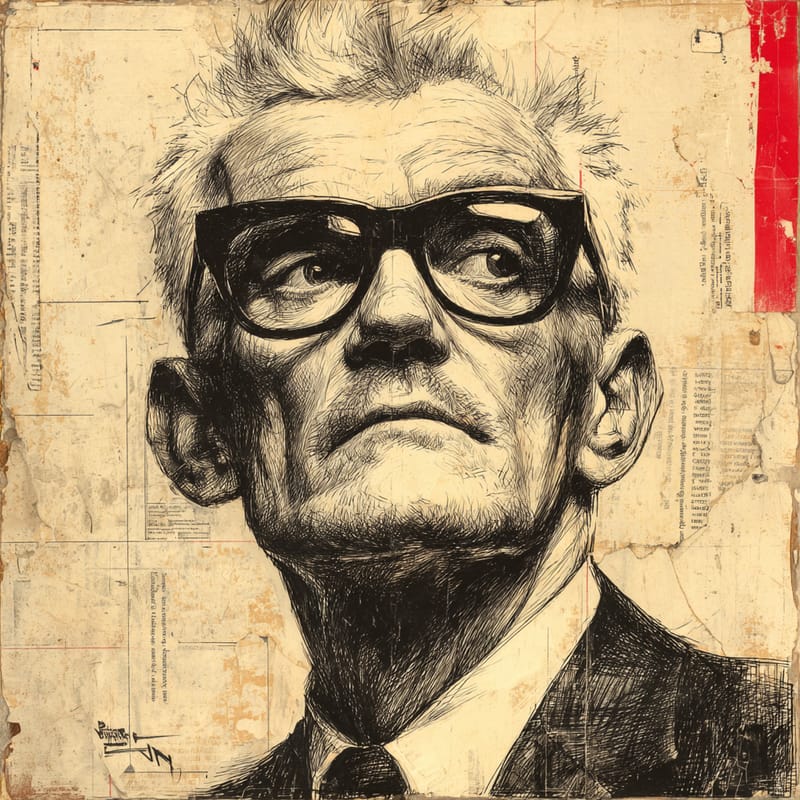

§ Also in the Liberal Capitalist hall
Enter the hall →§ Common questions
4 answersWhat was Calvin Coolidge's political ideology?
Calvin Coolidge was a small-government Republican conservative: on the 99ideologies three-axis compass, a Rooted Liberal Capitalist. Economically he sat on the market side (+35), cutting income taxes, paying down debt and vetoing farm price supports, though he kept protective tariffs. On governance he leaned libertarian (−16), favouring a restrained presidency and frugal government, and socially he was moderately traditional (−28), a reserved New Englander who signed the restrictive 1924 Immigration Act.
Was Calvin Coolidge left-wing or right-wing?
Right-wing, in the pro-business Republican tradition of the 1920s. Coolidge cut taxes on high incomes, balanced budgets, vetoed farm subsidies and a veterans' bonus, and praised business as central to American life, which makes him a hero to modern small-government conservatives. He was not hostile to every reform, signing the 1924 Indian Citizenship Act, but his overall record of low taxes, light regulation and limited federal spending sits firmly on the economic right.
Did Calvin Coolidge say 'the business of America is business'?
Not in those words. Speaking to the American Society of Newspaper Editors on 17 January 1925, Coolidge said that the chief business of the American people is business, and the line is usually shortened and misquoted. In context he was explaining why the press served a commercial public, and he went on to say that wealth should be a means rather than an end and that the chief ideal of Americans was idealism. The phrase nonetheless became a summary of 1920s pro-business politics.
Which minds are closest to Calvin Coolidge?
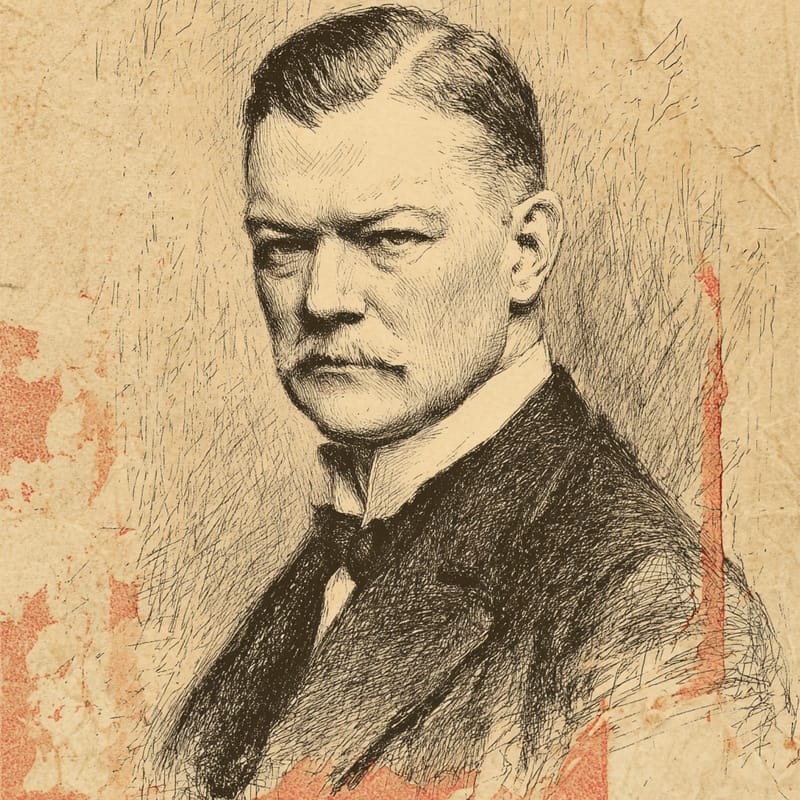
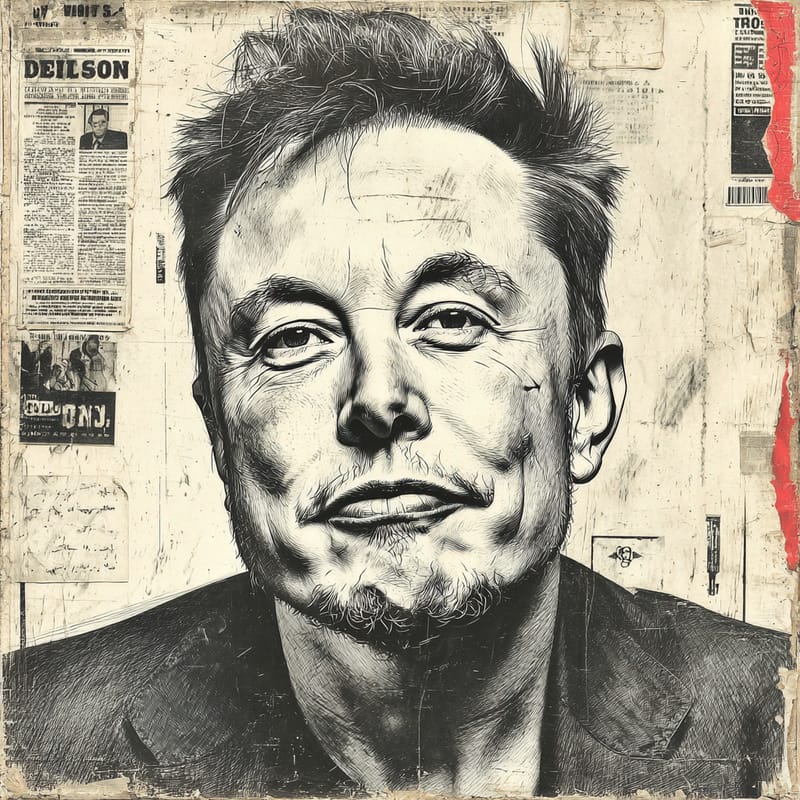
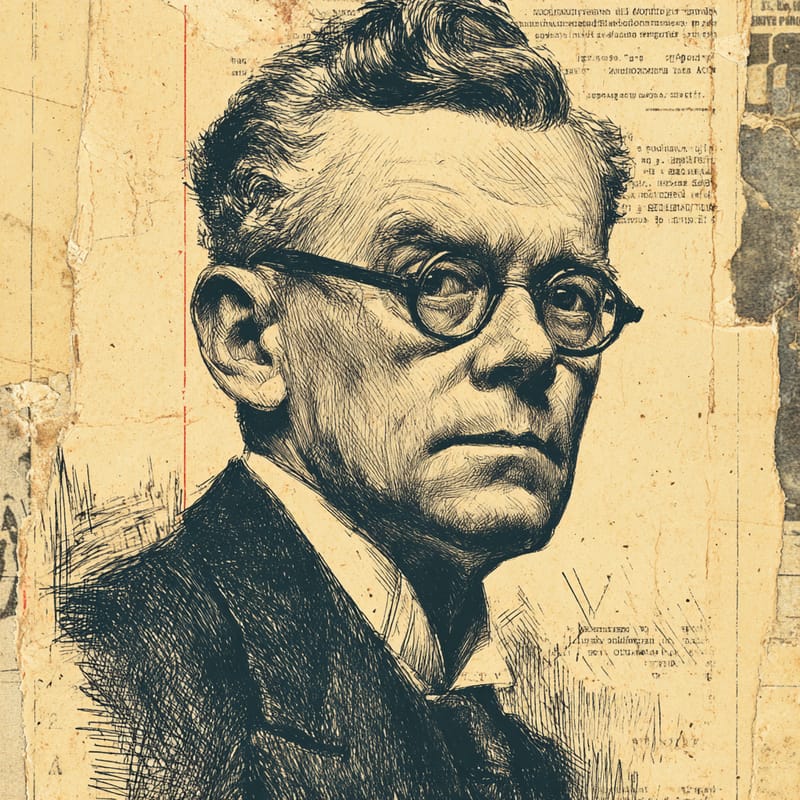
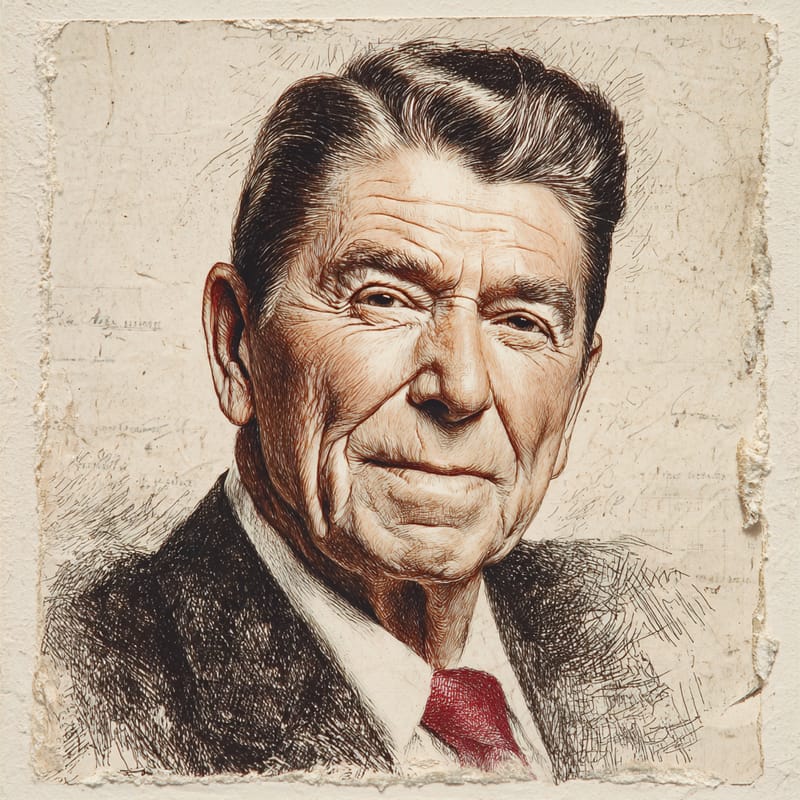
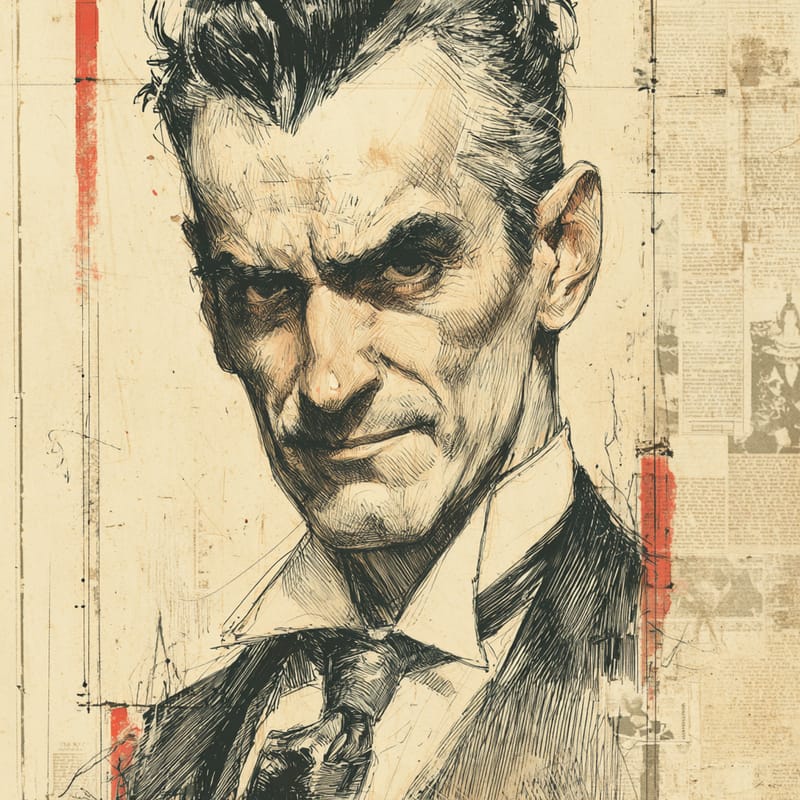
On the 99ideologies three-axis compass, the minds closest to Calvin Coolidge are Barry Goldwater (98% alike), Herbert Hoover (97% alike) and Elon Musk (95% alike). The furthest is Pol Pot (21% alike).