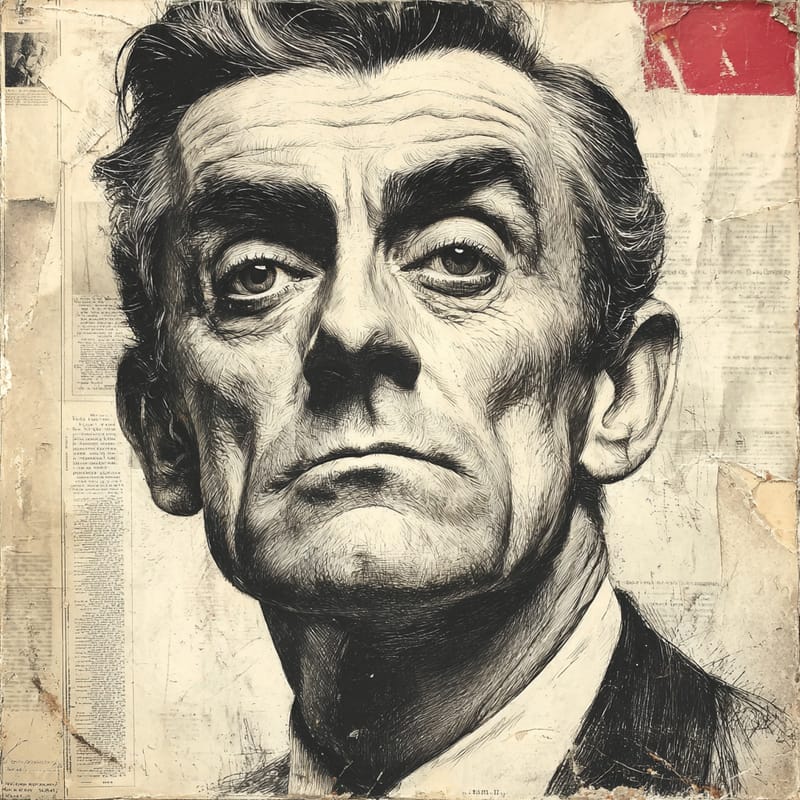
The Cabal (archetype)
Government of the owners
The state as a private asset.
Rooted OligarchistOne of 729 ideologies · enter the Oligarchist hall →- Role
- Rule by the wealthy few
- From
- Archetype
- Region
- —
- Social band
- Rooted
- Placement
- +80 · +72 · −34
§ Where The Cabal (archetype) stands
3 axesThe Cabal stands far on the market side because its power rests on private ownership of the commanding heights: land, banks, natural resources and media. Its members often gained those assets on privileged terms, as in Russia's 1995 loans-for-shares auctions, and use their influence to shield them from taxation, competition and redistribution. Markets exist, but they are tilted toward those who already own.
The Cabal rules behind a public façade. Formal institutions such as elections, parliaments or a nominal republic may survive, as in Medici Florence after 1434, but real decisions are made by the circle that funds parties, owns the press and staffs key offices. South Africa's Zondo Commission, which reported in 2022, documented how private interests secured influence over ministerial appointments and state companies.
The archetype prefers hierarchy and deference to social change. Oligarchies tend to preserve the inherited order that protects their position, as Venice did when the Serrata of 1297 closed its Great Council to all but established families, later recorded in the Golden Book of noble lineages. Its outlook is conservative because the existing order is, in effect, its property.
How close are you to The Cabal (archetype)?
Three statements, one per axis. Answer them and we’ll drop you on the compass next to them.
§ The story
ArchetypeThe Cabal is the archetype of oligarchy: rule by a small circle of the very wealthy who own the commanding heights of the economy and treat the state as an instrument of their interests. Aristotle defined oligarchy in his Politics as government by the rich for their own benefit, and history offers many cases, from the Thirty Tyrants of Athens in 404 BC and Venice's closed patriciate after 1297 to the bankers of 1990s Russia and the state capture documented by South Africa's Zondo Commission in 2022.
The archetype recurs because wealth and power attract each other in every system, whether through campaign finance, privatisation auctions or family control of national industries; in 1911 Robert Michels named a related tendency the iron law of oligarchy, arguing that large organisations end up ruled by a few. It reveals the gap between formal and real power. The same image also fuels conspiracy theories, from the forged Protocols of the Elders of Zion to modern fantasies of secret world government, which turn documented oligarchy into imaginary plots by scapegoated groups.
Notable for
- 01Rule of the few
- 02State capture
- 03Concentrated wealth
Key works & moments
- 404 BCThe Thirty Tyrants, a pro-Spartan oligarchy, briefly rule Athens after its defeat in the Peloponnesian War.
- 1297Venice's Serrata closes the Great Council to all but established families.
- 1911Robert Michels publishes Political Parties, formulating the iron law of oligarchy.
- 1996Russia's leading bankers bankroll Boris Yeltsin's re-election and gain sweeping influence.
- 2022South Africa's Zondo Commission completes its report on state capture.
§ Minds closest to The Cabal (archetype)
All minds →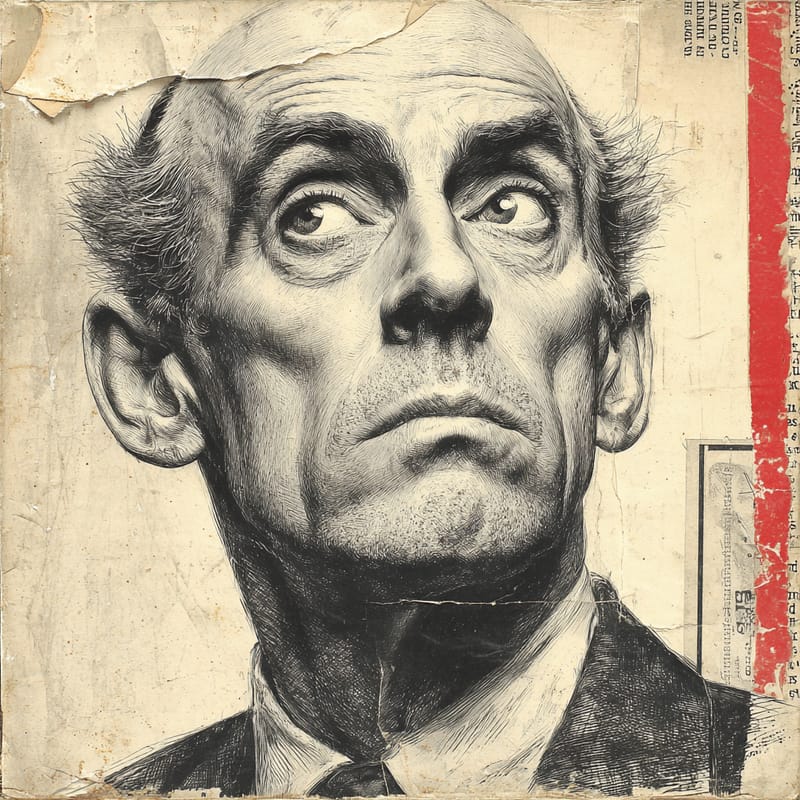

§ Also in the Oligarchist hall
Enter the hall →§ Common questions
4 answersWhat is the Cabal's political ideology?
The Cabal stands for oligarchy, rule by and for a small circle of the wealthy: on the 99ideologies three-axis compass, a Rooted Oligarchist. Economically it sits far toward the market (+80), because its power rests on private ownership of land, banks, resources and media. On governance it is strongly authoritarian (+72), exercising power behind a public façade, and socially it is mildly traditional (−34), preserving the hierarchy and deference that protect its position.
Is the Cabal left-wing or right-wing?
Mostly right-wing in its economic and social outlook, though oligarchy can attach itself to almost any regime. The Cabal defends private wealth, low taxation and inherited hierarchy, positions associated with the right, and fears redistribution. But concentrated wealth has captured left-wing and post-communist governments too, as Russia's privatisations of the 1990s showed. What defines the Cabal is not ideology but the use of money to command the state.
What is the difference between oligarchy and plutocracy?
Oligarchy means rule by the few, whatever the source of their power; plutocracy means rule specifically by the rich. Aristotle already blurred the two, defining oligarchy in the Politics as rule by the wealthy in their own interest, as opposed to aristocracy, rule by the best for the common good. In modern usage oligarchy often refers to tycoons who gained assets through political connections, as in post-Soviet Russia, while plutocracy describes any system in which money dominates politics.
Which minds are closest to The Cabal (archetype)?
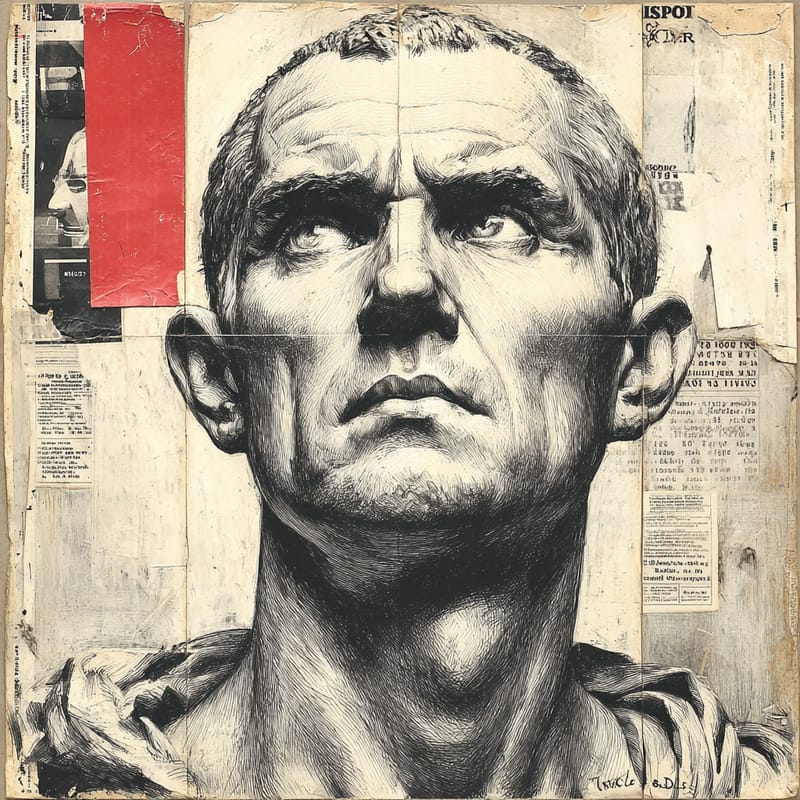
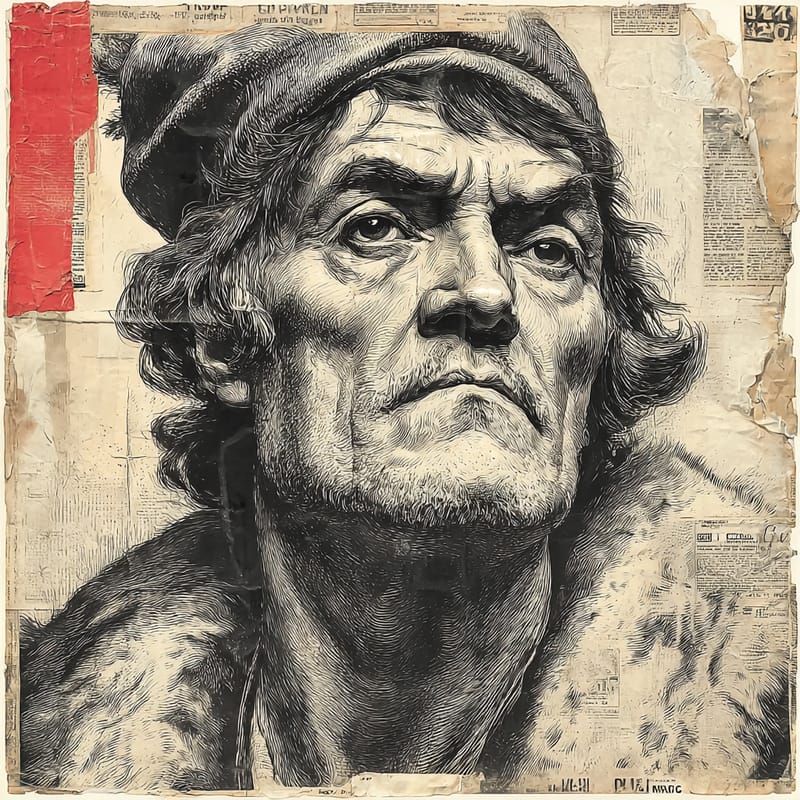
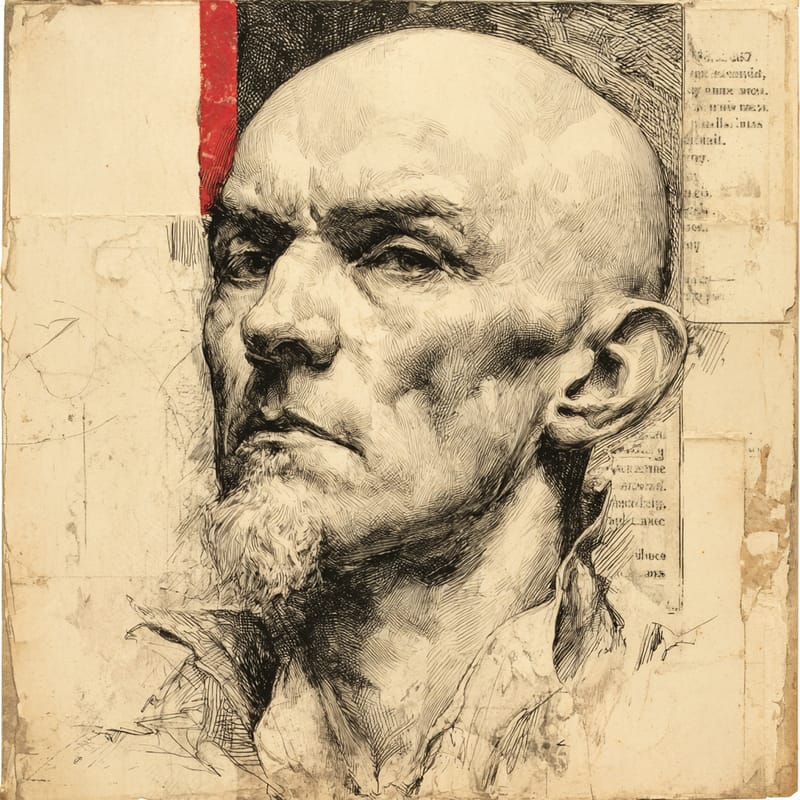
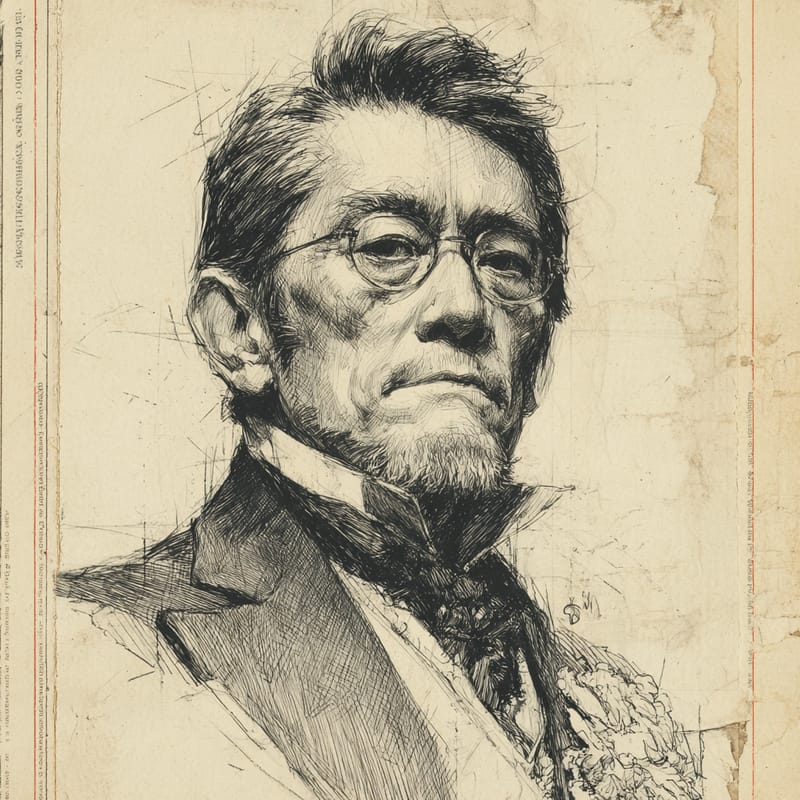
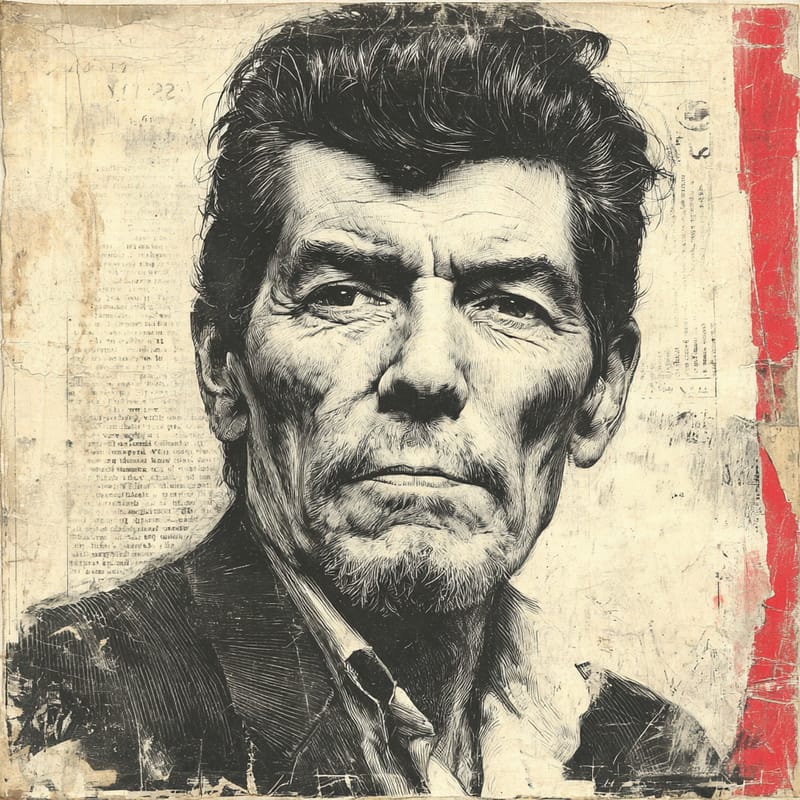
On the 99ideologies three-axis compass, the minds closest to The Cabal (archetype) are Boris Berezovsky (97% alike), Marcus Licinius Crassus (97% alike) and Cosimo de' Medici (96% alike). The furthest is Emma Goldman (0% alike).