The Strongman Reformer (archetype)
Reform without the voters
The market, imposed from above.
Traditional FujimoristOne of 729 ideologies · enter the Fujimorist hall →- Role
- Authoritarian liberaliser
- From
- Archetype
- Region
- —
- Social band
- Traditional
- Placement
- +90 · +72 · −38
§ Where The Strongman Reformer (archetype) stands
3 axesThe Strongman Reformer drives the economy toward the market pole in a single burst of privatisation, deregulation, trade opening and price liberalisation. Chile from 1975 cut tariffs to a uniform 10 per cent by 1979 and privatised pensions in 1980, while Peru's 1990 Fujishock freed prices overnight. The state withdraws from ownership but keeps the coercive power to hold the reforms in place.
The archetype treats democratic checks as obstacles to efficient reform. Pinochet ruled by decree after dissolving Congress in 1973 and entrenched his model in the 1980 constitution, and Fujimori closed Congress and purged the courts in the self-coup of 5 April 1992. Technocrats design policy while the military or intelligence services guarantee order and suppress opposition parties, unions and protest.
The archetype pairs economic liberalism with an appeal to order, nation and tradition rather than with social liberalism. Chile's junta cast its rule as a defence of Western Christian civilisation against Marxism and in 1989 abolished therapeutic abortion, leaving a total ban that lasted until 2017. Patriotism, family and discipline are invoked to justify the sacrifices that rapid reform demands.
How close are you to The Strongman Reformer (archetype)?
Three statements, one per axis. Answer them and we’ll drop you on the compass next to them.
§ The story
ArchetypeThe Strongman Reformer is the archetype of authoritarian free-market reform: a ruler who suspends or bypasses democratic constraints to impose rapid liberalisation, promising prosperity and order in exchange for political freedom. Its defining cases are Augusto Pinochet's Chile after the 1973 coup, where economists trained in Chicago dismantled state controls, and Alberto Fujimori's Peru, where the 1992 self-coup followed the 1990 shock programme. Turkey's military regime of 1980–83 and Boris Yeltsin's decree rule after he dissolved parliament in 1993 offer partial parallels.
The model recurs because radical reform imposes concentrated, immediate pain for diffuse, delayed gains, and rulers tempted to skip the bargaining that democracy requires can claim efficiency. Friedrich Hayek told a Chilean newspaper in 1981 that he preferred a liberal dictator to a democratic government lacking liberalism, a remark that still frames the debate. The archetype exposes the tension between economic and political liberalism, and its record, from Chile's growth to its human rights abuses, remains intensely disputed.
Notable for
- 01Shock reform
- 02Suspended democracy
- 03Technocrat-strongman pact
Key works & moments
- 1973Augusto Pinochet's coup overthrows Salvador Allende's government in Chile.
- 1975Chile's junta launches shock treatment under economists trained at the University of Chicago.
- 1980Chile's new constitution entrenches military rule and free-market institutions.
- 1990Peru's Fujishock frees prices and launches sweeping liberalisation.
- 1992Alberto Fujimori dissolves Peru's Congress in a self-coup on 5 April.
- 1993Boris Yeltsin dissolves Russia's parliament by decree and uses tanks to crush its resistance.
§ Minds closest to The Strongman Reformer (archetype)
All minds →
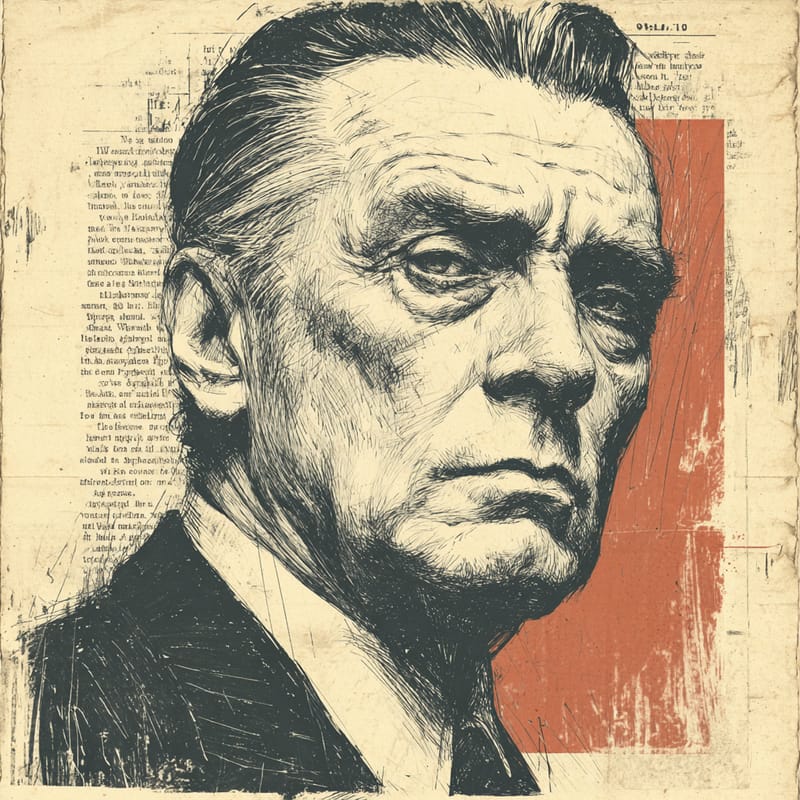
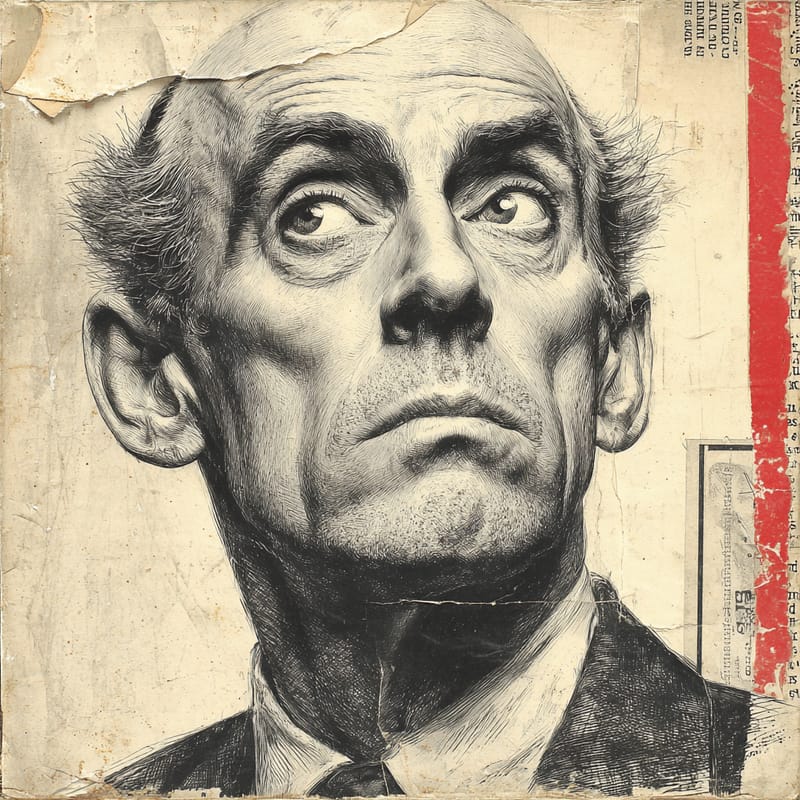
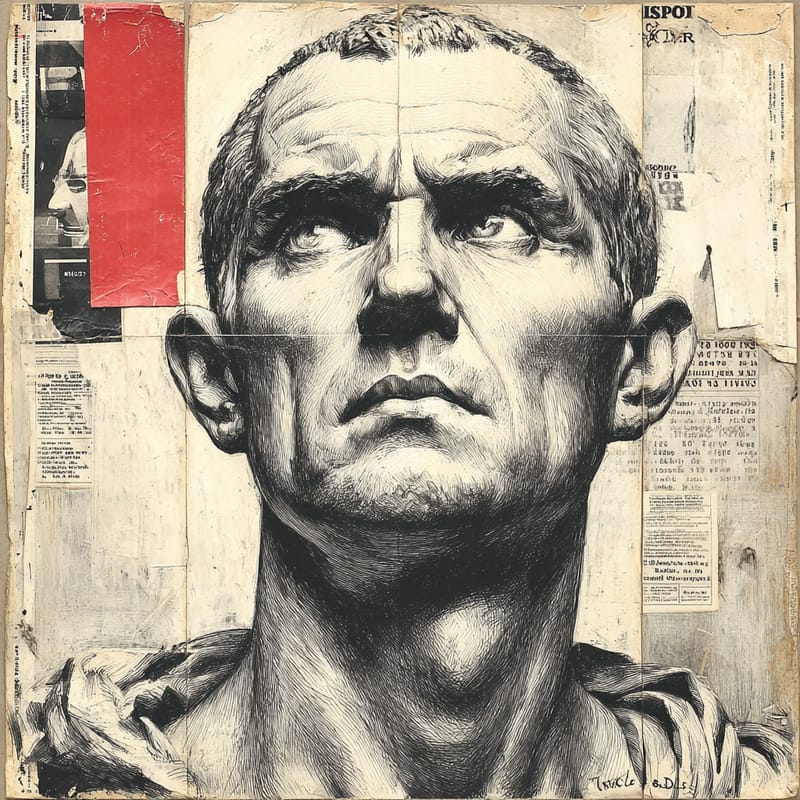

§ Also in the Fujimorist hall
Enter the hall →The closest minds above are this hall’s whole roster.
§ Common questions
4 answersWhat is the Strongman Reformer's political ideology?
The Strongman Reformer stands for authoritarian neoliberalism, free-market reform imposed without democratic consent: on the 99ideologies three-axis compass, a Traditional Fujimorist. Economically it sits close to the market extreme (+90), privatising and deregulating in a single burst. On governance it is strongly authoritarian (+72), suspending congresses, courts and unions to protect the reforms, and socially it is traditional (−38), justifying its rule through order, nation and family.
Is the Strongman Reformer left-wing or right-wing?
Right-wing. The archetype combines the economic programme of the free-market right with the authoritarian methods and nationalist rhetoric of the conservative right, and its historical cases, from Pinochet's Chile to Fujimori's Peru, were bitterly opposed by the left, whose parties and unions they repressed. Some defenders call it liberal because of its economics, but its contempt for political freedom separates it from liberal democracy.
What is authoritarian neoliberalism?
Authoritarian neoliberalism is the use of undemocratic power to impose and protect free-market policies. The term is applied above all to Chile under Pinochet, whose junta privatised industry and pensions after the 1973 coup while banning parties and persecuting opponents, and to Peru under Fujimori after the 1992 self-coup. Scholars also use it more loosely for democracies that shield economic policy from voters through decrees, emergency powers or independent technocratic bodies.
Which minds are closest to The Strongman Reformer (archetype)?
On the 99ideologies three-axis compass, the minds closest to The Strongman Reformer (archetype) are Alberto Fujimori (97% alike), The Cabal (archetype) (96% alike) and Carlos Menem (95% alike). The furthest is Emma Goldman (0% alike).