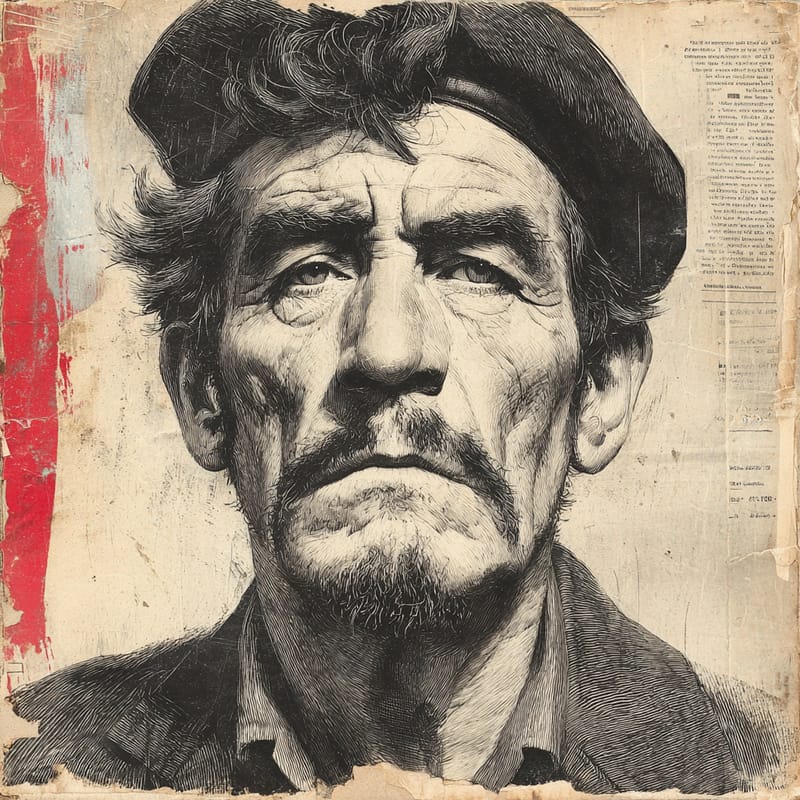
Saddam Hussein
The cult of the strongman
Ba'athism turned to total dictatorship.
Rooted Ba'athistOne of 729 ideologies · enter the Ba'athist hall →- Role
- President
- Era
- 1937–2006
- Region
- Iraq
- Social band
- Rooted
- Placement
- −46 · +86 · −22
§ Where Saddam Hussein stands
3 axesSaddam's Iraq was an oil-funded state economy. As vice-president he drove the 1972 nationalisation of the Iraq Petroleum Company and used the oil boom to pay for free education, health care, electrification and a vast public sector. In 1987 he launched a privatisation drive, selling state farms and factories, and under the sanctions of the 1990s the economy decayed into rationing, smuggling and patronage.
Saddam's dictatorship was among the most brutal of its era. Days after becoming president in July 1979 he purged the party at a filmed meeting in al-Khuld Hall, after which more than twenty senior members were executed. A personality cult, overlapping secret police agencies, torture and mass executions followed, including the 1988 poison gas attack on Halabja that killed some 5,000 Kurds.
Saddam began as a secular moderniser, expanding schooling and women's employment, but grew more traditional as his power was challenged. Around the 1991 war he had the words God is great added to the Iraqi flag, leaned increasingly on tribal sheikhs, and in 1993 launched a national Faith Campaign that promoted Islamic observance and restricted public drinking.
How close are you to Saddam Hussein?
Three statements, one per axis. Answer them and we’ll drop you on the compass next to them.
§ The story
HistoricalSaddam Hussein (1937–2006) ruled Iraq from 1979 until 2003. Born near Tikrit and raised partly by his uncle Khairallah Talfah, he joined the Ba'ath Party in 1957, took part in a failed attempt to assassinate Prime Minister Abd al-Karim Qasim in 1959 and fled to Syria and Egypt. Back in Iraq after 1963, he was jailed, escaped and helped organise the 1968 coup. As vice-chairman of the Revolutionary Command Council he controlled the security services and became the real power behind President al-Bakr before succeeding him in 1979.
Saddam's rule was defined by war and terror. He invaded Iran in 1980, beginning an eight-year war that killed hundreds of thousands; his Anfal campaign against the Kurds in 1986–89, including the 1988 chemical attack on Halabja, killed tens of thousands; and his 1990 invasion of Kuwait led to defeat in the 1991 Gulf War and years of UN sanctions. A US-led invasion in 2003 toppled him. Captured that December, he was tried by an Iraqi tribunal for the 1982 Dujail killings and hanged on 30 December 2006.
Notable for
- 01Iraqi Ba'athist dictatorship
- 02Iran–Iraq War
- 03Personality cult
Key works & moments
- 1968Helps lead the 17 July coup that brings the Ba'ath Party to power.
- 1979Becomes president and purges the party at a filmed meeting in Baghdad's al-Khuld Hall.
- 1980Invades Iran, starting an eight-year war that kills hundreds of thousands.
- 1988The Halabja chemical attack kills some 5,000 Kurds during the Anfal campaign.
- 1990Invades and annexes Kuwait, provoking the US-led Gulf War of 1991.
- 2006Hanged in Baghdad on 30 December after conviction for the 1982 Dujail killings.
§ Minds closest to Saddam Hussein
All minds →

§ Also in the Ba'athist hall
Enter the hall →§ Common questions
4 answersWhat was Saddam Hussein's political ideology?
Saddam Hussein was a Ba'athist who turned the party's Arab nationalism and state socialism into a personal dictatorship: on the 99ideologies three-axis compass, a Rooted Ba'athist. Economically he sat left of centre (−46), running an oil-funded state economy greased by patronage. On governance he was extremely authoritarian (+86), ruling through a personality cult, secret police and mass terror. Socially he leaned traditional (−22), shifting from secular modernisation to tribalism and religious appeals.
Was Saddam Hussein left-wing or right-wing?
Neither label captures him well. His Ba'ath Party called itself socialist, nationalised oil and built a welfare state, and Iraq was aligned with the Soviet Union in the 1970s, which points left. But he crushed Iraqi communists, received Western and Gulf support during the war with Iran, and ruled as a nationalist strongman relying on clan and later religion. Most analysts describe him as an authoritarian Arab nationalist rather than a leftist or a conservative.
Did Saddam Hussein have weapons of mass destruction?
He once did, but not by 2003. Iraq used chemical weapons against Iranian troops and against Kurds at Halabja in the 1980s, and pursued nuclear and biological programmes. After the 1991 Gulf War UN inspectors dismantled much of this capacity, and the US-led Iraq Survey Group concluded in 2004 that Iraq had destroyed its illicit stockpiles in the early 1990s, although Saddam hoped to revive the programmes once sanctions ended. The weapons claims used to justify the 2003 invasion proved wrong.
Which minds are closest to Saddam Hussein?
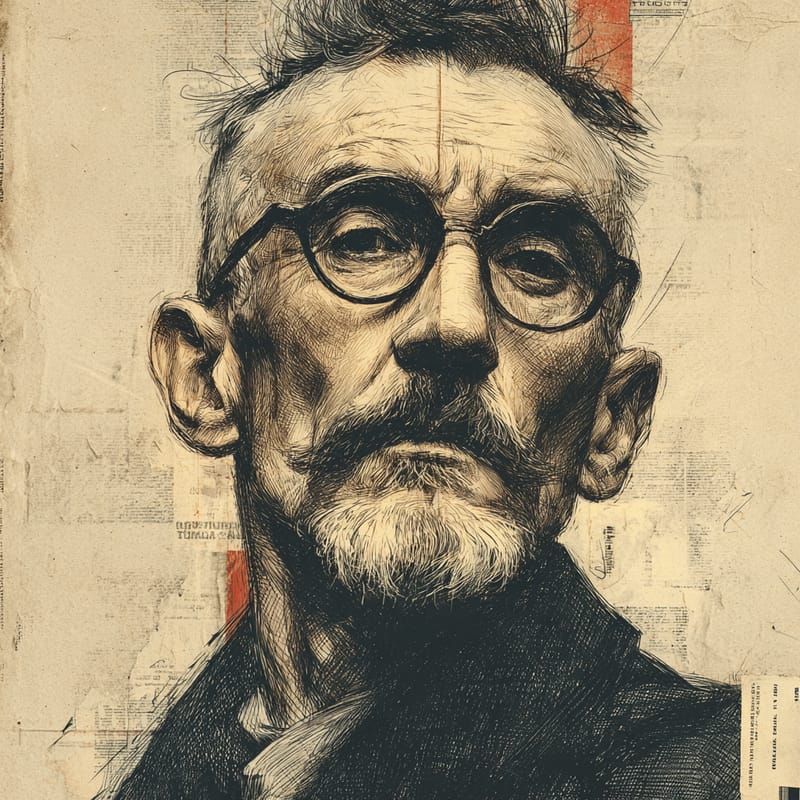
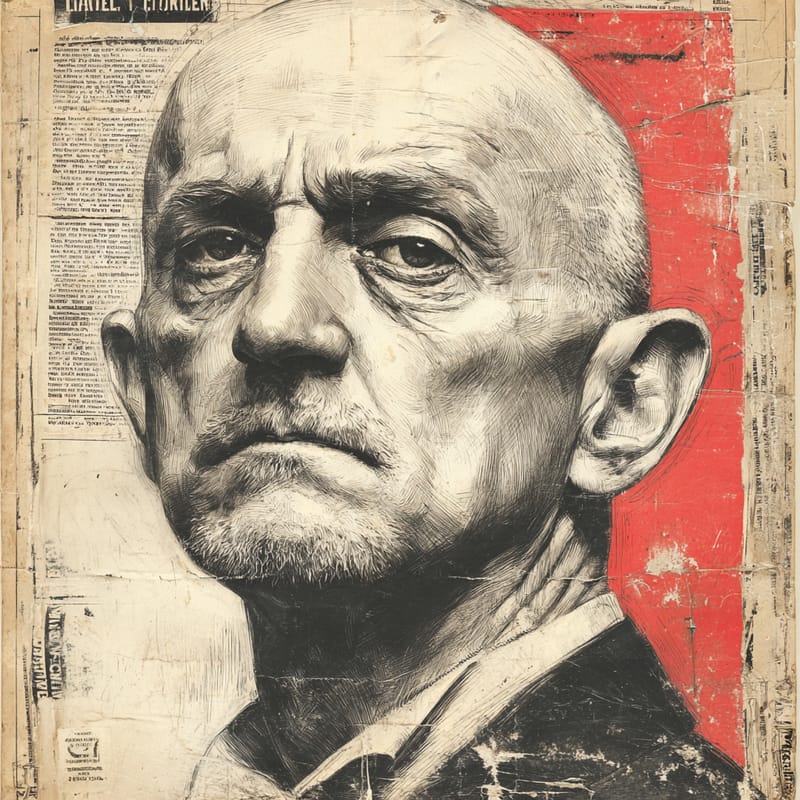
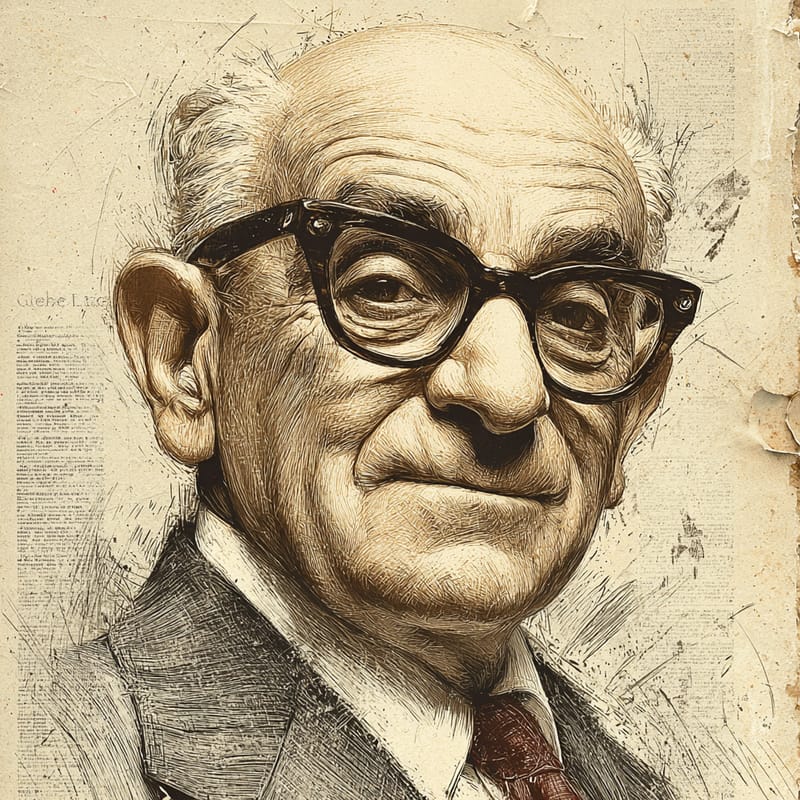
On the 99ideologies three-axis compass, the minds closest to Saddam Hussein are Hafez al-Assad (98% alike), Ahmed Hassan al-Bakr (94% alike) and Walter Ulbricht (94% alike). The furthest is Murray Rothbard (7% alike).