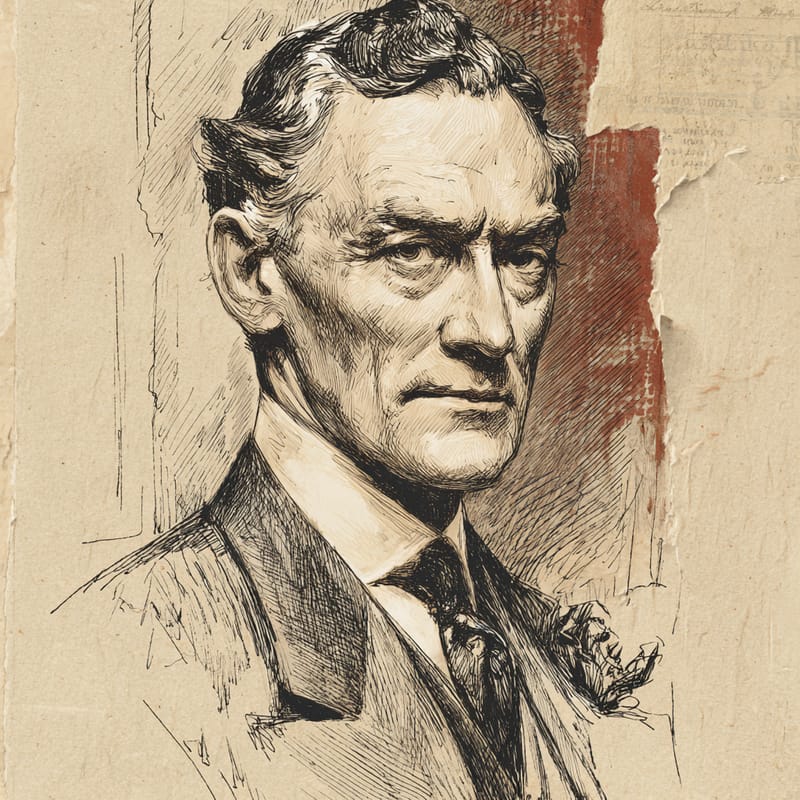
Pierre Trudeau
The just society
Charter rights and a confident liberalism.
Reformist LiberalOne of 729 ideologies · enter the Liberal hall →- Role
- Prime Minister
- Era
- 1919–2000
- Region
- Canada
- Social band
- Reformist
- Placement
- −26 · +6 · +60
§ Where Pierre Trudeau stands
3 axesTrudeau favoured an active, redistributive federal state in a mixed economy, creating the state oil company Petro-Canada in 1975, screening foreign takeovers through the Foreign Investment Review Agency, established in 1973, and launching the National Energy Program in 1980 to raise Canadian ownership of the oil industry. He also imposed wage and price controls in 1975, yet never challenged private enterprise as the core of the economy.
A liberal constitutionalist, Trudeau entrenched individual rights against government through the 1982 Charter of Rights and Freedoms. Yet he was also a forceful centraliser who invoked the War Measures Act in October 1970, suspending civil liberties after kidnappings by the Front de libération du Québec. That mix of rights-based liberalism and readiness to use emergency power places him slightly on the authoritarian side of the centre.
Trudeau was strongly progressive on personal freedom. As justice minister he introduced the omnibus Criminal Law Amendment Act, passed in 1969, which decriminalised homosexual acts between consenting adults in private and liberalised the law on abortion and contraception. His 1971 multiculturalism policy redefined Canadian identity, and he insisted that private morality was not the business of the criminal law.
How close are you to Pierre Trudeau?
Three statements, one per axis. Answer them and we’ll drop you on the compass next to them.
§ The story
HistoricalPierre Elliott Trudeau (1919–2000) was prime minister of Canada from 1968 to 1979 and from 1980 to 1984. Born into a wealthy Montreal family, he studied law at the Université de Montréal before graduate study at Harvard, in Paris and at the London School of Economics. In 1950 he co-founded the journal Cité Libre, which attacked Maurice Duplessis's conservative Quebec government, and he entered federal politics as a Liberal in 1965, becoming justice minister in 1967 and succeeding Lester Pearson as party leader and prime minister in 1968.
Trudeau's Canada adopted official bilingualism in 1969, an official multiculturalism policy in 1971 and, in 1982, a patriated constitution containing the Canadian Charter of Rights and Freedoms, his central legacy. He fought Quebec separatism and helped defeat the 1980 sovereignty referendum, but Quebec's government never endorsed the 1982 constitution. His invocation of the War Measures Act during the 1970 October Crisis, which led to the detention of hundreds of people without charge, remains contested, as does his National Energy Program of 1980, deeply resented in western Canada.
Notable for
- 01Charter of Rights and Freedoms
- 02Official multiculturalism
- 03Decriminalised homosexuality
Key works & moments
- 1950Co-founds Cité Libre, a journal opposing Maurice Duplessis's conservative rule in Quebec.
- 1967As justice minister, introduces an omnibus bill decriminalising homosexuality and liberalising abortion law.
- 1968Becomes Liberal leader and prime minister amid Trudeaumania, then wins a majority in June.
- 1970Invokes the War Measures Act during the October Crisis after FLQ kidnappings.
- 1971Announces a policy of official multiculturalism within a bilingual framework.
- 1982Patriates the constitution with the Canadian Charter of Rights and Freedoms.
In their own words
“There's no place for the state in the bedrooms of the nation.”
§ Minds closest to Pierre Trudeau
All minds →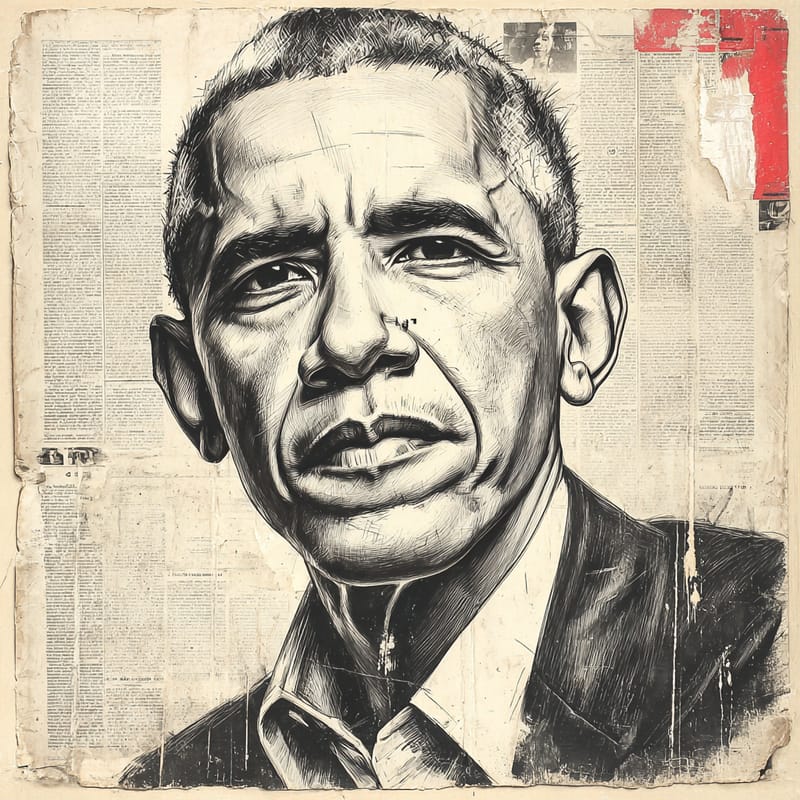

§ Also in the Liberal hall
Enter the hall →§ Common questions
4 answersWhat was Pierre Trudeau's political ideology?
Pierre Trudeau was a rights-based liberal: on the 99ideologies three-axis compass, a Reformist Liberal. Economically he sat left of centre (−26), building an interventionist federal state with Petro-Canada and the National Energy Program inside a market economy. On governance he was slightly on the authoritarian side of the centre (+6), entrenching a Charter of Rights while invoking emergency powers in 1970, and socially he was strongly progressive (+60), from decriminalising homosexuality to official multiculturalism.
Was Pierre Trudeau left-wing or right-wing?
Centre-left. Trudeau's economic nationalism, wage and price controls and expansion of federal programmes put him to the left of Canadian conservatives, and his social reforms made him a symbol of liberal modernity. But he was a liberal individualist rather than a socialist, sceptical of collective nationalism in Quebec and willing to use firm state power in a crisis, so he belongs to the progressive wing of liberalism rather than to the democratic socialist left.
Why did Pierre Trudeau invoke the War Measures Act?
Because in October 1970 the Front de libération du Québec kidnapped the British diplomat James Cross and the Quebec minister Pierre Laporte, whom it later murdered. At the request of Quebec and Montreal authorities, Trudeau invoked the War Measures Act, its only use in peacetime, banning the FLQ, deploying troops and allowing arrests without charge. Hundreds of people were detained, most of whom were never charged, and critics have argued ever since that the response was disproportionate.
Which minds are closest to Pierre Trudeau?
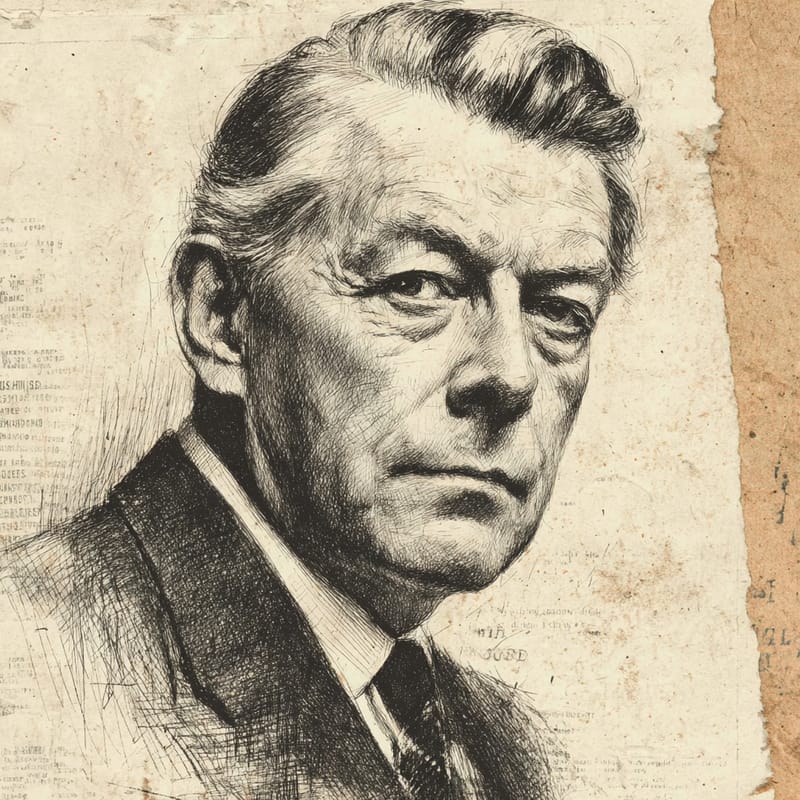
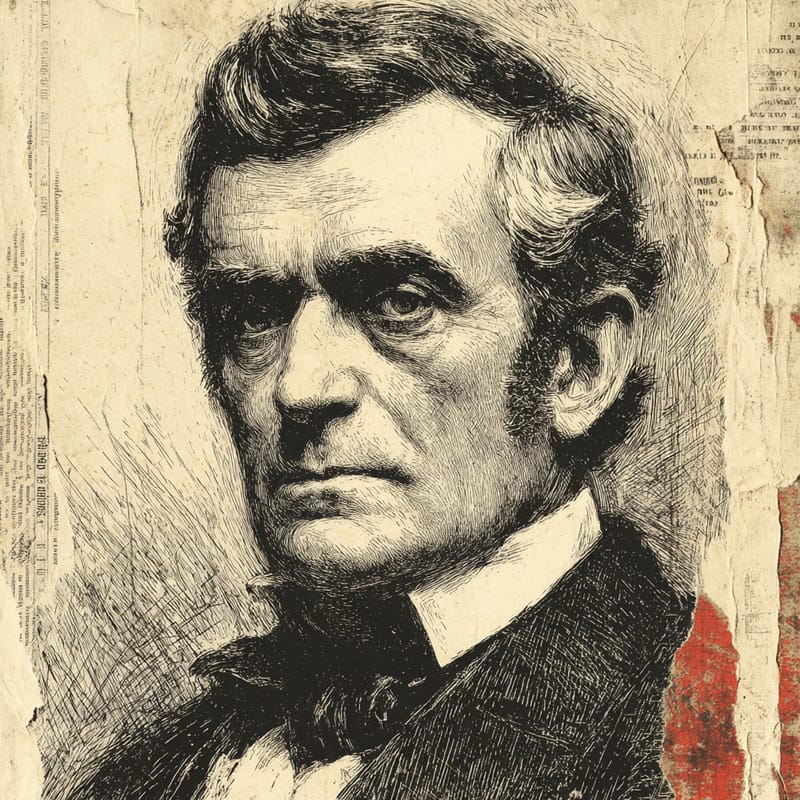
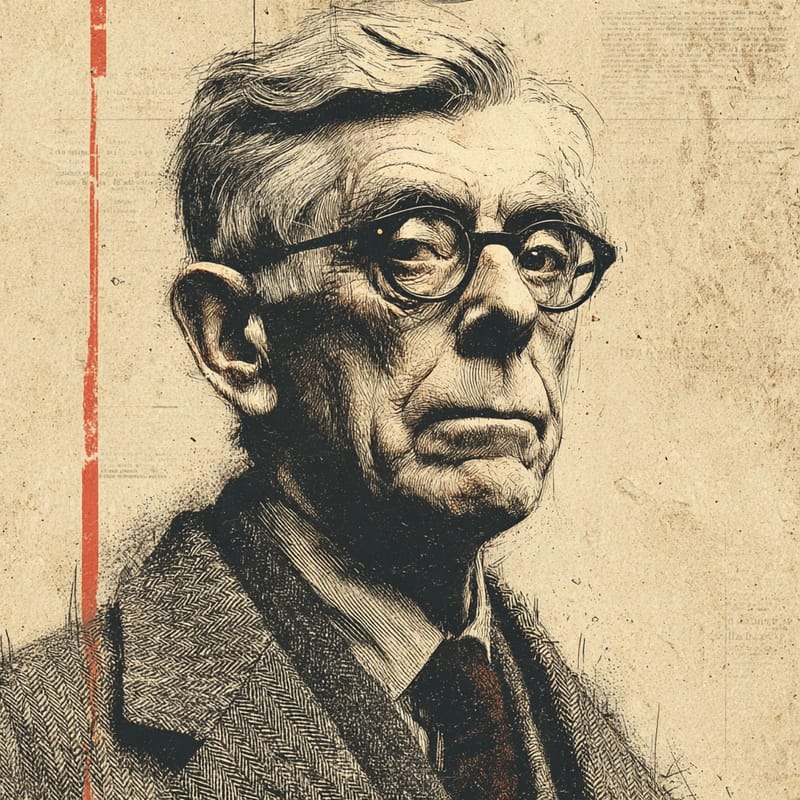
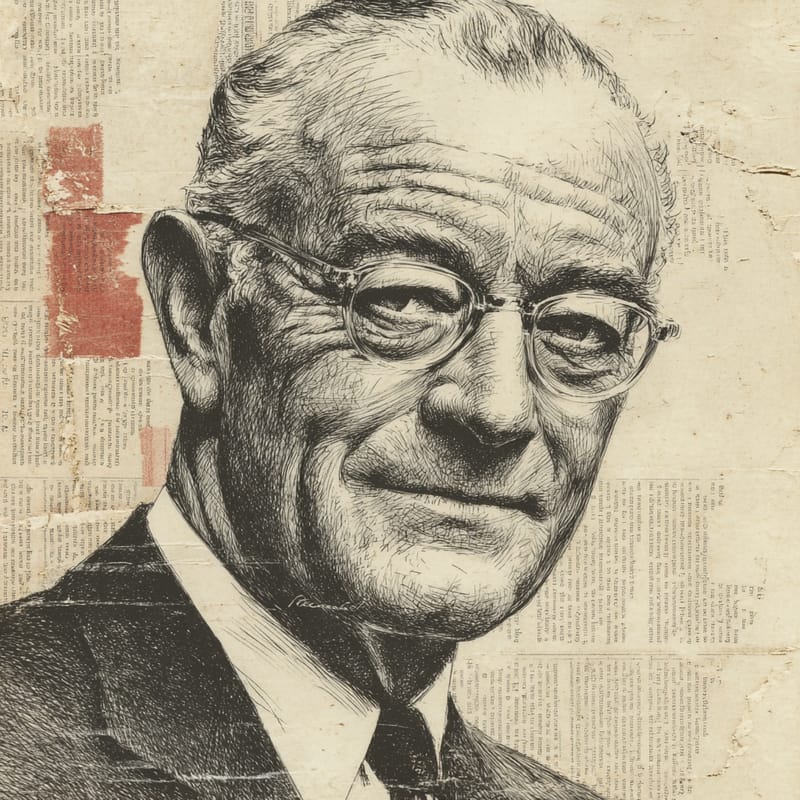
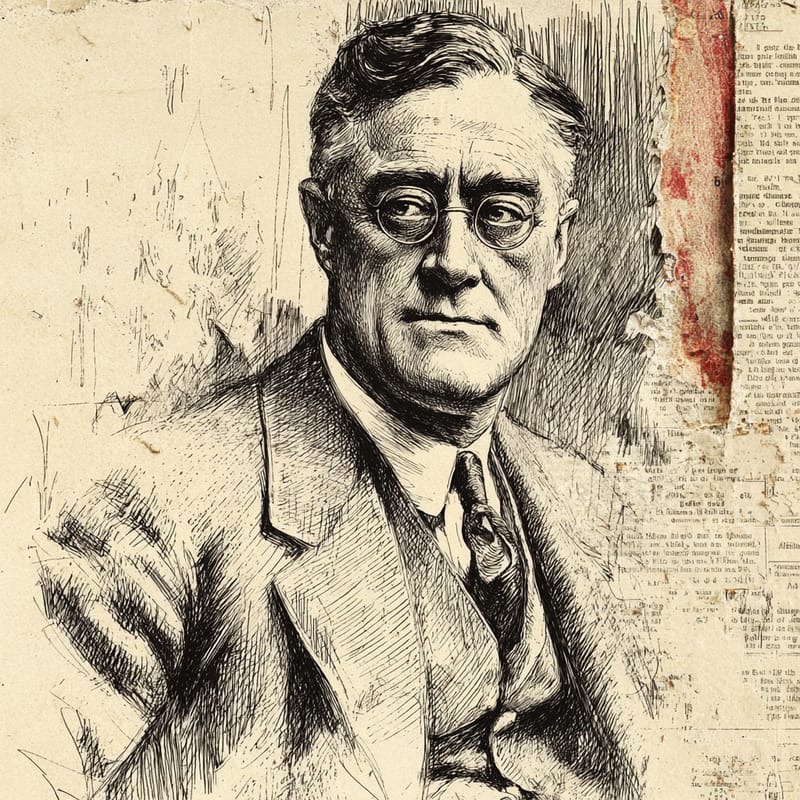
On the 99ideologies three-axis compass, the minds closest to Pierre Trudeau are Barack Obama (97% alike), Roy Jenkins (93% alike) and President Andrew Shepherd (91% alike). The furthest is Adam Sutler (17% alike).