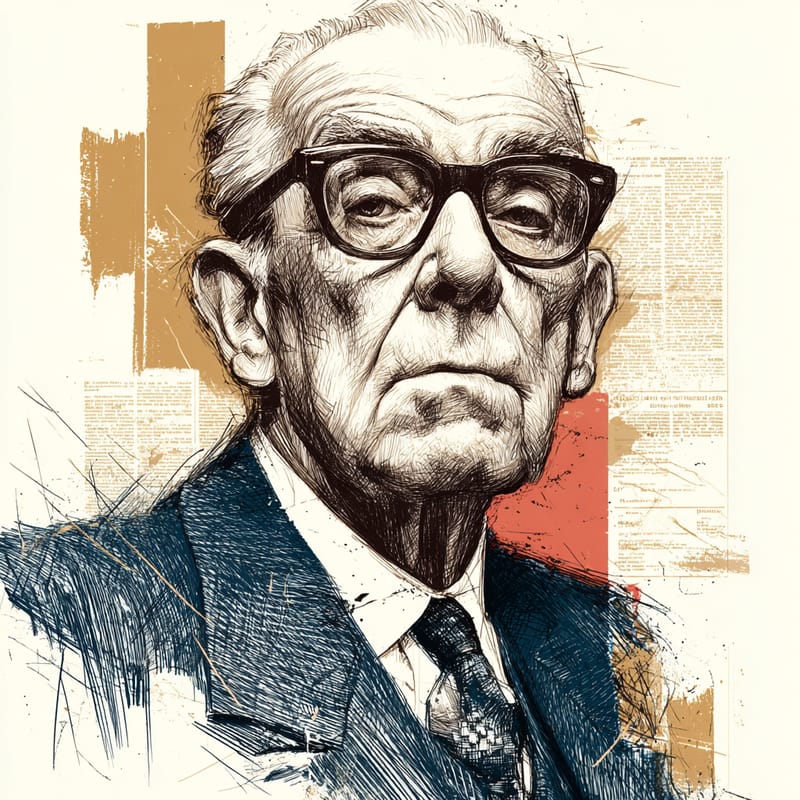
Isaiah Berlin
Two concepts of liberty
Pluralism and the open society.
Heterodox LiberalOne of 729 ideologies · enter the Liberal hall →- Role
- Philosopher
- Era
- 1909–1997
- Region
- United Kingdom
- Social band
- Heterodox
- Placement
- −22 · −4 · +35
§ Where Isaiah Berlin stands
3 axesBerlin was not an economist, but he accepted the mixed economy and the welfare state of post-war Britain, and his 1955 essay on Franklin Roosevelt praised the New Deal for combining reform with liberty. He never treated economic equality as worthless, only as a value distinct from liberty, a moderate centre-left position rather than a socialist or free-market one.
Two Concepts of Liberty (1958) is a defence of limited government: Berlin argued that a frontier of personal freedom must be protected from the state, and that utopian claims to know what people truly want had underpinned modern tyranny. Yet he accepted that liberty must sometimes be traded against other values, which places him near the centre with a slight libertarian lean.
Berlin's value pluralism made him a humane, tolerant progressive who distrusted single answers. He championed individual freedom, cultural diversity and the right of people to live by differing ideals, while respecting the human need for national belonging, as his liberal Zionism showed. That openness without dogmatism places him moderately on the progressive side.
How close are you to Isaiah Berlin?
Three statements, one per axis. Answer them and we’ll drop you on the compass next to them.
§ The story
HistoricalSir Isaiah Berlin (1909–1997) was a British philosopher and historian of ideas. Born in Riga, he witnessed the Russian Revolution as a child in Petrograd before his family settled in England in 1921. Educated at Oxford, he became in 1932 the first Jew elected to a prize fellowship at All Souls College. During the Second World War he wrote celebrated political dispatches for the British embassy in Washington, and he later held Oxford's Chichele Professorship of Social and Political Theory, became founding president of Wolfson College and served as president of the British Academy.
Berlin's 1958 lecture Two Concepts of Liberty distinguished negative liberty, freedom from interference, from positive liberty, the ideal of self-mastery, and warned that positive liberty had often been twisted to justify coercion in the name of people's true selves. His wider work, including The Hedgehog and the Fox (1953) and essays on Russian thinkers and the Counter-Enlightenment, defended value pluralism: the view that genuine human goods can conflict irreconcilably. Critics on the left found his liberalism too comfortable with the Cold War West, and others questioned whether pluralism could ground liberalism at all.
Notable for
- 01'Two Concepts of Liberty'
- 02Value pluralism
- 03History of ideas
Key works & moments
- 1932Becomes the first Jew elected to a prize fellowship at All Souls College, Oxford.
- 1939Publishes Karl Marx: His Life and Environment, his first book.
- 1953The Hedgehog and the Fox, his essay on Tolstoy's view of history, appears.
- 1958Delivers Two Concepts of Liberty as his inaugural lecture as Chichele Professor.
- 1966Becomes founding president of Wolfson College, Oxford.
- 1969Collects his major political essays in Four Essays on Liberty.
In their own words
“Everything is what it is: liberty is liberty, not equality or fairness or justice or culture, or human happiness or a quiet conscience.”
§ Minds closest to Isaiah Berlin
All minds →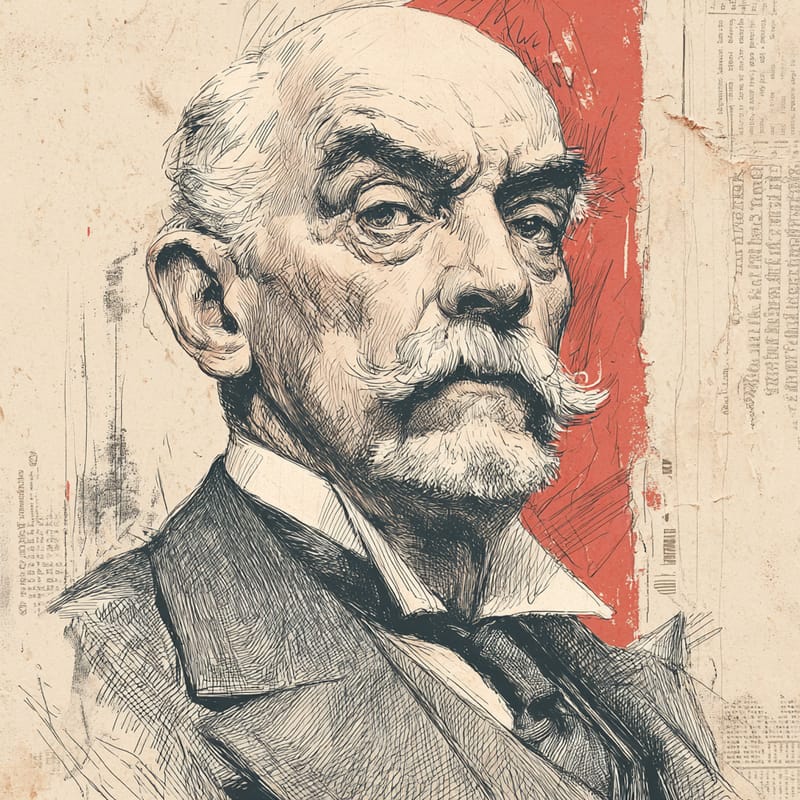

§ Also in the Liberal hall
Enter the hall →§ Common questions
4 answersWhat was Isaiah Berlin's political ideology?
Isaiah Berlin was a pluralist liberal: on the 99ideologies three-axis compass, a Heterodox Liberal. Economically he sat modestly left of centre (−22), accepting the mixed economy and the welfare state while insisting that equality and liberty are distinct values. On governance he leaned slightly libertarian (−4), defending a protected sphere of negative liberty against coercion, and socially he was moderately progressive (+35), tolerant of diverse ways of life and wary of any single answer to how people should live.
Was Isaiah Berlin left-wing or right-wing?
Centre-left, though he is claimed by both sides. Berlin supported the welfare state, admired Roosevelt's New Deal and never defended laissez-faire. But his Cold War critique of positive liberty, aimed at Marxist and other utopian projects, made him a hero to many conservatives and classical liberals. He saw himself as a liberal in the moderate English tradition, opposed to tyranny from either direction and suspicious of grand historical schemes.
What is the difference between negative and positive liberty?
Negative liberty is freedom from interference: the area within which a person can act without being obstructed by others or by the state. Positive liberty is the freedom to be one's own master and to govern oneself according to one's rational will. In Two Concepts of Liberty (1958) Berlin argued that both are genuine values, but that positive liberty had historically been used to justify coercion by claiming to know people's true interests better than they did, so he gave priority to protecting negative liberty.
Which minds are closest to Isaiah Berlin?
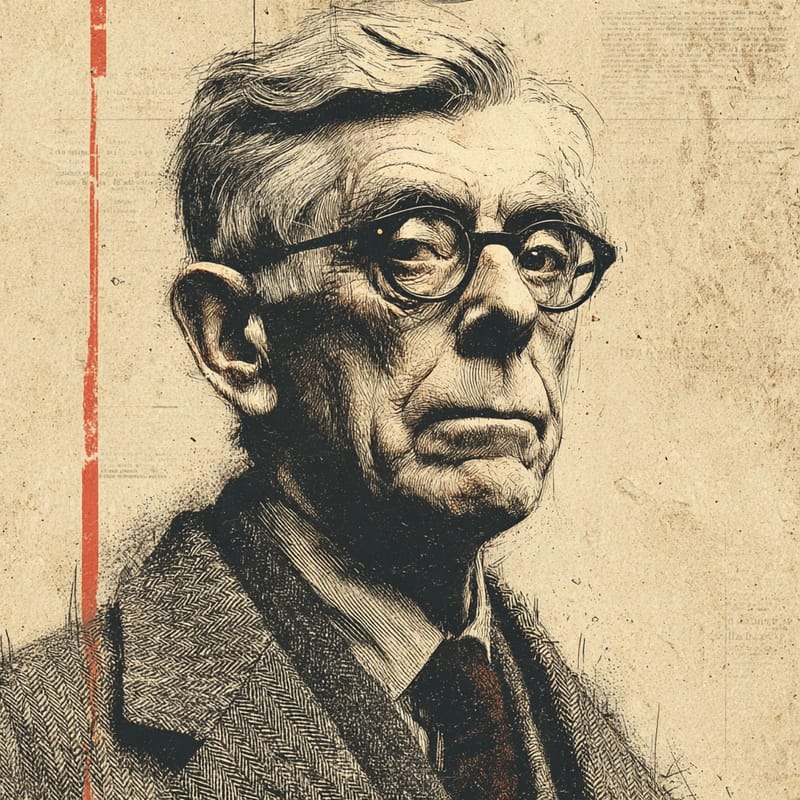
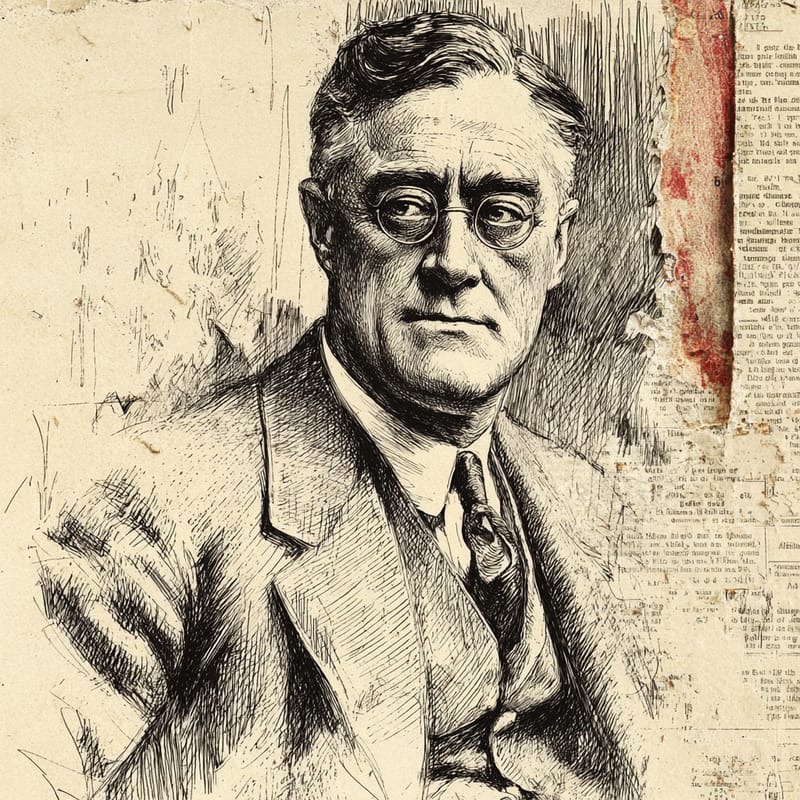
On the 99ideologies three-axis compass, the minds closest to Isaiah Berlin are John Maynard Keynes (96% alike), John Rawls (95% alike) and Franklin D. Roosevelt (94% alike). The furthest is Adam Sutler (22% alike).