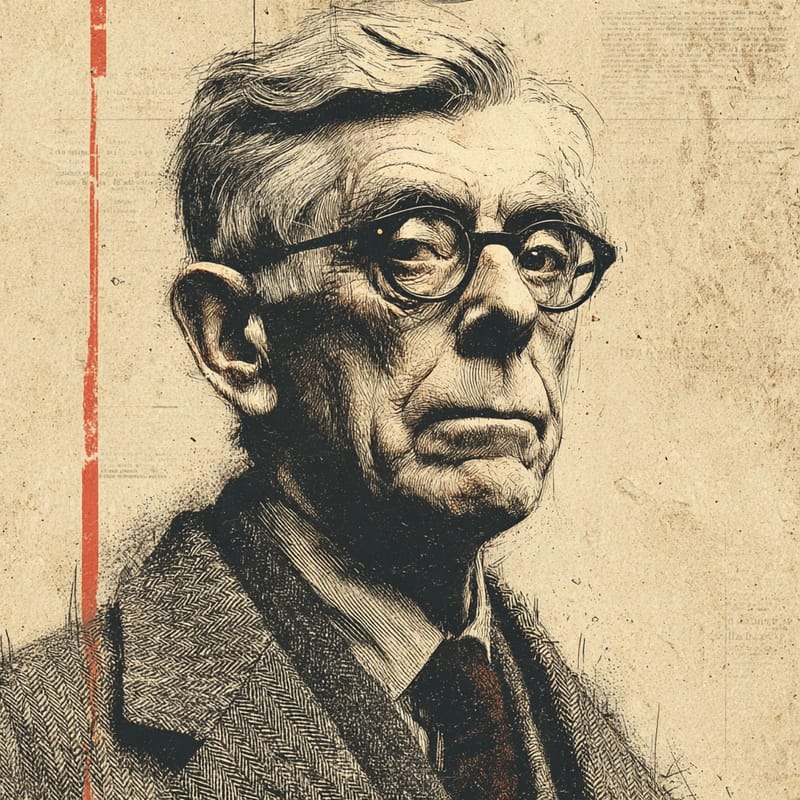
John Rawls
Justice as fairness
The veil of ignorance.
Reformist LiberalOne of 729 ideologies · enter the Liberal hall →- Role
- Philosopher
- Era
- 1921–2002
- Region
- United States
- Social band
- Reformist
- Placement
- −34 · −2 · +40
§ Where John Rawls stands
3 axesRawls's difference principle, set out in A Theory of Justice (1971), permits economic inequality only when it improves the position of the least advantaged. In Justice as Fairness: A Restatement (2001) he judged welfare-state capitalism insufficient and argued that only a property-owning democracy or a liberal socialist regime could realise his principles. Both keep markets and basic liberties, which places him clearly left of centre without abandoning liberalism.
His first principle gives priority to equal basic liberties, such as freedom of conscience, speech and political participation, which no economic gain can justify sacrificing. Rawls defended constitutional democracy with protection of rights, and Political Liberalism (1993) asked citizens to justify coercive laws by public reasons that others could accept, a liberal constitutionalism at the centre with a slight libertarian lean.
Rawls's egalitarianism is grounded in fairness rather than tradition: natural talents and social starting points are morally arbitrary, he argued, so institutions should not simply reward them. His insistence on fair equality of opportunity and on the state's neutrality among religious and moral doctrines makes him clearly progressive, though his case rests on reasoned principle rather than on any cultural movement.
How close are you to John Rawls?
Three statements, one per axis. Answer them and we’ll drop you on the compass next to them.
§ The story
HistoricalJohn Bordley Rawls (1921–2002) was an American political philosopher, widely regarded as one of the most influential of the twentieth century. Born in Baltimore, he studied at Princeton and served as an infantryman in the Pacific during the Second World War, an experience that shook his religious faith. After teaching at Princeton, Cornell and the Massachusetts Institute of Technology, he joined Harvard in 1962, where he taught for more than three decades and became a James Bryant Conant University Professor.
Rawls's A Theory of Justice (1971) revived systematic political philosophy by asking what principles free and equal people would choose behind a veil of ignorance, not knowing their own class, talents or beliefs. His answer, justice as fairness, guaranteed equal basic liberties and allowed inequalities only if they benefited the least advantaged. Robert Nozick attacked it from the libertarian right in 1974 and communitarians criticised its abstract picture of the self, while Political Liberalism (1993) reframed it for societies divided by religion and morality. In 1999 he received the National Humanities Medal.
Notable for
- 01'A Theory of Justice'
- 02The veil of ignorance
- 03The difference principle
Key works & moments
- 1940sServes as an infantryman in New Guinea, the Philippines and occupied Japan.
- 1958Publishes 'Justice as Fairness', the essay that first outlines his theory.
- 1971A Theory of Justice introduces the original position and the veil of ignorance.
- 1993Political Liberalism adapts his theory to societies divided by deep moral disagreement.
- 1999Publishes The Law of Peoples and receives the National Humanities Medal.
- 2001Justice as Fairness: A Restatement favours property-owning democracy over welfare-state capitalism.
In their own words
“Justice is the first virtue of social institutions, as truth is of systems of thought.”
§ Minds closest to John Rawls
All minds →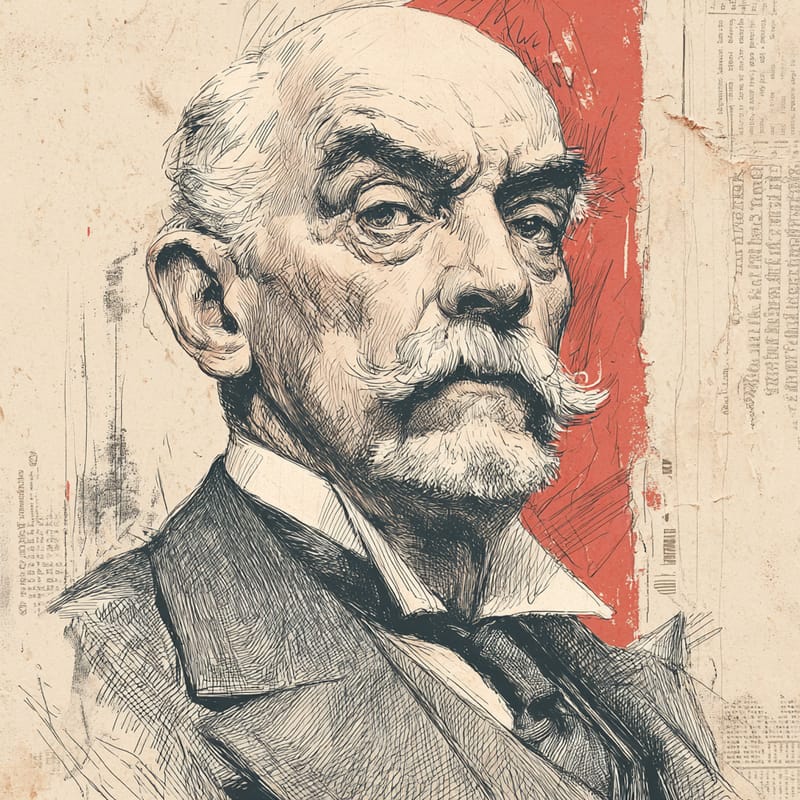

§ Also in the Liberal hall
Enter the hall →§ Common questions
4 answersWhat was John Rawls's political ideology?
John Rawls was an egalitarian liberal: on the 99ideologies three-axis compass, a Reformist Liberal. Economically he sat left of centre (−34), accepting inequalities only when they benefit the least advantaged and favouring a wide dispersal of property. On governance he was near the centre (−2), a constitutional democrat who put equal basic liberties first, and socially he was clearly progressive (+40), treating fairness rather than tradition as the first virtue of institutions.
Was John Rawls left-wing or right-wing?
Left of centre. Rawls's difference principle demands that economic arrangements work to the greatest benefit of the worst off, and he judged ordinary welfare-state capitalism insufficiently just, which puts him to the left of most liberals. Yet he was no Marxist: he defended markets, personal property and the priority of individual liberties, and he drew criticism from the libertarian right, from communitarians and from the radical left alike.
What is the veil of ignorance?
It is Rawls's thought experiment for choosing fair principles of justice. Imagine designing society's basic rules without knowing who you will be in it: your class, race, sex, talents and beliefs are hidden behind a veil of ignorance. Rawls argued in A Theory of Justice (1971) that people in this original position would protect equal basic liberties and, guarding against the worst outcome, accept inequalities only if they benefited the least advantaged. The device aims to remove self-interest from questions of justice.
Which minds are closest to John Rawls?
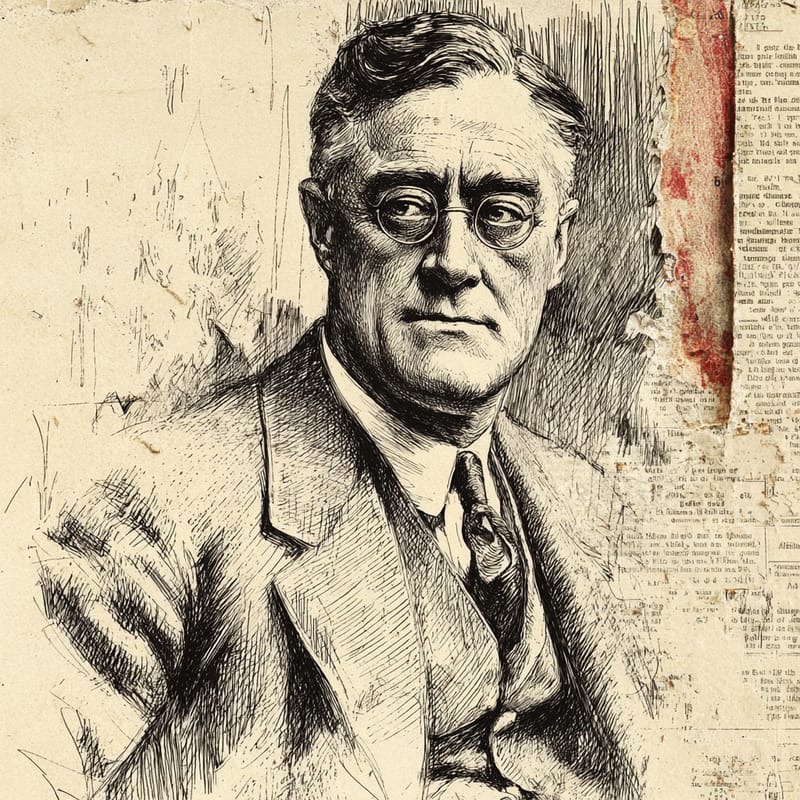
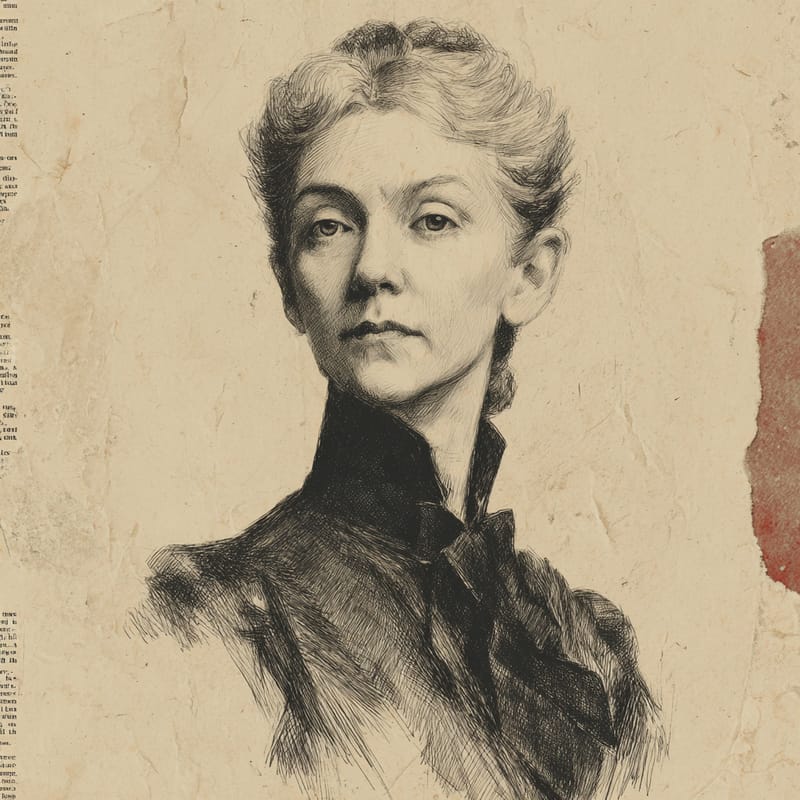
On the 99ideologies three-axis compass, the minds closest to John Rawls are John Maynard Keynes (95% alike), Franklin D. Roosevelt (95% alike) and Beatrice Webb (95% alike). The furthest is Adam Sutler (19% alike).