
Paul Sweezy
Monopoly capital
American Marxist economics.
Heterodox Orthodox MarxistOne of 729 ideologies · enter the Orthodox Marxist hall →- Role
- Economist
- Era
- 1910–2004
- Region
- United States
- Social band
- Heterodox
- Placement
- −92 · −2 · +34
§ Where Paul Sweezy stands
3 axesSweezy argued for replacing capitalism with planned socialism. Monopoly Capital (1966), written with Paul Baran, held that giant oligopolistic firms generate a rising surplus absorbed only through advertising, military spending and waste, and with Harry Magdoff he later traced the turn to stagnation and speculation in Stagnation and the Financial Explosion (1987). He saw no lasting fix within the market system.
Sweezy was an independent Marxist outside any party line who defended civil liberties at home, winning the Supreme Court case Sweezy v. New Hampshire in 1957 after refusing to answer questions about his lectures and political associations. Abroad he supported the Cuban and Chinese revolutions while criticising Soviet bureaucratic rule in Post-Revolutionary Society (1980), a balance that leaves him near the centre of this axis.
Sweezy's progressivism ran through Monthly Review and its publishing house, which championed anti-imperialist and egalitarian causes and gave dissident writers a platform during the McCarthy era. His book with Leo Huberman, Cuba: Anatomy of a Revolution (1960), celebrated the revolution's egalitarian programme, and his later work engaged closely with Third World liberation movements.
How close are you to Paul Sweezy?
Three statements, one per axis. Answer them and we’ll drop you on the compass next to them.
§ The story
HistoricalPaul Marlor Sweezy (1910–2004) was an American Marxist economist and editor, often called the dean of American Marxist economics. The son of a New York banker, he studied at Phillips Exeter Academy, Harvard and the London School of Economics, where he turned to Marxism, and taught economics at Harvard from the late 1930s as a protégé of Joseph Schumpeter. During the Second World War he served in the Office of Strategic Services, and he left Harvard in 1946 to write and edit independently.
In 1942 Sweezy published The Theory of Capitalist Development, a lucid exposition of Marxian economics, and in 1949 he founded the independent socialist magazine Monthly Review with Leo Huberman; its first issue carried Albert Einstein's essay 'Why Socialism?'. Monopoly Capital (1966), written with Paul Baran, argued that giant corporations generate a surplus that capitalism struggles to absorb, leading to stagnation. His refusal to answer a state investigator's questions about his lectures produced the 1957 Supreme Court ruling Sweezy v. New Hampshire, a landmark for academic freedom.
Notable for
- 01Founded 'Monthly Review'
- 02'Monopoly Capital'
- 03'The Theory of Capitalist Development'
Key works & moments
- 1942Publishes The Theory of Capitalist Development.
- 1949Founds Monthly Review with Leo Huberman; the first issue carries Einstein's 'Why Socialism?'.
- 1950Opens a celebrated debate with Maurice Dobb on the transition from feudalism to capitalism.
- 1957Wins Sweezy v. New Hampshire in the US Supreme Court.
- 1960Co-writes Cuba: Anatomy of a Revolution with Leo Huberman.
- 1966Publishes Monopoly Capital with Paul Baran.
§ Minds closest to Paul Sweezy
All minds →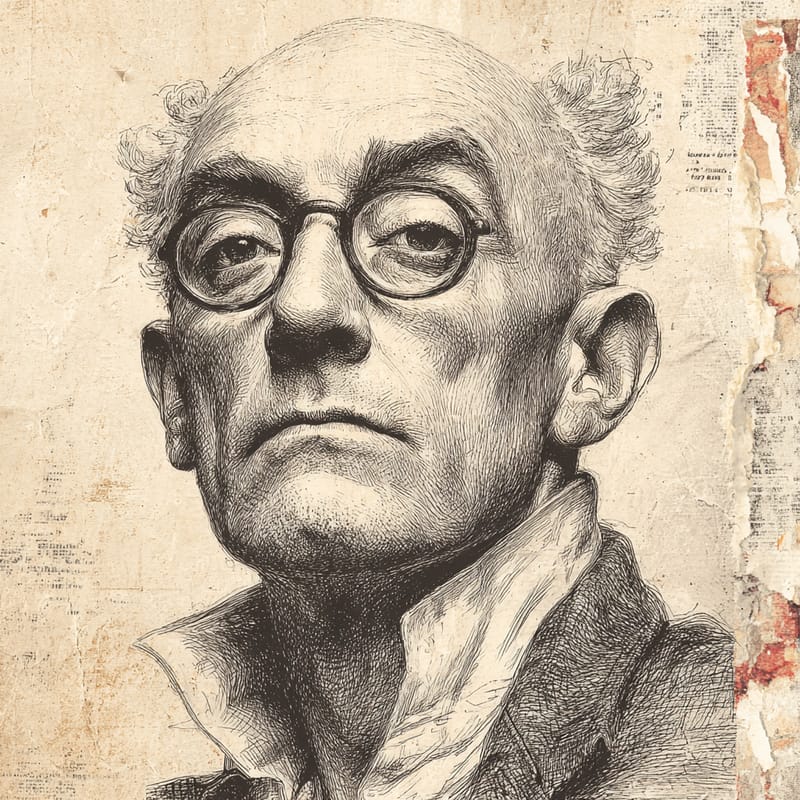

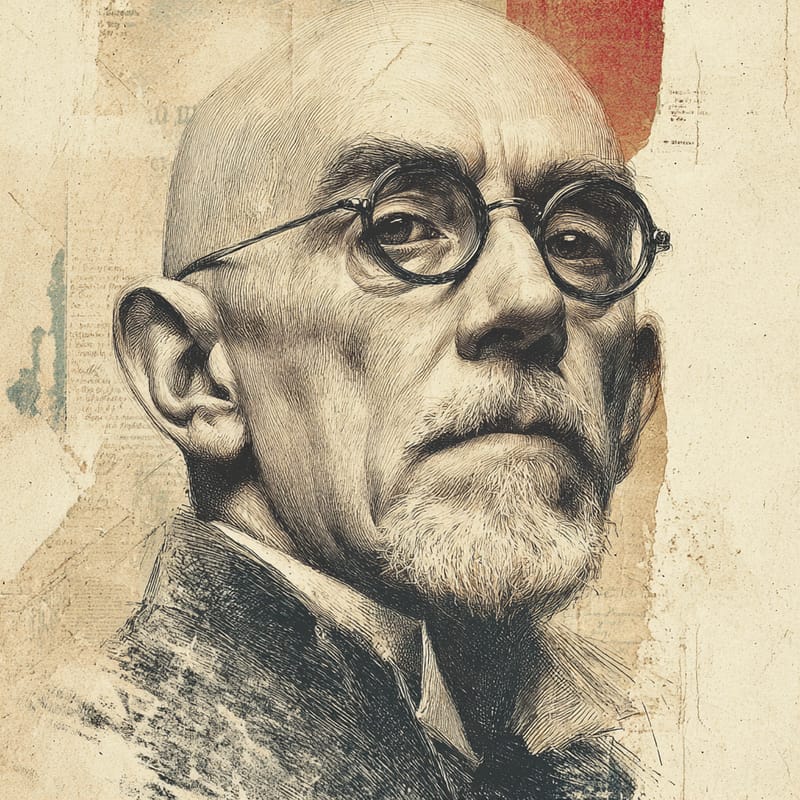
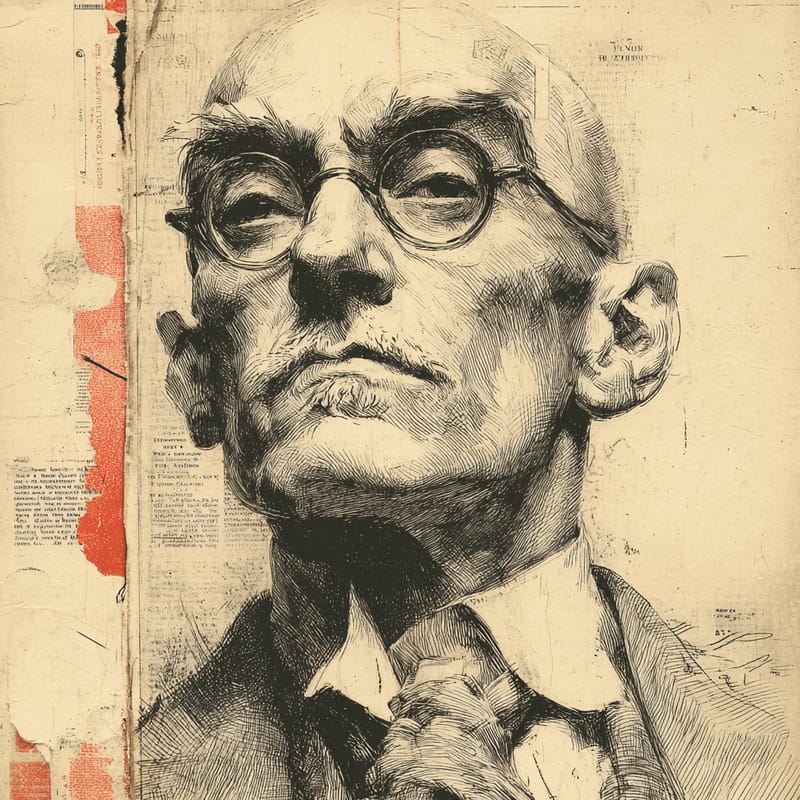

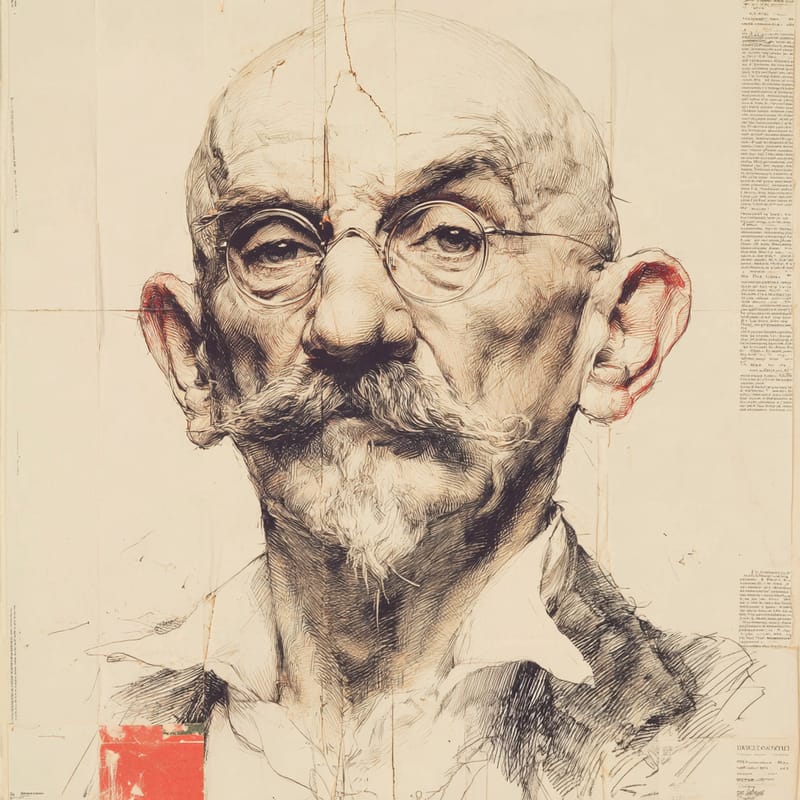

§ Also in the Orthodox Marxist hall
Enter the hall →§ Common questions
4 answersWhat was Paul Sweezy's political ideology?
Sweezy was an independent Marxist economist: on the 99ideologies three-axis compass, a Heterodox Orthodox Marxist. Economically he sat at the far left (−92), arguing that monopoly capitalism tends to stagnation and must give way to planned socialism. On governance he sat near the centre (−2), defending civil liberties in the United States while sympathising with revolutionary governments abroad, and socially he was progressive (+34), backing anti-imperialist and egalitarian causes.
Was Paul Sweezy left-wing or right-wing?
Left-wing, firmly. Sweezy spent his life arguing that capitalism should be replaced by socialism, and his magazine Monthly Review became a central forum of the American independent left. He was unusual in being a Harvard-trained economist from a banking family who embraced Marxism, and in keeping his distance from Communist Party discipline while supporting the Cuban and Chinese revolutions.
What is monopoly capital?
Monopoly capital is Sweezy and Paul Baran's term for capitalism dominated by giant corporations, set out in their 1966 book of the same name. They argued that such firms avoid price competition and generate a rising economic surplus that ordinary consumption and investment cannot absorb. The system therefore depends on advertising, sales effort and government and military spending to soak up the surplus, and without them it tends towards stagnation and unemployment. The idea influenced later theories of financialisation.
Which minds are closest to Paul Sweezy?
On the 99ideologies three-axis compass, the minds closest to Paul Sweezy are Louis Althusser (98% alike), Eric Hobsbawm (97% alike) and György Lukács (97% alike). The furthest is Adam Sutler (4% alike).