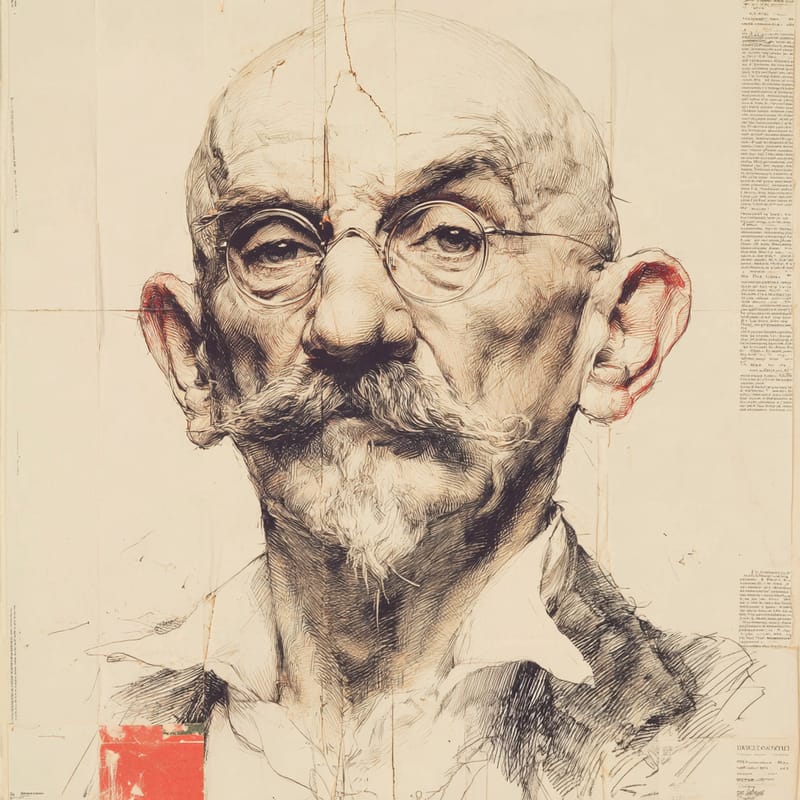
Max Horkheimer
Traditional and critical theory
Director of the Frankfurt School.
Reformist Orthodox MarxistOne of 729 ideologies · enter the Orthodox Marxist hall →- Role
- Philosopher
- Era
- 1895–1973
- Region
- Germany
- Social band
- Reformist
- Placement
- −88 · +2 · +44
§ Where Max Horkheimer stands
3 axesHorkheimer's early work treated capitalism as the root of modern unfreedom. 'Traditional and Critical Theory' (1937) called for a rationally organised society serving the common good, and his 1939 essay 'The Jews and Europe' tied fascism directly to capitalism in crisis. He drew up no economic programme and later doubted that socialism would bring freedom, but common ownership remained the implicit horizon of his critique.
Horkheimer analysed authority in all its forms, from the family to the totalitarian state, notably in the collective Studies on Authority and the Family (1936) and the Studies in Prejudice series that produced The Authoritarian Personality (1950). He condemned both fascism and Stalinism, and after 1949 he accepted West Germany's liberal democracy as the lesser evil.
As a humanist critic of domination, Horkheimer opposed antisemitism, racism and authoritarian conformity, and Dialectic of Enlightenment (1947) attacked the culture industry for flattening individuality. His progressivism was tempered late in life by a quasi-religious longing for the transcendent, expressed in the 1970 interview 'The Longing for the Totally Other'.
How close are you to Max Horkheimer?
Three statements, one per axis. Answer them and we’ll drop you on the compass next to them.
§ The story
HistoricalMax Horkheimer (1895–1973) was a German philosopher and sociologist who directed the Institute for Social Research in Frankfurt, the home of the Frankfurt School. The son of a Jewish textile manufacturer near Stuttgart, he studied philosophy and psychology and took over the institute in 1930, steering it from empirical Marxist research towards an interdisciplinary critical theory of society. When the Nazis came to power he moved the institute first to Geneva and then to Columbia University in New York, before settling in California in the 1940s.
Horkheimer's 1937 essay 'Traditional and Critical Theory' gave the school its name and programme, and Dialectic of Enlightenment, written with Theodor Adorno and published in 1947, argued that Enlightenment reason had turned into a tool of domination. After returning to Frankfurt in 1949 he rebuilt the institute and served as the university's rector. In later life he grew more pessimistic and conservative, keeping his distance from the student radicals of the 1960s, who read his early essays more eagerly than he wished.
Notable for
- 01Coined 'critical theory'
- 02Led the Frankfurt School
- 03Co-wrote 'Dialectic of Enlightenment'
Key works & moments
- 1930Becomes director of the Institute for Social Research in Frankfurt.
- 1934Re-establishes the exiled institute at Columbia University in New York.
- 1937Publishes 'Traditional and Critical Theory', defining the school's approach.
- 1947Publishes Dialectic of Enlightenment with Theodor Adorno, and Eclipse of Reason.
- 1949Returns to Frankfurt; serves as rector of the university from 1951 to 1953.
- 1950The Authoritarian Personality appears in his Studies in Prejudice series.
In their own words
“Whoever is not prepared to talk about capitalism should also remain silent about fascism.”
§ Minds closest to Max Horkheimer
All minds →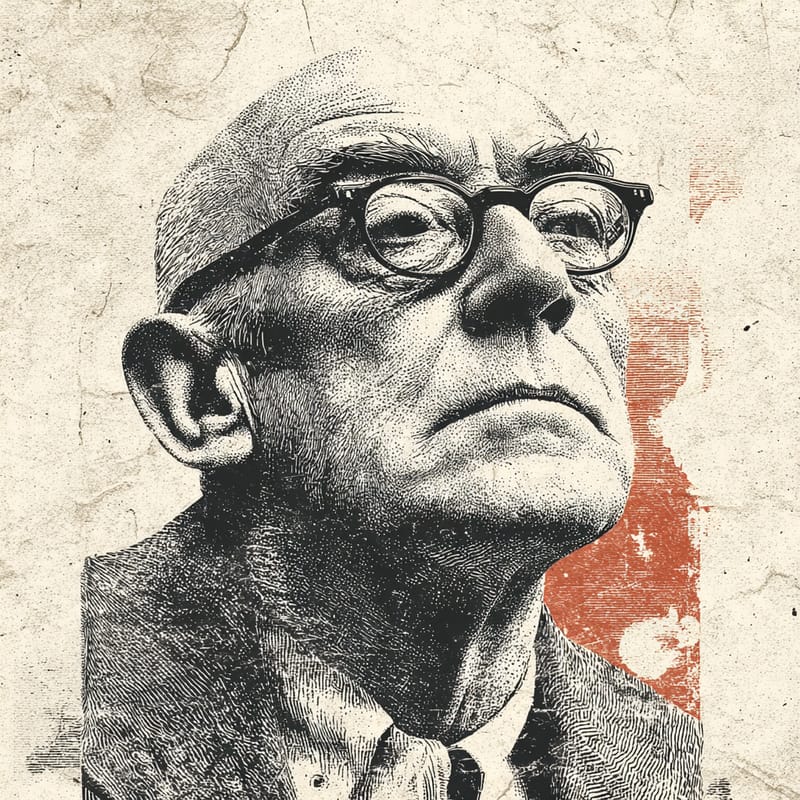
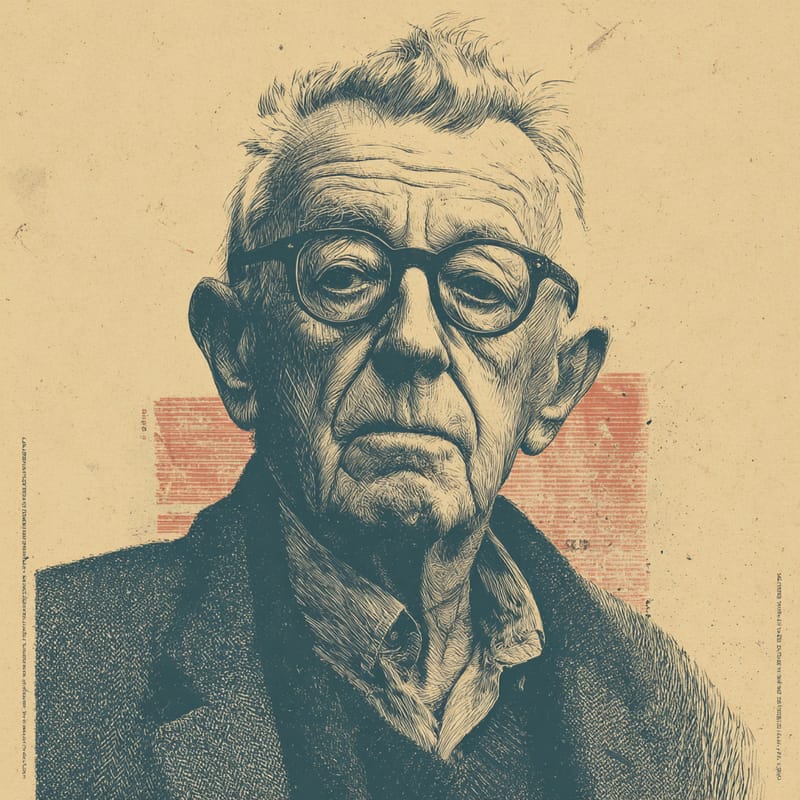
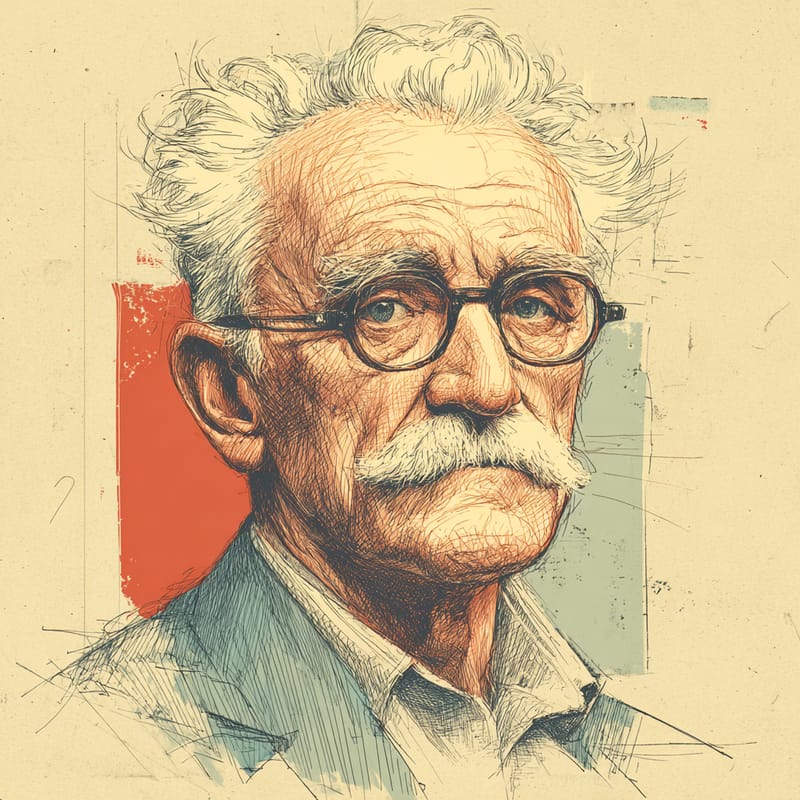
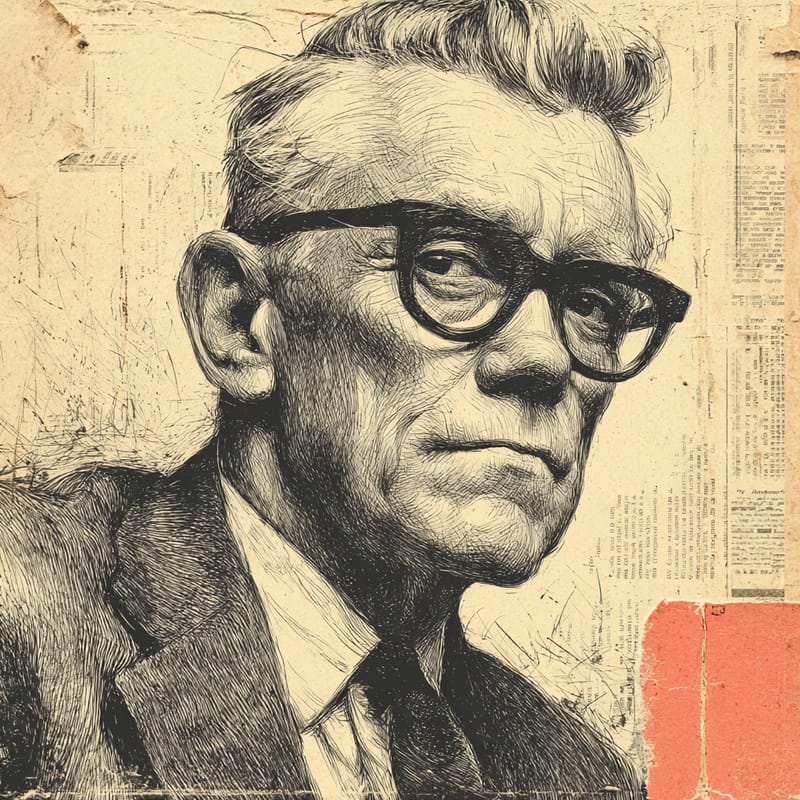
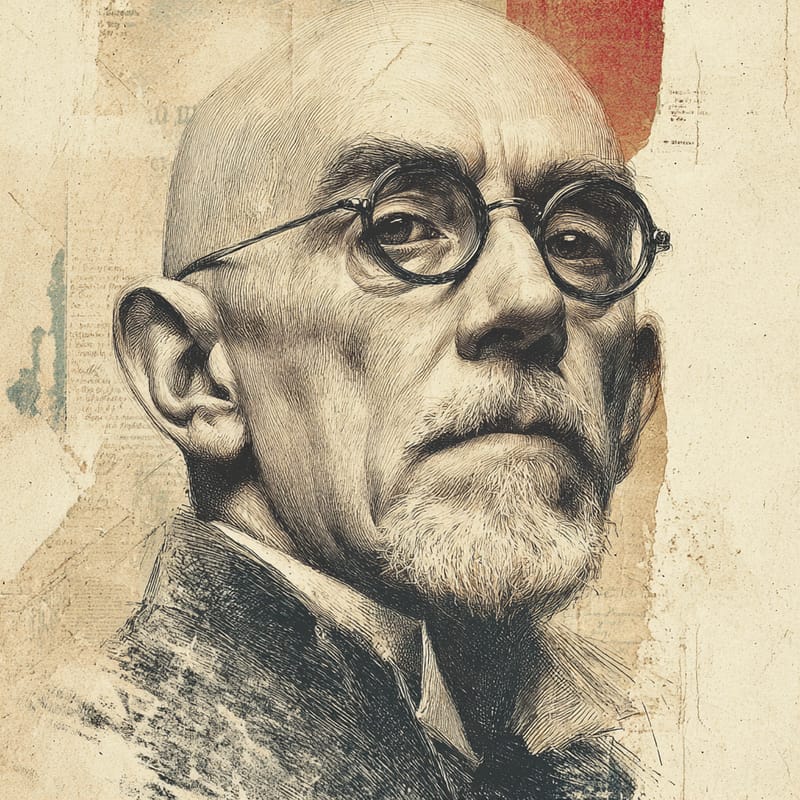
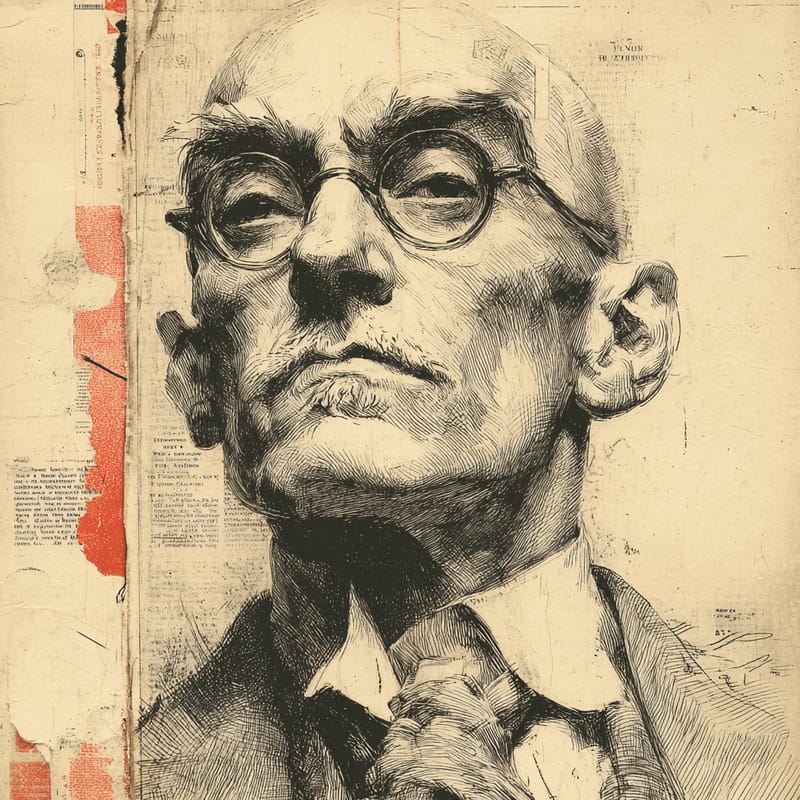

§ Also in the Orthodox Marxist hall
Enter the hall →§ Common questions
4 answersWhat was Max Horkheimer's political ideology?
Horkheimer was a Western Marxist and the founding director of Frankfurt School critical theory: on the 99ideologies three-axis compass, a Reformist Orthodox Marxist. Economically he sat on the far left (−88), treating capitalism as the source of modern domination. On governance he sat close to the centre (+2), condemning fascism and Stalinism alike and later accepting liberal democracy, and socially he was progressive (+44), a humanist opponent of antisemitism, authoritarianism and mass conformity.
Was Max Horkheimer left-wing or right-wing?
Left-wing, though his radicalism faded with age. In the 1930s Horkheimer was a committed Marxist who linked fascism to capitalism and hoped for a rational, classless society. After the war he grew pessimistic about revolution, defended West German democracy against the student movement and wrote of a longing for transcendence. He remained a critic of capitalism and instrumental reason, but ended as a sceptic of every political programme.
What is critical theory according to Max Horkheimer?
For Horkheimer, critical theory is social analysis aimed at human emancipation rather than mere description. In his 1937 essay 'Traditional and Critical Theory' he contrasted traditional theory, which treats society's facts as given, as the natural sciences treat nature, with a critical theory that sees those facts as products of human activity and asks how they could be changed. Drawing on Marx, it aimed at a rational society without exploitation. The term later came to cover the whole Frankfurt School.
Which minds are closest to Max Horkheimer?
On the 99ideologies three-axis compass, the minds closest to Max Horkheimer are Theodor Adorno (99% alike), Eric Hobsbawm (99% alike) and Herbert Marcuse (97% alike). The furthest is Adam Sutler (4% alike).