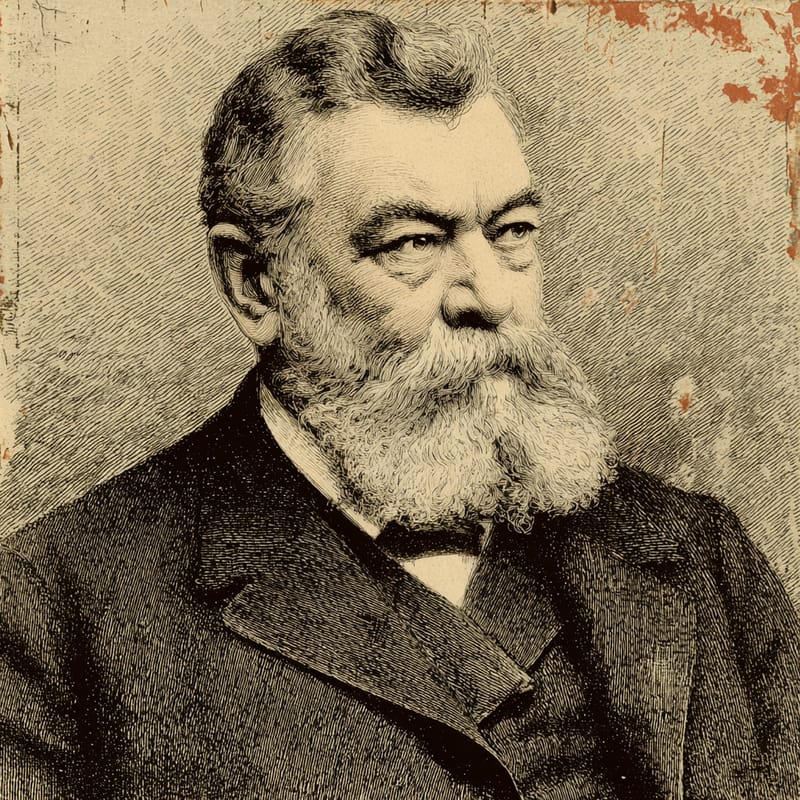
Leland Stanford
The railroad baron in office
Private empire, public power.
Traditional National CapitalistOne of 729 ideologies · enter the National Capitalist hall →- Role
- Magnate & Governor
- Era
- 1824–1893
- Region
- United States
- Social band
- Traditional
- Placement
- +90 · +44 · −44
§ Where Leland Stanford stands
3 axesStanford was a capitalist who treated the state as partner and patron. The Pacific Railway Acts of 1862 and 1864 gave his Central Pacific alternate sections of public land and federal loan bonds for every mile of track, while the Big Four's own construction company, the Contract and Finance Company, kept the profits inside the circle. The resulting monopoly over California's freight angered farmers and shippers for decades.
Stanford fused private capital with public office. As governor from 1862 to 1863 he signed state aid for the railroad he also presided over and broke ground for it in Sacramento in January 1863, and from 1885 he sat in the US Senate while his companies lobbied Congress over their federal debts. He was a loyal Unionist during the Civil War, ruling through law, contracts and patronage rather than force.
Stanford's outlook was that of the Gilded Age business establishment. His 1862 inaugural address urged the legislature to discourage Chinese immigration, describing the Chinese as an inferior race, even though his railroad soon depended on Chinese labourers for most of its workforce. His university, founded on an 1885 grant, was co-educational and non-sectarian, a modern touch within an otherwise conventional, hierarchical worldview.
How close are you to Leland Stanford?
Three statements, one per axis. Answer them and we’ll drop you on the compass next to them.
§ The story
HistoricalAmasa Leland Stanford (1824–1893) was an American railroad magnate and Republican politician. Born in Watervliet, New York, he practised law in Wisconsin before following his brothers to gold-rush California in 1852, where he prospered as a Sacramento merchant and helped build the state's young Republican Party. In 1861 he became president of the newly founded Central Pacific Railroad and was elected governor, serving from 1862 to 1863, and from 1885 until his death he represented California in the United States Senate.
Stanford was one of the Big Four, with Collis Huntington, Mark Hopkins and Charles Crocker, whose Central Pacific built the western half of the first transcontinental railroad with federal land grants and bonds and the labour of thousands of Chinese workers. Through the Southern Pacific the associates came to dominate California's transport and politics, and critics nicknamed the railroad the Octopus for its monopoly rates and influence-buying. After his only son died in 1884, Stanford and his wife Jane founded Stanford University, which opened in 1891 and is his most lasting legacy.
Notable for
- 01Central Pacific Railroad
- 02Governor and Senator of California
- 03Founded Stanford University
Key works & moments
- 1861Becomes president of the new Central Pacific Railroad and is elected governor of California.
- 1862Lincoln signs the Pacific Railway Act, granting the Central Pacific land and federal bonds.
- 1869Ceremonially drives the last spike at Promontory Summit, Utah, completing the first transcontinental railroad.
- 1885Elected to the US Senate; with his wife Jane, signs the founding grant of Stanford University.
- 1890Loses the Southern Pacific presidency to his partner and rival Collis Huntington.
- 1891Leland Stanford Junior University opens at Palo Alto in memory of his son.
§ Minds closest to Leland Stanford
All minds →

§ Also in the National Capitalist hall
Enter the hall →§ Common questions
4 answersWhat was Leland Stanford's political ideology?
Leland Stanford was a Gilded Age Republican capitalist who fused private enterprise with state power: on the 99ideologies three-axis compass, a Traditional National Capitalist. Economically he sat far toward the market pole (+90), building a private railroad empire, though one floated on federal land grants and bonds. On governance he leaned authoritarian (+44), using the governorship and a Senate seat in the service of his own corporations. Socially he was a conventional traditionalist (−44) who called for discouraging Chinese immigration.
Was Leland Stanford left-wing or right-wing?
Right-wing in economic terms, though his party label needs context. Stanford was an early organiser of California's Republican Party when it was the anti-slavery, pro-Union party of Abraham Lincoln, and as governor he kept California loyal during the Civil War. But his career was devoted to private capital, monopoly and corporate influence over government, and his social views were conventional for the Gilded Age elite. He belongs to the business right of the late nineteenth century, not to its reformers.
Was Leland Stanford a robber baron?
By the usual definition, yes. Stanford is one of the classic examples of the Gilded Age robber baron: he made a fortune from a railroad built with public land and federal bonds, he and his partners channelled construction profits through their own Contract and Finance Company, and the Southern Pacific's monopoly rates and political influence made it widely hated in California. Defenders point to the engineering feat of the Central Pacific and to Stanford University as evidence that his wealth also built lasting public goods.
Which minds are closest to Leland Stanford?
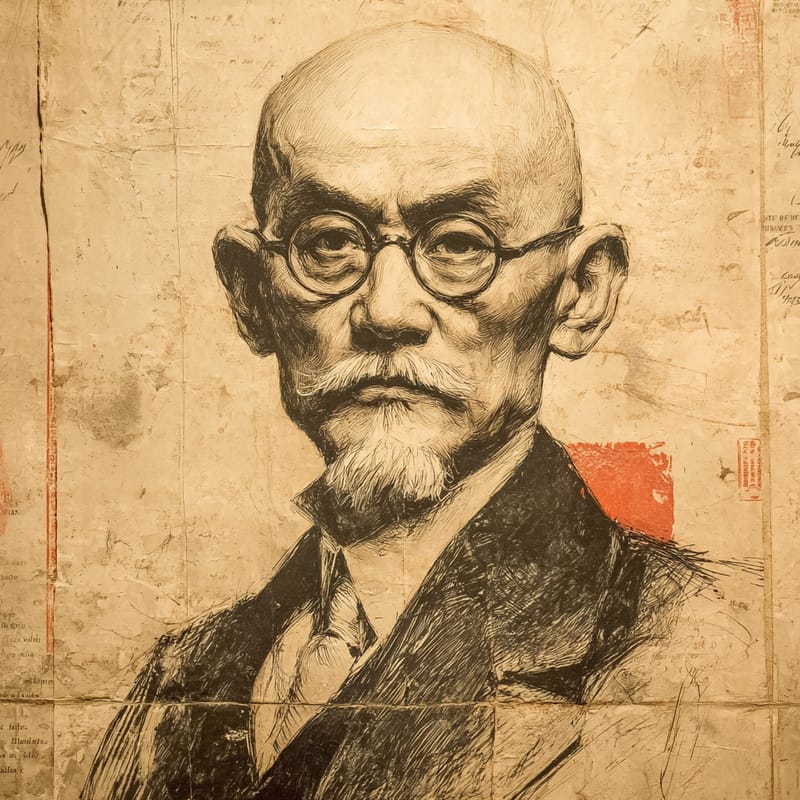
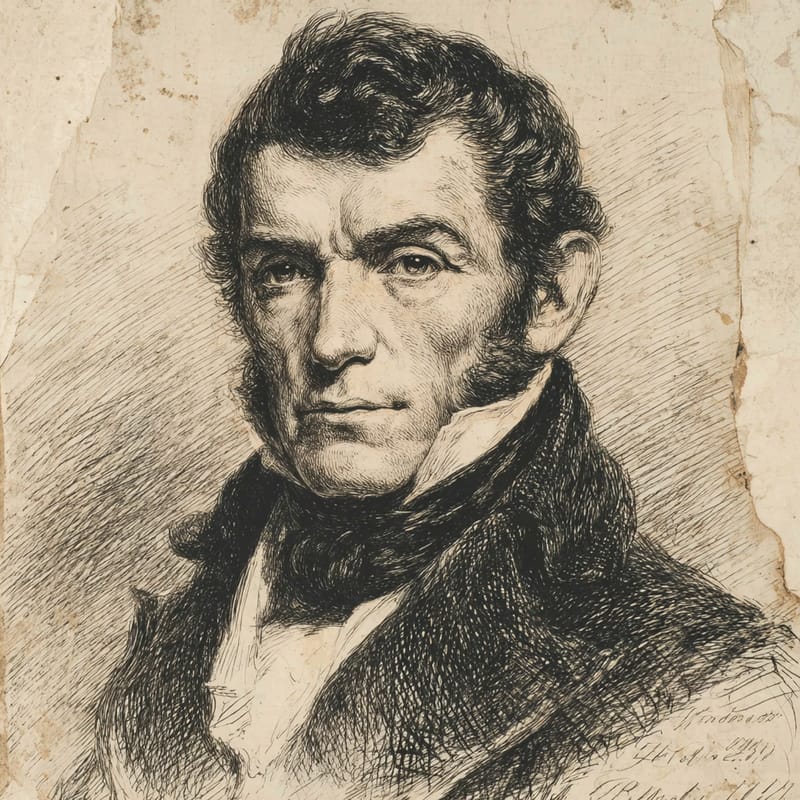
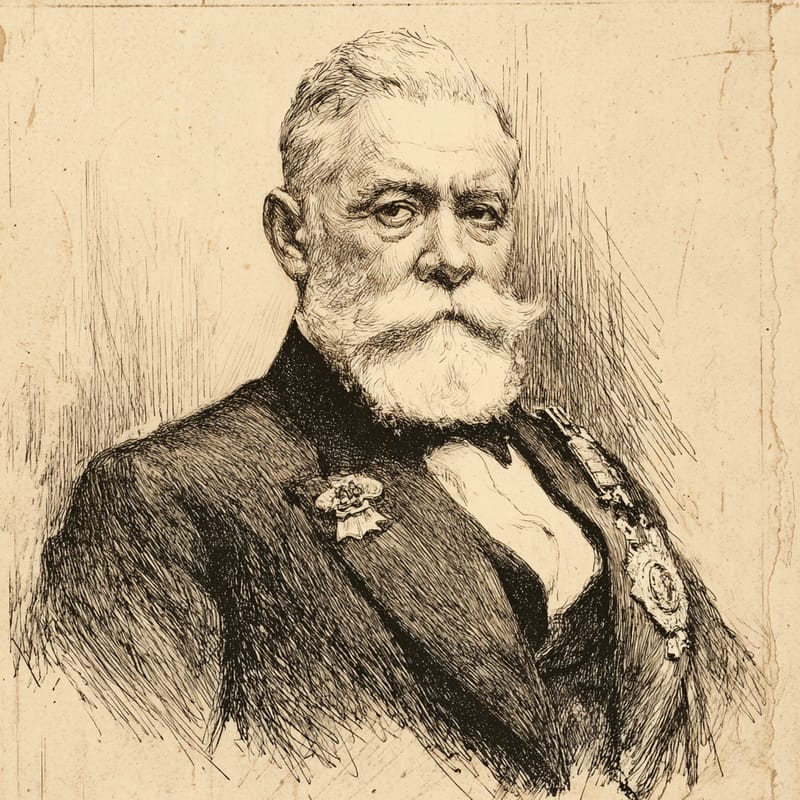
On the 99ideologies three-axis compass, the minds closest to Leland Stanford are Alfred Krupp (98% alike), The National Champion (archetype) (98% alike) and Mahathir Mohamad (95% alike). The furthest is Emma Goldman (0% alike).