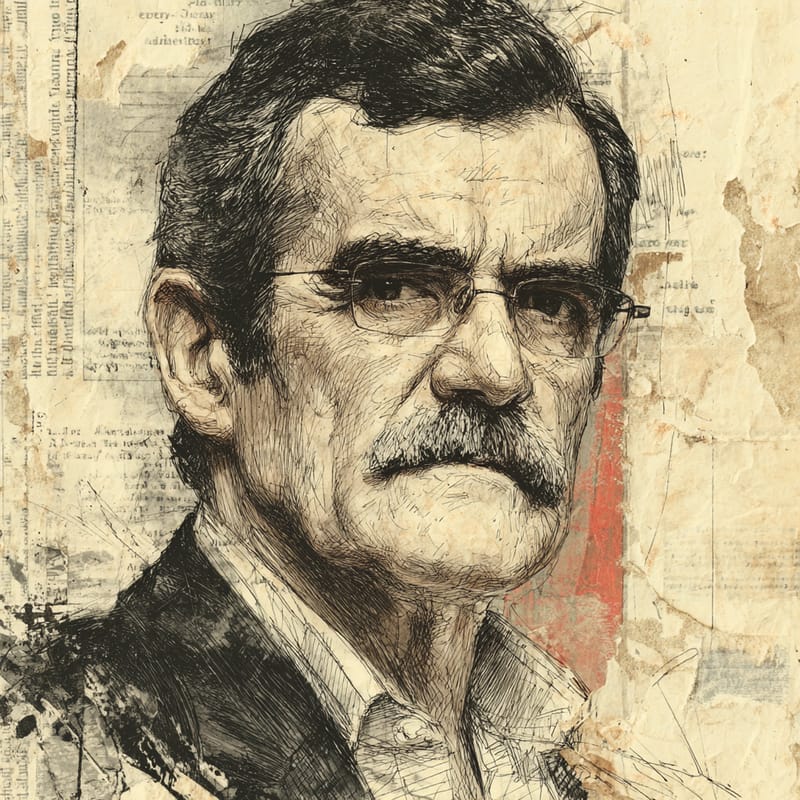
José María Aznar
Spain's market modernizer
Liberalisation and the Atlantic alliance.
Rooted Liberal ConservativeOne of 729 ideologies · enter the Liberal Conservative hall →- Role
- Prime Minister
- Era
- b. 1953
- Region
- Spain
- Social band
- Rooted
- Placement
- +54 · +12 · −34
§ Where José María Aznar stands
3 axesAznar's governments sold the state's remaining stakes in Telefónica, Repsol and Endesa, liberalised building land in a 1998 law and cut the deficit enough to meet the Maastricht criteria for the euro. They also cut income-tax rates. Yet he negotiated a 1997 labour reform with the unions rather than imposing it and preserved Spain's public pension system, keeping him in the liberal-conservative mainstream rather than the libertarian right.
Aznar took a hard line against Basque separatist violence: the 2002 Political Parties Law led to the banning of Batasuna as part of ETA's network in 2003. He backed the Iraq war against strong public opposition, and his government's insistence on ETA's guilt after the 2004 Madrid bombings drew accusations of manipulation. Against that, his government ended compulsory military service in 2001.
Aznar is a Catholic-influenced conservative who emphasises family, national unity and Spain's Western identity. His majority government tightened the immigration law in 2000, and his party opposed later moves to recognise same-sex marriage. But his governments left the 1985 abortion law in place and did not reopen the settled social questions of the democratic transition, keeping him moderately rather than strongly traditional.
How close are you to José María Aznar?
Three statements, one per axis. Answer them and we’ll drop you on the compass next to them.
§ The story
LivingJosé María Aznar (born 1953) is a Spanish politician who was prime minister of Spain from 1996 to 2004. A Madrid-born state tax inspector, he joined the conservative Alianza Popular, served as president of the regional government of Castile and León from 1987 to 1989 and in 1990 became leader of its successor, the People's Party. He survived an ETA car bomb in Madrid in 1995 and the following year won power, governing first with the support of Catalan, Basque and Canarian nationalists and then, from 2000, with an absolute majority.
Aznar's governments privatised state companies, balanced the budget and took Spain into the euro in 1999, presiding over strong growth and falling unemployment, though critics later traced the property bubble partly to his liberalisation of land law. He was a firm Atlanticist, joining George W. Bush and Tony Blair at the Azores summit of March 2003 days before the invasion of Iraq, despite mass protests in Spain. After the Madrid train bombings of 11 March 2004 his government initially blamed ETA, although the attacks were carried out by jihadists, and the People's Party lost the election three days later.
Notable for
- 01Market liberalisation
- 02Joined the euro
- 03Atlanticist foreign policy
Key works & moments
- 1990Becomes president of the newly refounded People's Party.
- 1995Survives an ETA car bomb attack in Madrid.
- 1996Becomes prime minister with the backing of Catalan, Basque and Canarian nationalists.
- 1999Spain adopts the euro after his government meets the Maastricht deficit criteria.
- 2003Meets Bush and Blair at the Azores summit days before the invasion of Iraq.
- 2004The People's Party loses power three days after the Madrid train bombings.
§ Minds closest to José María Aznar
All minds →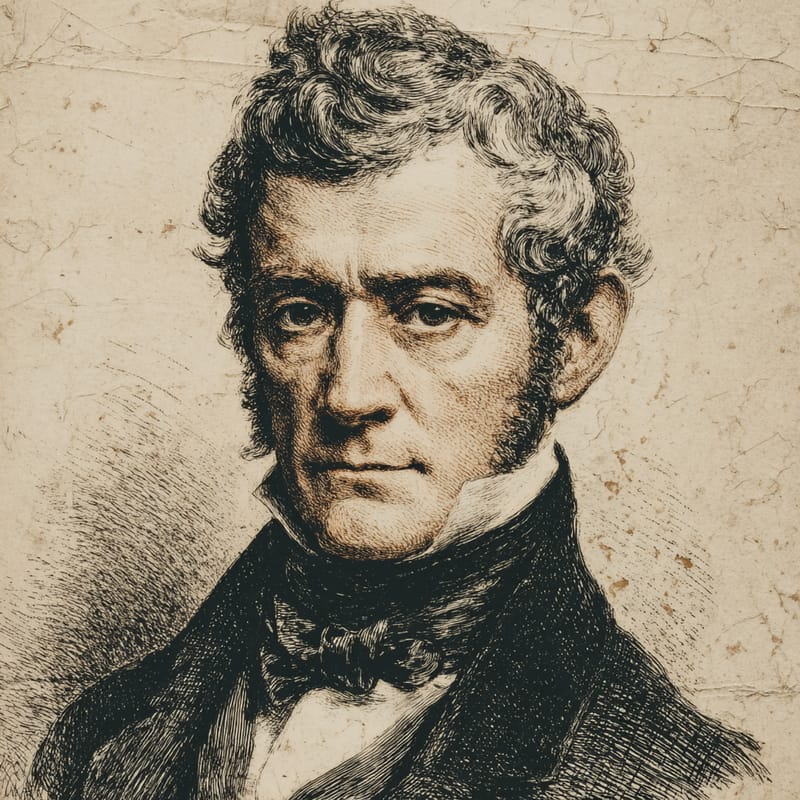
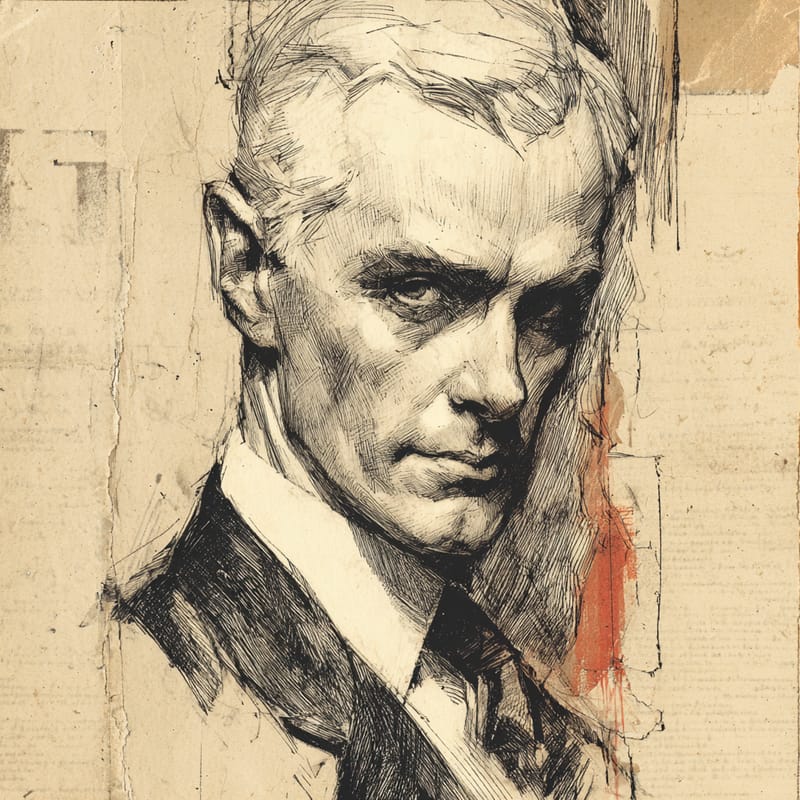
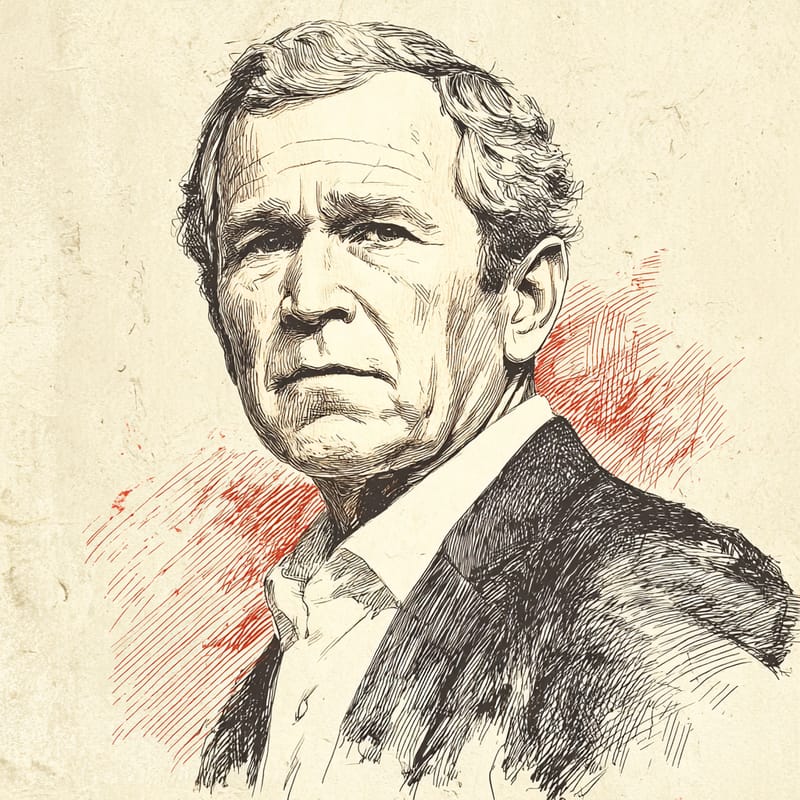


§ Also in the Liberal Conservative hall
Enter the hall →§ Common questions
4 answersWhat is José María Aznar's political ideology?
José María Aznar is a liberal-conservative and Atlanticist: on the 99ideologies three-axis compass, a Rooted Liberal Conservative. Economically he sits clearly on the market side (+54), having privatised state companies and balanced the budget to join the euro. On governance he leans slightly authoritarian (+12), with a hard line against ETA that included the 2002 law used to ban Batasuna, and socially he is moderately traditional (−34), a Catholic-influenced conservative focused on family and national unity.
Is José María Aznar left-wing or right-wing?
Right-wing, from the mainstream centre-right. Aznar built the People's Party into a broad conservative party that absorbed Christian democrats and liberals, and he governed with market reforms, fiscal discipline and a strongly pro-American foreign policy. In his first term he relied on Catalan and Basque nationalist votes and negotiated labour reform with the unions. He later grew critical of the party's direction under Mariano Rajoy and gave up its honorary presidency in 2016.
Why did José María Aznar support the Iraq War?
Aznar backed the 2003 invasion of Iraq because he saw a close alliance with the United States as central to Spain's interests and accepted the case that Saddam Hussein possessed weapons of mass destruction. He joined George W. Bush and Tony Blair at the Azores summit on 16 March 2003 and later sent about 1,300 troops to help secure post-war Iraq, although Spain took no combat role in the invasion. The policy was deeply unpopular in Spain, and the Socialist government of José Luis Rodríguez Zapatero withdrew the troops in 2004.
Which minds are closest to José María Aznar?
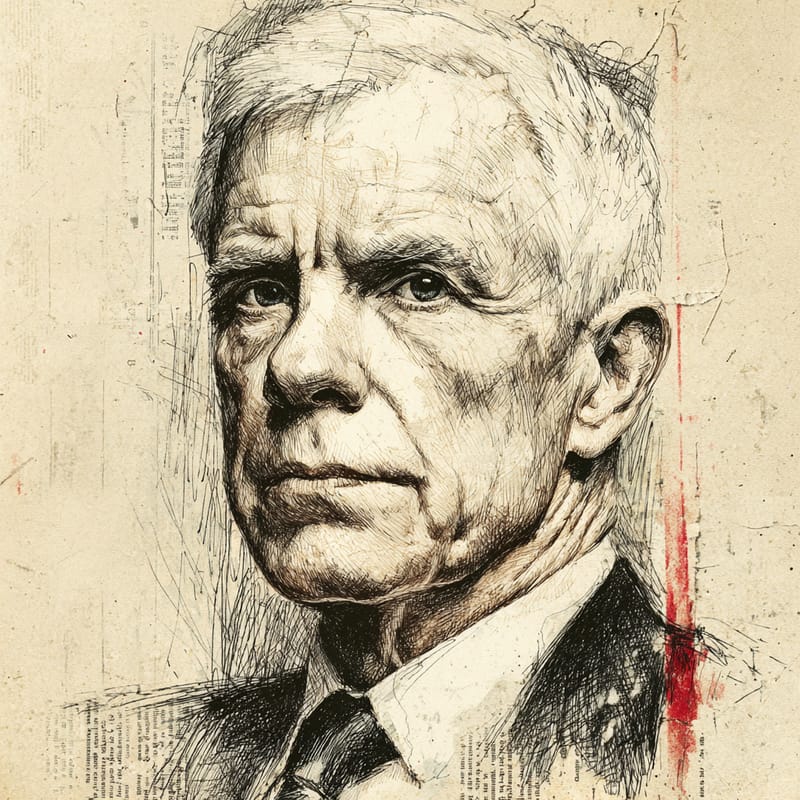
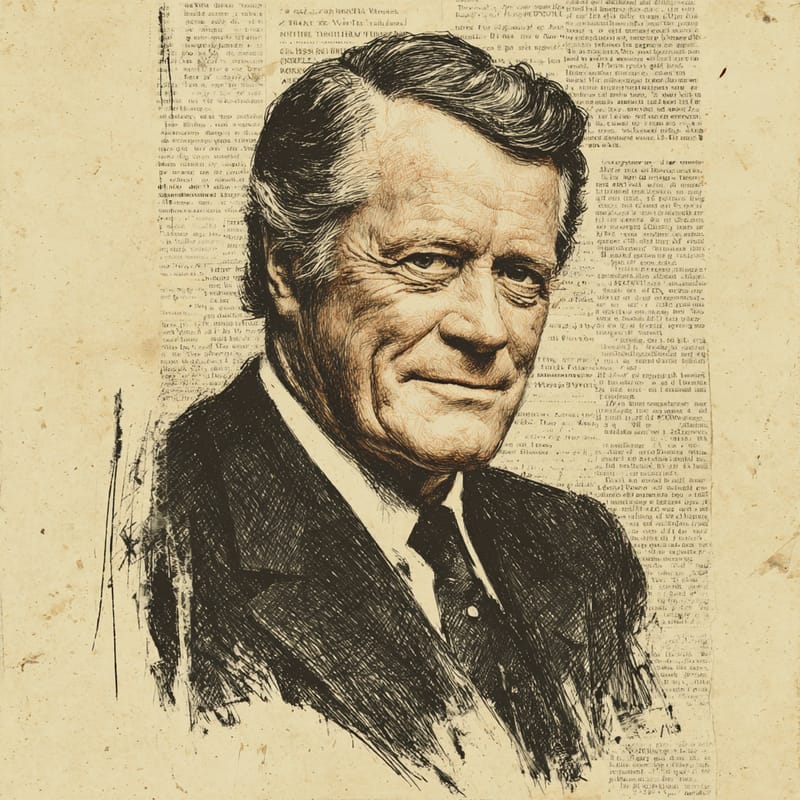
On the 99ideologies three-axis compass, the minds closest to José María Aznar are Robert Peel (98% alike), Francis Urquhart (98% alike) and George W. Bush (97% alike). The furthest is Emma Goldman (14% alike).