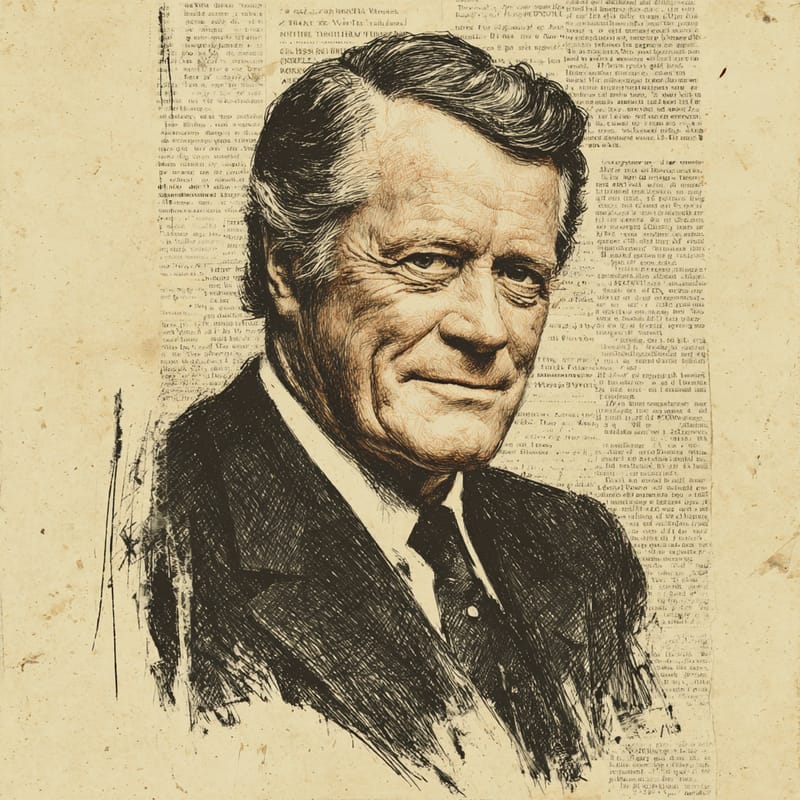
Brian Mulroney
Free trade with America
Business conservatism, Canadian style.
Rooted Liberal ConservativeOne of 729 ideologies · enter the Liberal Conservative hall →- Role
- Prime Minister
- Era
- 1939–2024
- Region
- Canada
- Social band
- Rooted
- Placement
- +52 · +10 · −26
§ Where Brian Mulroney stands
3 axesMulroney's centrepiece was the Canada–US Free Trade Agreement, in force from 1989, followed by NAFTA, signed in 1992; he dismantled the National Energy Program, privatised Air Canada and replaced the manufacturers' sales tax with the Goods and Services Tax in 1991. Yet he kept universal medicare, and in 1985 he retreated from a plan to partially de-index old-age pensions after protests by seniors.
Mulroney governed as a brokerage politician through large parliamentary majorities, but used executive power aggressively when blocked: in 1990 he invoked a rarely used constitutional provision to appoint eight extra senators and push the GST through a Liberal-dominated Senate. His Meech Lake and Charlottetown accords sought constitutional peace with Quebec through bargaining among first ministers, a process critics called elitist.
A Catholic from Quebec's North Shore, Mulroney leaned moderately traditional: after the Supreme Court struck down the abortion law in 1988, his government introduced Bill C-43 to restore criminal limits on abortion, which died on a tied Senate vote in 1991. But he also apologised in 1988, with compensation, to Japanese Canadians interned during the Second World War, and led Western pressure for sanctions against apartheid South Africa.
How close are you to Brian Mulroney?
Three statements, one per axis. Answer them and we’ll drop you on the compass next to them.
§ The story
HistoricalMartin Brian Mulroney (1939–2024) was prime minister of Canada from 1984 to 1993 and leader of the Progressive Conservative Party. The son of an electrician in the paper-mill town of Baie-Comeau, Quebec, he studied at St Francis Xavier University and Laval, became a Montreal labour lawyer and made his name on the Cliche Commission into violence in Quebec's construction industry. After losing the 1976 leadership race to Joe Clark he ran the Iron Ore Company of Canada, then won the leadership in 1983 and a landslide in 1984.
Mulroney staked his career on economic integration with the United States, winning the bitterly fought 1988 election on free trade, and spent much of his tenure trying to win Quebec's assent to the 1982 constitution through the Meech Lake and Charlottetown accords, both of which failed. The GST, recession and constitutional fatigue left him deeply unpopular, and his party was reduced to two seats in 1993, months after he stepped down. A 2010 public inquiry judged his acceptance of cash payments from the lobbyist Karlheinz Schreiber after leaving office inappropriate.
Notable for
- 01Canada–US Free Trade Agreement
- 02Introduced the GST
- 03Anti-apartheid leadership
Key works & moments
- 1983Wins the Progressive Conservative leadership, defeating Joe Clark.
- 1984Leads the party to a landslide of 211 seats and becomes prime minister.
- 1987Agrees the Meech Lake Accord with the ten premiers; it collapses in 1990.
- 1988Wins re-election on free trade; the Canada–US Free Trade Agreement takes effect in 1989.
- 1991Introduces the GST and signs the Canada–US Air Quality Agreement on acid rain.
- 1992Signs NAFTA; voters reject his Charlottetown constitutional accord in a referendum.
§ Minds closest to Brian Mulroney
All minds →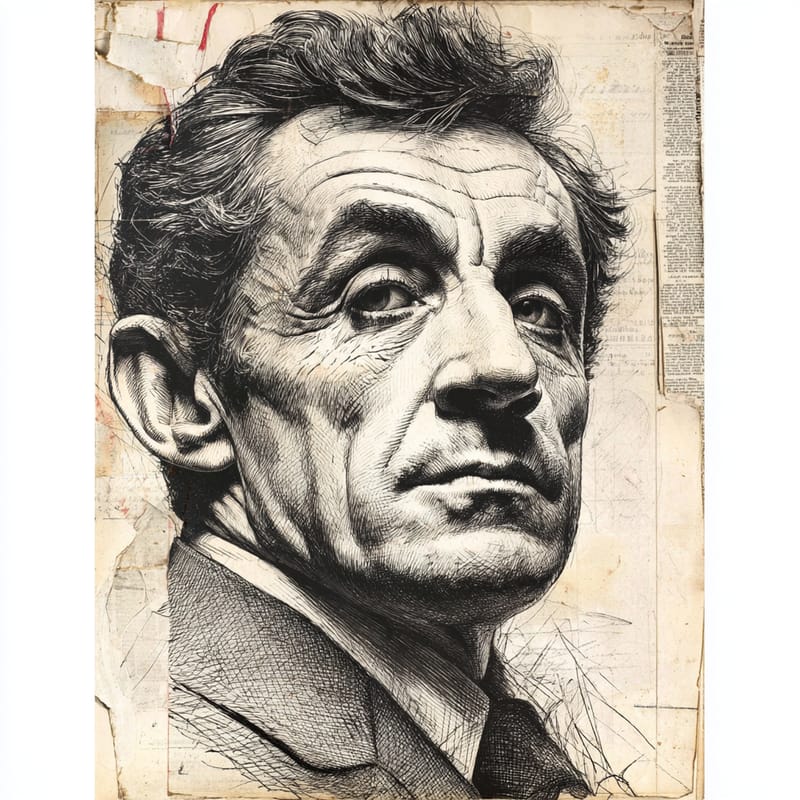

§ Also in the Liberal Conservative hall
Enter the hall →§ Common questions
4 answersWhat was Brian Mulroney's political ideology?
Brian Mulroney was a business-friendly Progressive Conservative: on the 99ideologies three-axis compass, a Rooted Liberal Conservative. Economically he sat clearly on the market side (+52), pursuing free trade with the United States, privatisation and the GST while keeping universal medicare. On governance he leaned slightly authoritarian (+10), using his majorities and a rarely used power to add senators to force through his agenda, and socially he was moderately traditional (−26), a Catholic conservative who also championed sanctions against apartheid.
Was Brian Mulroney left-wing or right-wing?
Centre-right. Mulroney led Canada's Progressive Conservatives and pursued a pro-business agenda of free trade, privatisation, deregulation and a broad consumption tax, which made him a counterpart of Ronald Reagan and Margaret Thatcher. But he was a brokerage politician rather than an ideologue: he described universal social programmes as a sacred trust, kept medicare intact, negotiated an acid-rain agreement with Washington and broke with Reagan and Thatcher over sanctions on apartheid South Africa.
Did Brian Mulroney oppose apartheid?
Yes, and it was one of the defining stances of his foreign policy. From 1985 his government imposed economic sanctions on South Africa, and at Commonwealth summits Mulroney pressed for tougher collective measures over the objections of Margaret Thatcher, while also differing with Ronald Reagan's policy of constructive engagement. In June 1990, months after his release from prison, Nelson Mandela addressed Canada's Parliament, a visit widely seen as recognition of Canada's role in the sanctions campaign.
Which minds are closest to Brian Mulroney?
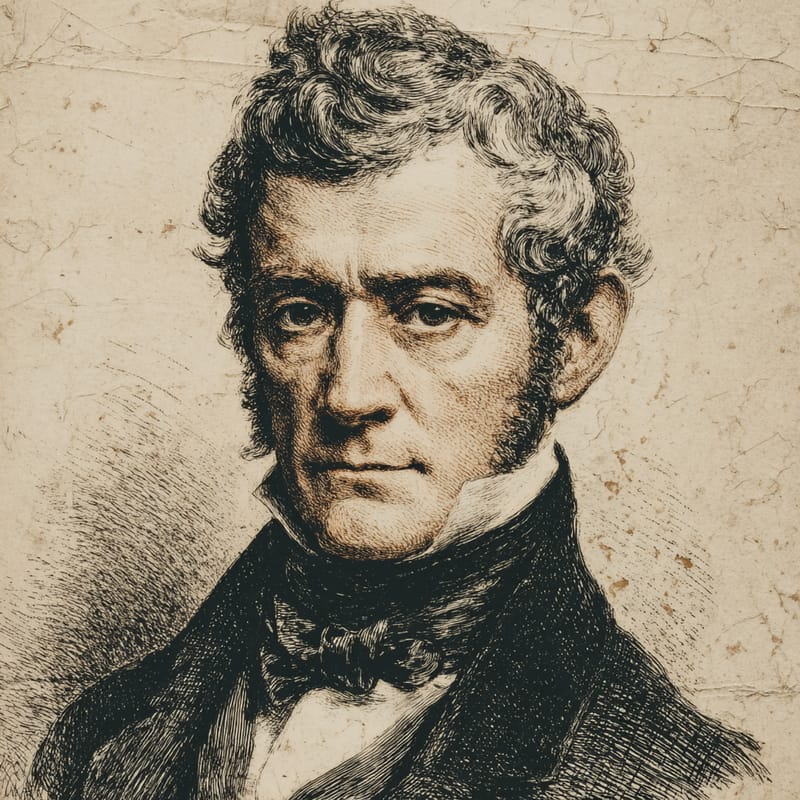
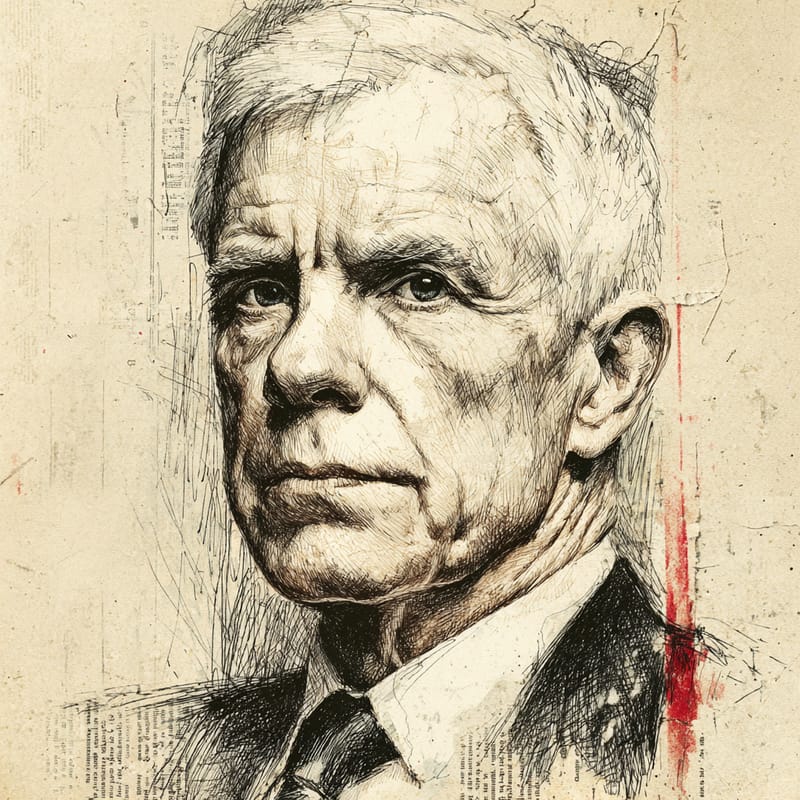
On the 99ideologies three-axis compass, the minds closest to Brian Mulroney are Nicolas Sarkozy (99% alike), Robert Peel (98% alike) and John McCain (98% alike). The furthest is Emma Goldman (16% alike).