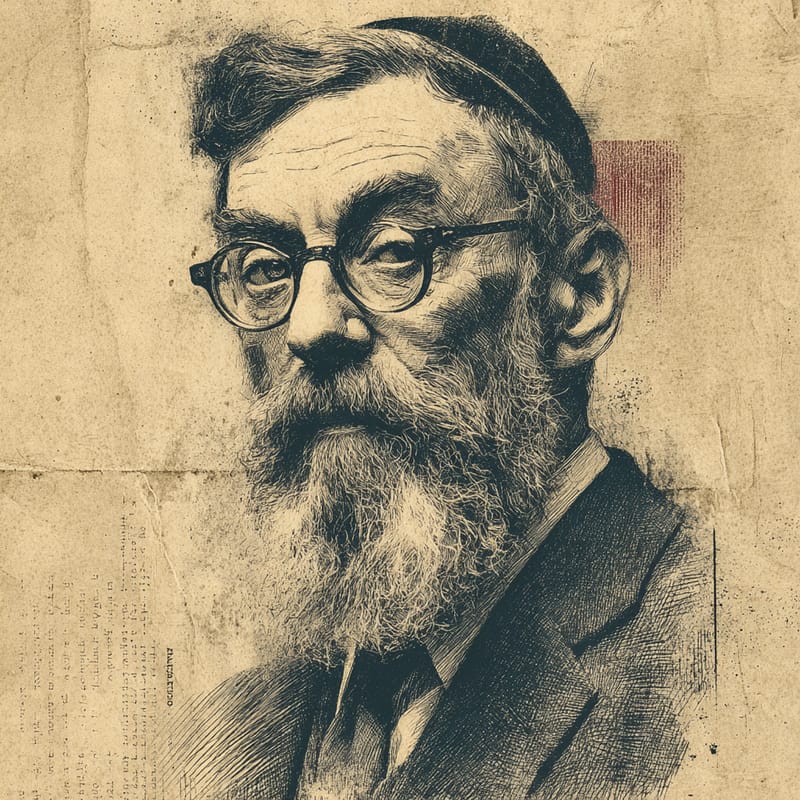
Israel Kirzner
The entrepreneur discovers
Alertness and market process.
Rooted Libertarian CapitalistOne of 729 ideologies · enter the Libertarian Capitalist hall →- Role
- Economist
- Era
- b. 1930
- Region
- UK / US
- Social band
- Rooted
- Placement
- +90 · −24 · −30
§ Where Israel Kirzner stands
3 axesKirzner sees the market as a process of discovery driven by entrepreneurs who are alert to price discrepancies others have overlooked. In Competition and Entrepreneurship (1973) he argued that this alertness, not equilibrium, explains how markets correct errors and coordinate plans, and Discovery, Capitalism, and Distributive Justice (1989) defended entrepreneurial profit as a just reward under a finders-keepers ethic.
A minimal-state classical liberal in the tradition of his teacher Mises, Kirzner argues that regulation does damage beyond its visible costs by blocking discoveries no official can foresee, a case he made in Discovery and the Capitalist Process (1985). His work is academic rather than activist, and he has largely stayed out of party politics.
Kirzner's personal life is rooted in Orthodox Judaism: he is a rabbi and Talmud teacher and a disciple of Rabbi Yitzchak Hutner. He keeps his religious and economic writing largely separate, but his defence of the market rests on moral foundations of personal responsibility and just reward, set out in his 1989 book on distributive justice.
How close are you to Israel Kirzner?
Three statements, one per axis. Answer them and we’ll drop you on the compass next to them.
§ The story
HistoricalIsrael Meir Kirzner (born 1930) is a British-born American economist of the Austrian School and an Orthodox rabbi. Born in London, the son of a rabbi, he spent part of his youth in South Africa before settling in the United States, where he studied at Brooklyn College and completed a doctorate at New York University in 1957 under Ludwig von Mises. He taught at NYU from 1957 until his retirement in 2001, and from the 1970s he was one of the leaders of the Austrian revival.
Kirzner's Competition and Entrepreneurship (1973) put the alert entrepreneur, who notices profit opportunities others have missed, at the centre of market theory, offering an alternative to the static equilibrium models of mainstream economics. Later books extended the idea to the ethics of distribution and to the history of Austrian thought, including a 2001 study of Mises. Alongside his academic career he has been a Talmud scholar and teacher in Brooklyn and a disciple of Rabbi Yitzchak Hutner.
Notable for
- 01Theory of entrepreneurial discovery
- 02'Competition and Entrepreneurship'
- 03Austrian revival
Key works & moments
- 1957Completes his doctorate under Ludwig von Mises at New York University and joins its faculty.
- 1960Publishes The Economic Point of View, a history of how economists defined their discipline.
- 1973Publishes Competition and Entrepreneurship, his theory of entrepreneurial alertness.
- 1974Speaks at the South Royalton conference that launches the modern Austrian revival.
- 1989Publishes Discovery, Capitalism, and Distributive Justice.
- 2001Retires from NYU and publishes a study of Ludwig von Mises.
§ Minds closest to Israel Kirzner
All minds →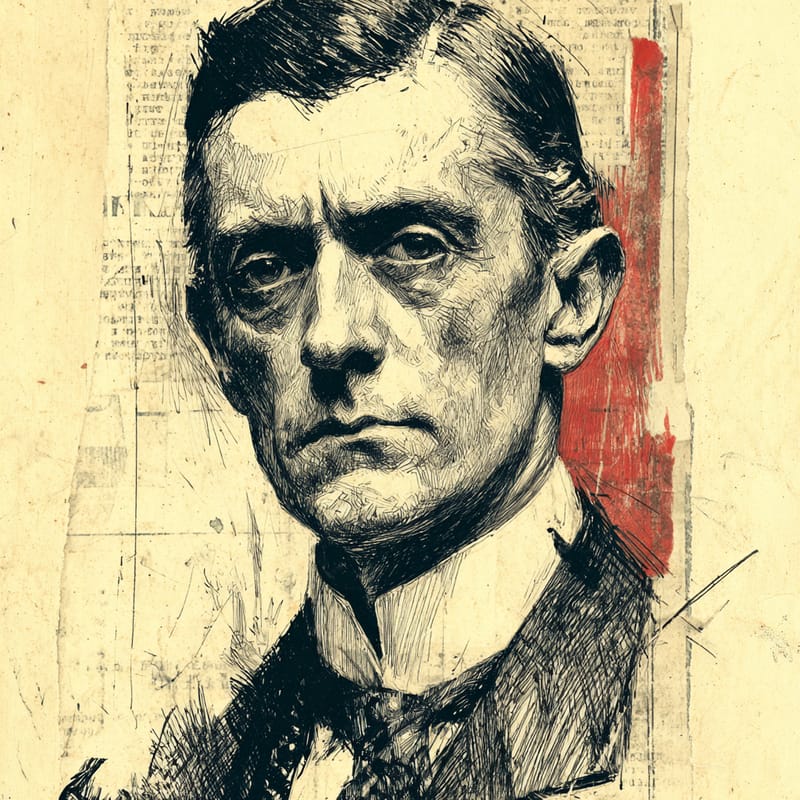
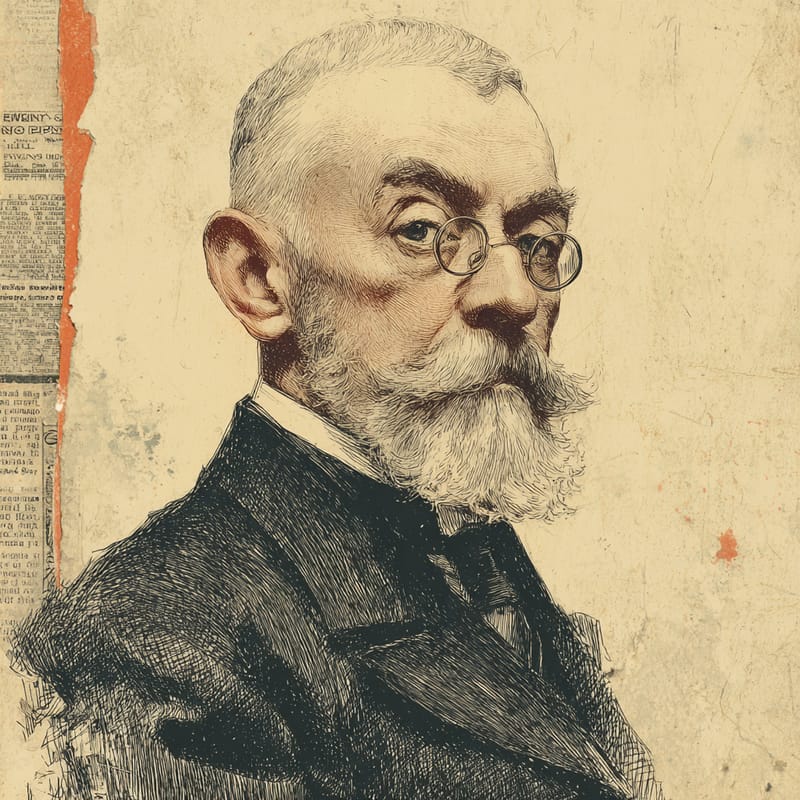
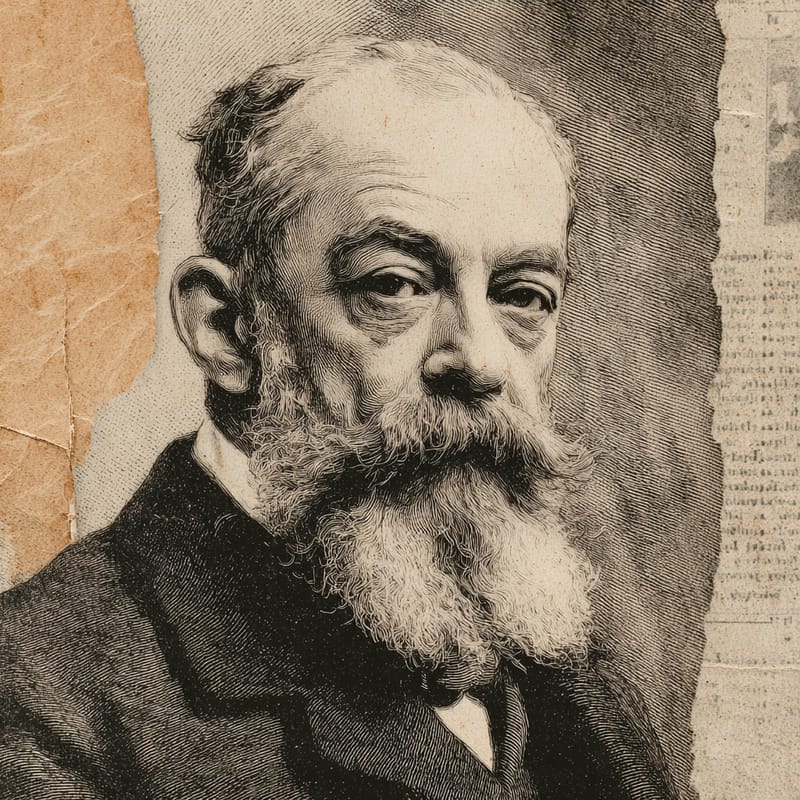


§ Also in the Libertarian Capitalist hall
Enter the hall →§ Common questions
4 answersWhat is Israel Kirzner's political ideology?
Israel Kirzner is a classical liberal economist of the Austrian School: on the 99ideologies three-axis compass, a Rooted Libertarian Capitalist. Economically he sits near the market extreme (+90), defending the market as a process of entrepreneurial discovery and profit as its just reward. On governance he leans libertarian (−24), warning that regulation blocks discoveries no official can foresee, and socially he is moderately traditional (−30), an Orthodox rabbi whose personal life is rooted in religious observance.
Is Israel Kirzner left-wing or right-wing?
Right of centre economically, as one of the leading theorists of free markets in the Austrian tradition, though he is a scholar rather than a political activist. Kirzner's work defends entrepreneurial profit, competition and limited government against planning and heavy regulation, positions associated with the free-market right. He has written little on partisan politics or cultural issues, so his place on the right comes from his economics rather than from any political campaign.
What is entrepreneurial alertness?
It is Kirzner's term for the capacity to notice profit opportunities that others have overlooked, such as a good that can be bought cheaply in one market and sold dearly in another. In Competition and Entrepreneurship (1973) he argued that this alertness, rather than capital or risk-bearing, is the essence of entrepreneurship, and that it drives markets toward coordination by discovering and correcting errors. The idea became one of the most influential contributions of the modern Austrian School.
Which minds are closest to Israel Kirzner?
On the 99ideologies three-axis compass, the minds closest to Israel Kirzner are Hank Rearden (94% alike), Eugen von Böhm-Bawerk (94% alike) and Carl Menger (93% alike). The furthest is Pol Pot (3% alike).