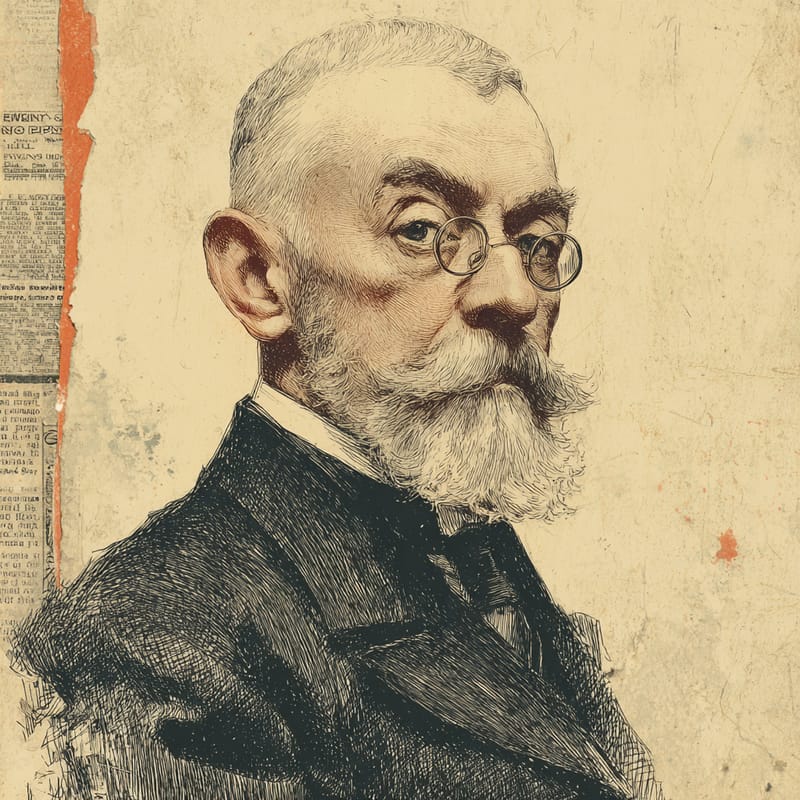
Eugen von Böhm-Bawerk
Capital and interest
Time is the heart of the economy.
Rooted Libertarian CapitalistOne of 729 ideologies · enter the Libertarian Capitalist hall →- Role
- Economist & minister
- Era
- 1851–1914
- Region
- Austria
- Social band
- Rooted
- Placement
- +90 · −22 · −16
§ Where Eugen von Böhm-Bawerk stands
3 axesBöhm-Bawerk's Capital and Interest (1884–89) justified interest as a reward for waiting rather than a form of exploitation, grounding it in time preference and the productivity of roundabout production. Karl Marx and the Close of His System (1896) argued that Marx's labour theory of value could not explain actual prices, and his 1914 essay Control or Economic Law? held that state or union power cannot permanently override market laws.
As finance minister in the 1890s and from 1900 to 1904, Böhm-Bawerk practised the liberalism he taught, keeping the currency tied to gold, balancing budgets and resisting extravagant spending. He resigned in 1904 rather than accept demands that threatened his budget, but he served the Habsburg state loyally as a senior official, so his liberalism meant fiscal restraint within established institutions rather than hostility to government.
Böhm-Bawerk was a pillar of the Habsburg establishment, a senior civil servant and, from 1911, president of the Academy of Sciences in Vienna. His conservative-liberal outlook favoured order, duty and sound institutions, and his portrait later appeared on Austria's 100-schilling banknote, a mark of the respectability he embodied.
How close are you to Eugen von Böhm-Bawerk?
Three statements, one per axis. Answer them and we’ll drop you on the compass next to them.
§ The story
HistoricalEugen von Böhm-Bawerk (1851–1914) was an Austrian economist and statesman, one of the founding figures of the Austrian School. Born in Brünn, Moravia, now Brno in the Czech Republic, he studied law in Vienna and economics in Germany alongside his friend and future brother-in-law Friedrich von Wieser. He taught at the University of Innsbruck in the 1880s, joined the finance ministry in 1889, served three times as finance minister between 1895 and 1904, and then returned to teach at the University of Vienna.
Böhm-Bawerk's Capital and Interest (1884–89) explained interest as the price of time, arising because people value present goods more than future ones and because roundabout methods of production take time to bear fruit. His Karl Marx and the Close of His System (1896) became the classic economic critique of Marx's labour theory of value. As finance minister he defended the gold standard and balanced budgets, resigning in 1904 over spending demands, and his Vienna seminar trained Ludwig von Mises and Joseph Schumpeter.
Notable for
- 01'Capital and Interest'
- 02Refuted Marxian exploitation
- 03Austrian finance minister
Key works & moments
- 1884Publishes History and Critique of Interest Theories, the first volume of Capital and Interest.
- 1889Publishes The Positive Theory of Capital and joins the Austrian finance ministry.
- 1896Publishes Karl Marx and the Close of His System, a landmark critique of Marx.
- 1900Begins his longest term as finance minister, in Ernest von Koerber's government.
- 1904Resigns as finance minister and returns to teach at the University of Vienna.
- 1914Publishes Control or Economic Law? shortly before his death.
§ Minds closest to Eugen von Böhm-Bawerk
All minds →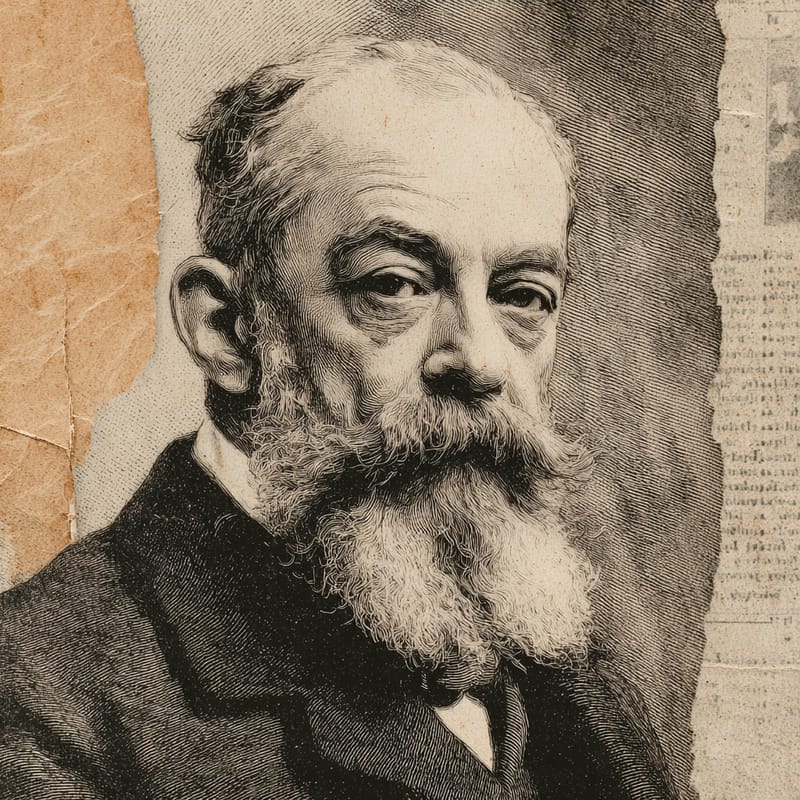
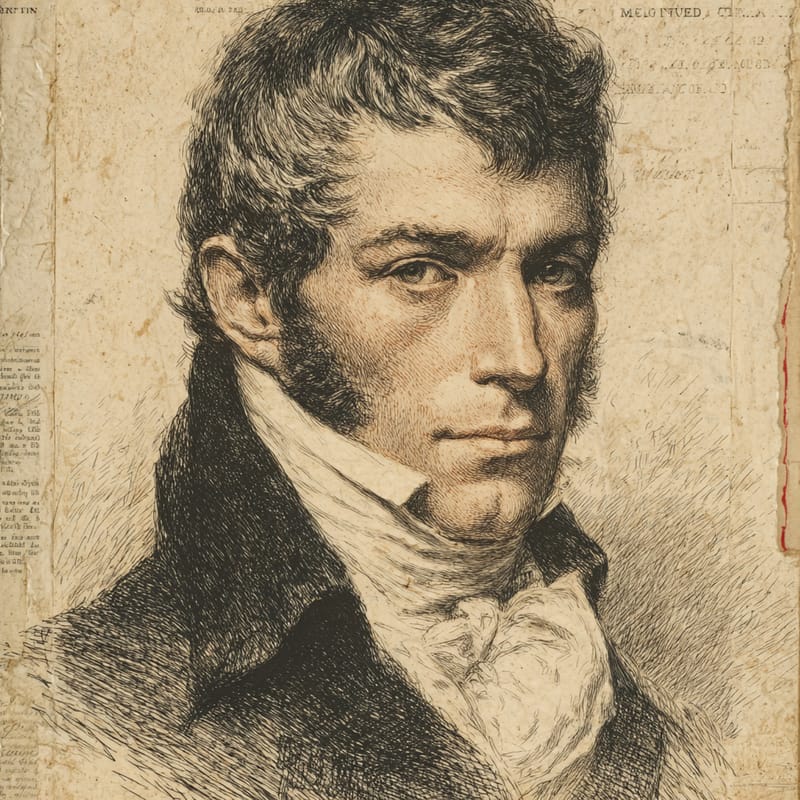
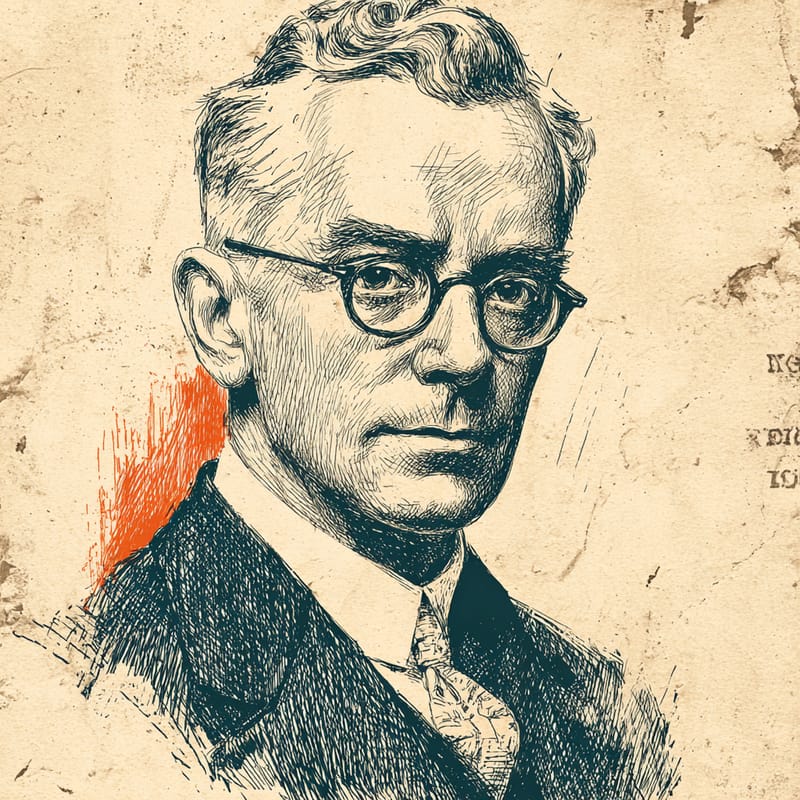
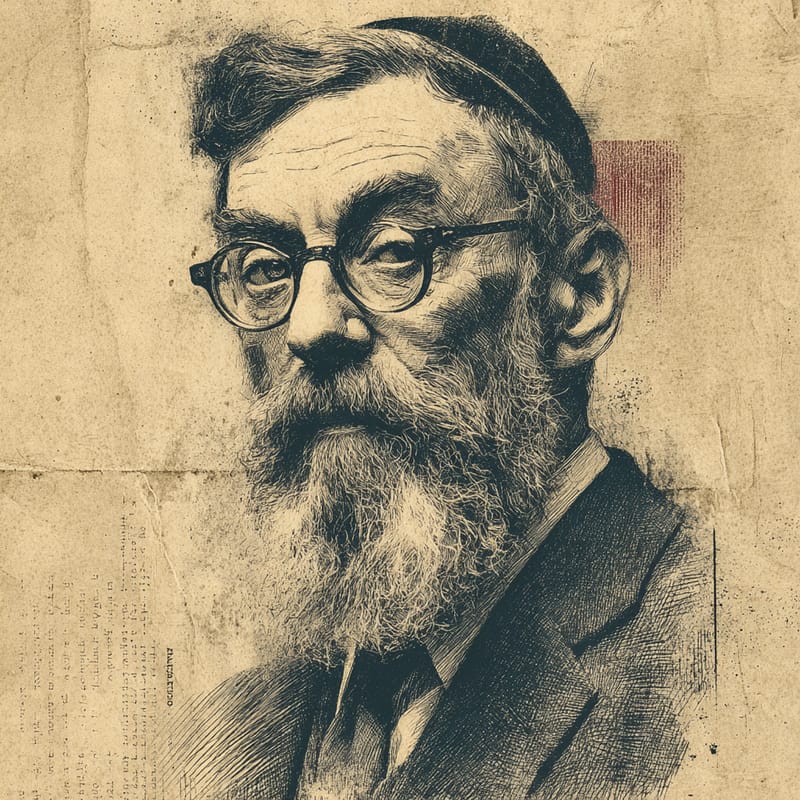

§ Also in the Libertarian Capitalist hall
Enter the hall →The closest minds above are this hall’s whole roster.
§ Common questions
4 answersWhat was Eugen von Böhm-Bawerk's political ideology?
Eugen von Böhm-Bawerk was a classical liberal economist of the Austrian School and a fiscally conservative statesman: on the 99ideologies three-axis compass, a Rooted Libertarian Capitalist. Economically he sat near the market extreme (+90), defending interest and capital against Marx's charge of exploitation. On governance he leaned libertarian (−22), a finance minister committed to gold, balanced budgets and limited spending, and socially he was mildly traditional (−16), a loyal servant of the Habsburg establishment.
Was Eugen von Böhm-Bawerk left-wing or right-wing?
Right of centre in modern terms, and a leading intellectual opponent of socialism. Böhm-Bawerk's critique of Marx's labour theory of value and his defence of interest as payment for time made him the most formidable economic critic of Marxism of his era. In the politics of the Habsburg monarchy he was a liberal technocrat rather than a party man, serving in cabinets of officials and defending sound money and balanced budgets.
How did Böhm-Bawerk criticise Marx?
He argued that Marx's labour theory of value was internally inconsistent and could not explain real prices. In Karl Marx and the Close of His System (1896), written after the third volume of Capital appeared in 1894, Böhm-Bawerk contended that Marx's attempt to reconcile labour values with prices of production abandoned the theory of the first volume. In Capital and Interest he also rejected the idea that profit is exploitation, explaining interest instead by people's preference for present over future goods.
Which minds are closest to Eugen von Böhm-Bawerk?
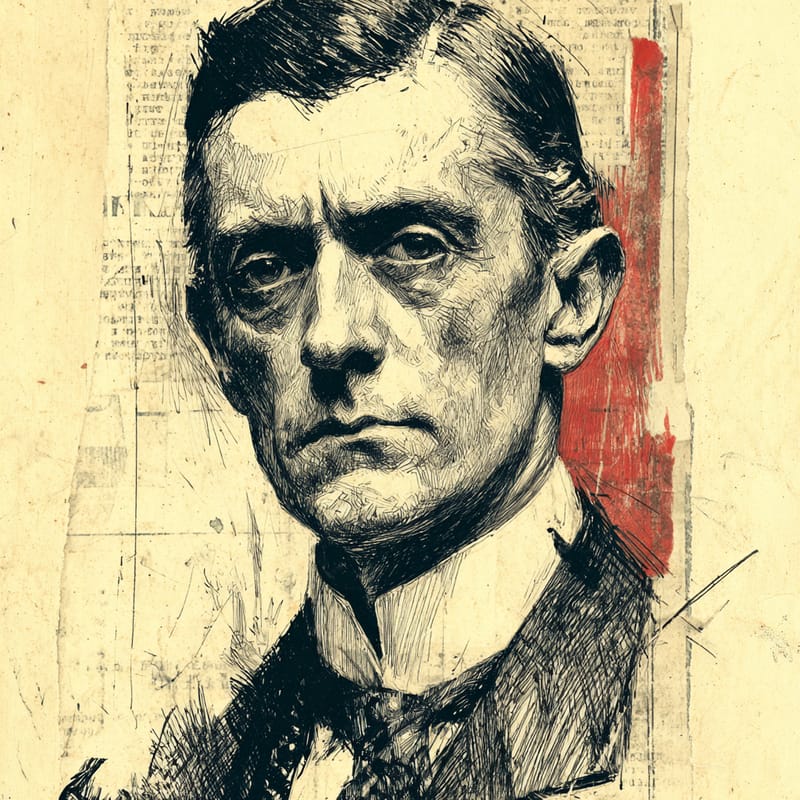
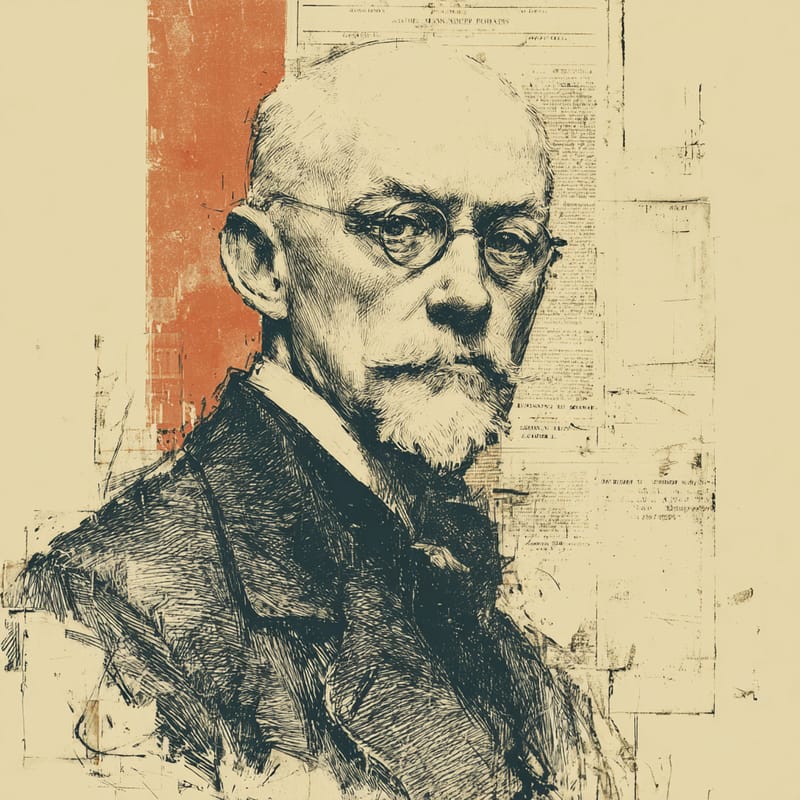
On the 99ideologies three-axis compass, the minds closest to Eugen von Böhm-Bawerk are Carl Menger (98% alike), Hank Rearden (97% alike) and Ludwig Lachmann (96% alike). The furthest is Pol Pot (5% alike).