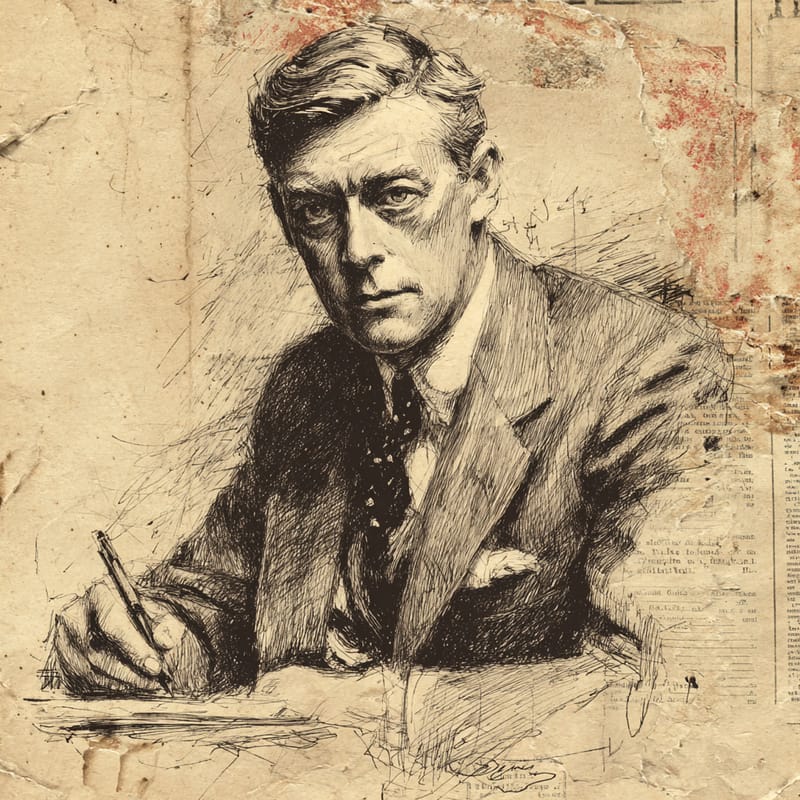
William F. Buckley Jr.
Standing athwart history
The conservative who made fusionism respectable.
Traditional Conservative LibertarianOne of 729 ideologies · enter the Conservative Libertarian hall →- Role
- Editor & writer
- Era
- 1925–2008
- Region
- United States
- Social band
- Traditional
- Placement
- +70 · −22 · −50
§ Where William F. Buckley Jr. stands
3 axesBuckley was a free-market individualist who opposed the New Deal state, high taxes and the regulation of business, and God and Man at Yale (1951) attacked the university's economics teaching as collectivist. National Review championed free-market economists, and he backed Barry Goldwater in 1964 and Ronald Reagan's tax cuts and deregulation in the 1980s, while accepting a large defence budget to fight communism.
Buckley favoured limited government and ordered liberty, and late in life he supported legalising drugs, joining National Review's 1996 symposium declaring the war on drugs lost. But his anti-communism made him a supporter of strong state power in the early Cold War, as McCarthy and His Enemies (1954), written with L. Brent Bozell, showed.
A devout Catholic, Buckley defended religious faith, traditional morality and Western civilisation against secular liberalism, a stance launched by God and Man at Yale in 1951. He opposed the sexual revolution and abortion, and in the 1950s and 1960s he resisted federal civil rights legislation, a position he later said had been mistaken; on drug policy, by contrast, his views loosened with age.
How close are you to William F. Buckley Jr.?
Three statements, one per axis. Answer them and we’ll drop you on the compass next to them.
§ The story
HistoricalWilliam Frank Buckley Jr. (1925–2008) was an American author, editor and broadcaster and the leading organiser of post-war American conservatism. Raised a devout Catholic in a wealthy family, he served in the Army and graduated from Yale, whose secular and collectivist teaching he attacked in God and Man at Yale (1951). In 1955 he founded the magazine National Review, and from 1966 to 1999 he hosted the television debate programme Firing Line, becoming one of the country's best-known public intellectuals.
Buckley built a coalition of free-market libertarians, religious traditionalists and anti-communists, and he policed its edges, distancing the movement from the John Birch Society in the early 1960s and from Ayn Rand's atheist Objectivism. His record includes positions he later disowned: a 1957 National Review editorial argued that white Southerners were entitled to prevail politically where they were outnumbered because they were the more advanced race, and he opposed federal civil rights legislation before later saying he had been wrong. He ran for mayor of New York in 1965 and received the Presidential Medal of Freedom in 1991.
Notable for
- 01Founded 'National Review'
- 02Hosted 'Firing Line'
- 03'God and Man at Yale'
Key works & moments
- 1951Publishes God and Man at Yale, attacking his university's secularism and collectivism.
- 1955Founds National Review, pledging that it 'stands athwart history, yelling Stop'.
- 1962Attacks John Birch Society leader Robert Welch, distancing conservatism from conspiracy theories.
- 1965Runs for mayor of New York on the Conservative Party ticket, winning about 13 per cent.
- 1966Launches Firing Line, which runs for 33 years as a forum for political debate.
- 1991Receives the Presidential Medal of Freedom from George H. W. Bush.
In their own words
“It stands athwart history, yelling Stop”
§ Minds closest to William F. Buckley Jr.
All minds →
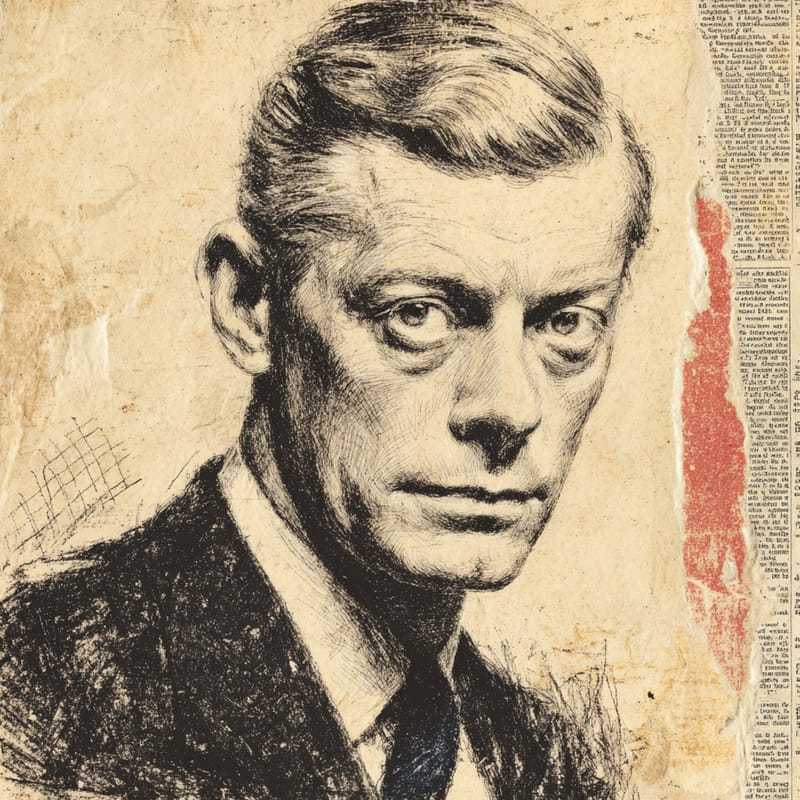
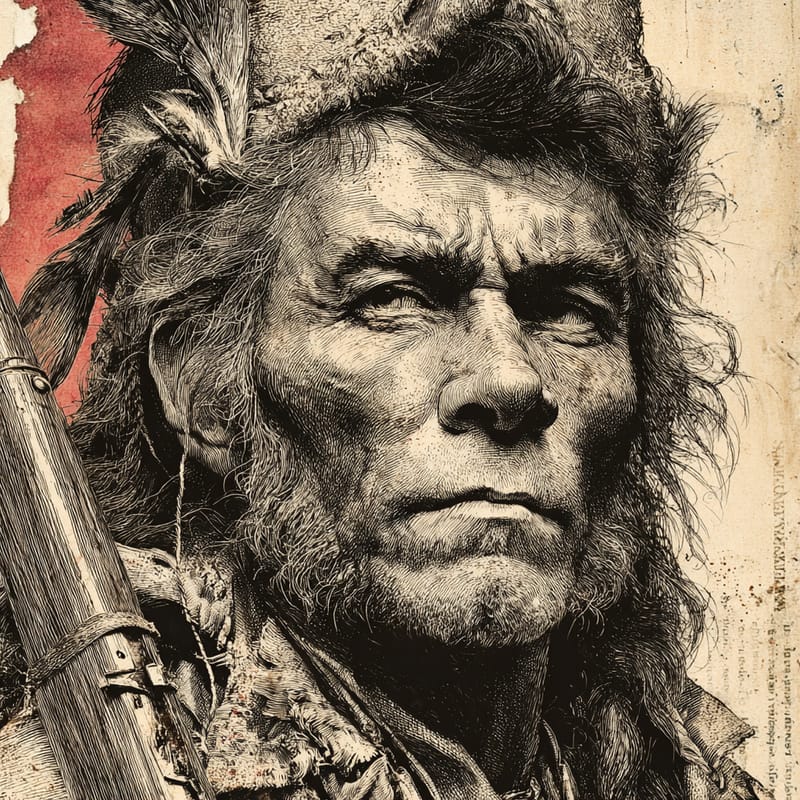
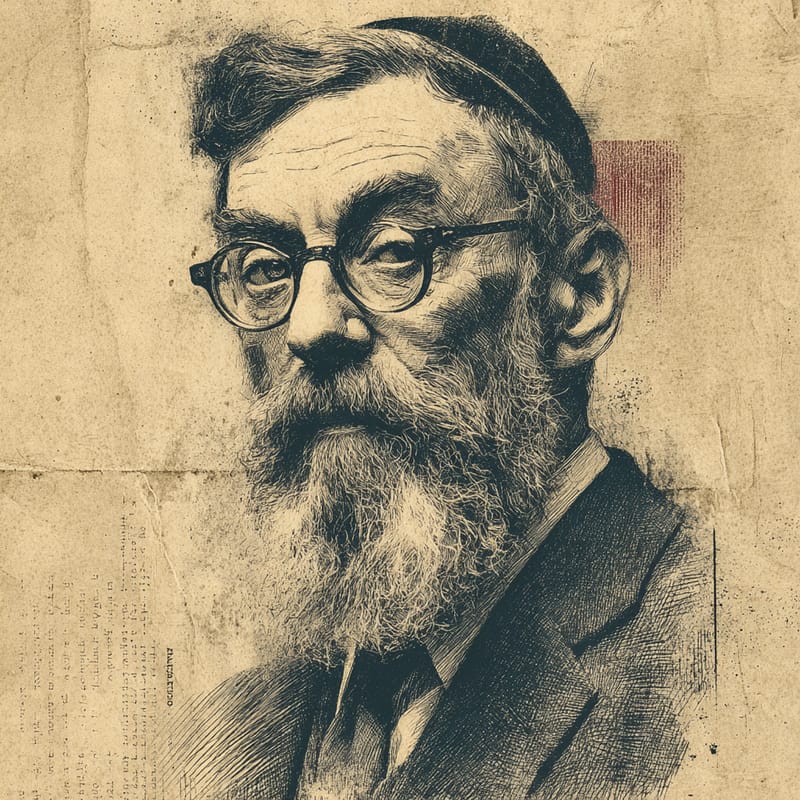

§ Also in the Conservative Libertarian hall
Enter the hall →§ Common questions
4 answersWhat was William F. Buckley Jr.'s political ideology?
William F. Buckley Jr. was a fusionist conservative who united free-market economics, Catholic traditionalism and anti-communism: on the 99ideologies three-axis compass, a Traditional Conservative Libertarian. Economically he sat firmly on the market side (+70), opposing the New Deal state and high taxes. On governance he leaned libertarian (−22), favouring limited government and, late in life, drug legalisation, and socially he was clearly traditional (−50), a devout Catholic who defended religious faith and Western tradition.
Was William F. Buckley Jr. left-wing or right-wing?
Right-wing: he was the leading organiser of the post-war American conservative movement. National Review gave the right an intellectual home, he backed Barry Goldwater and Ronald Reagan, and he spent decades debating liberals on Firing Line. Yet he defined the right partly by exclusion, distancing it from the John Birch Society and Ayn Rand's Objectivism, and his later support for drug legalisation and judgement that the Iraq war had failed showed independence from party lines.
Why did William F. Buckley Jr. found National Review?
To give American conservatism a serious intellectual voice at a time when liberalism dominated the universities and the press. Founded in 1955 with money partly from his father, the magazine set out, in its own words, to stand athwart history yelling stop, and it brought together free-market economists, traditionalists and anti-communist former leftists such as Frank Meyer and James Burnham. It shaped the Goldwater campaign of 1964 and the Reagan coalition, becoming the flagship of the post-war right.
Which minds are closest to William F. Buckley Jr.?
On the 99ideologies three-axis compass, the minds closest to William F. Buckley Jr. are M. Stanton Evans (97% alike), Hank Hill (97% alike) and Frank Meyer (97% alike). The furthest is Pol Pot (6% alike).