
The Time-Store Keeper (archetype)
Exchange at honest cost
Markets without masters.
Reformist MutualistOne of 729 ideologies · enter the Mutualist hall →- Role
- Cooperative trader
- From
- Archetype
- Region
- —
- Social band
- Reformist
- Placement
- −32 · −74 · +42
§ Where The Time-Store Keeper (archetype) stands
3 axesThe Time-Store Keeper prices goods by the labour they cost, following Warren's principle that cost should be the limit of price, and refuses profit, interest and rent. Warren's store of 1827 charged the wholesale cost of goods plus a labour note for the keeper's time. Markets, private property and individual enterprise all remain, which is why the archetype sits only modestly left of centre.
The archetype needs no state, only honest contracts among neighbours. Exchange is voluntary, accounts are kept in labour notes or hours, and trust rests on reputation and mutual obligation, as in Warren's village of Modern Times on Long Island, founded in 1851 without formal government. Agreements still bind, though, and communities must police their own bargains.
The Time-Store Keeper is egalitarian, neighbourly and practical. In the time banks promoted by Edgar Cahn from the 1980s, an hour of any member's work earns the same credit, levelling the status of trades and professions. The archetype is reformist rather than revolutionary, building a fairer society one exchange at a time.
How close are you to The Time-Store Keeper (archetype)?
Three statements, one per axis. Answer them and we’ll drop you on the compass next to them.
§ The story
ArchetypeThe Time-Store Keeper is the archetype of the cooperative trader who sells goods at their cost in labour rather than for profit, accepting payment in labour notes or hours of service. It stands for Josiah Warren's Cincinnati Time Store of 1827, Robert Owen's National Equitable Labour Exchange in London (1832), Pierre-Joseph Proudhon's People's Bank of 1849 and, in modern times, local exchange trading systems, time banks and community currencies such as Ithaca Hours.
The archetype recurs because it promises a market without masters: honest exchange between neighbours, with no landlord, banker or middleman taking a cut. Its experiments have tended to be small and short-lived; Warren closed his Cincinnati store after about three years and Owen's exchange failed within two, yet the idea revives whenever money seems remote or scarce, as with the LETS schemes of the 1980s and 1990s and the time banks that spread from the United States to Britain and beyond.
Notable for
- 01The honest-cost trader
- 02Markets without masters
- 03Mutualist everyday archetype
Key works & moments
- 1827Josiah Warren opens the Cincinnati Time Store, trading goods for labour notes.
- 1832Robert Owen opens the National Equitable Labour Exchange in London.
- 1849Proudhon launches his People's Bank in Paris to offer interest-free credit.
- 1983Michael Linton starts a Local Exchange Trading System in British Columbia's Comox Valley.
- 1991Ithaca Hours, a local currency denominated in hours of labour, launches in New York State.
§ Minds closest to The Time-Store Keeper (archetype)
All minds →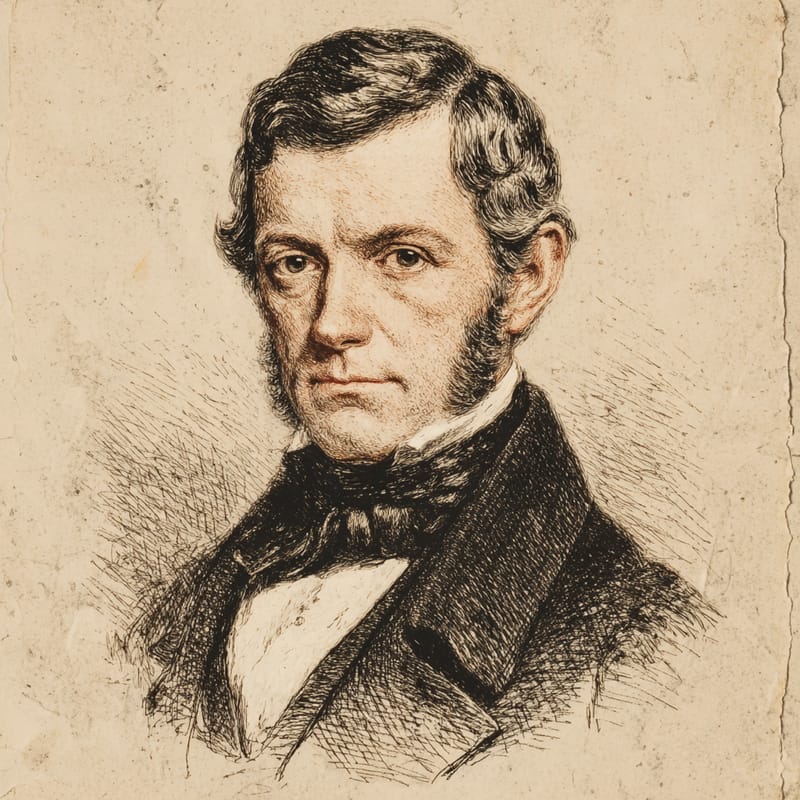


§ Also in the Mutualist hall
Enter the hall →§ Common questions
4 answersWhat is the Time-Store Keeper's political ideology?
The Time-Store Keeper stands for mutualism in everyday life: on the 99ideologies three-axis compass, a Reformist Mutualist. Economically the archetype sits modestly left of centre (−32), keeping markets and private property but trading at labour cost, without profit, interest or rent. On governance it is strongly libertarian (−74), relying on voluntary contracts rather than the state. Socially it is progressive (+42), egalitarian and neighbourly, valuing everyone's labour time alike.
Is the Time-Store Keeper left-wing or right-wing?
Left-wing, though of a market-friendly kind. The archetype rejects profit, interest and rent as forms of exploitation, the core complaint of the socialist tradition, and it grew out of the cooperative and anarchist movements. But it keeps private enterprise, competition and exchange, and asks nothing of the state, so it sits close to the centre on economics and appeals to some libertarians as well as to the cooperative left.
What was a time store?
A time store was a shop that sold goods at cost and charged for the storekeeper's labour by time. Josiah Warren opened the first in Cincinnati in 1827: customers paid the wholesale cost of their purchases plus a labour note promising an equivalent amount of their own work in return for the time the keeper spent serving them. Warren closed it after about three years and repeated the experiment in later communities, and it inspired the labour exchanges, time banks and local currencies that followed.
Which minds are closest to The Time-Store Keeper (archetype)?
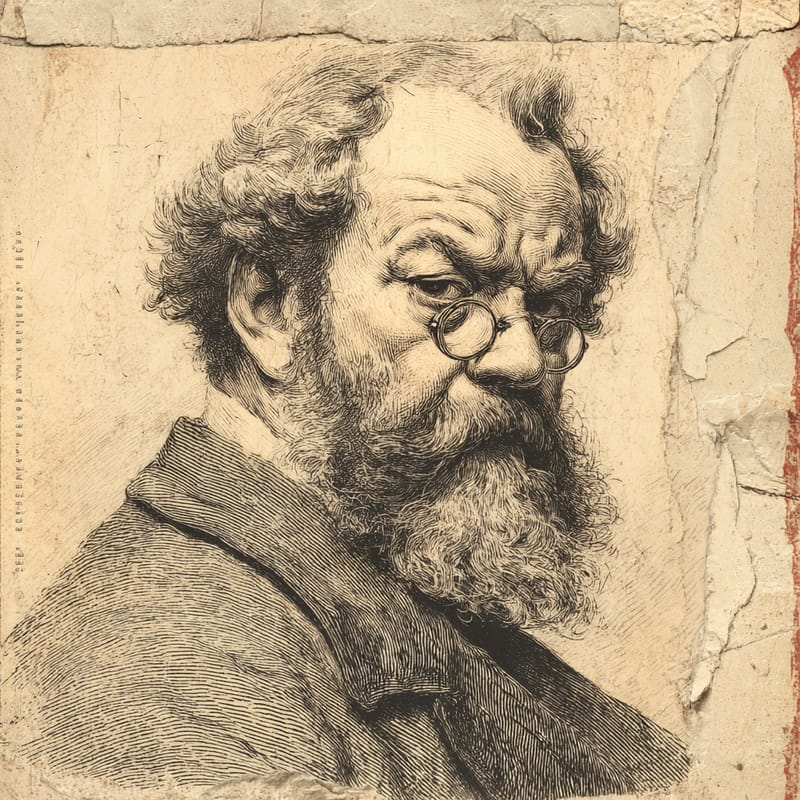
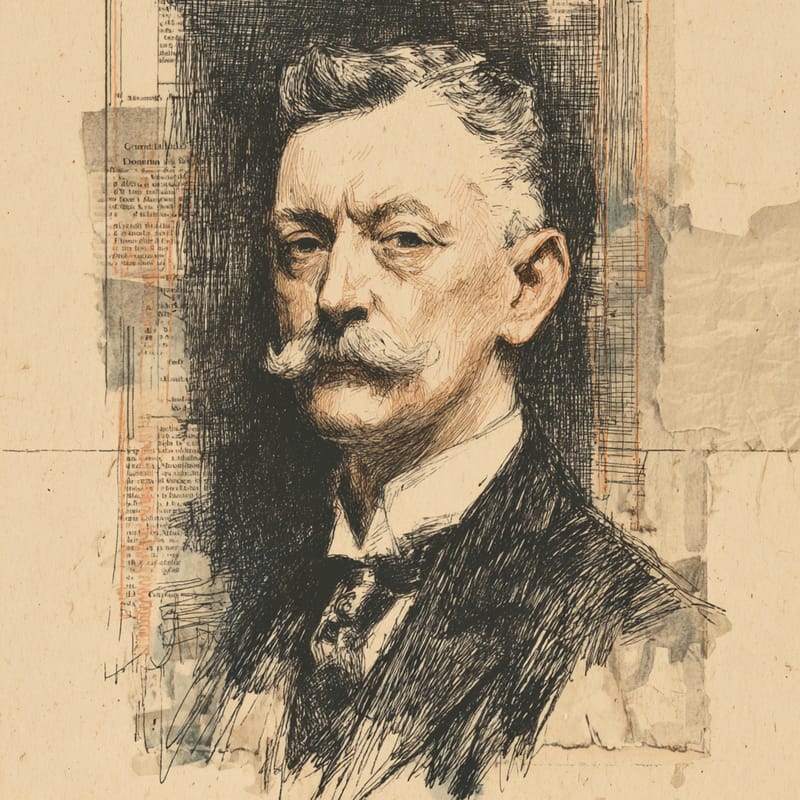
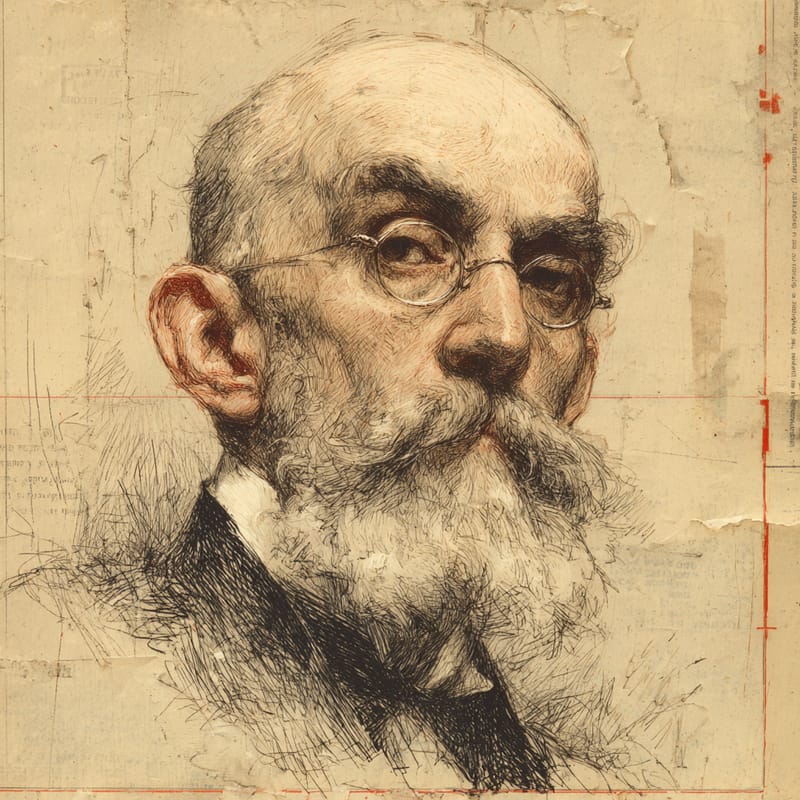
On the 99ideologies three-axis compass, the minds closest to The Time-Store Keeper (archetype) are Josiah Warren (99% alike), Pierre-Joseph Proudhon (99% alike) and Clarence Lee Swartz (98% alike). The furthest is Adam Sutler (1% alike).