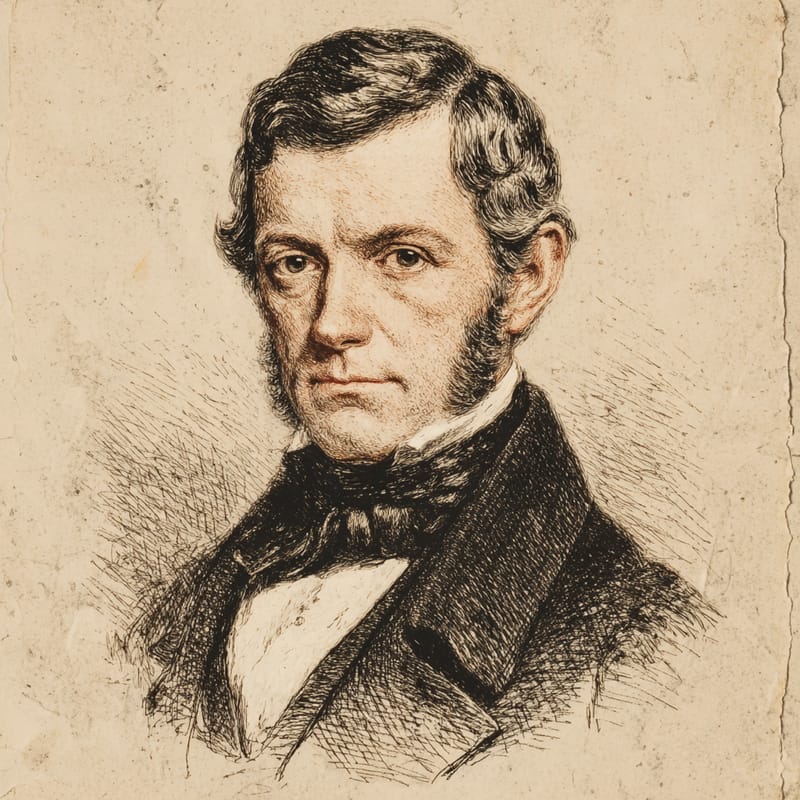
Josiah Warren
Cost the limit of price
America's first anarchist.
Reformist MutualistOne of 729 ideologies · enter the Mutualist hall →- Role
- Reformer & inventor
- Era
- 1798–1874
- Region
- United States
- Social band
- Reformist
- Placement
- −30 · −74 · +40
§ Where Josiah Warren stands
3 axesWarren held that cost, meaning the labour and hardship involved, should be the limit of price, so that no one profits from another's need. His Cincinnati Time Store (1827) put the idea into practice with labour notes, and Equitable Commerce (1846) set out a system of exchange without profit or interest. He kept private property, markets and individual enterprise, which leaves his economics only modestly left of centre.
Warren's principle of the sovereignty of the individual made each person the judge of his or her own conduct, and his villages operated without constitutions, officials or written laws. Modern Times, founded in 1851, governed itself by voluntary agreement, and his periodical The Peaceful Revolutionist (1833) is often called the first anarchist periodical in the United States.
Warren was an experimental reformer whose tolerance of individual choice went far beyond the norms of his day. Modern Times, founded in 1851, left residents to arrange their own private lives, and the free-love ideas of some settlers drew hostile press coverage. Warren himself kept to practical reform, focusing on fair exchange and the end of exploitation rather than moral crusades.
How close are you to Josiah Warren?
Three statements, one per axis. Answer them and we’ll drop you on the compass next to them.
§ The story
HistoricalJosiah Warren (1798–1874) was an American social reformer, inventor and musician, often called the first American anarchist. Born in Boston, he worked as a musician and band leader in Cincinnati and patented a lard-burning lamp before joining Robert Owen's communitarian experiment at New Harmony, Indiana, in 1825. Its collapse convinced him that communities failed when they suppressed individual choice, and he spent the rest of his life devising alternatives based on individual sovereignty and equitable exchange.
In 1827 Warren opened the Cincinnati Time Store, where goods were sold at cost in exchange for labour notes, and he later founded the villages of Utopia in Ohio and Modern Times on Long Island, New York, the latter in 1851 with Stephen Pearl Andrews. He also invented improvements in printing, including a speed press. His principles of the sovereignty of the individual and cost the limit of price, set out in Equitable Commerce (1846), shaped Benjamin Tucker's anarchism, and John Stuart Mill acknowledged him in his Autobiography.
Notable for
- 01Founded 'time stores'
- 02'Cost the limit of price'
- 03Utopian communities (Modern Times)
Key works & moments
- 1825Joins Robert Owen's communitarian experiment at New Harmony, Indiana.
- 1827Opens the Cincinnati Time Store, trading goods at cost for labour notes.
- 1833Publishes The Peaceful Revolutionist, often called America's first anarchist periodical.
- 1846Publishes Equitable Commerce, setting out the principle that cost is the limit of price.
- 1851Founds Modern Times on Long Island with Stephen Pearl Andrews.
- 1863Publishes True Civilization, a late restatement of individual sovereignty.
§ Minds closest to Josiah Warren
All minds →
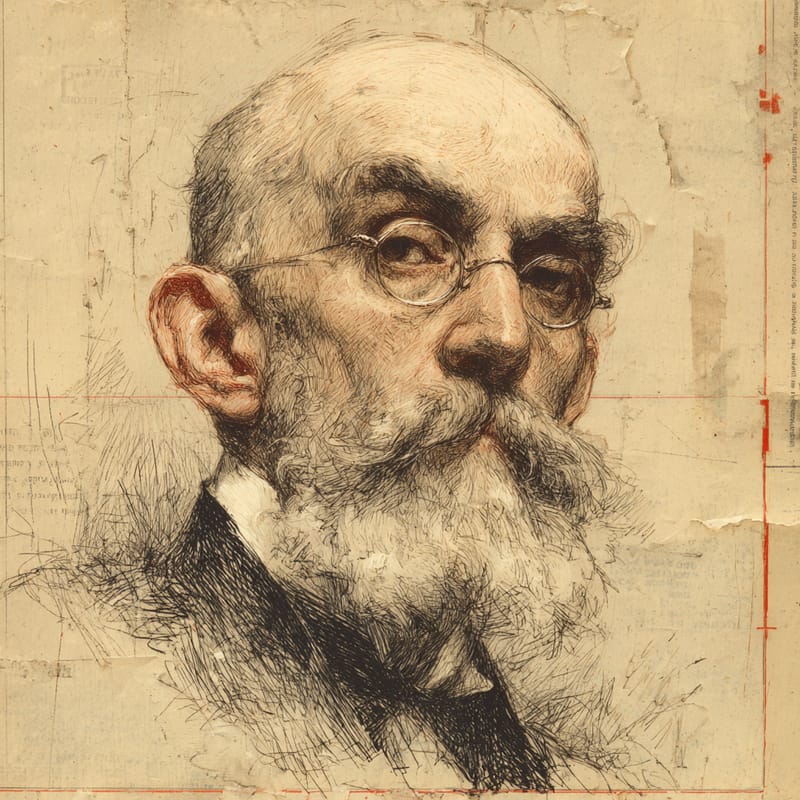

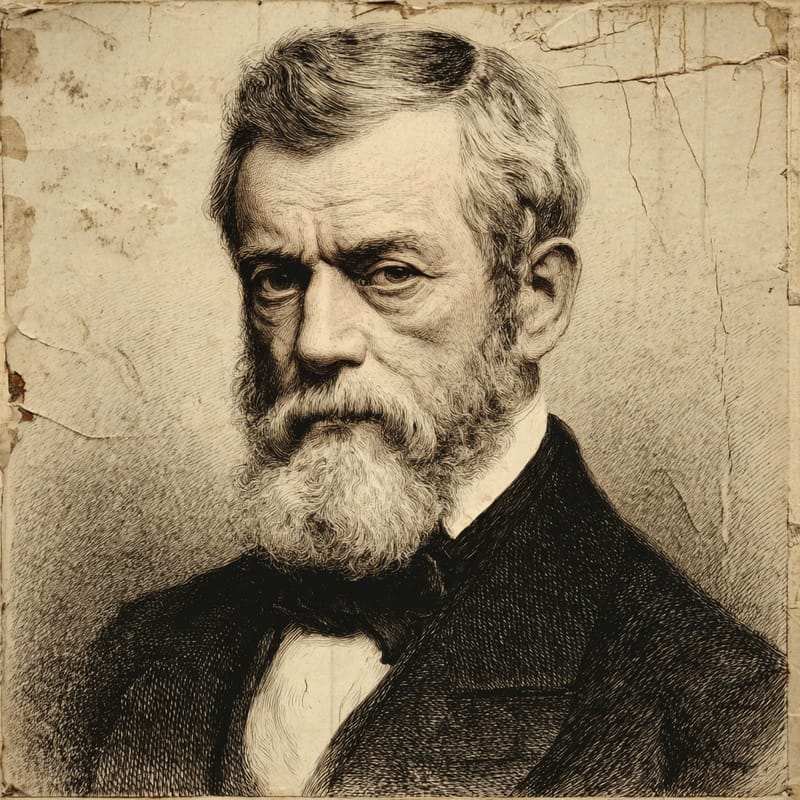

§ Also in the Mutualist hall
Enter the hall →§ Common questions
4 answersWhat was Josiah Warren's political ideology?
Josiah Warren was an individualist anarchist and mutualist pioneer: on the 99ideologies three-axis compass, a Reformist Mutualist. Economically he sat modestly left of centre (−30), keeping markets and private property but insisting that price should equal labour cost, without profit or interest. On governance he was strongly libertarian (−74), founding communities run by voluntary agreement rather than law. Socially he was progressive (+40), an experimental reformer who left private life to individual choice.
Was Josiah Warren left-wing or right-wing?
Left-wing in the context of his time, as a labour reformer who sought to end profit and the exploitation of workers. Warren began in Robert Owen's socialist movement and influenced later socialists and anarchists. Yet his stress on individual sovereignty, private property and voluntary exchange also anticipates the libertarian right, which is why he is claimed as a forerunner both by left-wing mutualists and by free-market libertarians.
Why is Josiah Warren called the first American anarchist?
Because he was the first American to work out and practise a systematic philosophy of life without government, before the word anarchist was in common use. After the failure of Owen's New Harmony, Warren argued that every individual should be sovereign over his or her own person and property, and he built institutions to match: the Cincinnati Time Store of 1827, the periodical The Peaceful Revolutionist of 1833 and the self-governing village of Modern Times in 1851. Benjamin Tucker and other individualists later hailed him as their founder.
Which minds are closest to Josiah Warren?
On the 99ideologies three-axis compass, the minds closest to Josiah Warren are Clarence Lee Swartz (99% alike), Pierre-Joseph Proudhon (99% alike) and The Time-Store Keeper (archetype) (99% alike). The furthest is Adam Sutler (2% alike).