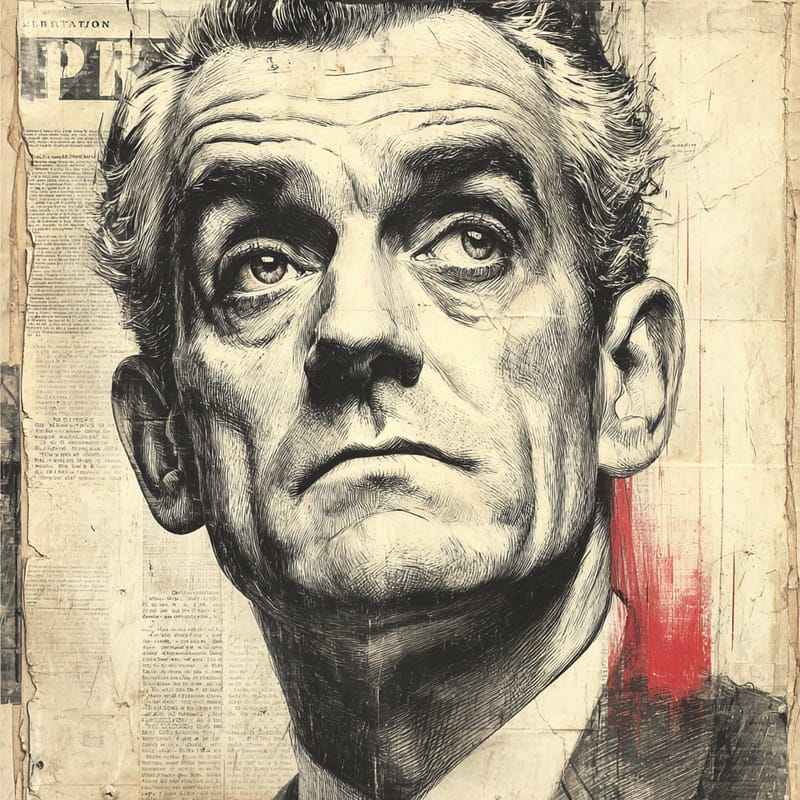
The National-Catholic State (archetype)
Altar, throne, and ledger
Capitalism blessed and policed.
Reactionary FrancoistOne of 729 ideologies · enter the Francoist hall →- Role
- Clerical-authoritarian order
- From
- Archetype
- Region
- —
- Social band
- Reactionary
- Placement
- +48 · +90 · −84
§ Where The National-Catholic State (archetype) stands
3 axesThe National-Catholic State keeps private property and the market but disciplines both. Portugal's 1933 National Labour Statute, Spain's 1938 Labour Charter and Austria's corporate constitution of 1934 replaced free unions with corporations or vertical syndicates binding employers and workers together under state arbitration, and strikes were banned. Owners keep their property and profits, which places the model right of centre, while the state regulates wages and investment.
Power rests with a leader or junta answerable to no elected parliament, backed by the army and a single movement or none at all. Political police such as Portugal's PIDE, censorship of press and books, and military courts for dissenters are standard tools, and elections, where they are held, are controlled, as in Portugal's 1958 presidential contest against Humberto Delgado.
Religion is the regime's moral foundation. Concordats with the Holy See, Austria's in 1933, Portugal's in 1940 and Spain's in 1953, restored Church privileges in education and family law; divorce was abolished or restricted, censorship enforced Catholic morality and women's place was defined by the home. Minority languages and secular culture are treated as threats to a unitary Catholic nation.
How close are you to The National-Catholic State (archetype)?
Three statements, one per axis. Answer them and we’ll drop you on the compass next to them.
§ The story
ArchetypeThe National-Catholic State is the archetype of a regime in which an authoritarian government, usually backed by the army, defends a private-property economy and draws its legitimacy from the Catholic Church. Its clearest historical cases are Francisco Franco's Spain from 1939 to 1975, whose official creed was called nacionalcatolicismo, António Salazar's Estado Novo in Portugal from 1933 to 1974, and the Christian corporate state built in Austria by Engelbert Dollfuss and Kurt Schuschnigg between 1934 and 1938.
The model recurs where a powerful Church, an army and a propertied class fear secularism and revolution together and agree to trade political freedom for order. Each partner gains: the Church recovers schools and moral authority, the army becomes guardian of the nation, and owners are freed from independent unions. It shows how capitalism can be preserved without liberal democracy, and also how fragile that bargain is: after the Second Vatican Council (1962–65) many clergy distanced themselves, and economic modernisation produced societies that outgrew the regimes.
Notable for
- 01Clerical authoritarianism
- 02Disciplined capitalism
- 03National-Catholic order
Key works & moments
- 1933Portugal's Estado Novo constitution and National Labour Statute create Salazar's corporatist Catholic state.
- 1934Austria's May Constitution proclaims a Christian corporate state in the name of God.
- 1938Franco's Labour Charter replaces free unions with a corporatist system of vertical syndicates.
- 1953Spain's concordat with the Vatican confirms Catholicism as the sole religion of the nation.
- 1962–65The Second Vatican Council begins to loosen the Church's alliance with these regimes.
- 1974Portugal's Carnation Revolution topples the Estado Novo; Franco's regime barely outlives him in 1975.
§ Minds closest to The National-Catholic State (archetype)
All minds →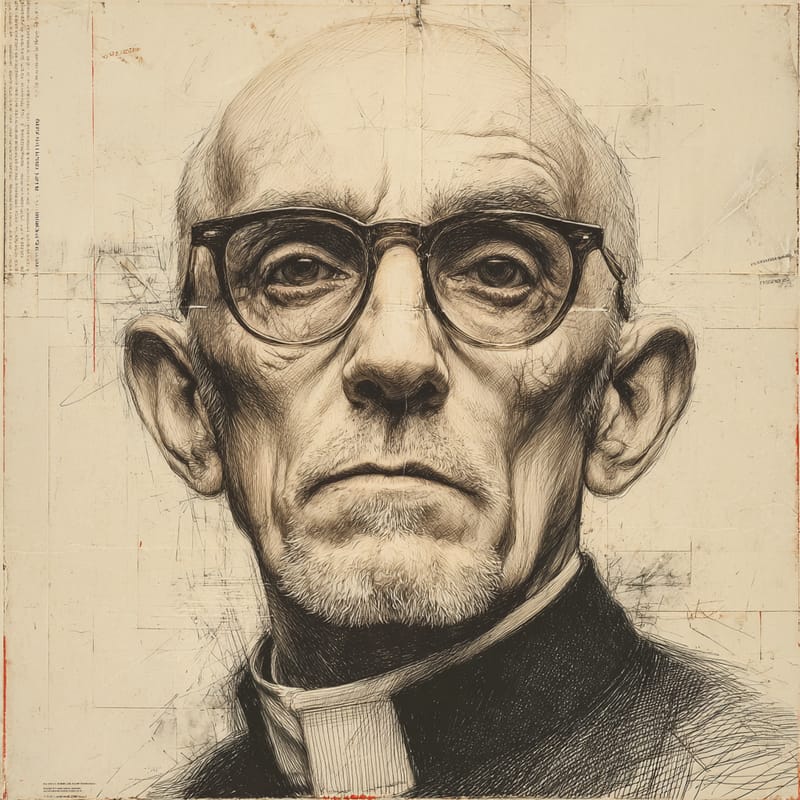
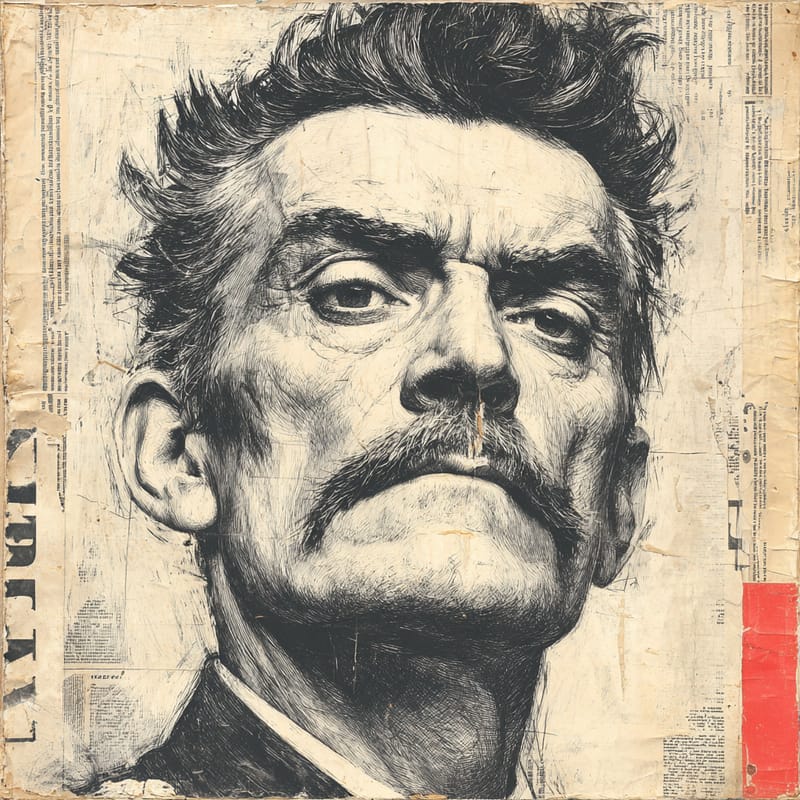
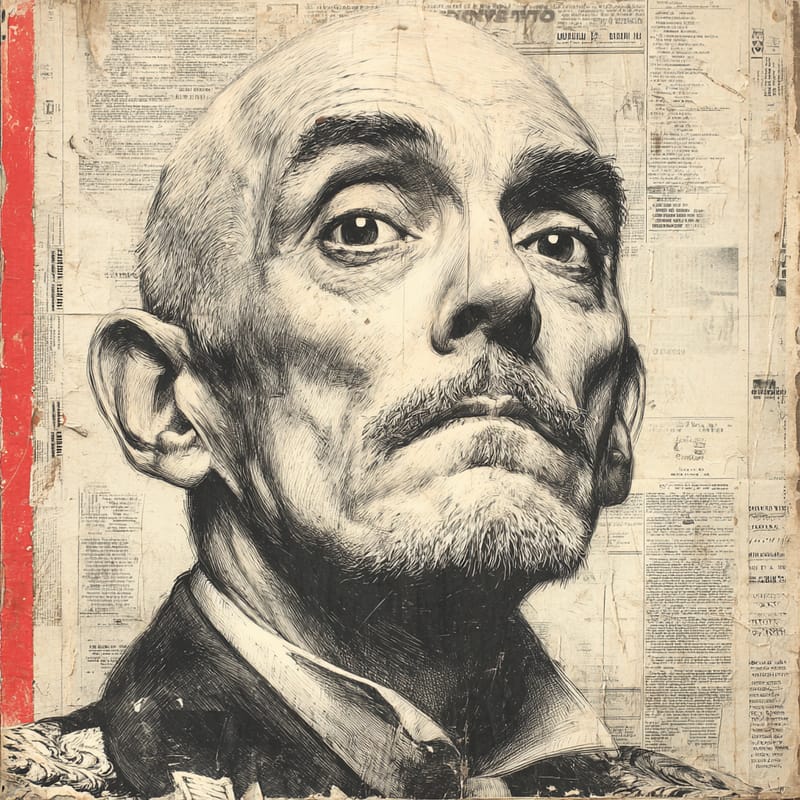
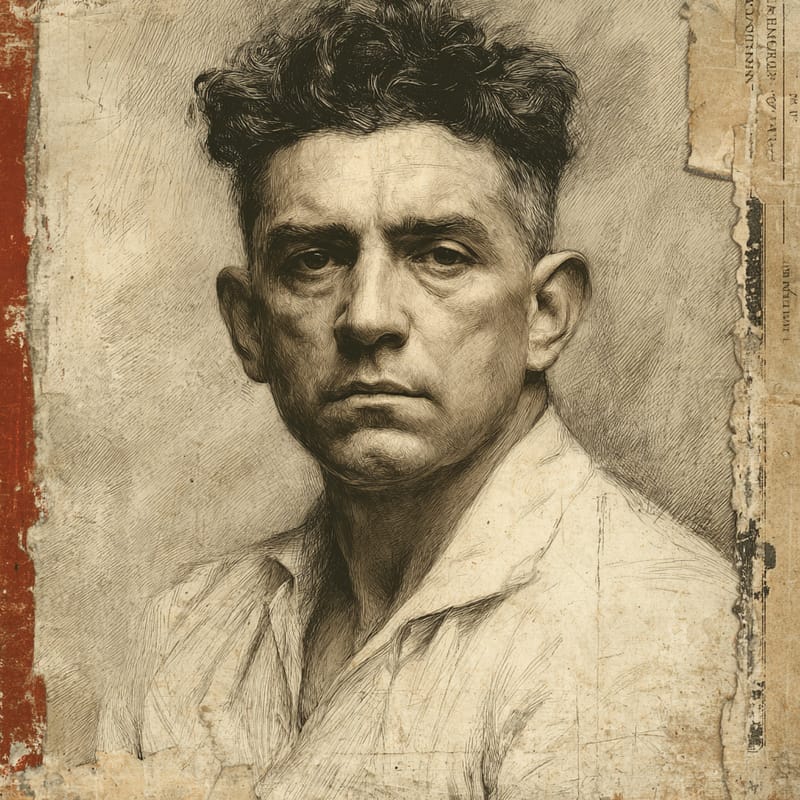

§ Also in the Francoist hall
Enter the hall →The closest minds above are this hall’s whole roster.
§ Common questions
4 answersWhat is the National-Catholic State's political ideology?
The National-Catholic State is clerical authoritarianism with a capitalist economy: on the 99ideologies three-axis compass, a Reactionary Francoist. Economically it sits right of centre (+48), preserving private property under corporatist discipline. On governance it is strongly authoritarian (+90), ruling through a leader, the army and political police rather than elected parliaments, and socially it is near the traditionalist extreme (−84), making Catholic doctrine the basis of law, education and family life.
Is the National-Catholic State left-wing or right-wing?
Right-wing. The model was built by the conservative and Catholic right of interwar and postwar Europe to defeat socialism, anarchism and secular liberalism, and it outlawed left-wing parties and free unions wherever it ruled. It protects property and hierarchy, enlists the Church as a pillar of state authority and treats national and religious identity as one. It is less revolutionary than fascism and more clerical, but it sits clearly on the authoritarian right.
What is National Catholicism?
National Catholicism, or nacionalcatolicismo, was the official ideology of Franco's Spain, fusing Spanish national identity with Catholic doctrine. The Spanish bishops' collective letter of 1937 backed the Nationalist side in the Civil War, and in return the regime gave the Church a leading role in education, the policing of public morals and a privileged legal position confirmed by the 1953 concordat. The term is also used more broadly for regimes, such as Salazar's Portugal, that merged clerical authority with authoritarian nationalism.
Which minds are closest to The National-Catholic State (archetype)?
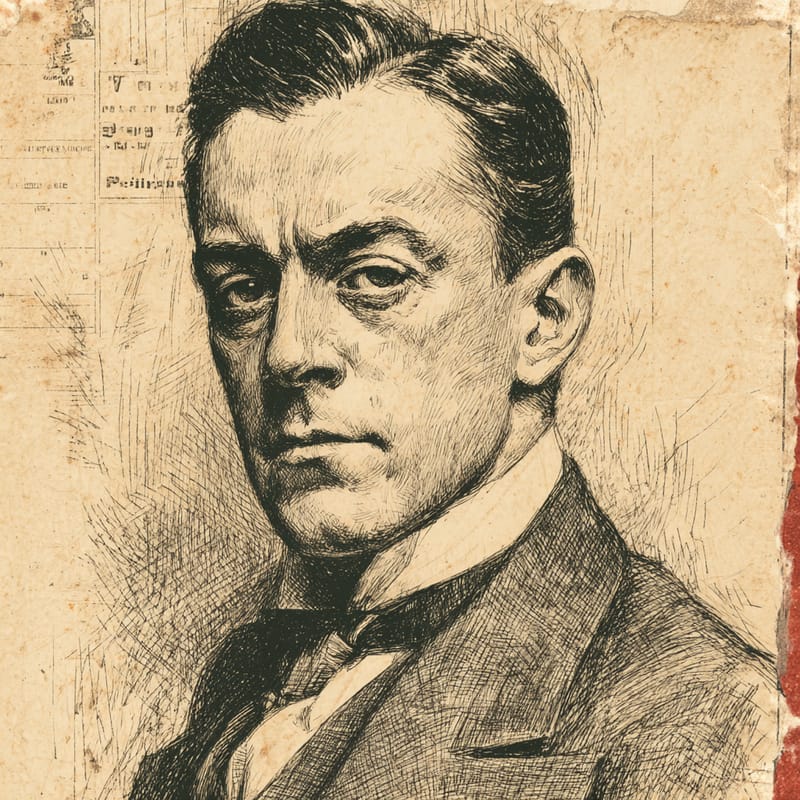
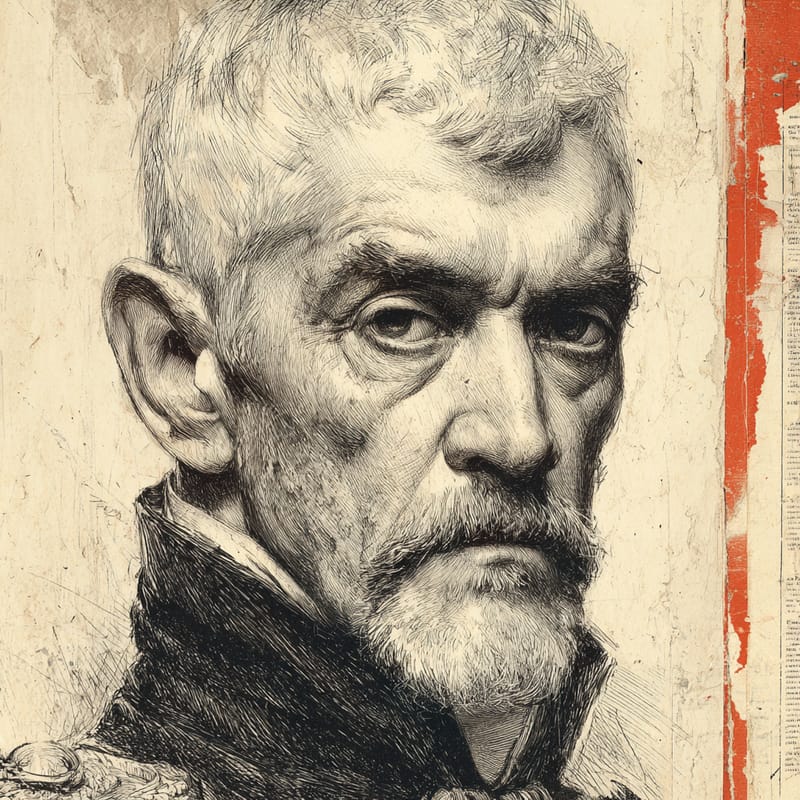
On the 99ideologies three-axis compass, the minds closest to The National-Catholic State (archetype) are Luis Carrero Blanco (98% alike), José María Pemán (98% alike) and Camilo Alonso Vega (98% alike). The furthest is Emma Goldman (0% alike).