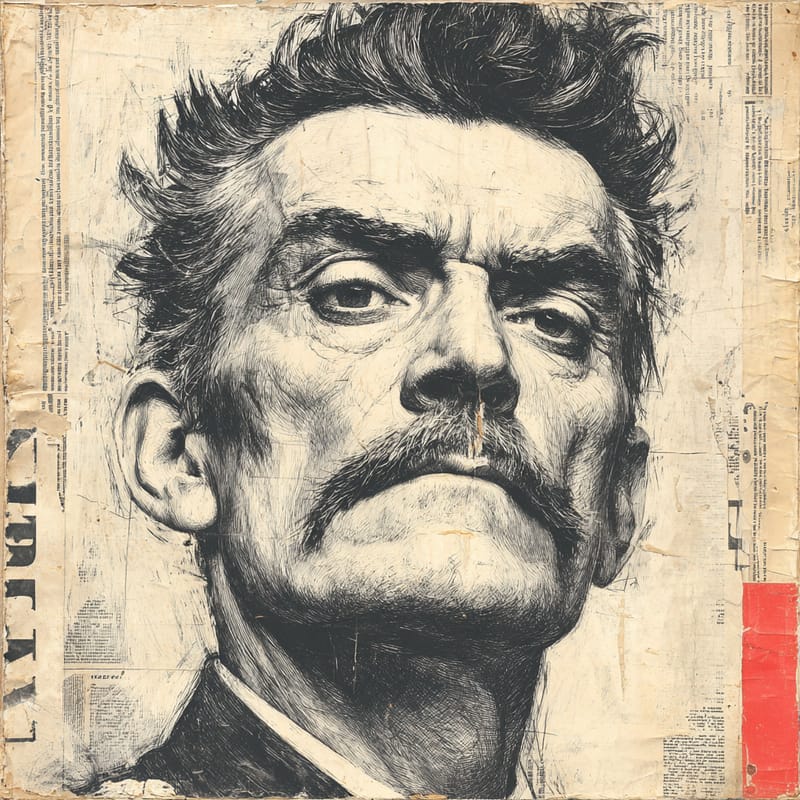
Gonzalo Queipo de Llano
The radio general
Terror as an instrument of the rising.
Reactionary FrancoistOne of 729 ideologies · enter the Francoist hall →- Role
- General
- Era
- 1875–1951
- Region
- Spain
- Social band
- Reactionary
- Placement
- +44 · +94 · −78
§ Where Gonzalo Queipo de Llano stands
3 axesQueipo had no economic theory, but his rising restored the great landowners of Andalusia, whose estates the Republic's 1932 Agrarian Reform Law and the land occupations of spring 1936 had threatened. Landless day labourers and their unions were among the main victims of his repression, and that defence of the propertied order places him clearly right of centre.
Queipo was a leading author of the coup and of the terror that followed it. Under his martial-law proclamations, suspected leftists, trade unionists and Republican officials were shot without trial, and he used the radio to announce and celebrate the killings. In February 1937 his southern forces, spearheaded by Italian troops, took Málaga, where mass executions followed and civilians fleeing towards Almería were bombarded on the coast road.
Although he had once conspired for the Republic, Queipo fought for Spain's Catholic, militarist right once the war began. His broadcasts glorified the Legion and the Moroccan Regulares, mocked the manhood of Republicans and in effect incited the rape of their wives, and the order he restored in Seville rolled back the Republic's secular and labour reforms.
How close are you to Gonzalo Queipo de Llano?
Three statements, one per axis. Answer them and we’ll drop you on the compass next to them.
§ The story
HistoricalGonzalo Queipo de Llano y Sierra (1875–1951) was a Spanish general and one of the leaders of the 1936 military rising that began the Spanish Civil War. Born in Tordesillas, he fought in Cuba and Morocco, and despite his later reputation he had conspired against the monarchy, joining a failed republican revolt in December 1930 and fleeing to Portugal. Under the Second Republic he headed the president's military household and then the Carabineros, the customs and border police, before turning against the government in 1936.
On 18 July 1936 Queipo seized Seville for the rebels with a small force and went on to rule Andalusia almost as a viceroy. His nightly broadcasts on Radio Sevilla mixed coarse humour with threats of killing and in effect incited sexual violence against Republican women, while the repression he oversaw killed many thousands across western Andalusia. Sidelined by Franco after the war, he died in 1951 and was buried in Seville's Macarena basilica, from which his remains were removed in 2022 under Spain's Democratic Memory Law.
Notable for
- 01Led the southern Nationalist rising
- 02Propaganda broadcasts
- 03Andalusian repression
Key works & moments
- 1930Joins the failed republican revolt at Cuatro Vientos airfield in December and flees to Portugal.
- 1936Seizes Seville for the military rising on 18 July with a small force.
- 1936Begins nightly broadcasts on Radio Sevilla, threatening and taunting the Republican side.
- 1937His southern army takes Málaga in February; fleeing civilians are bombarded on the Almería road.
- 1939After clashing with Franco, he is sent away to Italy at the head of a military mission.
- 2022His remains are removed from Seville's Macarena basilica under the Democratic Memory Law.
§ Minds closest to Gonzalo Queipo de Llano
All minds →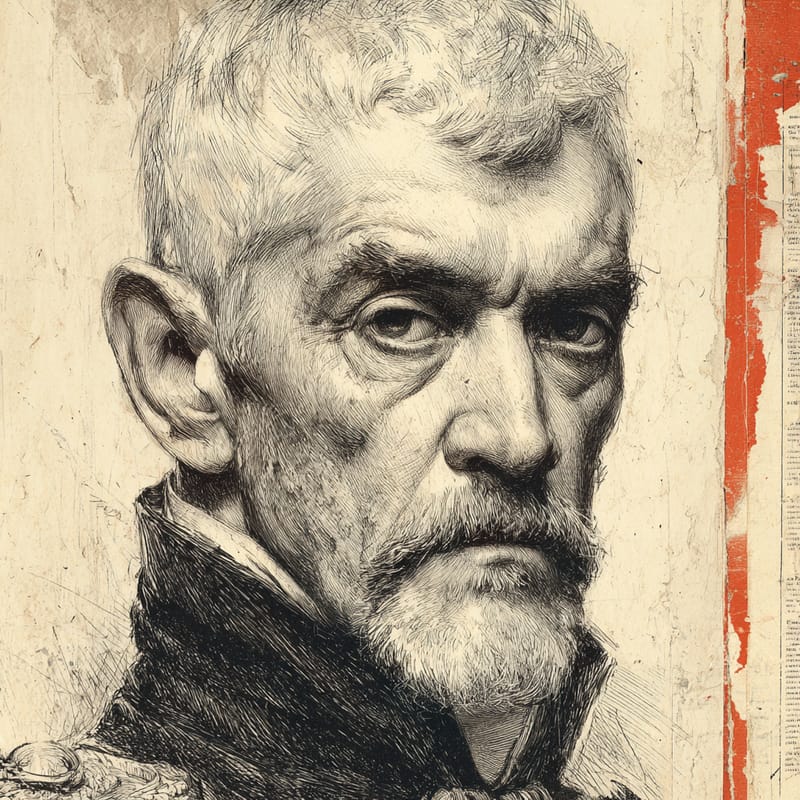

§ Also in the Francoist hall
Enter the hall →The closest minds above are this hall’s whole roster.
§ Common questions
4 answersWhat was Gonzalo Queipo de Llano's political ideology?
Queipo de Llano was a Nationalist general of the Francoist right: on the 99ideologies three-axis compass, a Reactionary Francoist. Economically he sat right of centre (+44), restoring the Andalusian landowners' order against land reform and the unions. On governance he was near the authoritarian maximum (+94) as a leader of the 1936 coup and of the terror that followed, and socially he was strongly reactionary (−78), fighting for the Catholic, militarist Spain the Republic had challenged.
Was Queipo de Llano left-wing or right-wing?
Right-wing, although his path there was unusual. Queipo conspired against the monarchy, took part in the republican revolt of December 1930 and served the Second Republic in senior posts. But in 1936 he joined the military rising against the Popular Front government, crushed the left in Andalusia and became one of the Nationalist side's most notorious voices. His wartime record places him firmly on the authoritarian right, whatever his earlier republicanism.
Why were Queipo de Llano's remains removed from the Macarena basilica?
Because Spain's Democratic Memory Law of 2022 bars the public exaltation of the 1936 coup and the dictatorship, including the burial of leading figures of the rising in places of public prominence. Queipo had been buried in 1951 in Seville's Basilica of La Macarena, one of the city's best-known churches. His remains were exhumed in November 2022 and handed to his family, a step that victims' associations had long demanded because of his role in the repression in Andalusia.
Which minds are closest to Gonzalo Queipo de Llano?
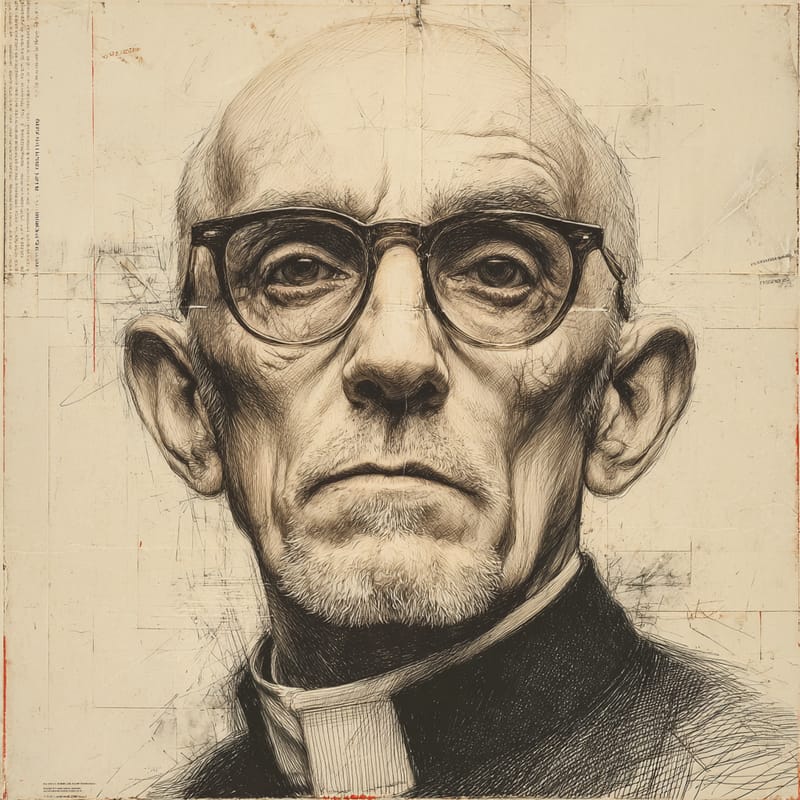
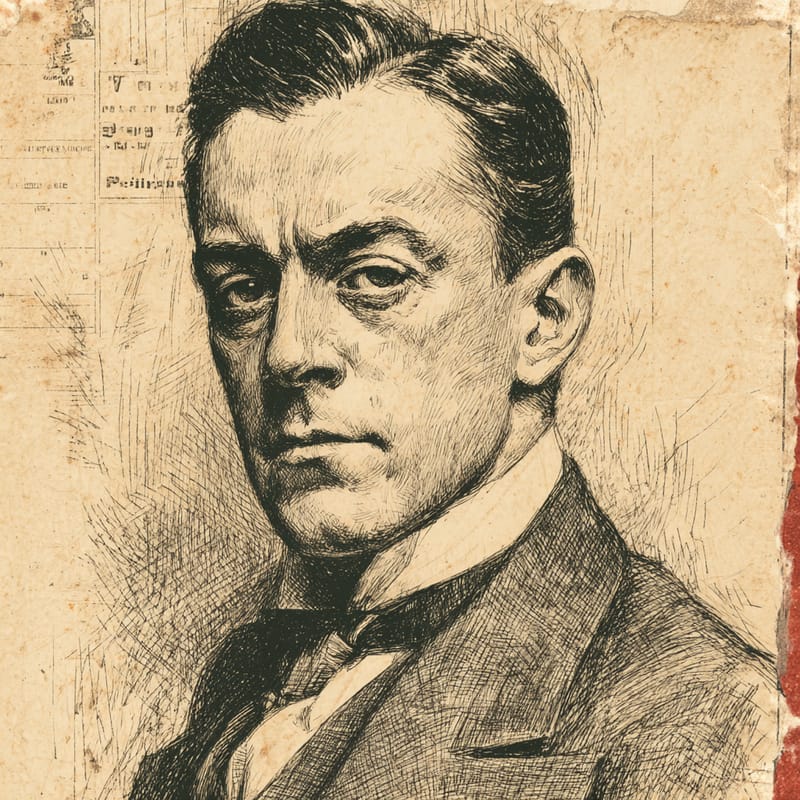
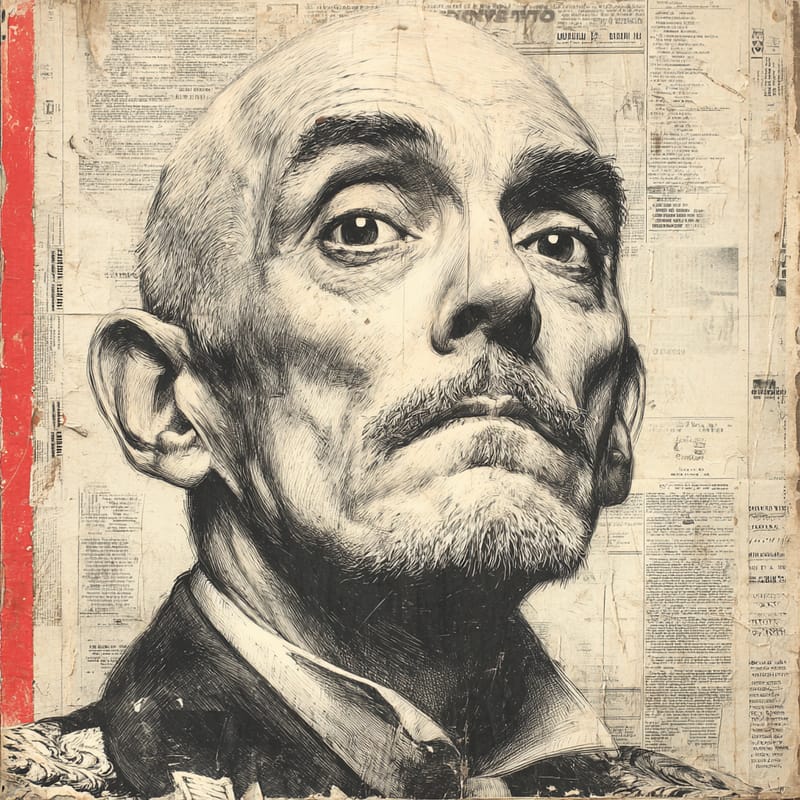
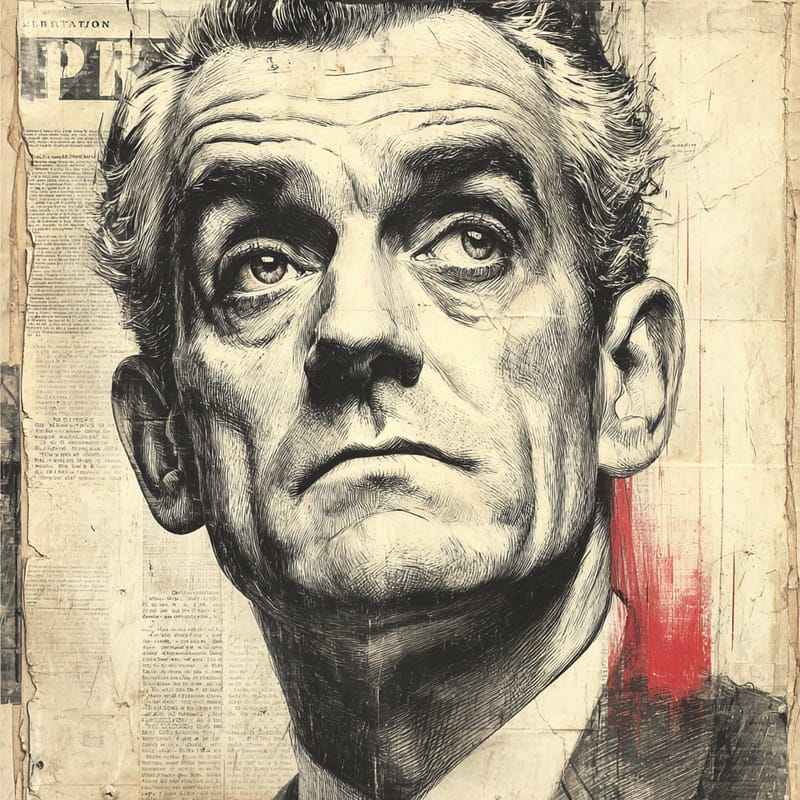
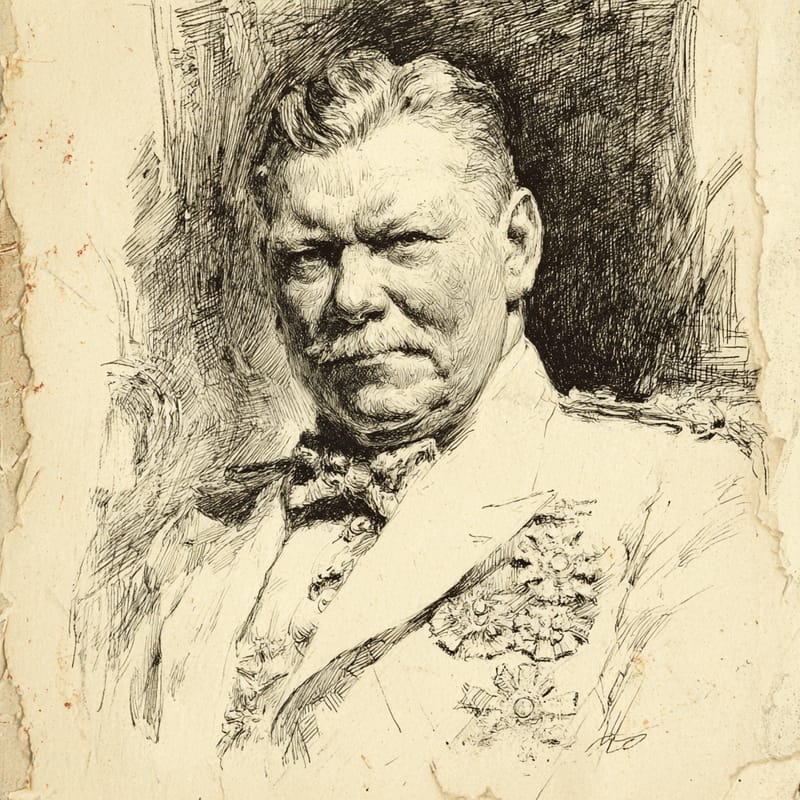
On the 99ideologies three-axis compass, the minds closest to Gonzalo Queipo de Llano are Camilo Alonso Vega (99% alike), Luis Carrero Blanco (98% alike) and José María Pemán (97% alike). The furthest is Emma Goldman (0% alike).