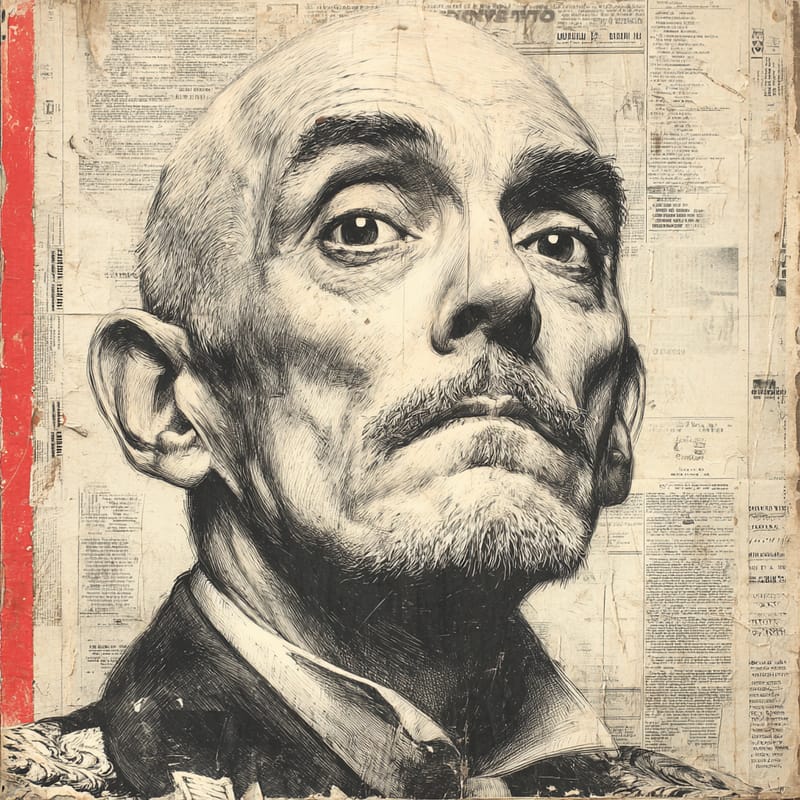
Francisco Franco
The Caudillo
National-Catholic corporatist dictatorship.
Reactionary FrancoistOne of 729 ideologies · enter the Francoist hall →- Role
- Dictator (Caudillo)
- Era
- 1892–1975
- Region
- Spain
- Social band
- Reactionary
- Placement
- +50 · +98 · −82
§ Where Francisco Franco stands
3 axesFranco began with autarky, creating the state holding company INI in 1941 and replacing free unions with state-run vertical syndicates under the 1938 Labour Charter. Hunger and stagnation followed, and in 1959 he accepted the technocrats' Stabilisation Plan, which opened Spain to foreign trade, investment and tourism and launched the boom of the 1960s. Private property and employers' authority were never in question, which places him firmly right of centre.
Franco held absolute power for nearly four decades as head of state, head of government until 1973, commander of the armed forces and leader of the only legal party. The 1939 Law of Political Responsibilities and the 1940 law against Freemasonry and communism criminalised the defeated side, censorship lasted until his death, and in September 1975, weeks before he died, his regime executed five members of ETA and the FRAP.
Franco's National Catholicism made the Church a pillar of the state. His regime repealed the Republic's divorce and civil marriage laws, returned much of education to the clergy and, in the 1953 concordat, recognised Catholicism as the sole religion of the Spanish nation. Married women needed their husbands' permission to take a job or open a bank account until 1975, and Catalan and Basque were driven from public life.
How close are you to Francisco Franco?
Three statements, one per axis. Answer them and we’ll drop you on the compass next to them.
§ The story
HistoricalFrancisco Franco Bahamonde (1892–1975) ruled Spain as dictator from the end of the Civil War in 1939 until his death. Born in Ferrol into a naval family, he made his name in the colonial war in Morocco, where he helped lead the Spanish Legion and became, at 33, the youngest general in Europe. In October 1934 he directed the army's suppression of the Asturian miners' revolt, and in July 1936 he joined the military rising against the Second Republic, flying from the Canary Islands to take command of the Army of Africa.
Named Generalísimo and head of state by the rebel generals in 1936, Franco won the Civil War with German and Italian help and built a personal dictatorship resting on the army, the Church and a single party, FET y de las JONS. Tens of thousands were executed during and after the war, and hundreds of thousands passed through prisons and camps. Neutral but pro-Axis in the Second World War, he later became a Cold War ally of the United States. He died in 1975, and within three years Spain had a democratic constitution.
Notable for
- 01Won the Spanish Civil War
- 02Decades of authoritarian rule
- 03National-Catholic corporatism
Key works & moments
- 1926Becomes the youngest general in Europe at 33 after commanding the Spanish Legion in Morocco.
- 1934Directs the army's crushing of the Asturian miners' uprising in October.
- 1936Joins the July military rising; on 1 October he takes power as Generalísimo and head of state.
- 1939Declares victory on 1 April, beginning a dictatorship that lasts until his death.
- 1953Signs a concordat with the Vatican and the Pact of Madrid with the United States.
- 1975Dies on 20 November; Juan Carlos becomes king and the transition to democracy begins.
In their own words
“Everything has been tied up, and well tied up.”
§ Minds closest to Francisco Franco
All minds →

§ Also in the Francoist hall
Enter the hall →The closest minds above are this hall’s whole roster.
§ Common questions
4 answersWhat was Francisco Franco's political ideology?
Francisco Franco was a military dictator of the Catholic nationalist right: on the 99ideologies three-axis compass, a Reactionary Francoist. Economically he sat firmly right of centre (+50), defending private property and employers' authority while moving from state-led autarky to the market opening of 1959. On governance he was at the authoritarian extreme (+98), holding personal power for 36 years, and socially he was deeply traditionalist (−82), enforcing National Catholicism and a centralised Spanish identity.
Was Franco left-wing or right-wing?
Right-wing. Franco led a coalition of the army, the Church, monarchists, Carlists and the fascist Falange against a Republic governed by the Popular Front, and his regime outlawed socialist, communist and anarchist movements, banned free unions and restored the Church's privileges. His economic policy shifted from autarky to market opening, but always within a capitalist order, and his authoritarian Catholic nationalism places him on the far right of Europe's twentieth-century spectrum.
Was Franco a fascist?
Partly, and historians still debate the label. In 1937 Franco merged the fascist Falange with the Carlists into a single party, adopted the raised-arm salute and a labour charter modelled on Mussolini's, and relied on Hitler and Mussolini to win the war. But he was above all a Catholic military conservative, the Falange never controlled the state, and after 1945 he shed most fascist trappings. Many scholars therefore call his regime authoritarian rather than fully fascist, at least after its early years.
Which minds are closest to Francisco Franco?
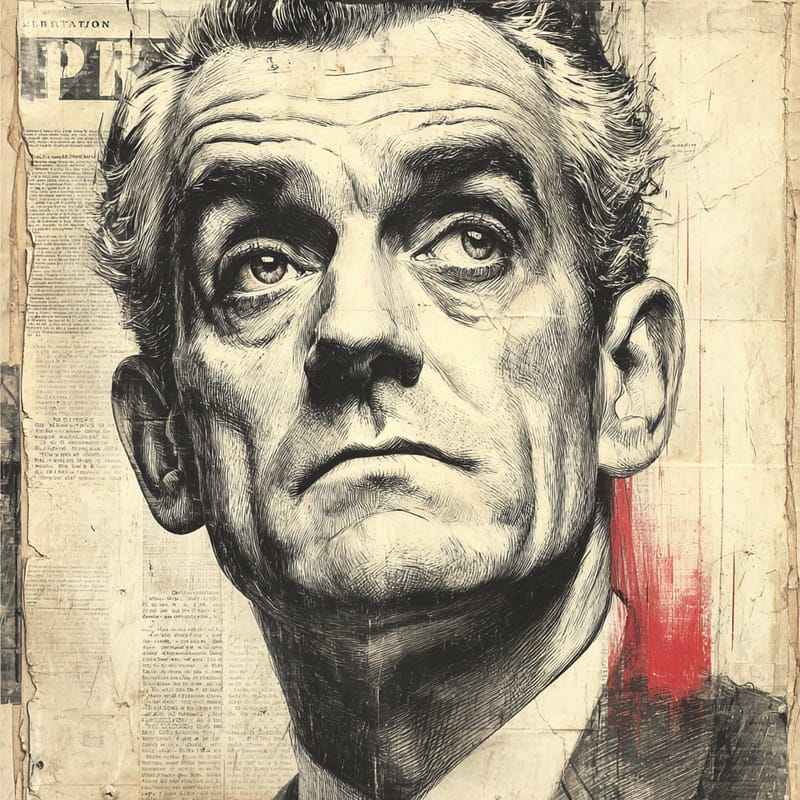
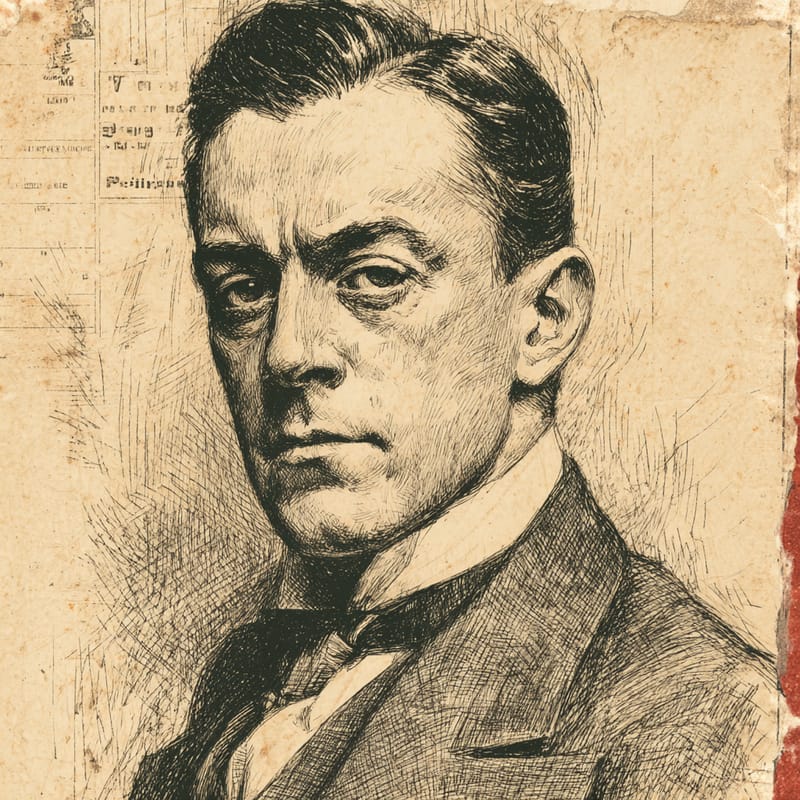
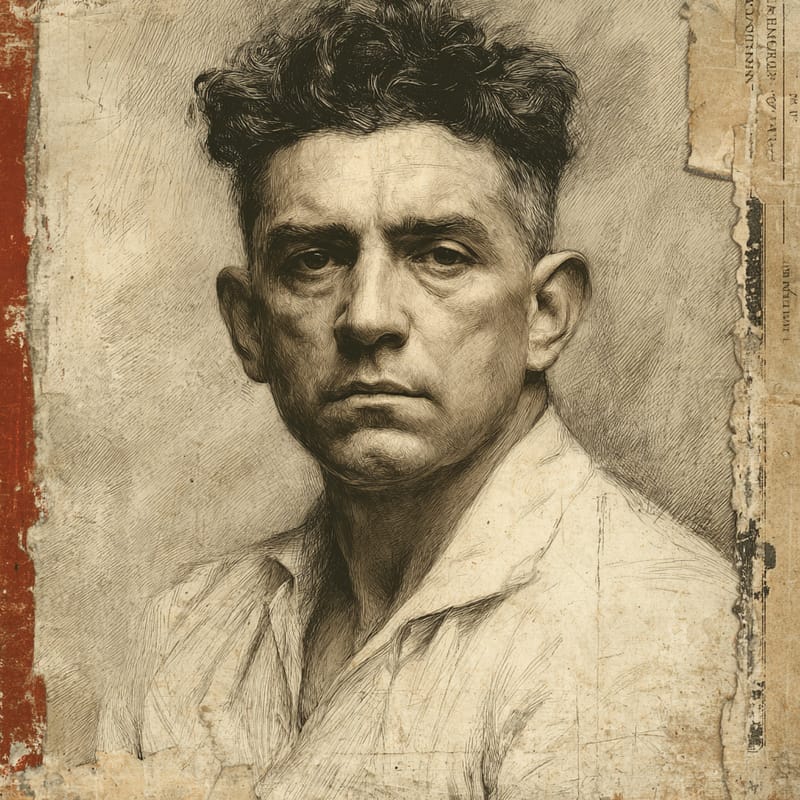
On the 99ideologies three-axis compass, the minds closest to Francisco Franco are Camilo Alonso Vega (98% alike), Luis Carrero Blanco (97% alike) and Gonzalo Queipo de Llano (97% alike). The furthest is Emma Goldman (0% alike).