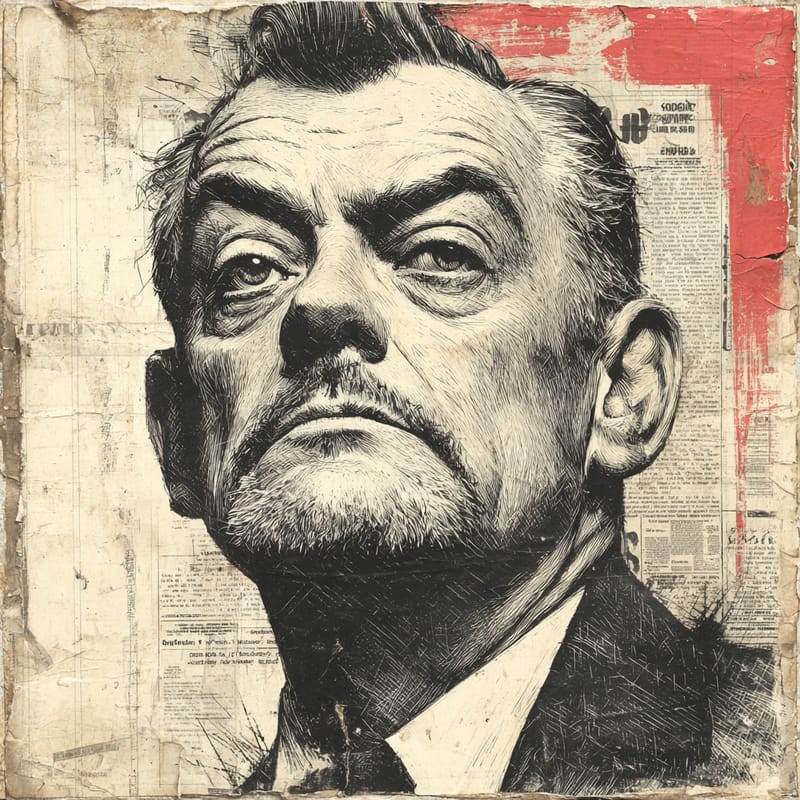
The Ministry (archetype)
The state will provide
Welfare and control, from one centre.
State SocialistOne of 729 ideologies · enter the State Socialist hall →- Role
- Planning state
- From
- Archetype
- Region
- —
- Social band
- Centre (no modifier)
- Placement
- −30 · +72 · −8
§ Where The Ministry (archetype) stands
3 axesThe Ministry sits left of centre rather than at the collectivist extreme: it plans the commanding heights and guarantees provision while often tolerating private property elsewhere. India's first Five-Year Plan of 1951 directed investment through a mixed economy, and Britain's 1946 National Health Service Act nationalised hospitals to provide free care, layering planning and provision over markets rather than replacing them.
The archetype concentrates authority in ministries that issue directives rather than respond to markets or local initiative. Gosplan's first Five-Year Plan, launched in 1928, set binding targets for every Soviet industry, and Britain's Ministry of Food ran rationing from 1940 until 1954; even in democracies, the logic of the plan favours experts, permits and central command.
The Ministry orders society for the collective good as it defines it, which gives it a paternalist, mildly traditional cast. Bismarck's health, accident and old-age insurance laws of 1883–89 were designed to bind workers to the monarchy and wean them from socialism, and planning states have typically favoured order, family stability and disciplined work over personal experiment.
How close are you to The Ministry (archetype)?
Three statements, one per axis. Answer them and we’ll drop you on the compass next to them.
§ The story
ArchetypeThe Ministry is an archetype for the state-socialist impulse: a commanding centre that plans production and provides for citizens from cradle to grave, pursuing socialism's promises through concentrated state power rather than workers' self-rule or the market. Its real-world cases range from Bismarck's state insurance laws of the 1880s and Soviet Russia's Gosplan, founded in 1921, to Britain's wartime ministries and post-war welfare state, India's Planning Commission and the planning offices of the Eastern Bloc.
The archetype recurs because war, depression and reconstruction concentrate power and make central direction seem both necessary and fair; rationing, planning boards and nationalised industries have repeatedly emerged from emergencies. It also reveals a lasting tension. Admirers point to full employment and universal provision, while critics from Friedrich Hayek's The Road to Serfdom (1944) to János Kornai's studies of the shortage economy argued that planning breeds inefficiency, shortages and the steady erosion of individual freedom.
Notable for
- 01Central planning
- 02Cradle-to-grave provision
- 03The commanding state
Key works & moments
- 1883–89Bismarck's Germany introduces state health, accident and old-age insurance.
- 1921Soviet Russia founds Gosplan, the State Planning Committee.
- 1928Gosplan's first Five-Year Plan launches comprehensive central planning in the Soviet Union.
- 1944Friedrich Hayek's The Road to Serfdom warns that central planning leads to tyranny.
- 1948Britain's National Health Service opens, offering care free at the point of use.
- 1951India launches its first Five-Year Plan under the new Planning Commission.
§ Minds closest to The Ministry (archetype)
All minds →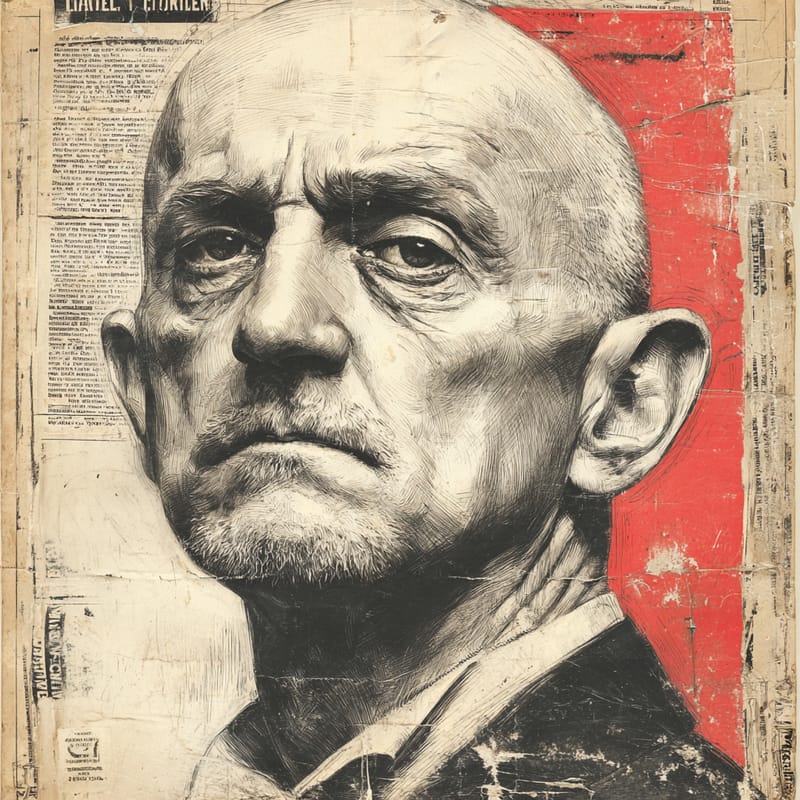

§ Also in the State Socialist hall
Enter the hall →The closest minds above are this hall’s whole roster.
§ Common questions
4 answersWhat is the Ministry archetype's political ideology?
The Ministry stands for state socialism, the pursuit of socialist goals through a powerful, planning state: on the 99ideologies three-axis compass, a State Socialist. Economically it sits moderately left (−30), planning key sectors and guaranteeing provision while tolerating some private enterprise. On governance it is clearly authoritarian (+72), concentrating authority in a commanding centre. Socially it leans slightly traditional (−8), ordering society paternally for the collective good.
Is the Ministry archetype left-wing or right-wing?
Left-wing in its economic goals, statist in its methods. The Ministry aims at security, equality and provision for all, which are left-wing ends, but it pursues them through centralised authority rather than democracy from below, and conservatives such as Bismarck have adopted it as readily as communists. That is why anarchists and libertarian socialists reject it as firmly as free-market liberals do.
What is the difference between state socialism and social democracy?
Mainly the role of the state and of democracy. State socialism seeks socialist goals by having the state own or direct the economy, often under a single party or an unaccountable bureaucracy, as in the Soviet bloc. Social democracy accepts a market economy with mostly private ownership and works through competitive elections to tame it with welfare, taxation and labour rights, as in post-war Scandinavia. The two overlap in their faith in planning and public provision.
Which minds are closest to The Ministry (archetype)?
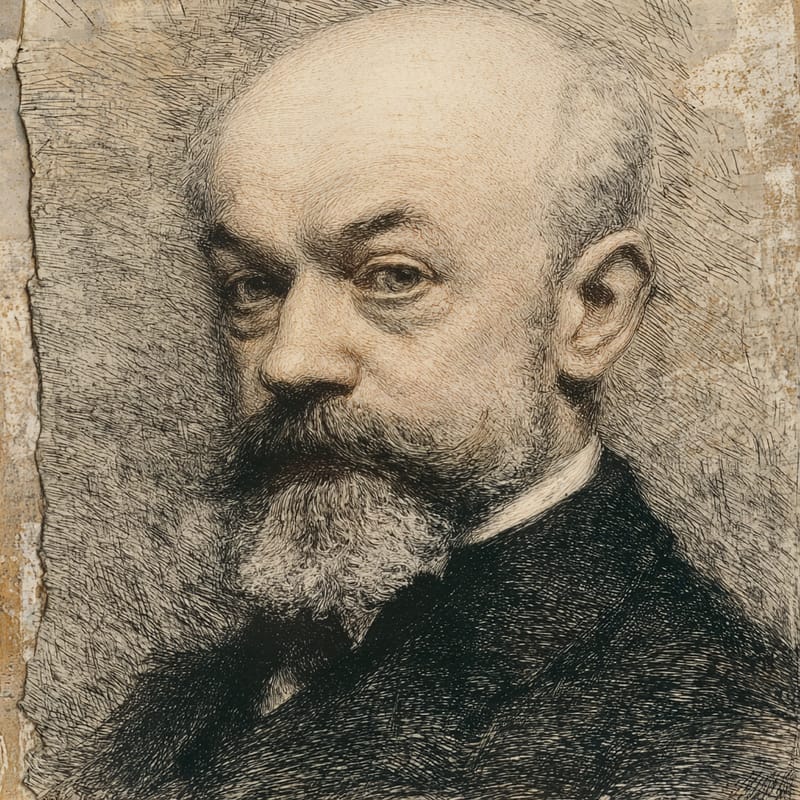
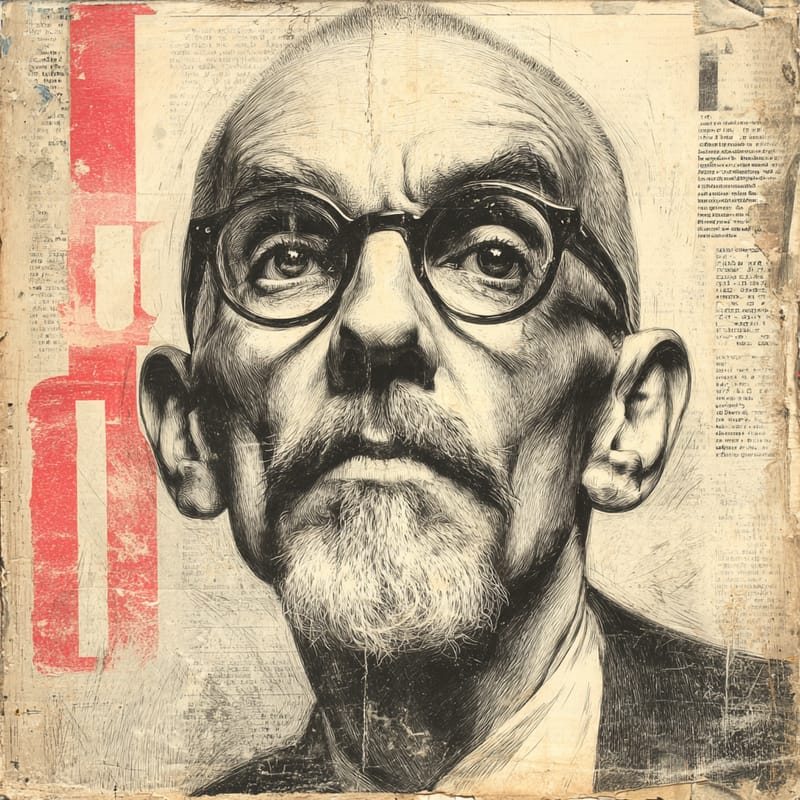
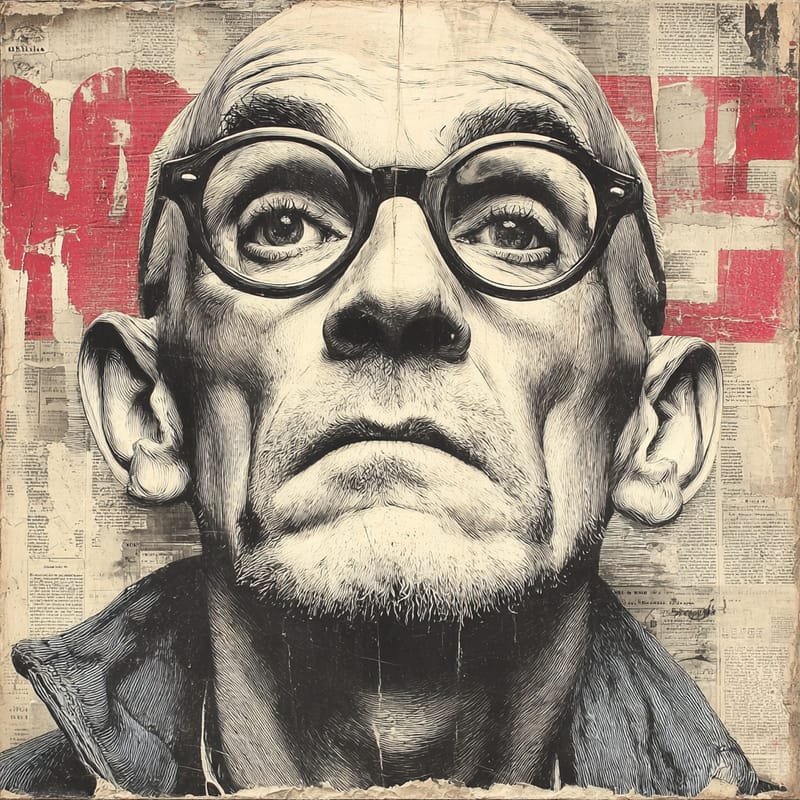
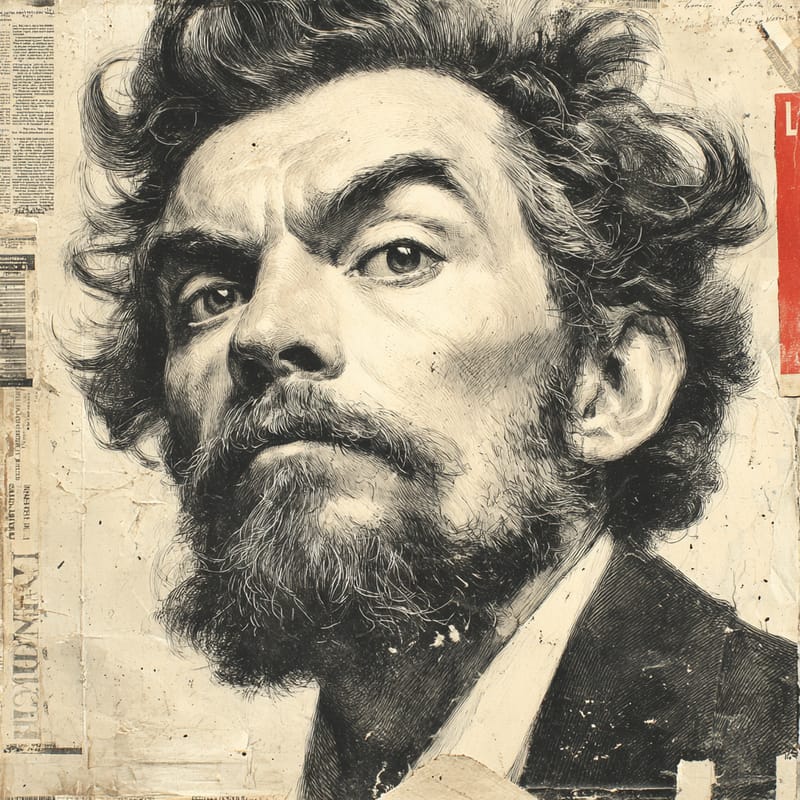
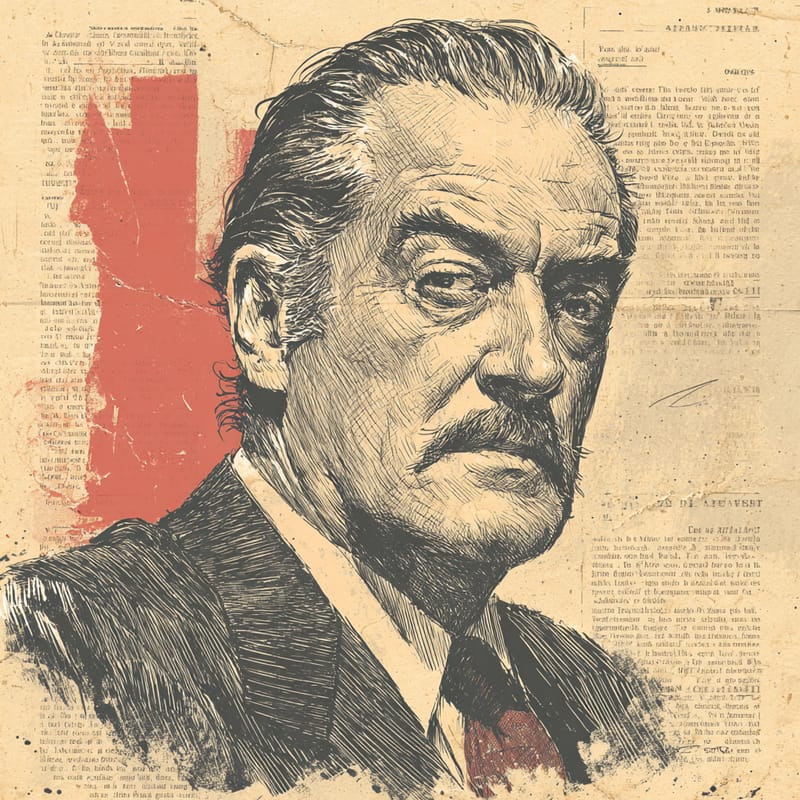
On the 99ideologies three-axis compass, the minds closest to The Ministry (archetype) are János Kádár (98% alike), Walther Rathenau (96% alike) and Walter Ulbricht (96% alike). The furthest is Hans-Hermann Hoppe (15% alike).