The Cooperative Commonwealth (archetype)
Owned in common, ruled barely at all
Socialism that distrusts the state.
Reformist Minarcho-SocialistOne of 729 ideologies · enter the Minarcho-Socialist hall →- Role
- Stateless cooperative economy
- From
- Archetype
- Region
- —
- Social band
- Reformist
- Placement
- −74 · −74 · +50
§ Where The Cooperative Commonwealth (archetype) stands
3 axesThe means of production are held cooperatively: worker cooperatives run firms, consumer cooperatives run shops and communal settlements hold land in common, as the kibbutzim did from the founding of Degania in 1910. Unlike state socialism there is no central plan, and cooperatives still trade with one another, as Mondragon's firms do, which is why the archetype stops short of the socialist pole.
Power stays local and revocable. Each cooperative is governed on the principle of one member, one vote, laid down by the Rochdale Pioneers in 1844, and federations handle only what members cannot do alone. The archetype keeps a thin coordinating authority for shared infrastructure and disputes, so it is minimal-state rather than stateless.
The cooperative commonwealth is egalitarian, fraternal and voluntarist. The Rochdale Pioneers of 1844 opened membership to all comers, and early kibbutzim tried to abolish distinctions of rank and raised children communally. Yet close-knit communities can also be demanding and conformist, which tempers the archetype's progressive character.
How close are you to The Cooperative Commonwealth (archetype)?
Three statements, one per axis. Answer them and we’ll drop you on the compass next to them.
§ The story
ArchetypeThe Cooperative Commonwealth is the archetype of a socialist society built from cooperatives rather than from a commanding state: workplaces, shops, farms and credit owned and run by their members, federated with one another and coordinated by the lightest possible public authority. Its real cases include Robert Owen's New Harmony of 1825, the Rochdale Pioneers' cooperative of 1844, the Israeli kibbutz movement and the Mondragon cooperatives of the Basque Country, while Laurence Gronlund's 1884 book The Co-operative Commonwealth popularised the name.
The archetype recurs because it promises equality without the commissar, answering both capitalism's inequality and the failures of state socialism. Its partial successes, such as Mondragon's network of worker-owned firms and the kibbutzim that helped build Israel, show that cooperation can work at scale; its setbacks, from New Harmony's collapse within two years to the privatisation of many kibbutzim from the late 1980s, show how hard it is to sustain. The phrase also lives on in politics, notably in Canada's Co-operative Commonwealth Federation, founded in 1932.
Notable for
- 01Cooperative ownership
- 02Minimal state
- 03Local self-rule
Key works & moments
- 1825Robert Owen founds New Harmony, Indiana, a cooperative community that collapses within two years.
- 1844The Rochdale Pioneers open their cooperative store and set out one-member-one-vote principles.
- 1884Laurence Gronlund's The Co-operative Commonwealth popularises the phrase in the United States.
- 1910Degania, the first kibbutz, is founded by Jewish pioneers in Ottoman Palestine.
- 1932Canada's Co-operative Commonwealth Federation is founded; its Regina Manifesto follows in 1933.
- 1956The first Mondragon cooperative, a stove factory, opens in the Basque Country.
§ Minds closest to The Cooperative Commonwealth (archetype)
All minds →
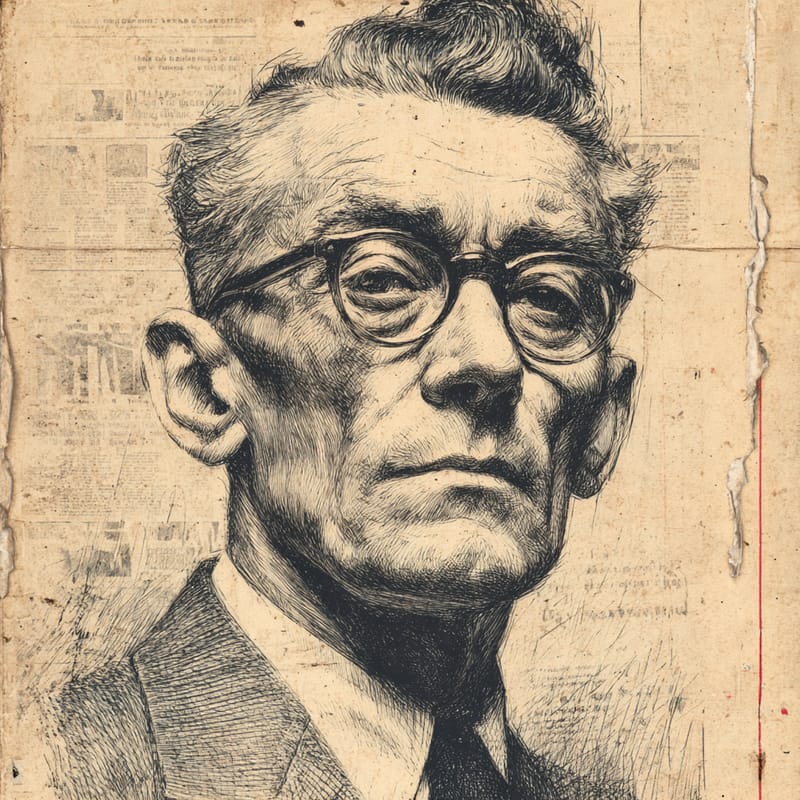
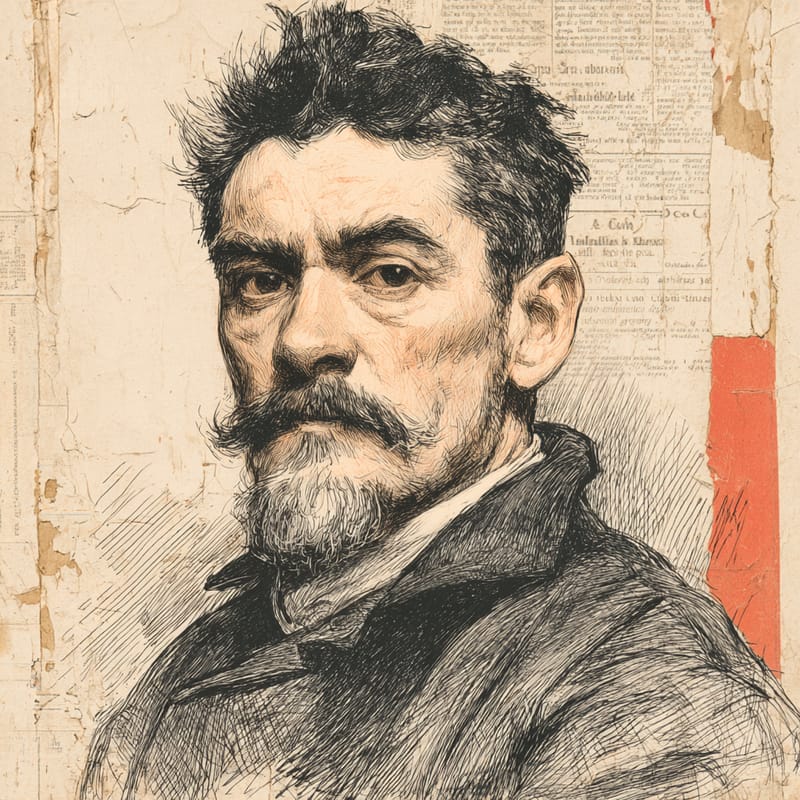
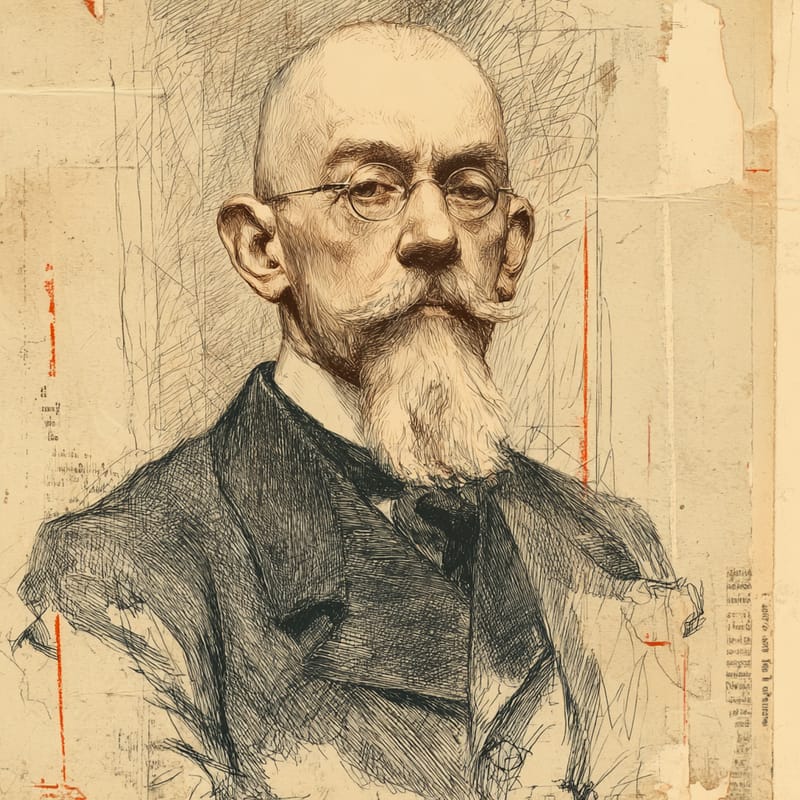

§ Also in the Minarcho-Socialist hall
Enter the hall →The closest minds above are this hall’s whole roster.
§ Common questions
4 answersWhat is the Cooperative Commonwealth's political ideology?
The Cooperative Commonwealth stands for cooperative, decentralised socialism: on the 99ideologies three-axis compass, a Reformist Minarcho-Socialist. Economically it sits well to the left (−74), with the means of production owned and run by cooperatives rather than by capitalists or the state. On governance it is strongly libertarian (−74), keeping only a thin, revocable coordinating authority. Socially it is clearly progressive (+50), egalitarian, fraternal and voluntarist.
Is the Cooperative Commonwealth left-wing or right-wing?
Left-wing, on its libertarian side. The archetype abolishes capitalist ownership in favour of cooperative property and shares rewards equally, core aims of the socialist tradition. But it rejects the centralised state of Soviet-style socialism and much of social democracy's reliance on government, building equality instead through voluntary association. That places it close to the cooperative movement, guild socialism and communitarian anarchism rather than to the communist parties.
What is a cooperative commonwealth?
A cooperative commonwealth is a society in which the economy is owned and run by cooperatives, so that workers and consumers, rather than shareholders or the state, control production and distribution. The idea runs from Robert Owen and the Rochdale Pioneers through Laurence Gronlund's 1884 book of that name and the guild socialists to modern cooperative movements. No country has become one, but the Israeli kibbutzim and the Mondragon cooperatives are often cited as partial models, and Canada's Co-operative Commonwealth Federation carried the name into parliamentary politics.
Which minds are closest to The Cooperative Commonwealth (archetype)?
On the 99ideologies three-axis compass, the minds closest to The Cooperative Commonwealth (archetype) are G. D. H. Cole (99% alike), Gustav Landauer (98% alike) and Martin Buber (98% alike). The furthest is Adam Sutler (0% alike).