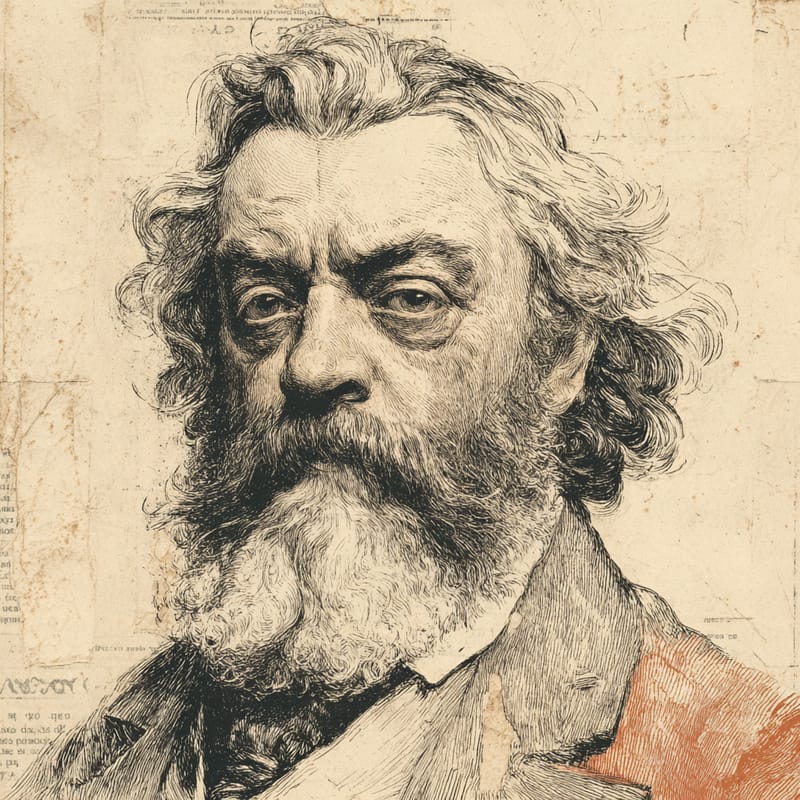
Gustav Landauer
The state is a relationship
Socialism built by withdrawal.
Reformist Minarcho-SocialistOne of 729 ideologies · enter the Minarcho-Socialist hall →- Role
- Theorist
- Era
- 1870–1919
- Region
- Germany
- Social band
- Reformist
- Placement
- −76 · −74 · +54
§ Where Gustav Landauer stands
3 axesLandauer wanted the economy rebuilt from below by cooperative settlements combining farming, crafts and industry and trading with one another. In For Socialism (1911) he urged workers to withdraw their labour and consumption from capitalism into such communities. Drawing on Proudhon, he favoured exchange between free communes rather than a centrally planned or fully collectivised economy.
Landauer's best-known idea is that the state is not a thing to be stormed but a relationship between people, undone when they begin to relate to one another differently, the argument of his 1910 essay Weak Statesmen, Weaker People! Yet in 1919 he accepted office in the Bavarian Council Republic, showing a willingness to work through councils in a revolutionary moment.
Landauer's socialism was mystical and communitarian rather than materialist. In Skepsis und Mystik (1903) and his versions of Meister Eckhart he sought a renewed spirit of community, and he opposed militarism and the First World War. His vision of rooted village communities was progressive in its egalitarianism and anti-militarism, yet romantic in its distrust of industrial modernity.
How close are you to Gustav Landauer?
Three statements, one per axis. Answer them and we’ll drop you on the compass next to them.
§ The story
HistoricalGustav Landauer (1870–1919) was a German anarchist, essayist and literary scholar. Born into a Jewish family in Karlsruhe, he edited the anarchist paper Der Sozialist in the 1890s and again from 1909 to 1915, served prison sentences for his writing, translated Kropotkin and the medieval mystic Meister Eckhart, and lectured on Shakespeare. His books Die Revolution (1907) and Aufruf zum Sozialismus (For Socialism, 1911) made him the leading voice of communitarian anarchism in Germany.
Landauer founded the Socialist Bund in 1908 to build cooperative settlements outside capitalism, and he opposed the First World War from the start. After the November Revolution he went to Munich at Kurt Eisner's invitation and in April 1919 became commissioner for education in the first Bavarian Council Republic. When government and Freikorps troops crushed the council republic, he was arrested and murdered by soldiers in Stadelheim prison on 2 May 1919. His friend Martin Buber edited his writings and carried his ideas into later communitarian socialism.
Notable for
- 01'For Socialism'
- 02Bavarian Council Republic
- 03Communitarian anarchism
Key works & moments
- 1890sEdits the anarchist weekly Der Sozialist and serves prison terms for his writing.
- 1903Publishes Skepsis und Mystik and modern German versions of Meister Eckhart.
- 1907Publishes Die Revolution in Martin Buber's series Die Gesellschaft.
- 1908Founds the Socialist Bund to build cooperative settlements outside capitalism.
- 1911Publishes Aufruf zum Sozialismus (For Socialism).
- 1919Serves in the Bavarian Council Republic; murdered by soldiers in Stadelheim prison on 2 May.
§ Minds closest to Gustav Landauer
All minds →

§ Also in the Minarcho-Socialist hall
Enter the hall →The closest minds above are this hall’s whole roster.
§ Common questions
4 answersWhat was Gustav Landauer's political ideology?
Gustav Landauer was a communitarian anarchist and libertarian socialist: on the 99ideologies three-axis compass, a Reformist Minarcho-Socialist. Economically he sat well to the left (−76), seeking a society of cooperative settlements exchanging freely with one another. On governance he was strongly libertarian (−74), treating the state as a relationship to be dissolved by new forms of community rather than seized. Socially he was progressive (+54), egalitarian and anti-militarist, with a mystical, romantic streak.
Was Gustav Landauer left-wing or right-wing?
Left-wing. Landauer was an anarchist and socialist who wanted capitalism replaced by cooperative communities, opposed the First World War and served in the revolutionary Bavarian Council Republic of 1919, for which he was murdered by counter-revolutionary troops. Within the left he stood apart from the Marxists: he rejected class-war materialism and the seizure of state power, preferring to build socialism by example in voluntary communities.
Why was Gustav Landauer killed?
Because of his part in the Bavarian revolution. In April 1919 Landauer served as commissioner for education in the first Bavarian Council Republic, proclaimed in Munich weeks after the assassination of the Bavarian premier Kurt Eisner. When the Communists took over the republic days later he lost his post, but he stayed in the Munich area. As government and Freikorps troops retook the city he was arrested, and on 2 May 1919 soldiers beat and shot him in Stadelheim prison, one of hundreds killed in the suppression.
Which minds are closest to Gustav Landauer?
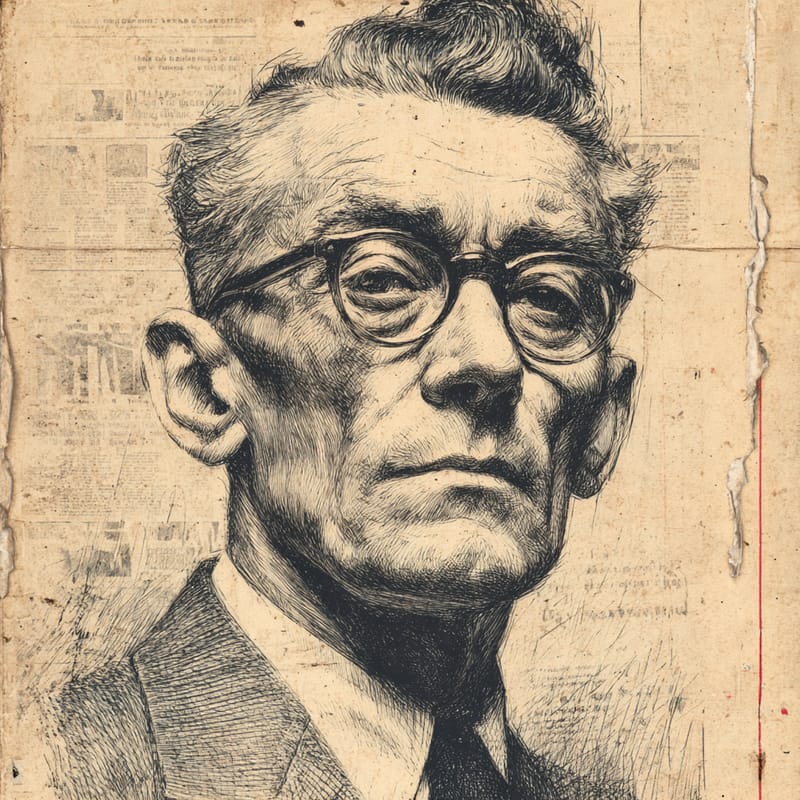
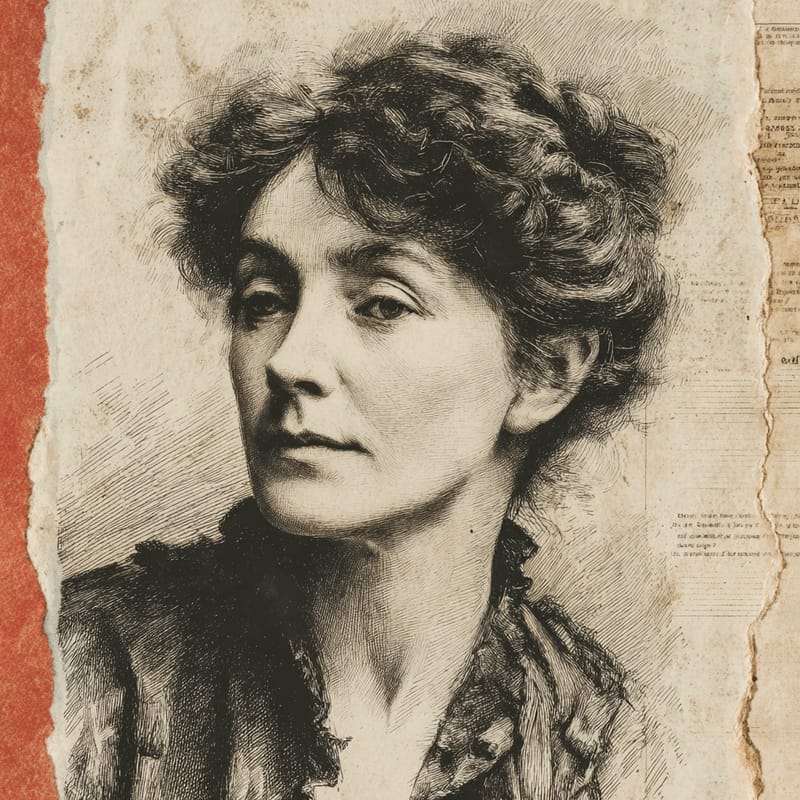
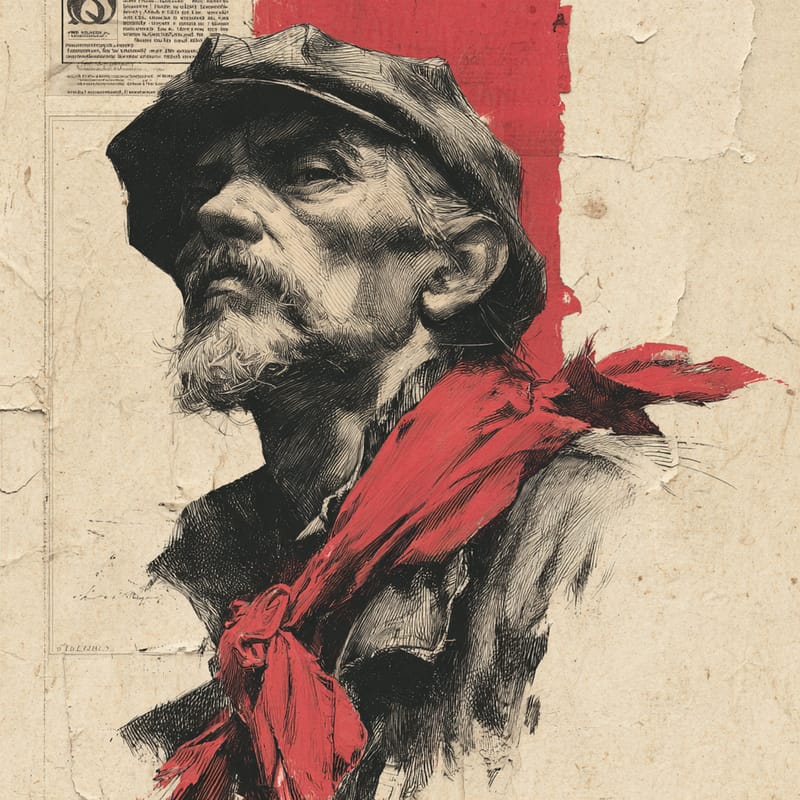
On the 99ideologies three-axis compass, the minds closest to Gustav Landauer are The Cooperative Commonwealth (archetype) (98% alike), G. D. H. Cole (97% alike) and Martin Buber (96% alike). The furthest is Adam Sutler (0% alike).