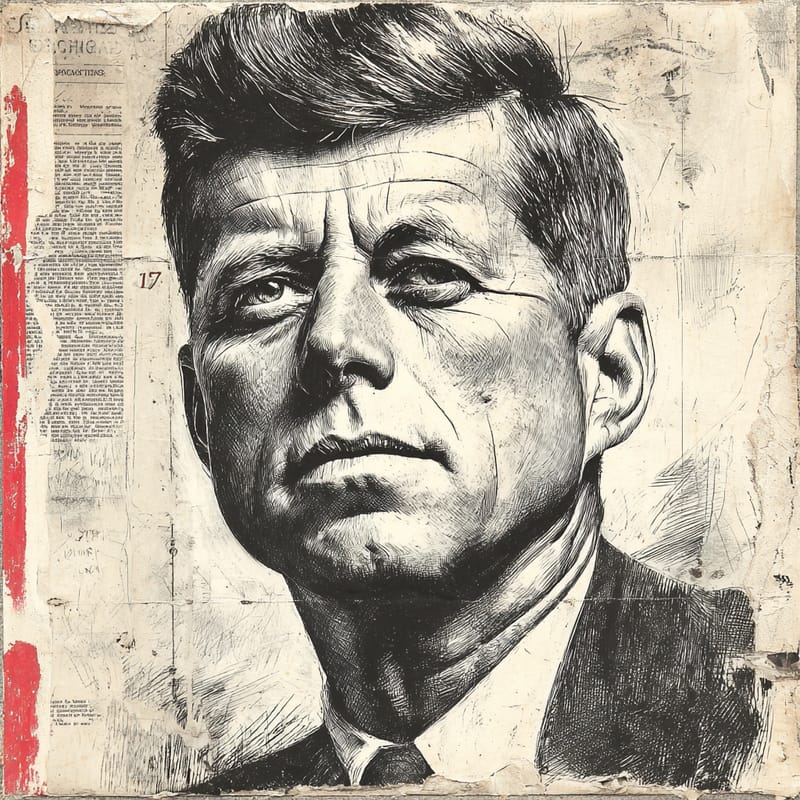
The Brown Radical (archetype)
Nation against capital, by force
Totalitarianism that hates the market too.
Restorationist StrasseriteOne of 729 ideologies · enter the Strasserite hall →- Role
- Anti-capitalist totalitarian nationalist
- From
- Archetype
- Region
- —
- Social band
- Restorationist
- Placement
- −52 · +92 · −90
§ Where The Brown Radical (archetype) stands
3 axesThe Brown Radical demands that the nation take over the commanding heights. The Nazi 25-point programme of 1920 called for the nationalisation of trusts, profit-sharing in large enterprises and the abolition of unearned income, and Gottfried Feder campaigned to break the bondage of interest, but the type still defends small property and rejects class struggle, which keeps it left of centre rather than socialist.
Whatever its quarrel with capital, the Brown Radical wants a total one-party state that crushes all opposition. Röhm's SA terrorised opponents in the streets and in improvised concentration camps in 1933, and Otto Strasser's Black Front envisaged an authoritarian national revolution, not a return to parliamentary democracy.
The archetype is extreme in its traditionalism: blood-and-soil nationalism, a romanticised peasantry and a racially defined community of the people. Its anti-capitalism was bound up with antisemitism, casting grasping finance as Jewish and creative industry as German, a distinction Feder popularised from 1919, and the 1920 programme declared that only those of German blood could be citizens.
How close are you to The Brown Radical (archetype)?
Three statements, one per axis. Answer them and we’ll drop you on the compass next to them.
§ The story
ArchetypeThe Brown Radical is the archetype of the anti-capitalist totalitarian nationalist: a militant who wants to seize the economy for the nation and the race, and accuses mainstream fascism of selling out to big business. Its real models are the Nazi movement's self-styled left: Gregor and Otto Strasser's northern faction of the 1920s, Ernst Röhm's SA with its call for a second revolution in 1933–34, and the party's workers' wing, alongside later neo-Nazi and Third Position groups that revived their ideas.
The archetype recurs because it promises to unite workers and nation against an enemy above and abroad: finance, monopoly and, in its Nazi form, an antisemitic myth of Jewish capital. It reveals how fascism used anti-capitalist language to win working-class support while making peace with industry once in power, as Hitler did in his January 1932 speech to the Düsseldorf Industry Club and in the 1934 purge of the radicals. The Brown Radical is what fascism's socialist rhetoric looks like when taken literally.
Notable for
- 01Anti-capitalist fascism
- 02Total state
- 03Racial nationalism
Key works & moments
- 1920The Nazi 25-point programme demands nationalised trusts, profit-sharing and an end to unearned income.
- 1926At the Bamberg conference Hitler faces down Gregor Strasser's more anti-capitalist northern wing.
- 1930Otto Strasser leaves the Nazi Party, declaring that the socialists are leaving the NSDAP.
- 1934The Night of the Long Knives kills Röhm, Gregor Strasser and other radicals.
- 1943Mussolini's Salò republic issues the Verona Manifesto, promising to socialise major enterprises.
§ Minds closest to The Brown Radical (archetype)
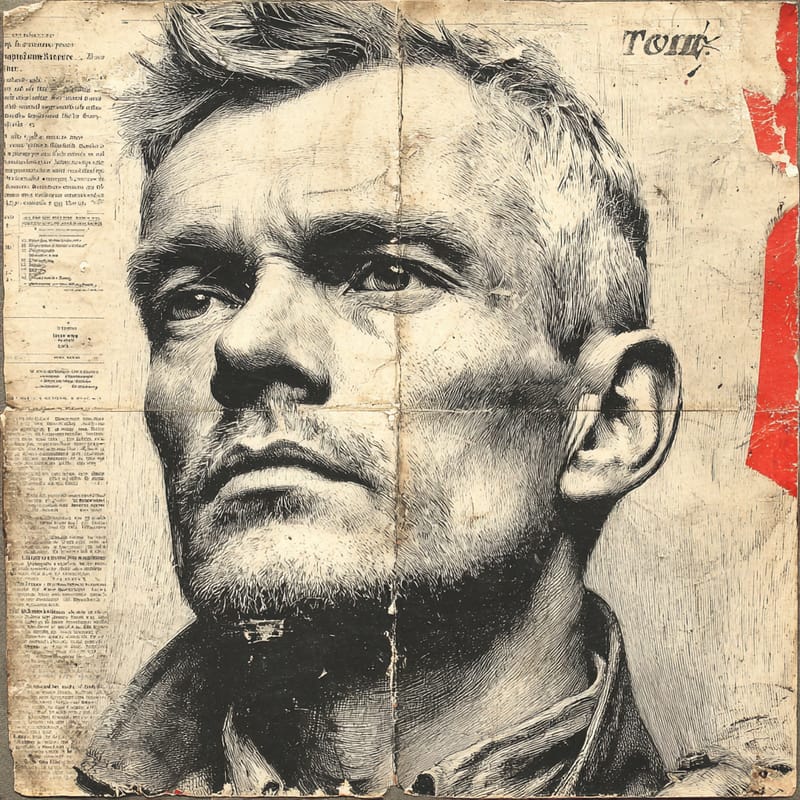
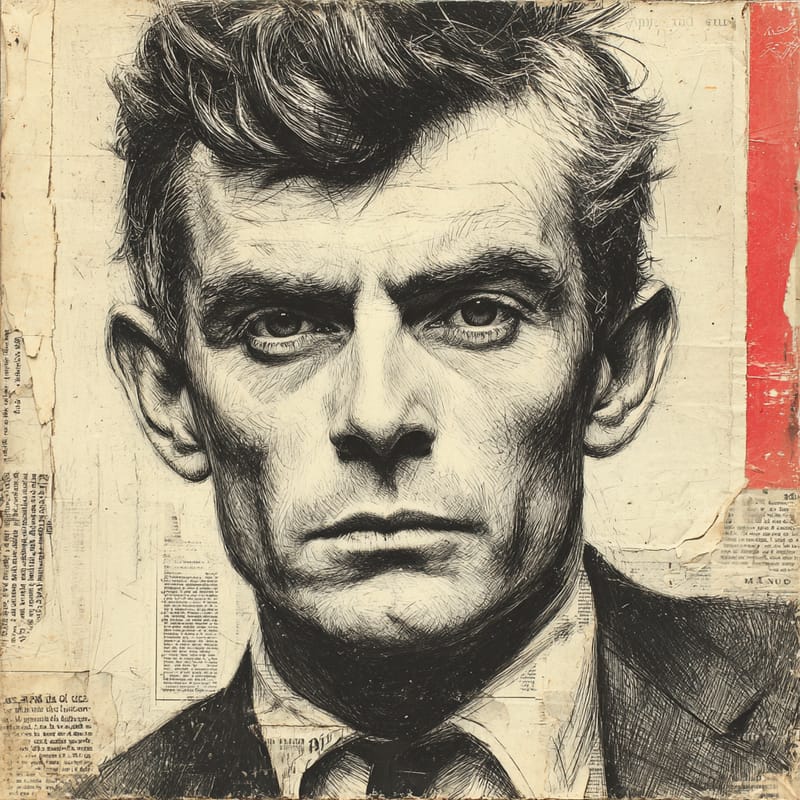
All minds →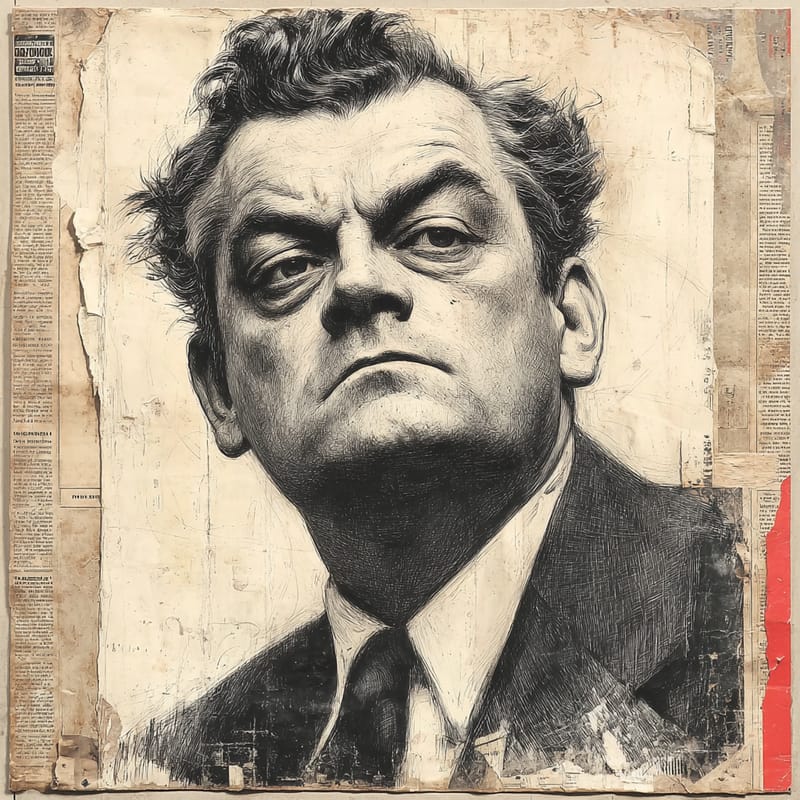
§ Also in the Strasserite hall
Enter the hall →The closest minds above are this hall’s whole roster.
§ Common questions
4 answersWhat is the Brown Radical's political ideology?
The Brown Radical stands for anti-capitalist national socialism of the Strasserite kind: on the 99ideologies three-axis compass, a Restorationist Strasserite. Economically the archetype sits left of centre (−52), demanding nationalised trusts and an end to unearned income. On governance it is near the authoritarian extreme (+92), seeking a total one-party state, and socially it is deeply traditional (−90), built on racial nationalism, blood-and-soil romanticism and antisemitism.
Is the Brown Radical left-wing or right-wing?
Far right, despite its anti-capitalism. The Brown Radical borrows the language of socialism, attacking finance, monopolies and unearned wealth, which pulls it left of centre economically. But its goal is a racially defined national community, not working-class emancipation: it rejects class struggle and internationalism, persecutes the left and treats antisemitism as part of its economic analysis. That is why historians treat the Nazi 'left' as a faction of the far right rather than as part of the left.
Was there a left wing of the Nazi Party?
In a limited sense, yes. In the 1920s Gregor and Otto Strasser led a northern faction that pressed for nationalisation and a more socialist programme, and in 1933–34 Ernst Röhm's SA demanded a second revolution against the old elites. Hitler defeated the faction at the Bamberg conference in 1926, expelled Otto in 1930 and had Gregor and Röhm killed in 1934. Historians usually put 'Nazi left' in quotation marks, since the faction shared the party's racism and authoritarianism.
Which minds are closest to The Brown Radical (archetype)?
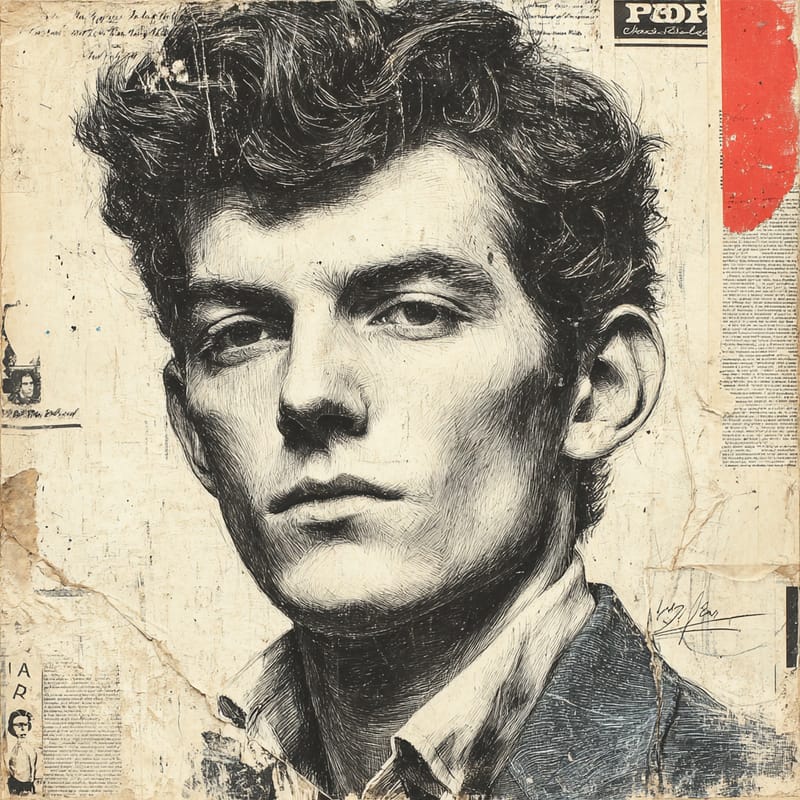
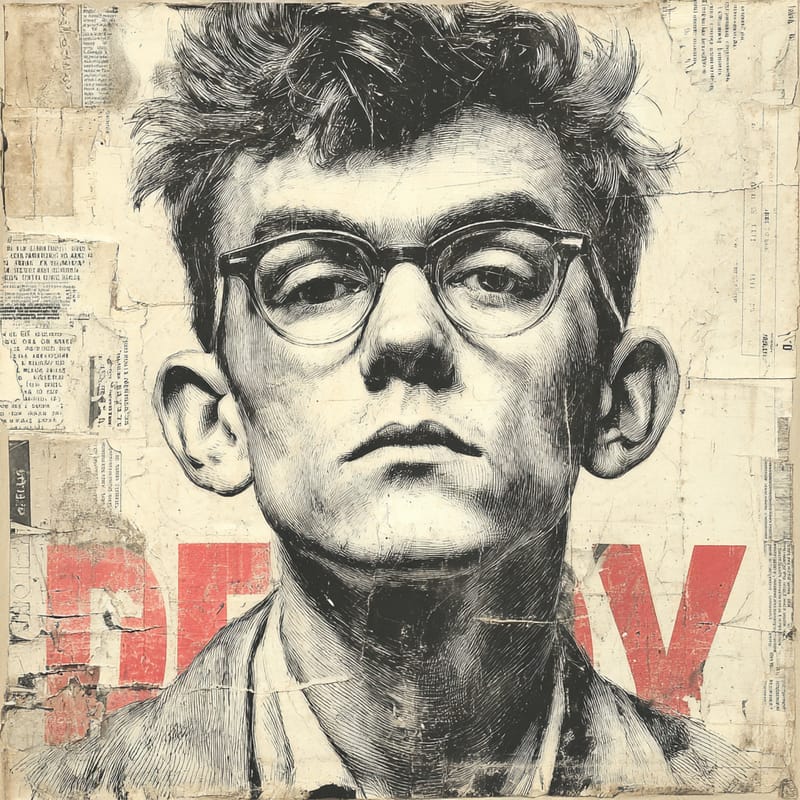
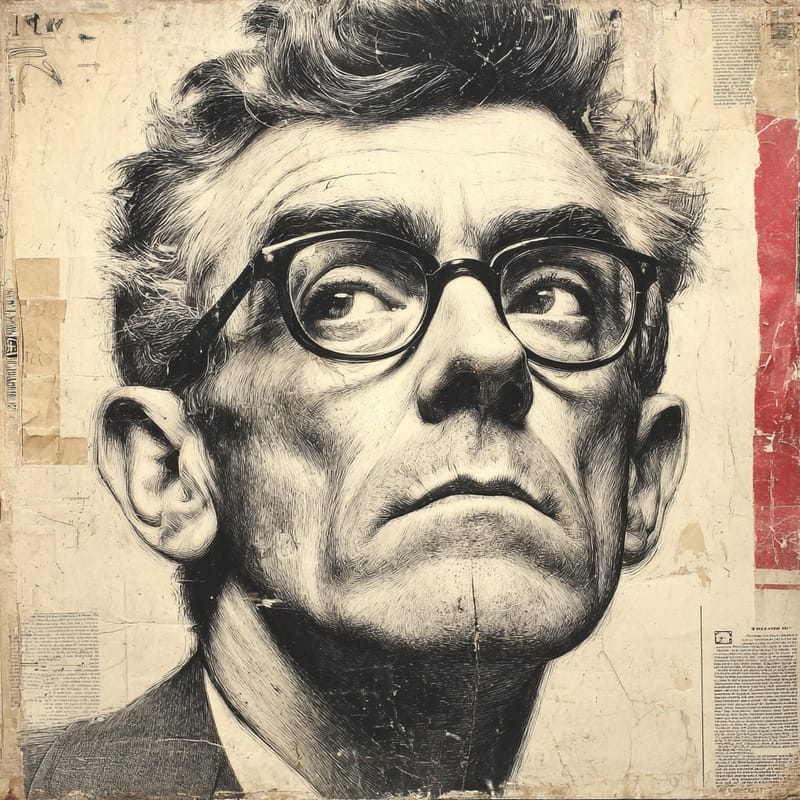
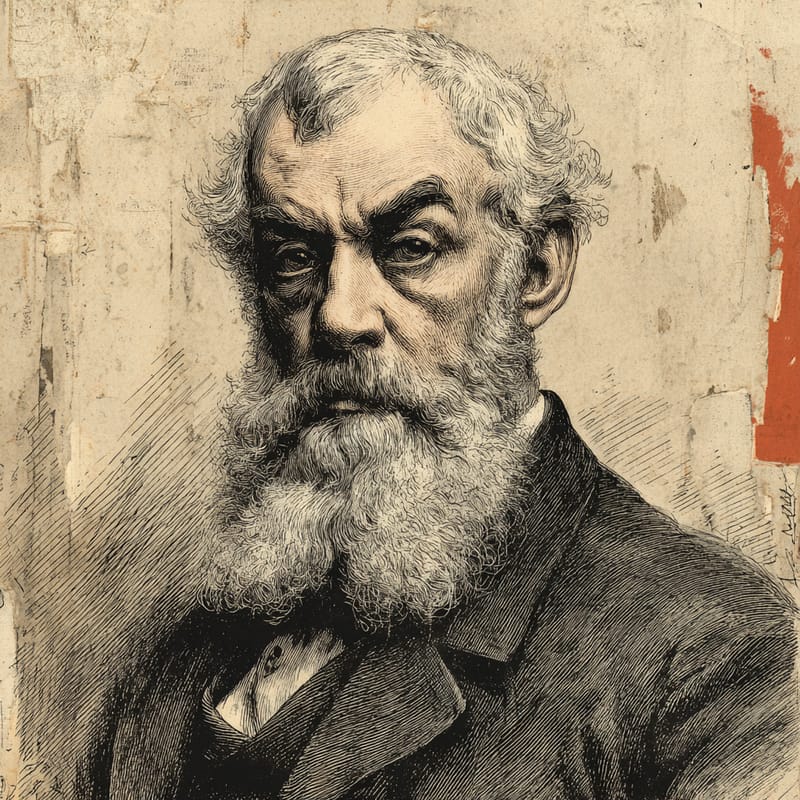
On the 99ideologies three-axis compass, the minds closest to The Brown Radical (archetype) are Gregor Strasser (99% alike), Ernst Röhm (98% alike) and Otto Strasser (98% alike). The furthest is Lysander Spooner (0% alike).