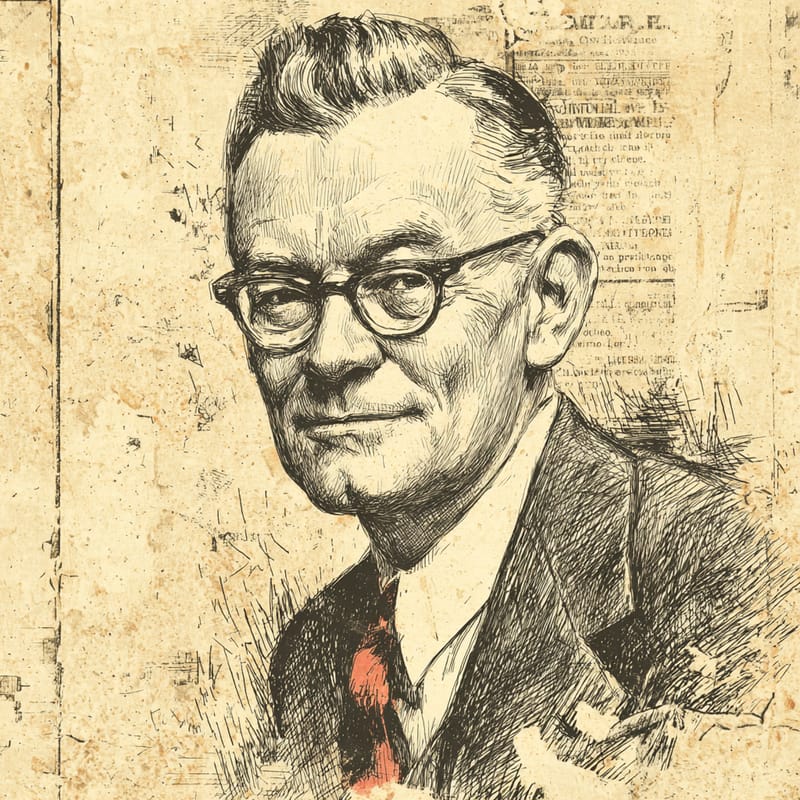
Robert LeFevre
The teacher of liberty
Persuasion, never coercion.
Heterodox VoluntaristOne of 729 ideologies · enter the Voluntarist hall →- Role
- Educator
- Era
- 1911–1986
- Region
- United States
- Social band
- Heterodox
- Placement
- +72 · −78 · +20
§ Where Robert LeFevre stands
3 axesLeFevre championed pure free markets and private property, which he saw as the natural expression of self-ownership. In The Philosophy of Ownership (1966) he argued that property rights are the foundation of a peaceful society, and from 1957 he taught at the Freedom School that every economic function of government could be met by voluntary exchange.
LeFevre rejected even the minimal state, arguing that all government rests on coercion and that every legitimate social order must be voluntary. He adopted the term autarchy, government of each individual by himself, for this position, and from the Freedom School he founded in 1957 he urged libertarians to shun electoral politics and change society through education and example.
LeFevre's individualism was pacifist and personal rather than culturally radical. He rejected the use of force even to punish aggressors, a stance that set him apart from most libertarians, and at the Freedom School he founded in 1957 he taught that individuals should reform their own conduct rather than impose change on others.
How close are you to Robert LeFevre?
Three statements, one per axis. Answer them and we’ll drop you on the compass next to them.
§ The story
HistoricalRobert LeFevre (1911–1986) was an American broadcaster, writer and educator who became one of the most influential teachers of radical libertarianism in the mid-twentieth century. Born in Gooding, Idaho, he worked in radio and television and then as an editorial writer for R. C. Hoiles's Freedom Newspapers at the Colorado Springs Gazette-Telegraph. In 1957 he founded the Freedom School in the mountains of Colorado, later expanded as Rampart College, where he taught a demanding philosophy of liberty to students and business people.
LeFevre's significance lies in the students he shaped and the uncompromising position he taught. Calling his philosophy autarchy, or self-rule, to avoid the word anarchy, he rejected even the minimal state and held that violence is not justified even to punish an aggressor. Among those who passed through the Freedom School was the businessman Charles Koch, who became one of its supporters. LeFevre opposed electoral politics, including the new Libertarian Party, and his pacifist voluntaryism remained a distinctive and contested strand of the movement.
Notable for
- 01Founded the Freedom School
- 02Autarchist philosophy
- 03Pacifist voluntaryism
Key works & moments
- 1950sWrites editorials for R. C. Hoiles's Freedom Newspapers at the Colorado Springs Gazette-Telegraph.
- 1957Founds the Freedom School in the Colorado mountains to teach the philosophy of liberty.
- 1960sExpands the Freedom School into Rampart College, with Charles Koch among its supporters.
- 1966Publishes The Philosophy of Ownership.
- 1970sOpposes the new Libertarian Party, arguing that electoral politics legitimises the state.
§ Minds closest to Robert LeFevre
All minds →

§ Also in the Voluntarist hall
Enter the hall →§ Common questions
4 answersWhat was Robert LeFevre's political ideology?
Robert LeFevre was a pacifist voluntaryist who called his philosophy autarchy, rule of the self, and rejected the state entirely: on the 99ideologies three-axis compass, a Heterodox Voluntarist. Economically he sat firmly on the market side (+72), defending pure free markets and private property. On governance he was strongly anti-state (−78), refusing even a minimal government, and socially he was mildly progressive (+20), an individualist whose pacifism rejected retaliatory force.
Was Robert LeFevre left-wing or right-wing?
He is usually placed on the libertarian right, since he defended free markets and private property and worked for conservative-leaning newspapers. But his rejection of all government, his pacifism and his opposition to party politics set him apart from conservatives, who generally supported a strong state for defence and order. LeFevre saw left and right as rival claims to control the state, and positioned his autarchy outside that contest altogether.
What is autarchy in Robert LeFevre's philosophy?
Autarchy, from the Greek for self-rule, was LeFevre's name for a society in which each person governs only himself and no one rules anyone else. He preferred it to anarchy, which he felt suggested disorder and violence. Autarchy rejected every form of coercive government, including a minimal state, and also ruled out retaliatory force, so that conflicts would be resolved by voluntary means. He taught it at the Freedom School he founded in Colorado in 1957.
Which minds are closest to Robert LeFevre?
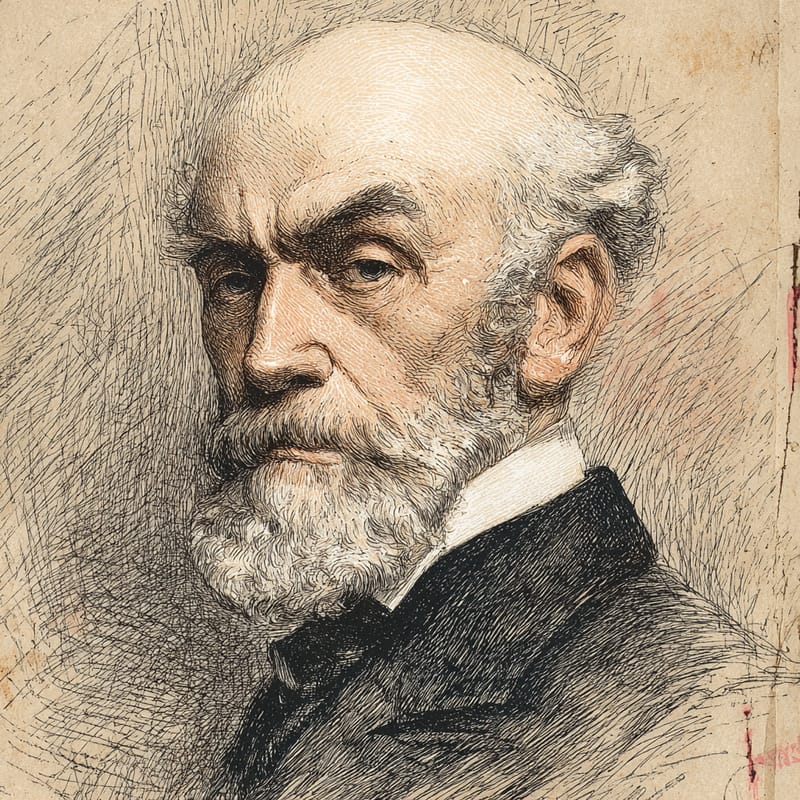
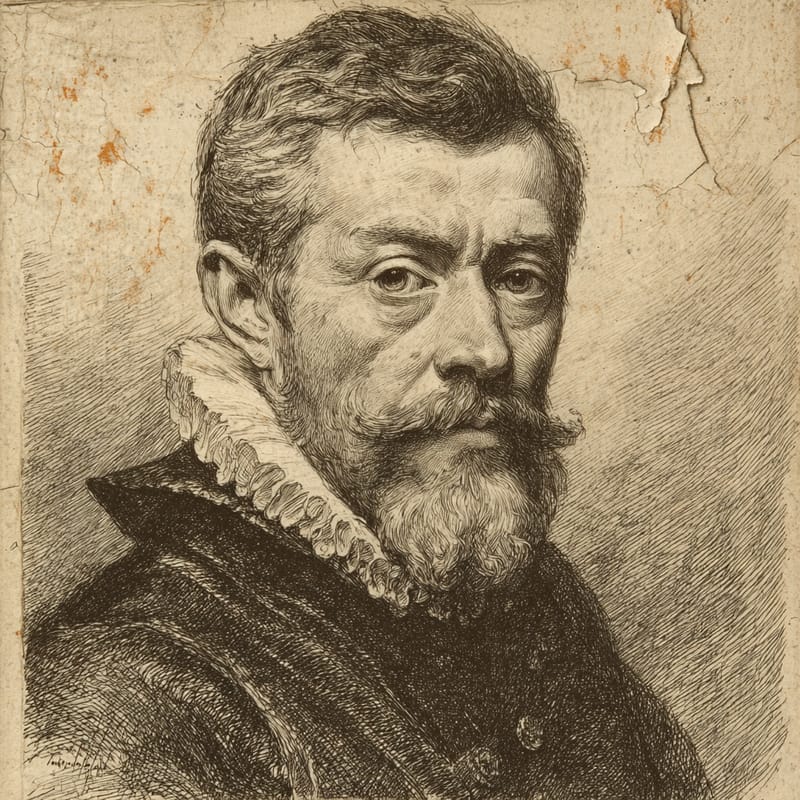
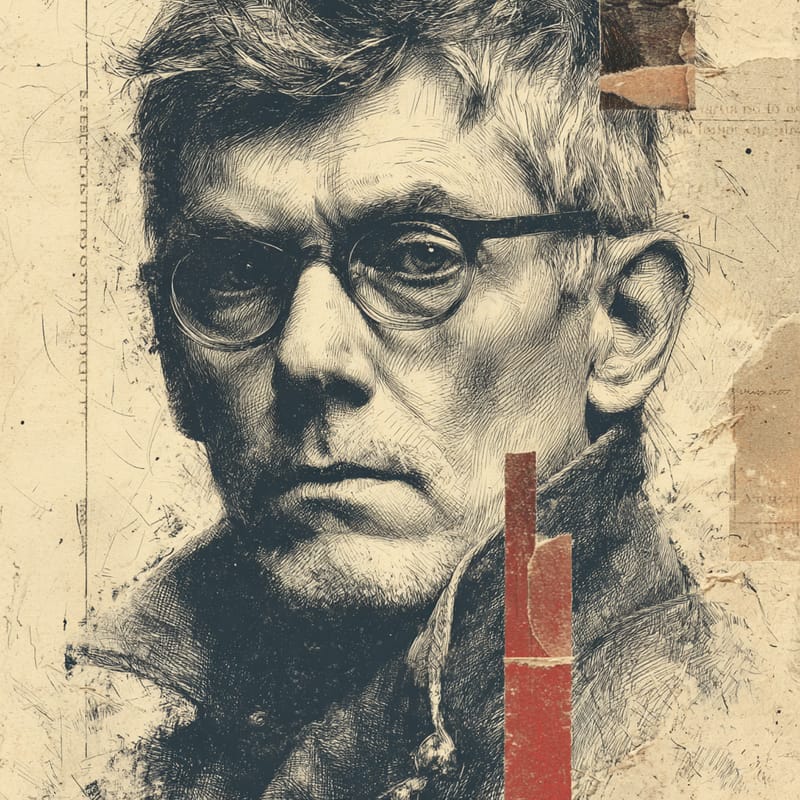
On the 99ideologies three-axis compass, the minds closest to Robert LeFevre are Carl Watner (97% alike), Auberon Herbert (97% alike) and The Consenting Neighbour (archetype) (96% alike). The furthest is Pol Pot (0% alike).