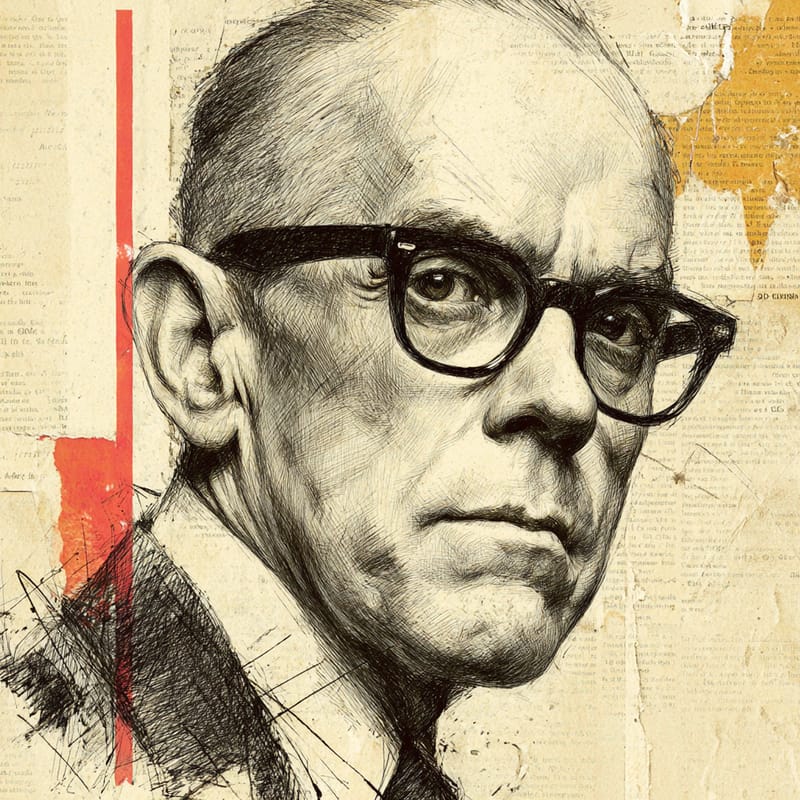
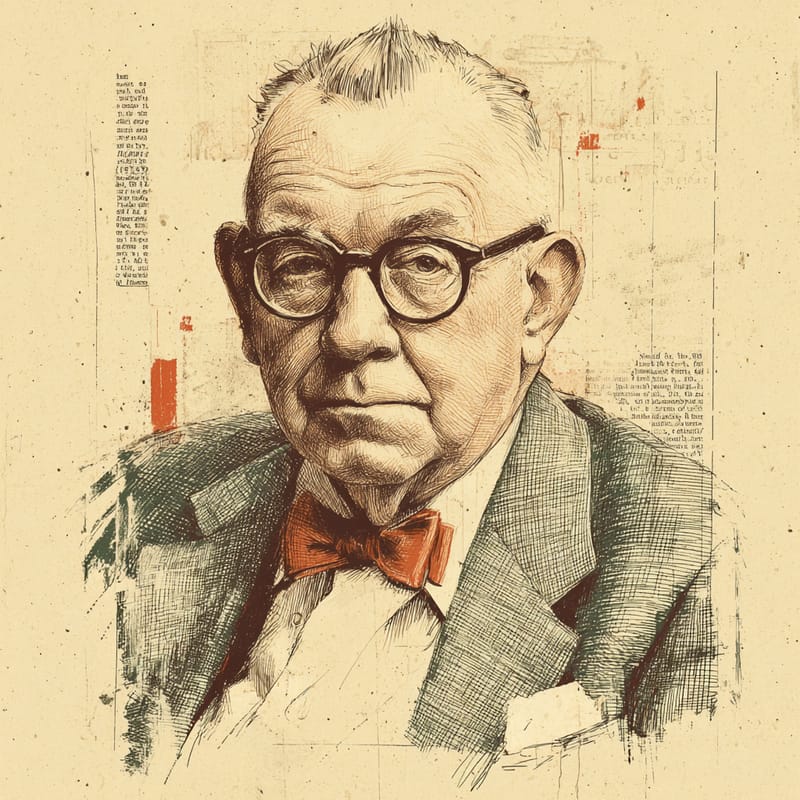
Charles Krauthammer
The unipolar moment
Reasoned advocacy of American power.
Traditional Neo-Conservative (Neocon)One of 729 ideologies · enter the Neo-Conservative (Neocon) hall →- Role
- Columnist
- Era
- 1950–2018
- Region
- United States
- Social band
- Traditional
- Placement
- +26 · +28 · −40
§ Where Charles Krauthammer stands
3 axesKrauthammer held mainstream conservative economic views, opposing the Affordable Care Act of 2010 as a vast expansion of government and favouring markets over central planning. He departed from orthodoxy by advocating a higher petrol tax, offset by a cut in payroll taxes, to curb American dependence on imported oil, which keeps him right of centre without being doctrinaire.
Krauthammer argued for the confident use of American power. He named the Reagan Doctrine of backing anti-communist insurgencies in 1985, urged Washington to exploit its unipolar moment after 1990 and, in his 2004 Irving Kristol Lecture, proposed a 'democratic realism' that would spread democracy where it served American security, supporting the wars in Iraq and Afghanistan.
Krauthammer's conservatism was moral and civilisational rather than religious. On the President's Council on Bioethics from 2002 to 2006 he argued against research cloning, setting out a secular case in his 2002 essay 'Crossing Lines', and his columns defended Western and American traditions against moral relativism. He was independent on some issues, supporting research on surplus embryos from fertility treatment.
How close are you to Charles Krauthammer?
Three statements, one per axis. Answer them and we’ll drop you on the compass next to them.
§ The story
HistoricalCharles Krauthammer (1950–2018) was an American columnist, commentator and psychiatrist. Born in New York and raised in Montreal, he studied at McGill and Oxford before entering Harvard Medical School, where a diving accident in his first year left him paralysed; he completed his degree and became chief resident in psychiatry at Massachusetts General Hospital. He moved to Washington in 1978 to work on psychiatric research policy in the Carter administration and wrote speeches for Vice President Walter Mondale in 1980 before turning to journalism.
Krauthammer wrote for The New Republic and Time, and from the mid-1980s a weekly Washington Post column that won the Pulitzer Prize for Commentary in 1987. He coined the term 'Reagan Doctrine' in 1985 and, in his essay 'The Unipolar Moment', argued that the United States should use its unrivalled post-Cold War power with confidence. He backed both the 1991 Gulf War and the 2003 invasion of Iraq, became a fixture of Fox News political panels, and saw his collection Things That Matter (2013) become a bestseller. He died of cancer in 2018.
Notable for
- 01Coined 'the unipolar moment'
- 02Pulitzer-winning columns
- 03Leading conservative voice
Key works & moments
- 1980Writes speeches for Vice President Walter Mondale.
- 1985Coins the term 'Reagan Doctrine' in a Time essay on backing anti-communist insurgencies.
- 1987Wins the Pulitzer Prize for Commentary for his Washington Post columns.
- 1990Publishes 'The Unipolar Moment', defining America's post-Cold War dominance.
- 2004Sets out 'democratic realism' in the American Enterprise Institute's Irving Kristol Lecture.
- 2013Things That Matter, a collection of his columns and essays, becomes a bestseller.
§ Minds closest to Charles Krauthammer
All minds →


§ Also in the Neo-Conservative (Neocon) hall
Enter the hall →§ Common questions
4 answersWhat was Charles Krauthammer's political ideology?
Charles Krauthammer was a neoconservative commentator and a leading advocate of American power after the Cold War: on the 99ideologies three-axis compass, a Traditional Neo-Conservative (Neocon). Economically he sat right of centre (+26), opposing the Affordable Care Act while backing unorthodox ideas such as a higher petrol tax. On governance he favoured confident use of state power abroad (+28), from the Reagan Doctrine to the Iraq War, and socially he leaned traditional (−40), with a moral seriousness most visible in his opposition to research cloning.
Was Charles Krauthammer left-wing or right-wing?
Right-wing for most of his career, after starting on the centre-left. As a young man he worked in Jimmy Carter's administration and wrote speeches for Walter Mondale, but by the mid-1980s his columns championed Ronald Reagan's anti-communism, and he became one of the most influential conservative voices in America. He remained independent-minded, supporting some embryonic stem-cell research and criticising Donald Trump's character in 2016, but his core positions on foreign policy and government were firmly conservative.
What did Charles Krauthammer mean by the unipolar moment?
He meant that the collapse of Soviet power had left the United States as the world's only superpower, unmatched militarily, economically and diplomatically. In his essay of that name, published in Foreign Affairs at the start of the 1990s, Krauthammer argued that this dominance would not last for ever and that Washington should use it confidently to shape world order rather than retreat into isolationism or defer to the United Nations. The phrase became a standard description of the post-Cold War decade.
Which minds are closest to Charles Krauthammer?
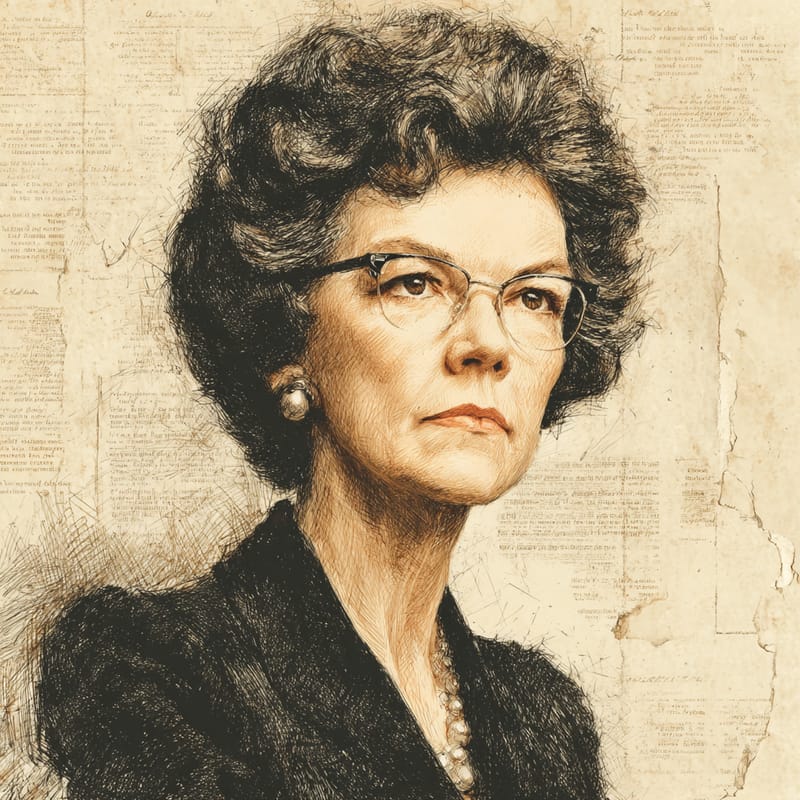
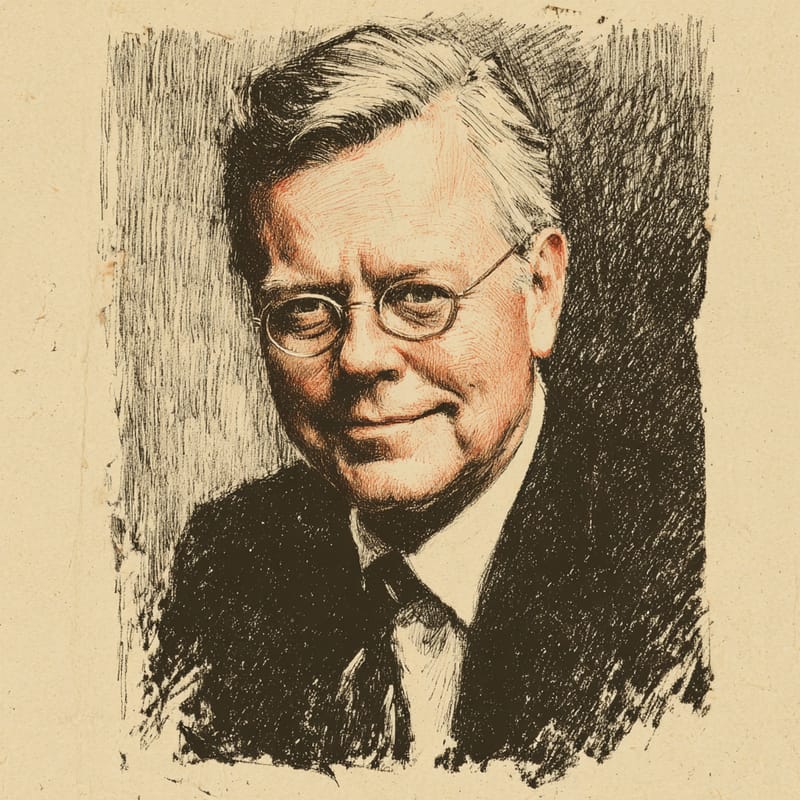
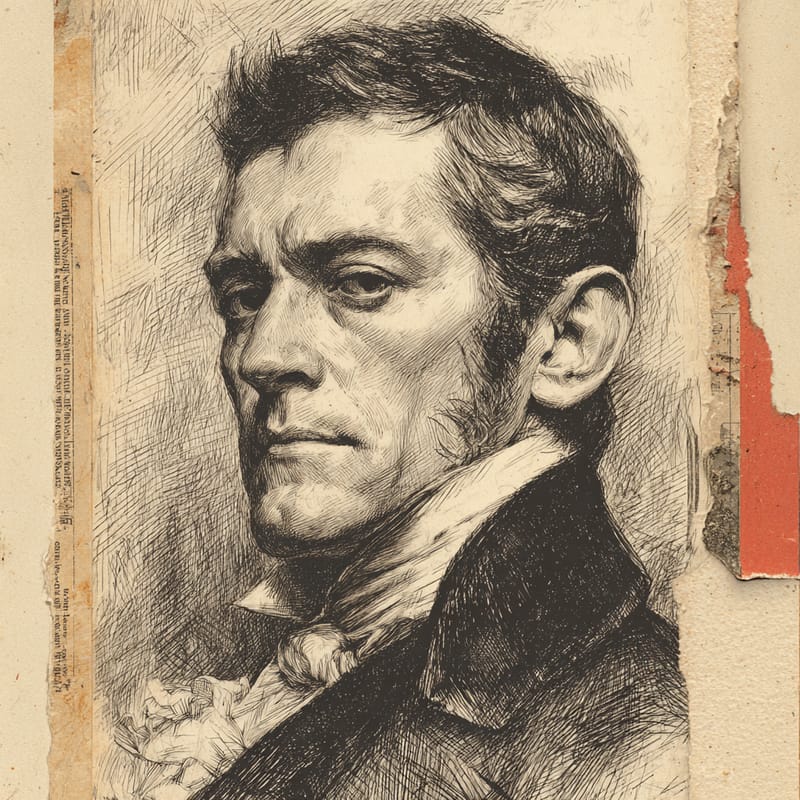
On the 99ideologies three-axis compass, the minds closest to Charles Krauthammer are Paul Wolfowitz (99% alike), Jeane Kirkpatrick (98% alike) and Bill Kristol (98% alike). The furthest is Emma Goldman (16% alike).