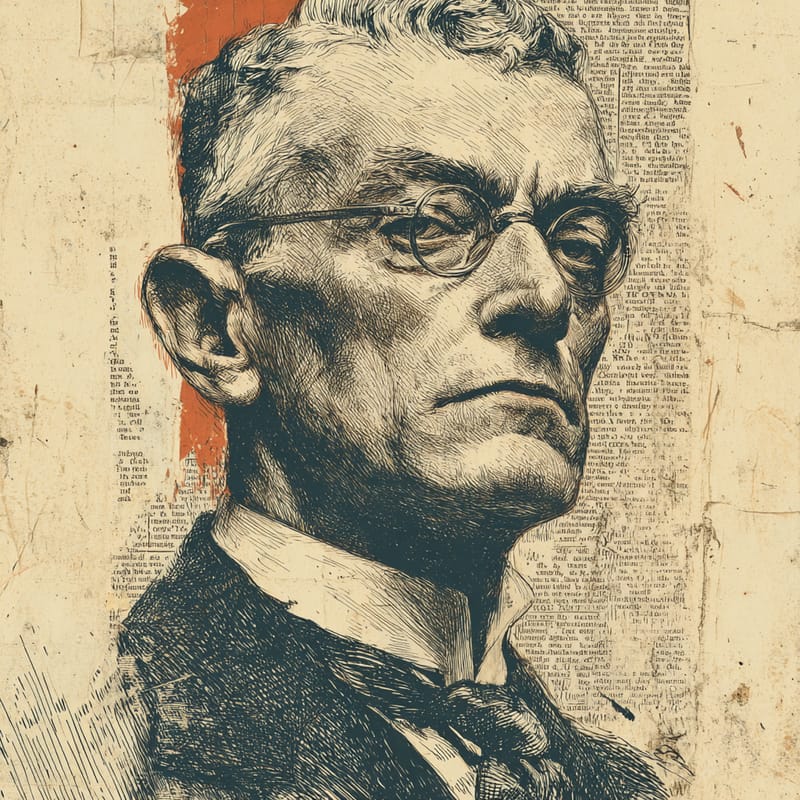
Alcide De Gasperi
Rebuilt democratic Italy
Christian democracy's founder.
Traditional Civic ConservativeOne of 729 ideologies · enter the Civic Conservative hall →- Role
- Prime Minister
- Era
- 1881–1954
- Region
- Italy
- Social band
- Traditional
- Placement
- +24 · +46 · −38
§ Where Alcide De Gasperi stands
3 axesDe Gasperi rebuilt a market economy, backing Luigi Einaudi's tight-money stabilisation of 1947 and opening Italy to Marshall Plan aid and European trade. Catholic social teaching tempered his liberalism: his governments passed the 1950 land reform that redistributed large estates in the South, created the Cassa per il Mezzogiorno to fund southern development, and launched the INA-Casa public housing programme in 1949.
De Gasperi built a strong centrist state against both fascist nostalgia and Communist revolution. He removed the Communists from government in May 1947, his interior minister Mario Scelba organised mobile riot police to suppress unrest, and his 1953 electoral law offered a large bonus of seats to any alliance winning a majority of the vote. He nonetheless governed within the democratic constitution of 1948.
A devout Catholic, De Gasperi governed in close harmony with the Church, which mobilised parishes behind his party in 1948. The 1948 constitution, adopted with his support, incorporated the 1929 Lateran Pacts with the Holy See, and Christian Democracy stood for the family, religious education and opposition to divorce. Yet he resisted Vatican pressure in 1952 to ally with the far right in Rome's municipal election.
How close are you to Alcide De Gasperi?
Three statements, one per axis. Answer them and we’ll drop you on the compass next to them.
§ The story
HistoricalAlcide De Gasperi (1881–1954) was the founder of Italian Christian Democracy and prime minister of Italy from 1945 to 1953, heading eight successive governments. Born in Trentino when it was part of Austria-Hungary, he studied in Vienna and sat in the Austrian parliament from 1911, before joining Luigi Sturzo's Italian People's Party after the war. The Fascist regime imprisoned him in 1927, and he later spent years working in the Vatican Library, where he prepared the programme of the Christian Democrats, founded clandestinely in 1942–43.
De Gasperi steered Italy through the end of the monarchy in 1946 and the peace treaty of 1947, then expelled the Communists and Socialists from his government and led the Christian Democrats to a decisive victory over the left in the 1948 election. His governments anchored Italy in the Marshall Plan, NATO and the European Coal and Steel Community, and he became one of the founding fathers of European integration. Critics on the left accused him of serving American and Vatican interests, and his 1953 electoral law, which they called the 'swindle law', contributed to his fall.
Notable for
- 01Founded Italian Christian Democracy
- 02Post-war reconstruction
- 03A father of European integration
Key works & moments
- 1911Elected to the Austrian parliament to represent the Italians of Trentino.
- 1927Arrested and imprisoned by the Fascist regime; later finds refuge working in the Vatican Library.
- 1945Becomes prime minister, leading eight successive governments until 1953.
- 1947Expels the Communists and Socialists from his coalition government.
- 1948Leads the Christian Democrats to a landslide over the Communist-led Popular Front.
- 1951Takes Italy into the European Coal and Steel Community, founded by the Treaty of Paris.
In their own words
“Taking the floor in this world assembly, I feel that everything, except your personal courtesy, is against me.”
§ Minds closest to Alcide De Gasperi
All minds →
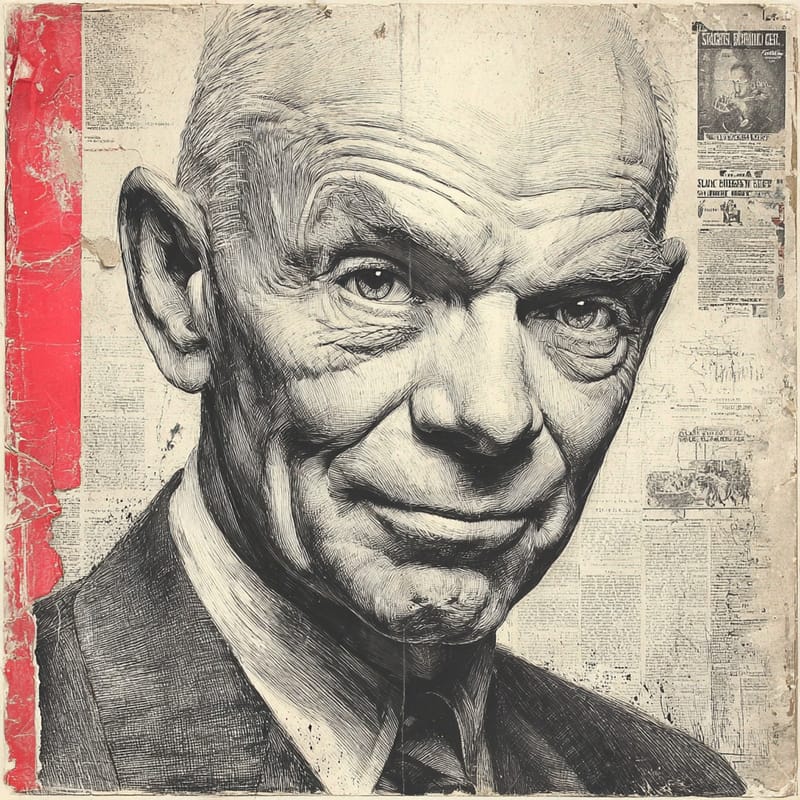
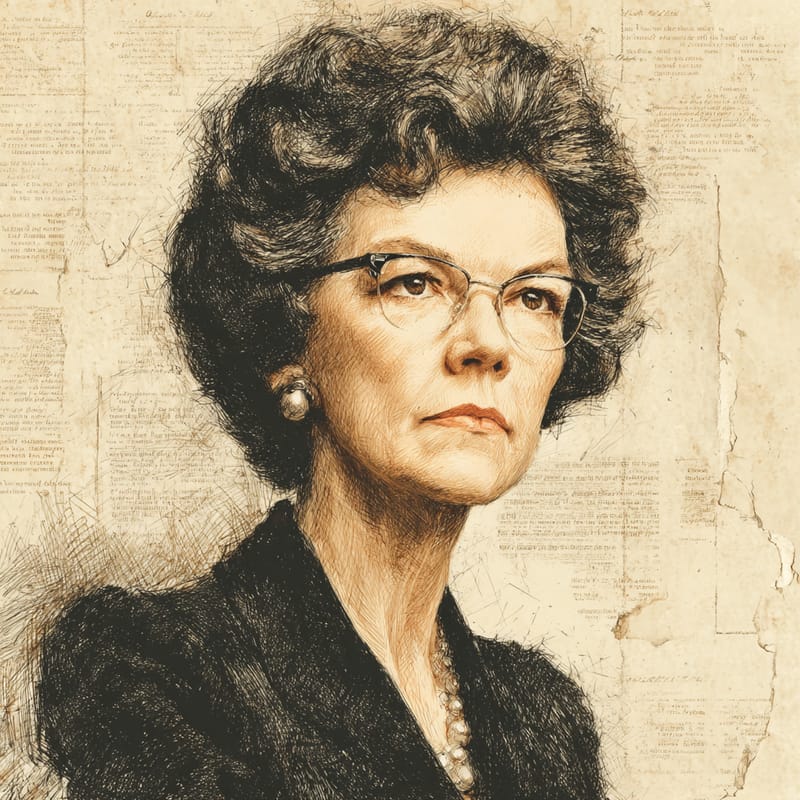


§ Also in the Civic Conservative hall
Enter the hall →§ Common questions
4 answersWhat was Alcide De Gasperi's political ideology?
Alcide De Gasperi was a Christian democrat: on the 99ideologies three-axis compass, a Traditional Civic Conservative. Economically he sat right of centre (+24), rebuilding a market economy while pursuing Catholic-inspired land reform and southern development. On governance he leaned towards a strong centrist state (+46), holding off the Communist left and the neo-fascist right, and socially he was clearly traditional (−38), governing in harmony with the Catholic Church on family and education.
Was Alcide De Gasperi left-wing or right-wing?
Centre-right. De Gasperi led a broad Catholic party of the centre that defeated the Communist-Socialist Popular Front in 1948 and tied Italy to the West, which made him the left's principal opponent. But he refused alliances with monarchists and neo-fascists, even under Vatican pressure in 1952, and his governments carried out land reform and public investment in the South. He saw Christian democracy as a third way between liberal capitalism and Marxist socialism.
Was Alcide De Gasperi a founding father of the European Union?
Yes. He is counted among the founding fathers of European integration alongside Robert Schuman, Jean Monnet and Konrad Adenauer. De Gasperi took Italy into the Council of Europe in 1949 and the European Coal and Steel Community in 1951, championed the European Defence Community and pressed for a European Political Community to accompany it. In May 1954, three months before his death, he was elected president of the Coal and Steel Community's Common Assembly, the forerunner of the European Parliament.
Which minds are closest to Alcide De Gasperi?
On the 99ideologies three-axis compass, the minds closest to Alcide De Gasperi are Stanley Baldwin (99% alike), Lord Shaftesbury (97% alike) and Georges Pompidou (95% alike). The furthest is Emma Goldman (12% alike).