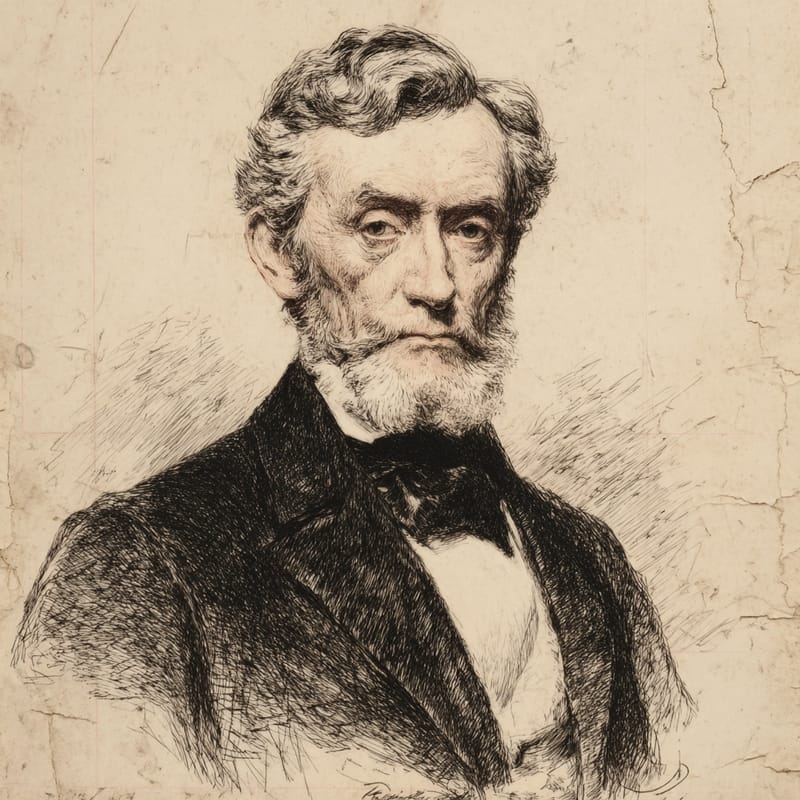
Lord Shaftesbury
Tory social reform
Order with a conscience.
Rooted Civic ConservativeOne of 729 ideologies · enter the Civic Conservative hall →- Role
- Reformer & peer
- Era
- 1801–1885
- Region
- United Kingdom
- Social band
- Rooted
- Placement
- +22 · +44 · −30
§ Where Lord Shaftesbury stands
3 axesShaftesbury never challenged private ownership or the market economy, which places him right of centre, but he believed Parliament must curb its cruelties. Against the objections of mill owners and free-market Liberals such as John Bright, he championed the 1842 Mines and Collieries Act, the 1847 Ten Hours Act limiting factory hours for women and young people, and the 1875 Chimney Sweepers Act.
Shaftesbury worked through the established order, trusting Parliament, the Church and an aristocratic sense of duty rather than popular democracy to protect the weak. His reforms extended the reach of the state through inspection: the 1842 Mines Act created mine inspectors, and he chaired the Lunacy Commission, which oversaw asylums, from 1845 until his death.
Shaftesbury was an evangelical traditionalist whose reforming zeal came from Christian conviction rather than progressive ideology. He fought for strict Sabbath observance, opposing Sunday postal work, campaigned against Catholic-leaning ritualism in the Church of England, and promoted Bible distribution at home and missions abroad, making his religious conservatism as marked as his humanitarianism.
How close are you to Lord Shaftesbury?
Three statements, one per axis. Answer them and we’ll drop you on the compass next to them.
§ The story
HistoricalAnthony Ashley-Cooper, 7th Earl of Shaftesbury (1801–1885), was the leading parliamentary social reformer of Victorian Britain. Known as Lord Ashley until he inherited the earldom in 1851, he entered the Commons as a Tory in 1826 and, driven by evangelical faith, devoted his career to the victims of industrial society: children in textile mills, women and boys in the mines, chimney sweeps, the insane and the destitute children of London's slums.
Shaftesbury showed that conservatives, not only radicals, could tame the factory system. Working against laissez-faire Liberals and mill owners, he championed the mines, factory and lunacy laws that built up state inspectorates and set precedents for regulating labour. Yet his was a paternalism from above: he campaigned for strict Sunday observance and against ritualism in the Church of England, presided over the Ragged School Union and the British and Foreign Bible Society, and believed improvement came through Christian duty and the established order. The Shaftesbury Memorial Fountain in Piccadilly Circus commemorates him.
Notable for
- 01Factory Acts reform
- 02Banned child labour in mines
- 03Evangelical philanthropy
Key works & moments
- 1833Takes up the Ten Hours campaign in Parliament to limit factory working hours.
- 1842Mines and Collieries Act bans women, girls and boys under ten from underground work.
- 1844Becomes president of the Ragged School Union, which runs free schools for destitute children.
- 1845Lunacy Act reforms asylums; he chairs the new Lunacy Commission for four decades.
- 1847The Ten Hours Act he championed passes while he is briefly out of Parliament.
- 1875His Chimney Sweepers Act finally ends the use of climbing boys.
§ Minds closest to Lord Shaftesbury
All minds →


§ Also in the Civic Conservative hall
Enter the hall →The closest minds above are this hall’s whole roster.
§ Common questions
4 answersWhat was Lord Shaftesbury's political ideology?
Lord Shaftesbury was a Tory paternalist and evangelical reformer: on the 99ideologies three-axis compass, a Rooted Civic Conservative. Economically he sat right of centre (+22), accepting private enterprise but using law to curb child labour and excessive hours. On governance he leaned towards authority (+44), relying on Parliament, inspectors and aristocratic duty rather than popular democracy, and socially he was traditional (−30), a devout evangelical who fought for Sabbath observance as hard as for factory children.
Was Lord Shaftesbury left-wing or right-wing?
Right-wing in allegiance, reformist in practice. Shaftesbury was a Tory aristocrat who distrusted radicalism and defended the Church and the landed order, but his factory and mines campaigns put him at odds with laissez-faire Liberals and many industrialists. He represents a strand of conservatism, often called Tory paternalism, that accepts state intervention to protect the vulnerable in order to preserve social harmony and the established order, rather than to redistribute power or wealth.
Did Lord Shaftesbury end child labour?
Not single-handedly, and not entirely. Shaftesbury led the parliamentary campaigns behind the 1842 Mines Act, which banned boys under ten from working underground, the 1847 Ten Hours Act, which limited the hours of young people in textile mills, and the 1875 Chimney Sweepers Act. These laws ended some of the worst abuses, but children continued to work in many trades, and child labour declined decisively only after compulsory schooling followed the Education Acts of 1870 and 1880.
Which minds are closest to Lord Shaftesbury?
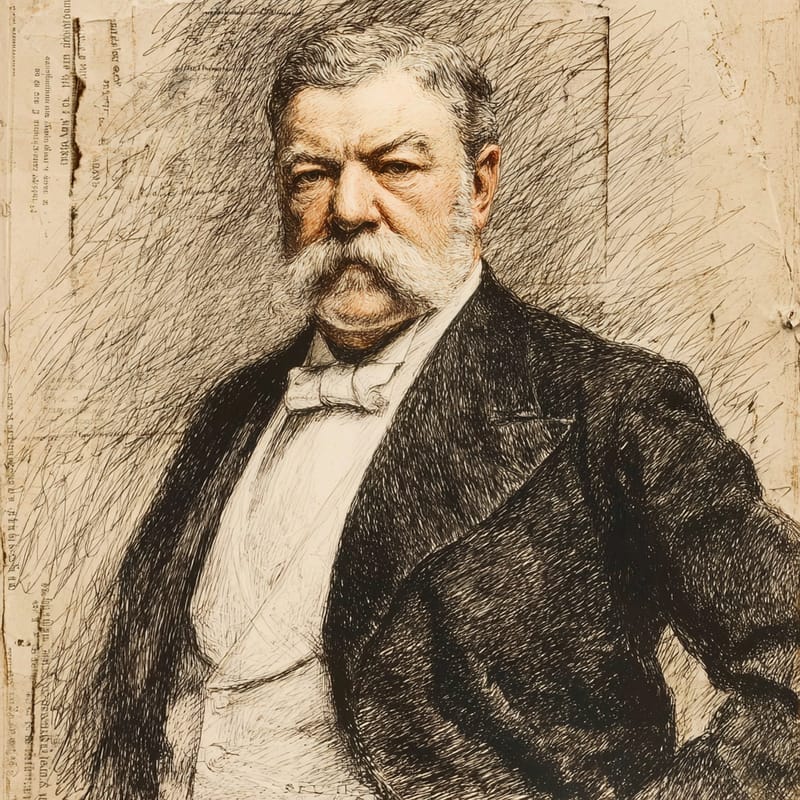
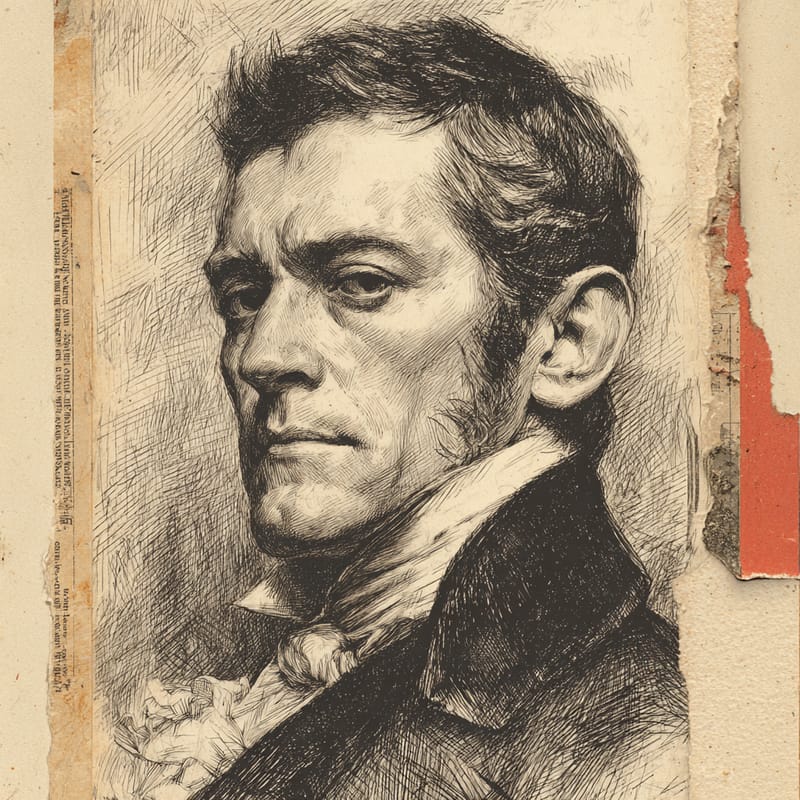
On the 99ideologies three-axis compass, the minds closest to Lord Shaftesbury are Stanley Baldwin (97% alike), Dwight D. Eisenhower (97% alike) and Alcide De Gasperi (97% alike). The furthest is Emma Goldman (15% alike).