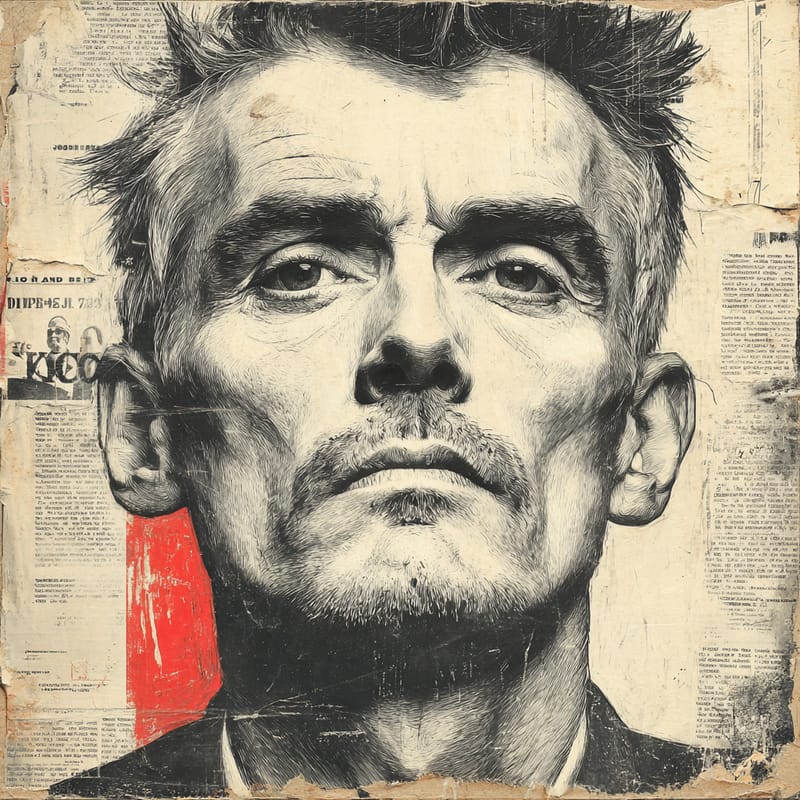
The Red-Brown Front (archetype)
The collective and the nation, fused
Where the far left meets the far right.
Rooted National BolshevikOne of 729 ideologies · enter the National Bolshevik hall →- Role
- Nationalist-communist fusion
- From
- Archetype
- Region
- —
- Social band
- Rooted
- Placement
- −74 · +80 · −20
§ Where The Red-Brown Front (archetype) stands
3 axesThe red-brown programme collectivises the economy in the name of the nation rather than of a class. Niekisch's journal Widerstand, founded in 1926, looked to Soviet Russia as model and ally against Western capitalism, and Russia's National Bolshevik Party of the 1990s denounced oligarchs and privatisation; private wealth survives only where it serves national power.
The archetype seeks a total revolutionary state hostile to parliamentary democracy and liberal capitalism alike. In October 1993 communists and nationalists rallied to Russia's Supreme Soviet in its standoff with Boris Yeltsin, and armed supporters attacked the Ostankino television centre before the army shelled the parliament building.
Socially the red-brown front leans toward the rooted and the traditional, mobilising around the nation, soldierly virtue and inherited identity rather than individual liberation. Gennady Zyuganov's Communist Party of the Russian Federation, founded in 1993, blended Soviet nostalgia with Russian Orthodoxy and patriotism, while the avant-garde aesthetics of groups like the National Bolsheviks keep the archetype from simple conservatism.
How close are you to The Red-Brown Front (archetype)?
Three statements, one per axis. Answer them and we’ll drop you on the compass next to them.
§ The story
ArchetypeThe Red-Brown Front is an archetype for the fusion of revolutionary collectivism and militant nationalism: red for communism, brown for the shirts of Hitler's stormtroopers. The term red-brown became common in 1990s Russia for the alliance of communists and nationalists against Boris Yeltsin, but the pattern is older. Weimar Germany produced Ernst Niekisch's National Bolshevism, Karl Radek's 1923 Schlageter line and Chancellor Kurt von Schleicher's failed 1932 attempt to unite trade unions with the Nazi left.
The archetype recurs when liberal orders falter after defeat in war, economic collapse or the fall of an empire, as in Weimar Germany and in post-Soviet Russia, where Eduard Limonov and Alexander Dugin founded the National Bolshevik Party in 1993. Both extremes share enemies in liberalism, finance capital, cosmopolitanism and Western power, and both promise a mobilised, disciplined community. The pattern is often cited in support of horseshoe theory, which holds that far left and far right converge, though critics note that such alliances are rare and usually short-lived.
Notable for
- 01Left-right fusion
- 02Collectivist nationalism
- 03Anti-liberalism
Key works & moments
- 1923Karl Radek's Schlageter speech urges German nationalists to join communists against the Versailles powers.
- 1926Ernst Niekisch launches Widerstand, the main journal of Weimar National Bolshevism.
- 1932Chancellor Kurt von Schleicher courts trade unions and Gregor Strasser's Nazi faction in a failed cross-front.
- 1992Russian communists and nationalists form the National Salvation Front against Boris Yeltsin.
- 1993Red-brown forces back parliament in Moscow's October crisis; Limonov and Dugin found the National Bolshevik Party.
§ Minds closest to The Red-Brown Front (archetype)
All minds →
§ Also in the National Bolshevik hall
Enter the hall →The closest minds above are this hall’s whole roster.
§ Common questions
4 answersWhat is the Red-Brown Front's political ideology?
The Red-Brown Front stands for national bolshevism, the fusion of communist economics with revolutionary nationalism: on the 99ideologies three-axis compass, a Rooted National Bolshevik. Economically it sits well to the left (−74), collectivising the economy in the nation's name. On governance it is strongly authoritarian (+80), seeking a total revolutionary state against both liberalism and capital. Socially it leans traditional (−20), mobilising around nation, soldierly virtue and inherited identity.
Is the Red-Brown Front left-wing or right-wing?
Both at once, which is the point of the archetype. Its economics borrow from the far left, attacking capitalism, oligarchs and finance, while its nationalism, militarism and reverence for tradition come from the far right. Many scholars classify real red-brown movements as far right, because nationalism usually wins out over class politics, but the alliance shows how the extremes can converge against liberal democracy.
What does red-brown mean in politics?
Red-brown describes an alliance or synthesis of communists, the reds, and nationalists or fascists, the browns, named after the brown shirts of Hitler's stormtroopers. The term became widespread in 1990s Russia, where Yeltsin's supporters used it for the communist-nationalist opposition, and it is also applied to Weimar National Bolshevism and to modern movements that combine anti-capitalist and ultranationalist politics. German has a related word, Querfront, or cross-front, for such left-right alliances.
Which minds are closest to The Red-Brown Front (archetype)?
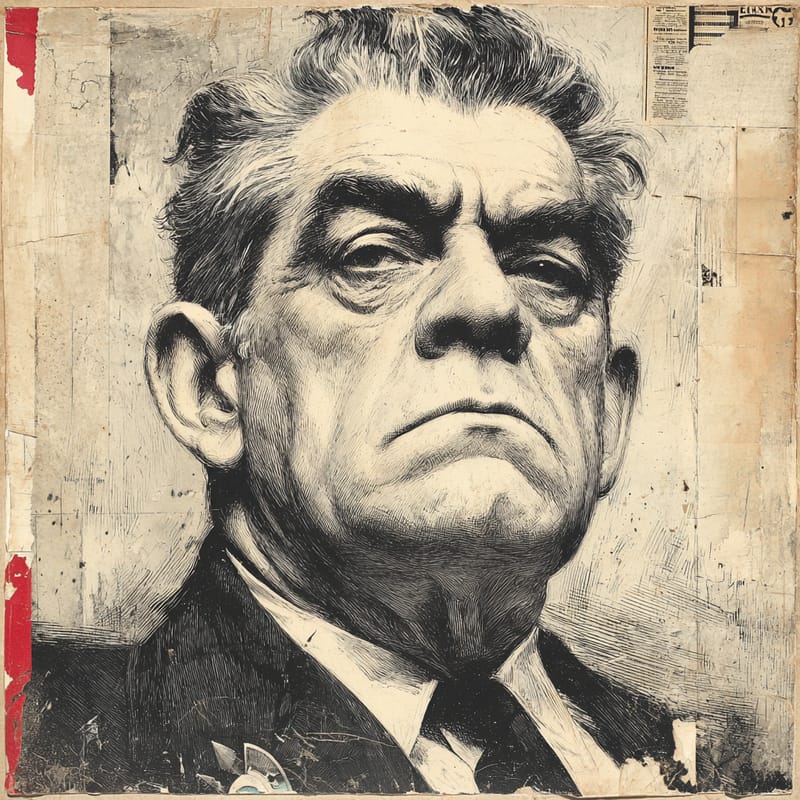
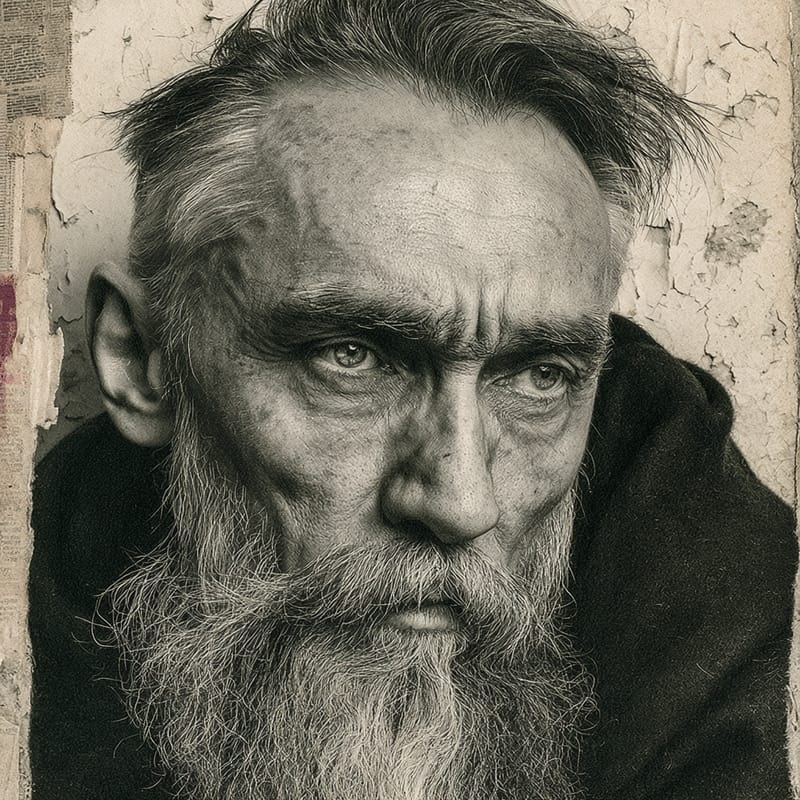
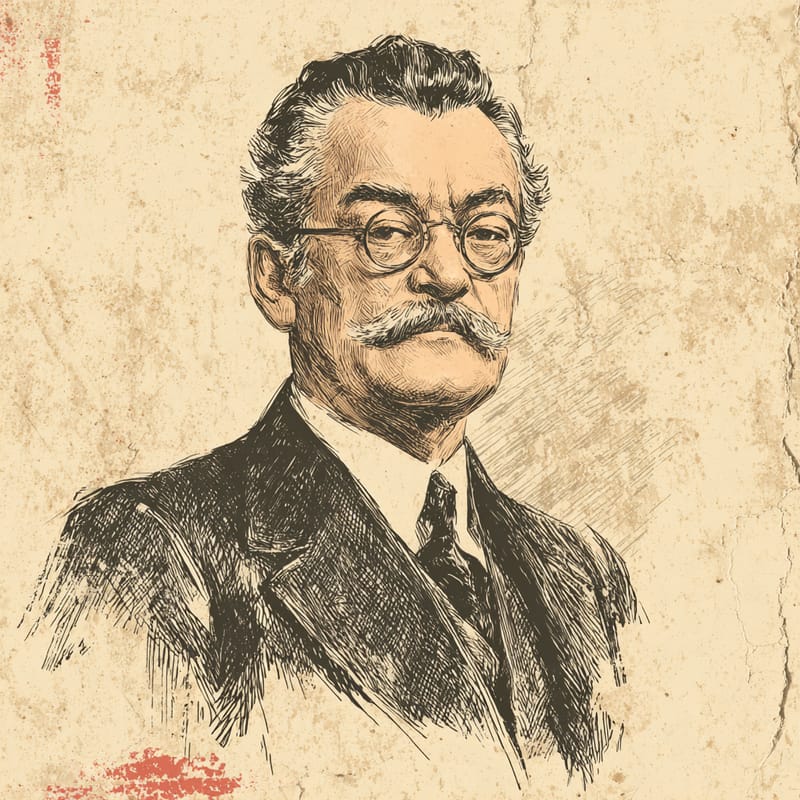
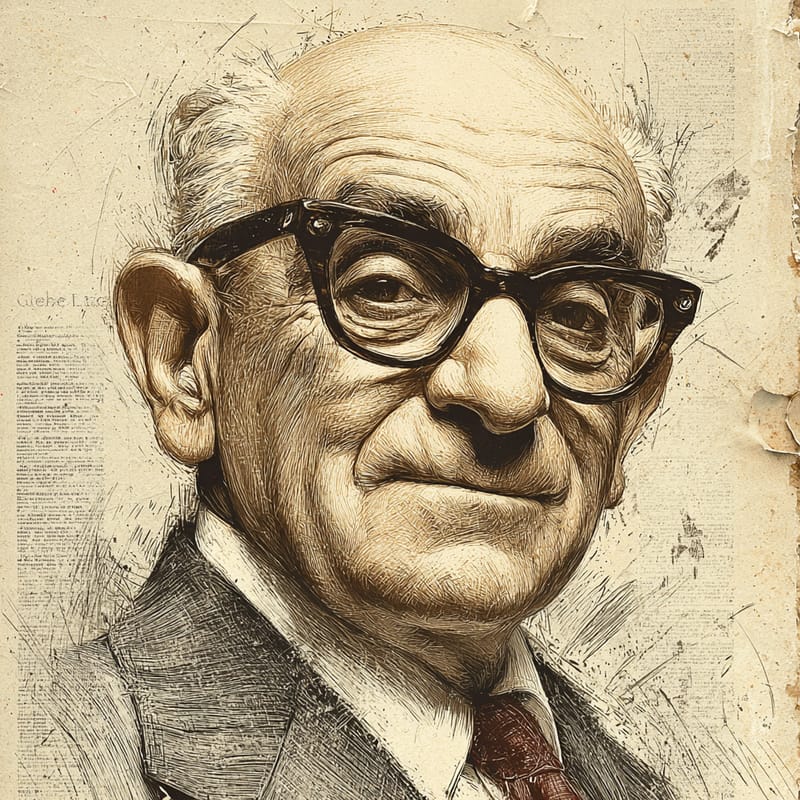
On the 99ideologies three-axis compass, the minds closest to The Red-Brown Front (archetype) are Eduard Limonov (97% alike), Ernst Niekisch (96% alike) and Karl Radek (95% alike). The furthest is Murray Rothbard (2% alike).