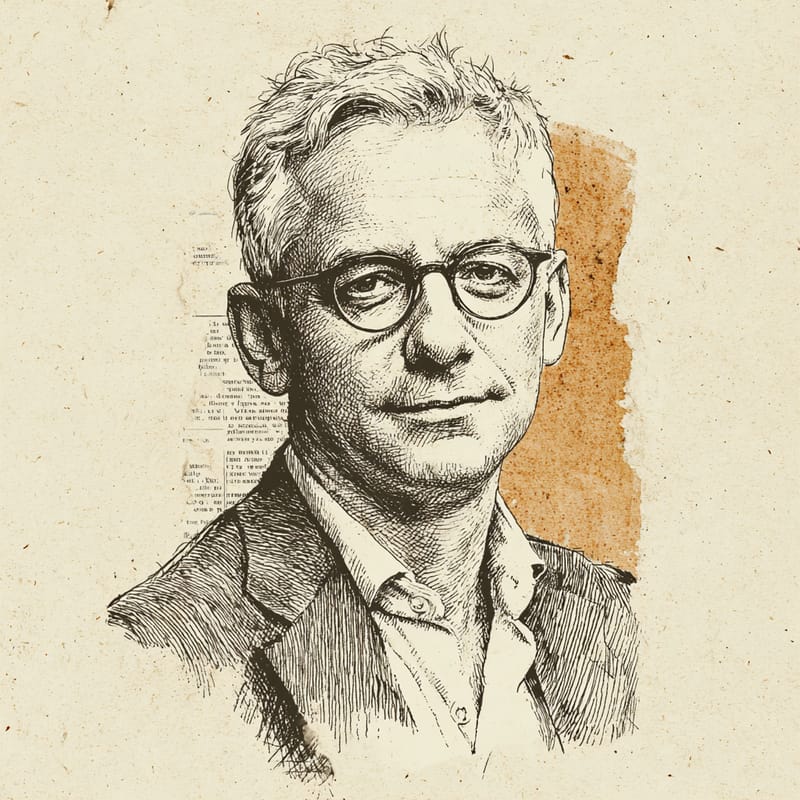
David Boaz
The libertarian mind
A clear case for free people and free markets.
Heterodox LibertarianOne of 729 ideologies · enter the Libertarian hall →- Role
- Author & Cato VP
- Era
- 1953–2024
- Region
- United States
- Social band
- Heterodox
- Placement
- +72 · −54 · +25
§ Where David Boaz stands
3 axesBoaz made the case for free enterprise, low taxes and deregulation in The Libertarian Mind (2015), presenting markets as the economic expression of voluntary cooperation. At Cato he backed private accounts for Social Security, school choice and cuts to subsidies for business, which he denounced as corporate welfare, placing him well toward the market pole.
Boaz treated constitutional limits and civil liberties as one package: government should be confined to protecting rights, and the principle that bars economic controls also bars surveillance, censorship and drug prohibition. He was arguing for an end to the war on drugs by the late 1980s, years before the idea entered mainstream debate, and Libertarianism: A Primer (1997) set out that unified case.
Boaz was a cultural liberal on personal questions, supporting drug legalisation, marriage equality and more open immigration, and he criticised social conservatives for using government to enforce morality. His case rested on individual choice rather than progressive social engineering, and his 2006 Cato study The Libertarian Vote, with David Kirby, identified voters who were fiscally conservative and socially liberal.
How close are you to David Boaz?
Three statements, one per axis. Answer them and we’ll drop you on the compass next to them.
§ The story
LivingDavid Boaz (1953–2024) was an American writer and policy executive who spent more than four decades at the Cato Institute, the libertarian think tank in Washington, D.C. Raised in Kentucky and educated at Vanderbilt University, he joined Cato in 1981, four years after its founding, and served for many years as its executive vice-president, helping to build it into one of the best-known think tanks in the United States and becoming one of the movement's most familiar public voices.
Boaz's Libertarianism: A Primer (1997), revised as The Libertarian Mind (2015), and his anthology The Libertarian Reader (1997) became standard introductions to the movement. He argued that libertarians are neither left nor right, combining free markets with civil liberties, and he was an early mainstream voice for ending the war on drugs and for marriage equality. Cato's ties to its co-founder Charles Koch drew criticism from the left, while social conservatives objected to Boaz's cultural liberalism.
Notable for
- 01'The Libertarian Mind'
- 02Longtime Cato Institute leader
- 03Fused economic and personal freedom
Key works & moments
- 1981Joins the Cato Institute, where he becomes executive vice-president.
- 1997Publishes Libertarianism: A Primer and edits The Libertarian Reader.
- 2006Co-authors The Libertarian Vote, a study of fiscally conservative, socially liberal voters.
- 2008Publishes The Politics of Freedom, a collection of essays.
- 2015Publishes The Libertarian Mind: A Manifesto for Freedom.
- 2024Dies after more than four decades at the Cato Institute.
§ Minds closest to David Boaz
All minds →

§ Also in the Libertarian hall
Enter the hall →§ Common questions
4 answersWhat was David Boaz's political ideology?
David Boaz was a mainstream libertarian who combined free markets with civil liberties: on the 99ideologies three-axis compass, a Heterodox Libertarian. Economically he sat close to the market pole (+72), backing low taxes, deregulation and an end to corporate subsidies. On governance he was strongly anti-statist (−54), treating constitutional limits and civil liberties as one cause. Socially he was moderately progressive (+25), supporting drug legalisation, marriage equality and freer immigration.
Was David Boaz left-wing or right-wing?
Neither, by his own account, though he is usually filed with the free-market right. Boaz argued that libertarianism is a distinct position that takes the right's economics and the left's civil liberties, and he criticised conservatives over the drug war, surveillance and morality laws as sharply as he criticised progressives over taxes and regulation. His think tank, the Cato Institute, worked with members of both parties on particular issues while belonging to neither.
What is The Libertarian Mind about?
The Libertarian Mind: A Manifesto for Freedom (2015) is Boaz's revised and expanded version of his 1997 book Libertarianism: A Primer. It traces libertarian ideas from ancient and religious sources through John Locke, the American founders and the classical liberals, then sets out core principles: individual rights, spontaneous order, free markets, the rule of law and limited government. Later chapters apply them to contemporary issues, and the book became one of the most widely used introductions to libertarianism.
Which minds are closest to David Boaz?
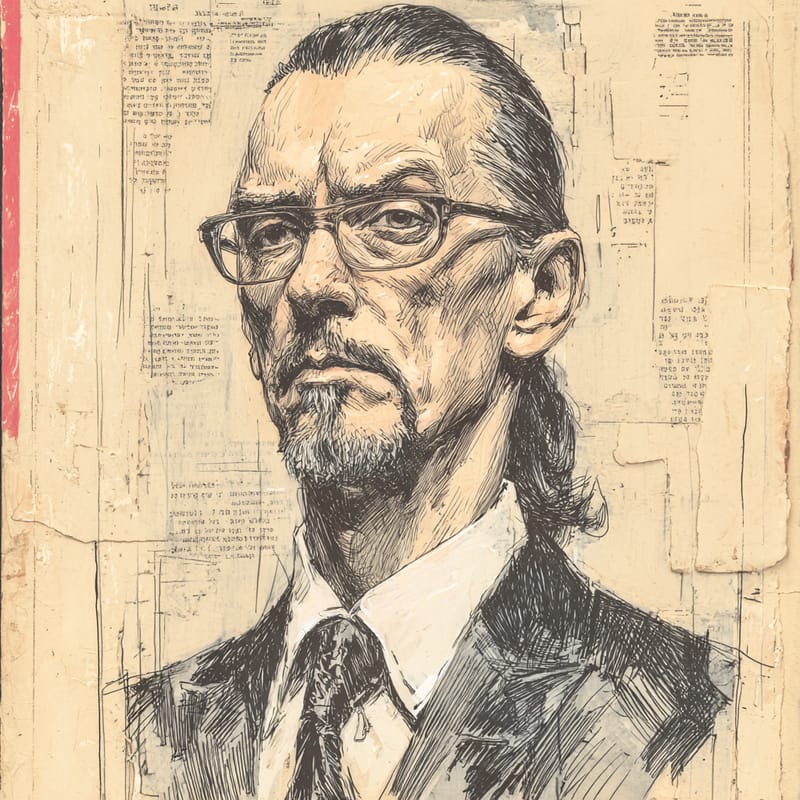
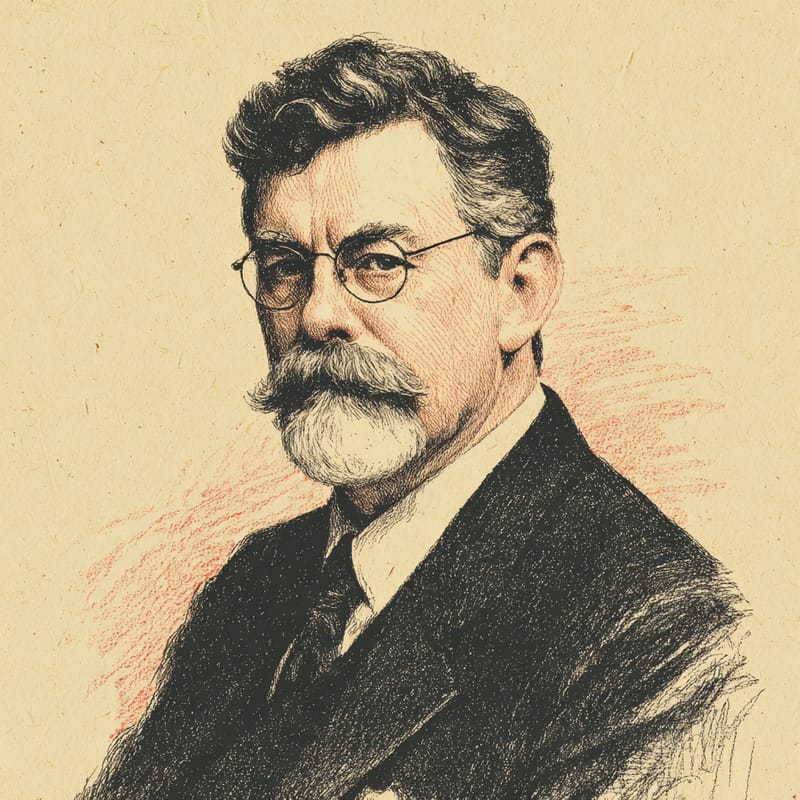
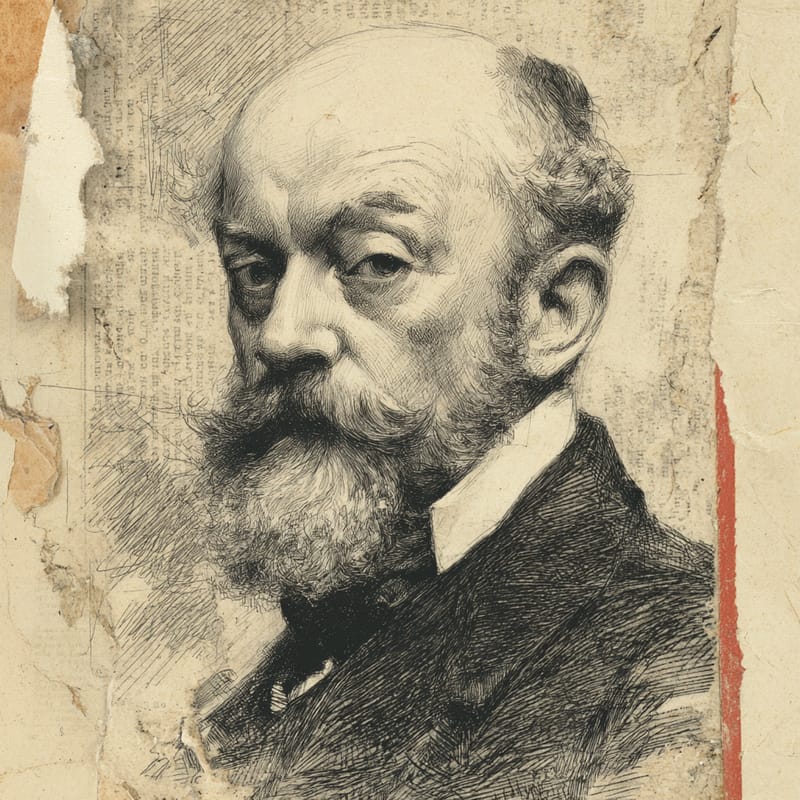
On the 99ideologies three-axis compass, the minds closest to David Boaz are Gary Johnson (96% alike), Penn Jillette (96% alike) and John Stossel (96% alike). The furthest is Pol Pot (7% alike).