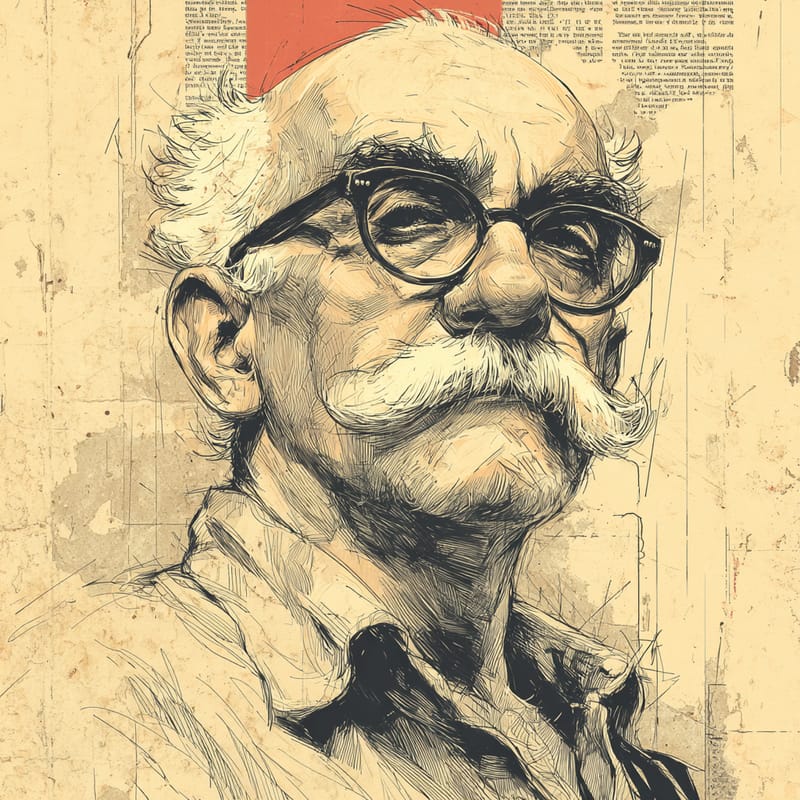
Murray Bookchin
Social ecology
Hierarchy itself is the ecological problem.
Progressive Eco-SocialistOne of 729 ideologies · enter the Eco-Socialist hall →- Role
- Theorist
- Era
- 1921–2006
- Region
- United States
- Social band
- Progressive
- Placement
- −80 · −52 · +70
§ Where Murray Bookchin stands
3 axesBookchin argued in Post-Scarcity Anarchism (1971) that modern ecological technology could end material scarcity and free people from toil, making a society of common abundance possible. Rather than nationalising industry or handing firms to their workers, he proposed municipalising the economy, placing land and enterprises under the control of citizens' assemblies that would produce for need rather than profit.
His libertarian municipalism, set out in The Rise of Urbanization and the Decline of Citizenship (1987), would replace the nation-state with face-to-face popular assemblies confederated through mandated, recallable delegates. He nevertheless defended majority voting, local elections and formal institutions against consensus-minded anarchists, and in his final years he left anarchism for a communalism that embraced democratic municipal government.
The Ecology of Freedom (1982) traced domination from early gerontocracy and patriarchy to class and the state, making feminism and the critique of hierarchy central to ecology. He fought misanthropic strands of environmentalism, attacking deep ecology at a 1987 Greens gathering for blaming humanity as such rather than social hierarchy, and he championed reason, science and Enlightenment humanism.
How close are you to Murray Bookchin?
Three statements, one per axis. Answer them and we’ll drop you on the compass next to them.
§ The story
HistoricalMurray Bookchin (1921–2006) was an American social theorist, born in New York to Russian-Jewish immigrants. A teenage communist who broke with Stalinism, he worked in foundries and car factories and joined the United Auto Workers before turning to ecology. Under the pen name Lewis Herber he published Our Synthetic Environment in 1962, months before Silent Spring, and in 1974 he co-founded the Institute for Social Ecology in Vermont, the state where he spent the rest of his life.
Bookchin's social ecology held that humanity's domination of nature grows out of hierarchy among humans, so ecological crisis cannot be solved without dismantling hierarchy itself. His programme of libertarian municipalism, built on confederated citizens' assemblies, influenced the American Greens and, through the imprisoned Kurdish leader Abdullah Öcalan, the self-administration of northern Syria. He was famously combative, attacking deep ecology as misanthropic and denouncing 'lifestyle anarchism' in 1995, and in his last years he broke with anarchism to call his politics communalism.
Notable for
- 01Founded social ecology
- 02'The Ecology of Freedom'
- 03Libertarian municipalism
Key works & moments
- 1962As Lewis Herber, publishes Our Synthetic Environment on pesticides, additives and pollution.
- 1969His pamphlet Listen, Marxist! challenges the Marxist factions inside Students for a Democratic Society.
- 1971Post-Scarcity Anarchism collects his essays on ecology, technology and freedom.
- 1974Co-founds the Institute for Social Ecology in Vermont.
- 1982Publishes The Ecology of Freedom: The Emergence and Dissolution of Hierarchy.
- 2000sAbdullah Öcalan adopts his ideas as democratic confederalism, later applied in Kurdish-led northern Syria.
§ Minds closest to Murray Bookchin
All minds →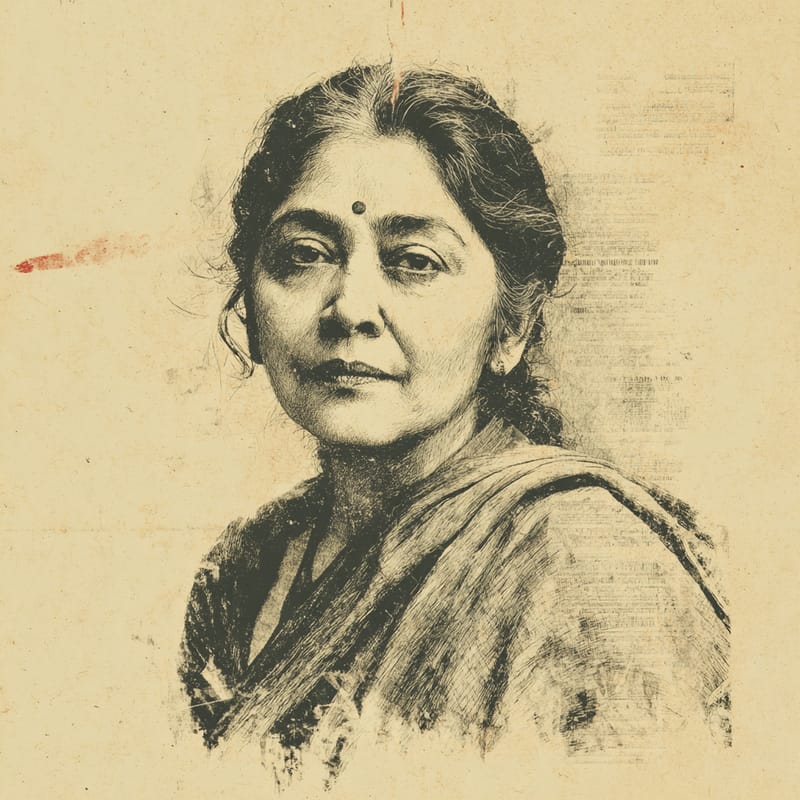
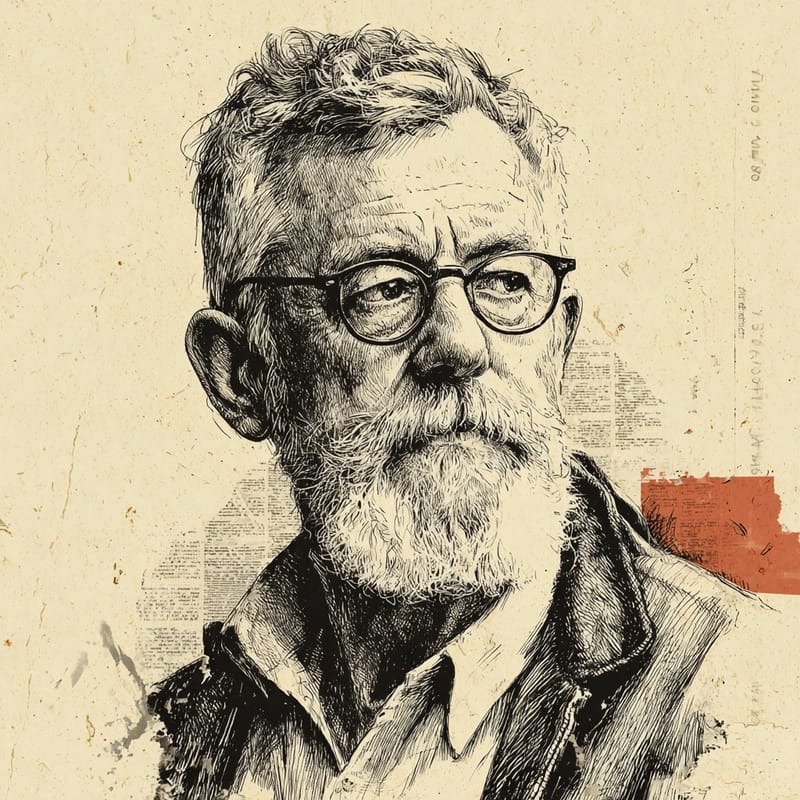
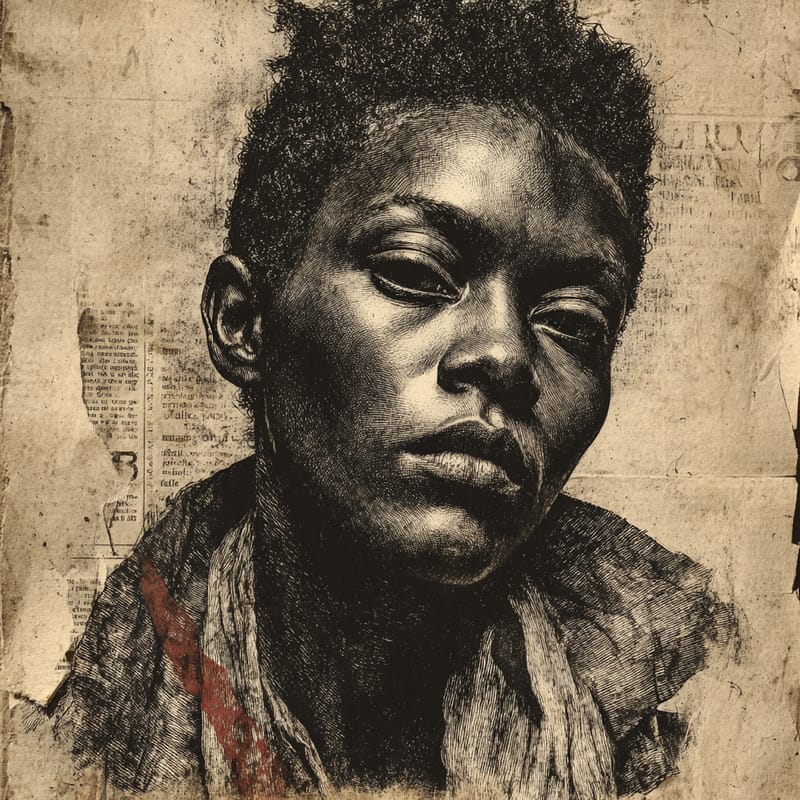


§ Also in the Eco-Socialist hall
Enter the hall →§ Common questions
4 answersWhat was Murray Bookchin's political ideology?
Murray Bookchin was the founder of social ecology and libertarian municipalism: on the 99ideologies three-axis compass, a Progressive Eco-Socialist. Economically he sat far to the left (−80), wanting land and enterprise held in common by municipal assemblies and production geared to need. On governance he leaned libertarian (−52), replacing the nation-state with confederated popular assemblies while still defending majority rule. Socially he was strongly progressive (+70), linking ecology to feminism and the dismantling of all hierarchy.
Was Murray Bookchin left-wing or right-wing?
Left-wing throughout a long, shifting career. He moved from the Young Communist League through Trotskyism to anarchism and finally to his own communalism, always opposed to capitalism and the nation-state. What changed was his view of how to replace them: he rejected the Marxist reliance on the industrial working class and the party, and later rejected individualist anarchism too, arguing instead for democratic assemblies rooted in towns and neighbourhoods. His ecology was explicitly anti-capitalist.
How did Murray Bookchin influence Rojava?
Through Abdullah Öcalan, the imprisoned leader of the Kurdistan Workers' Party (PKK). In the early 2000s Öcalan read Bookchin's books in his Turkish island prison and recast the PKK's Marxist-Leninist nationalism as democratic confederalism, a system of local assemblies, ecology and women's equality drawn heavily from libertarian municipalism. After 2012 the Kurdish-led administration in northern Syria, known as Rojava, adopted that model. Bookchin died in 2006, before it was put into practice, but his work became its main intellectual reference.
Which minds are closest to Murray Bookchin?
On the 99ideologies three-axis compass, the minds closest to Murray Bookchin are Vandana Shiva (97% alike), John Bellamy Foster (96% alike) and Lauren Olamina (96% alike). The furthest is Adam Sutler (0% alike).