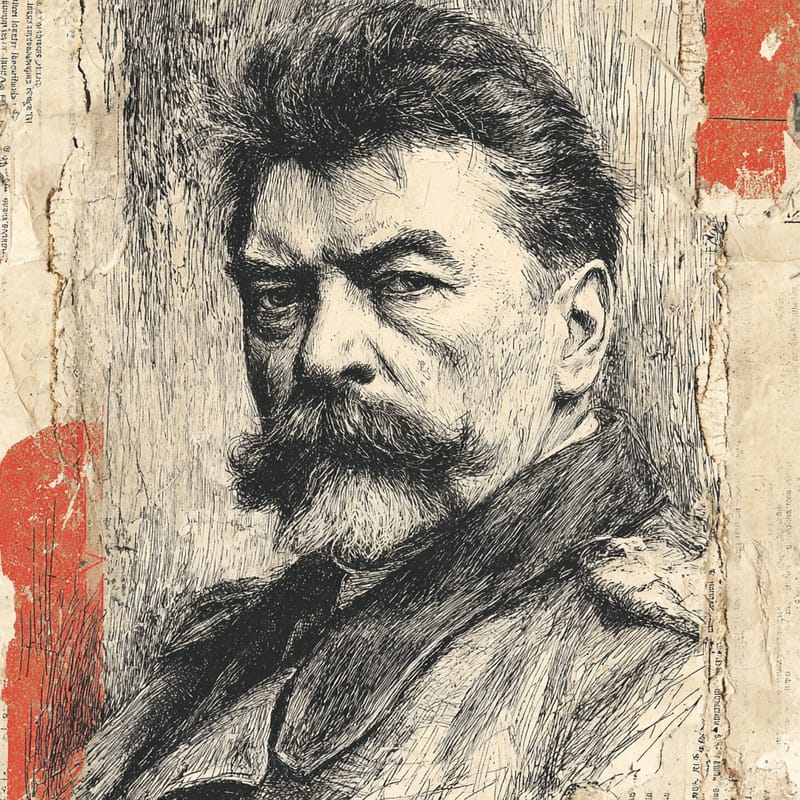
Miguel Primo de Rivera
Order, country, faith
Corporatism before Franco.
Reactionary IntegralistOne of 729 ideologies · enter the Integralist hall →- Role
- Dictator
- Era
- 1870–1930
- Region
- Spain
- Social band
- Reactionary
- Placement
- +4 · +80 · −70
§ Where Miguel Primo de Rivera stands
3 axesPrimo de Rivera's economics mixed state direction with private enterprise, leaving him near the centre. His regime protected Spanish industry with high tariffs, built roads, dams and railways through public investment, set up river-basin authorities for irrigation and created the CAMPSA oil monopoly in 1927, while granting the telephone monopoly to a private company; property stayed private as the state steered investment.
Primo de Rivera ruled as a paternalist dictator. He took power by coup in 1923, declared martial law, suspended the 1876 constitution, censored the press and in 1924 founded the Unión Patriótica as the regime's official party. His appointed National Consultative Assembly of 1927 replaced elected parliamentary government.
Primo de Rivera championed a Catholic, monarchist and centralist Spain, and his official party rallied to country, religion and monarchy. His regime banned public use of the Catalan flag and restricted the Catalan language, dissolved the Commonwealth of Catalonia in 1925 and clashed with liberal intellectuals and universities, giving his rule a markedly reactionary cast.
How close are you to Miguel Primo de Rivera?
Three statements, one per axis. Answer them and we’ll drop you on the compass next to them.
§ The story
HistoricalMiguel Primo de Rivera y Orbaneja (1870–1930), Marquis of Estella, was a Spanish general who ruled Spain as dictator from 1923 to 1930. Born in Jerez de la Frontera into a military family, he served in Cuba, the Philippines and Morocco and rose to become captain general of Catalonia. On 13 September 1923 he launched a coup from Barcelona, and King Alfonso XIII accepted it, appointing him head of a military directorate that suspended the constitution and dissolved the Cortes.
Primo de Rivera cast himself as the iron surgeon who would cleanse Spanish politics. With French help he ended the Rif War in Morocco after the 1925 Alhucemas landing, launched ambitious public works and created corporatist labour arbitration, but he also imposed censorship, repressed Catalan identity and exiled critics such as Miguel de Unamuno. Losing the support of the army and the king amid economic trouble, he resigned in January 1930 and died in Paris weeks later. The monarchy fell in 1931, and his son José Antonio founded the Falange in 1933.
Notable for
- 011923 coup and dictatorship
- 02Corporatist labour system
- 03Public-works statism
Key works & moments
- 1923Seizes power in a coup from Barcelona on 13 September; Alfonso XIII accepts the dictatorship.
- 1924Founds the Unión Patriótica as the regime's official party and exiles Miguel de Unamuno.
- 1925The Franco-Spanish landing at Alhucemas turns the Rif War; a civilian directorate replaces military rule.
- 1926Creates the National Corporative Organisation of joint labour arbitration committees.
- 1929Seville and Barcelona host international exhibitions showcasing the regime's public works.
- 1930Resigns on 28 January and dies in Paris in March.
§ Minds closest to Miguel Primo de Rivera
All minds →
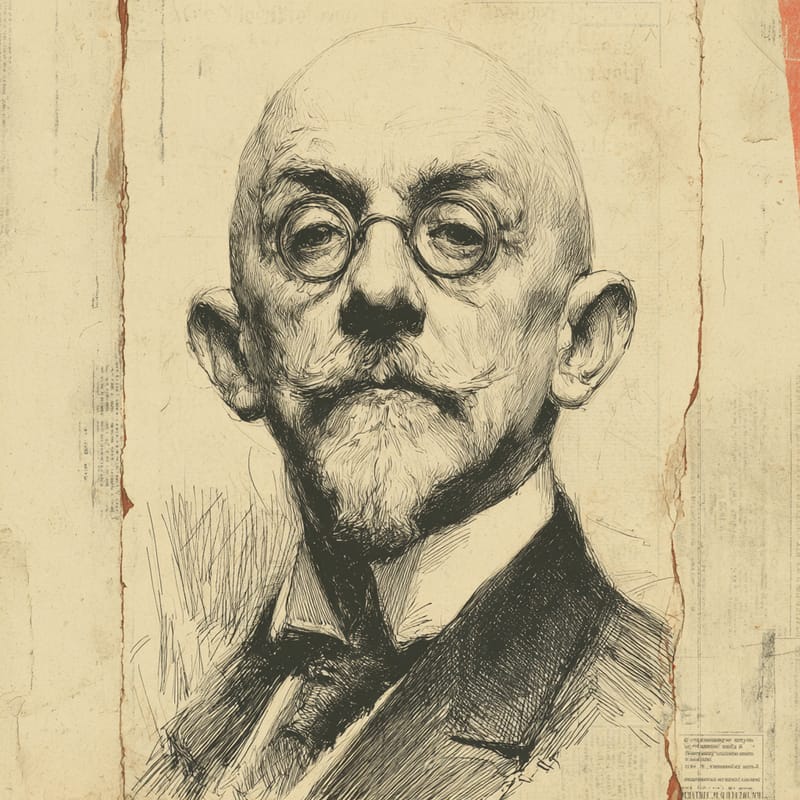
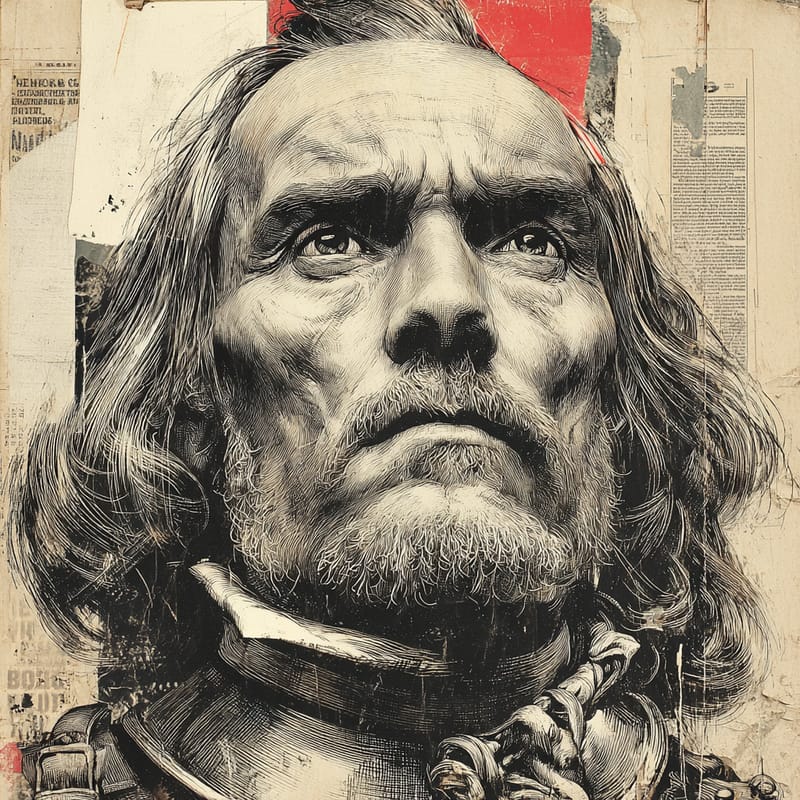
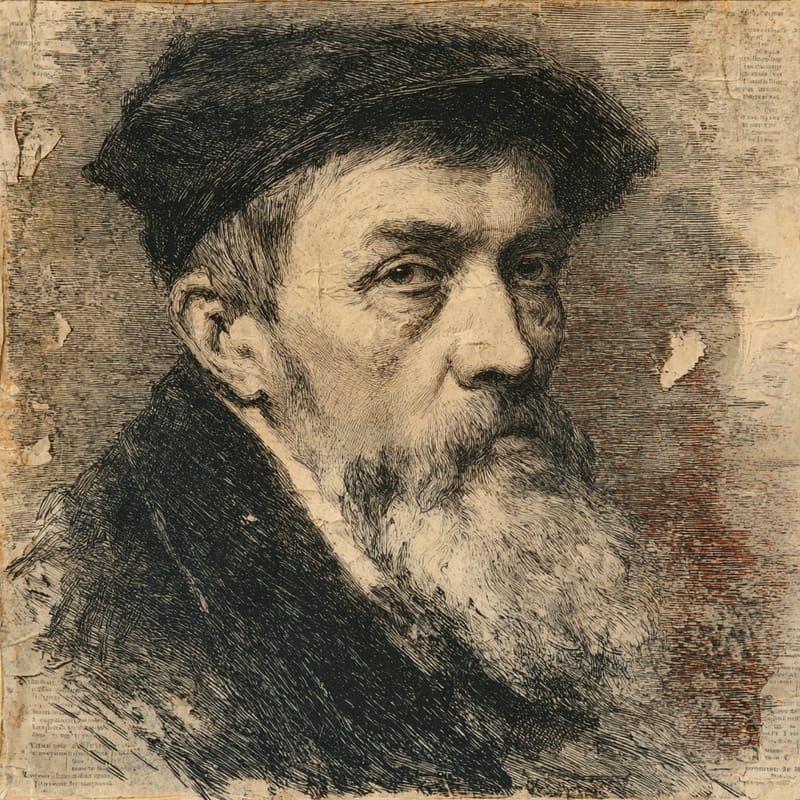

§ Also in the Integralist hall
Enter the hall →The closest minds above are this hall’s whole roster.
§ Common questions
4 answersWhat was Miguel Primo de Rivera's political ideology?
Miguel Primo de Rivera was a Catholic-monarchist military dictator who pioneered corporatist rule in Spain: on the 99ideologies three-axis compass, a Reactionary Integralist. Economically he sat at the centre (+4), combining private enterprise with tariffs, monopolies, public works and corporatist labour arbitration. On governance he was strongly authoritarian (+80), suspending the constitution and ruling by decree. Socially he was firmly traditional (−70), defending church, crown and a centralised Spanish nation.
Was Miguel Primo de Rivera left-wing or right-wing?
Right-wing. Primo de Rivera seized power to defend order, the monarchy and the Catholic Church against parliamentary chaos, Catalan nationalism and revolutionary unrest, and he ruled as a military dictator. His regime did cooperate with the socialist UGT union through its labour arbitration committees and spent heavily on public works, which gave it a paternalist social face, but its values and methods were those of the authoritarian right.
Was Miguel Primo de Rivera a fascist?
Not in the full sense. Primo de Rivera admired Mussolini's Italy and borrowed elements of its corporatism, but his regime was a traditional military dictatorship ruling with the king's consent rather than a mass revolutionary movement with a totalitarian ideology, and his official party, the Unión Patriótica, never mobilised society on fascist lines. Historians usually describe him as a precursor of later Spanish authoritarianism, and his son José Antonio founded the openly fascist Falange in 1933.
Which minds are closest to Miguel Primo de Rivera?
On the 99ideologies three-axis compass, the minds closest to Miguel Primo de Rivera are Othmar Spann (98% alike), The Corporate State (archetype) (98% alike) and Charles Maurras (98% alike). The furthest is Emma Goldman (0% alike).