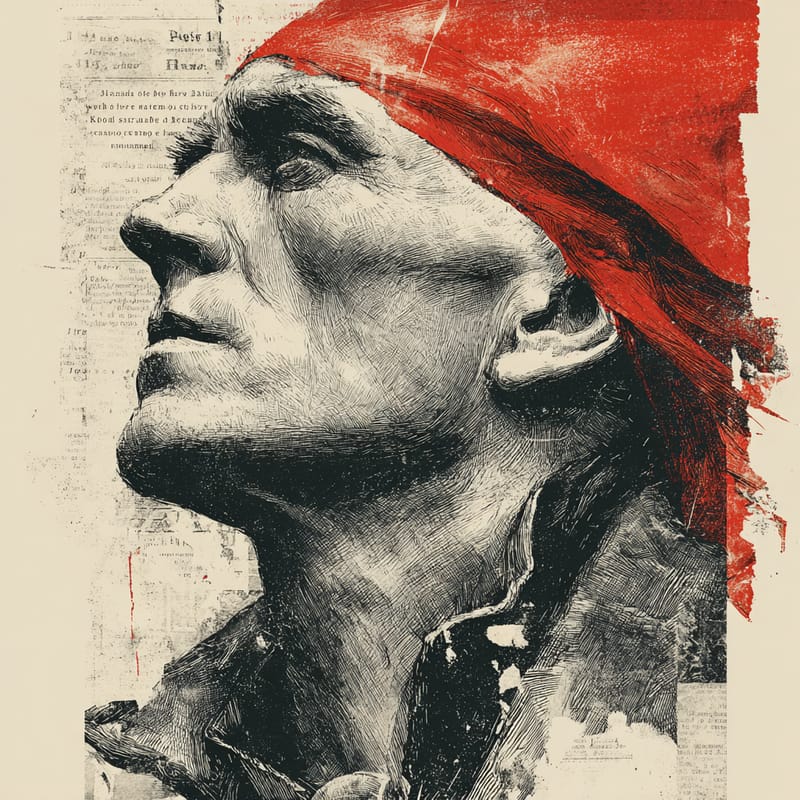
The Spartacist (archetype)
All power to the councils
The democratic revolution that might have been.
Reformist LuxemburgistOne of 729 ideologies · enter the Luxemburgist hall →- Role
- Revolutionary ideal
- From
- Archetype
- Region
- Germany
- Social band
- Reformist
- Placement
- −94 · −26 · +62
§ Where The Spartacist (archetype) stands
3 axesThe Spartacist wants a world held in common by those who work it. The Spartacus League's December 1918 programme, What Does the Spartacus League Want?, demanded the expropriation of the banks, mines, large industrial enterprises and landed estates and their management by elected workers' councils, a plan for full socialisation with no place for private capital.
Power belongs to councils elected in workplaces and barracks, not to a party ruling in the workers' name. The same 1918 programme pledged that the League would never take power except by the clear will of the great majority of Germany's workers. The lean stops short of anarchism: the archetype still imagines a revolutionary council state, and in January 1919 real Spartacists joined an armed bid for power.
The Spartacist is internationalist and anti-war by birth: the movement grew from the small group of socialists who refused to support the First World War, and Liebknecht's 1915 slogan that the main enemy is at home became its creed. It treats national, religious and dynastic loyalties as tools of the ruling class and sees emancipation as a cause without borders.
How close are you to The Spartacist (archetype)?
Three statements, one per axis. Answer them and we’ll drop you on the compass next to them.
§ The story
ArchetypeThe Spartacist is the archetype of the council-democratic revolutionary: a socialist who wants the economy taken into common hands by workers' and soldiers' councils, without a ruling party standing over them. Its namesake is the Spartacus League of Rosa Luxemburg and Karl Liebknecht, whose illegal wartime letters were signed Spartacus after the leader of the slave revolt against Rome. The archetype also stands for the German councils of November 1918, the Kronstadt sailors who demanded freely elected soviets in 1921 and the Hungarian workers' councils of 1956.
The Spartacist recurs because it names the road not taken. The German Revolution was crushed in January 1919, Luxemburg and Liebknecht were murdered, and the Bolshevik one-party model came to define communism, leaving the council ideal as a permanent counterfactual: what socialism might have looked like had it stayed democratic. Every January marchers still gather at the two leaders' memorial in Berlin. The archetype exposes a tension at the heart of revolutionary politics, between spontaneous mass democracy and the disciplined organisation that seizing power seems to demand.
Notable for
- 01The council-democratic ideal
- 02The anti-authoritarian left
- 03'Freedom for the one who thinks differently'
Key works & moments
- 73–71 BCSpartacus leads the slave revolt against Rome that gives the archetype its name.
- 1916Liebknecht and Luxemburg's anti-war group begins circulating illegal letters signed Spartacus.
- Nov 1918The Kiel sailors' revolt spreads workers' and soldiers' councils across Germany.
- Dec 1918Luxemburg's programme What Does the Spartacus League Want? calls for power to pass to the councils.
- Jan 1919The Berlin uprising is crushed; Luxemburg and Liebknecht are murdered by Freikorps soldiers.
- 1921Kronstadt sailors demand freely elected soviets and are crushed by the Red Army.
§ Minds closest to The Spartacist (archetype)
All minds →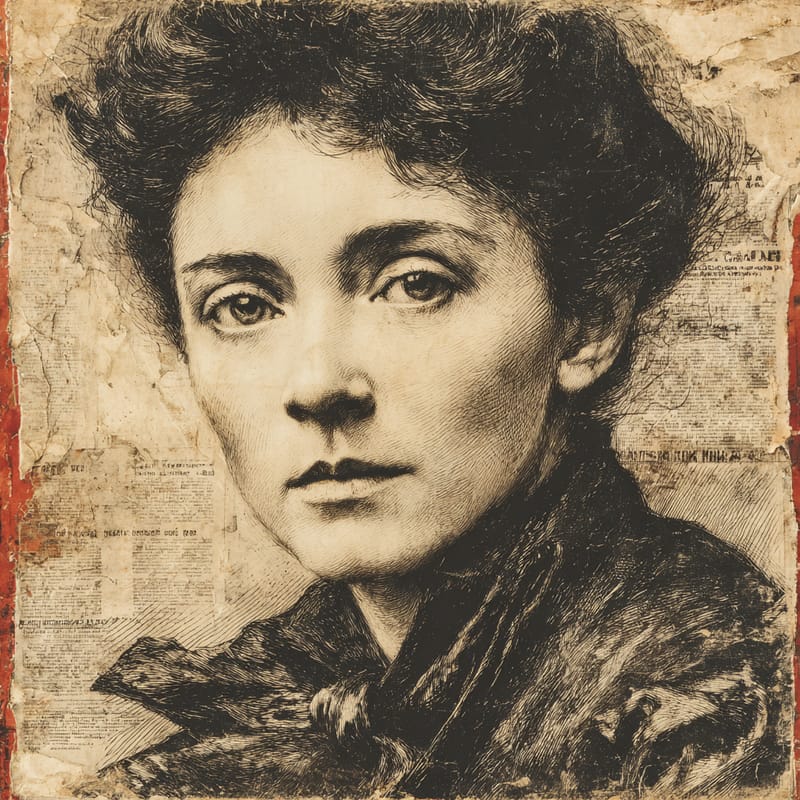

§ Also in the Luxemburgist hall
Enter the hall →The closest minds above are this hall’s whole roster.
§ Common questions
4 answersWhat is the Spartacist's political ideology?
The Spartacist represents council-democratic revolutionary socialism: on the 99ideologies three-axis compass, a Reformist Luxemburgist. Economically it sits at the far left (−94), seeking the socialisation of all large property under workers' councils. On governance it leans libertarian (−26), placing power in elected councils rather than a ruling party, though it still envisages a revolutionary council state. Socially it is clearly progressive (+62): internationalist, anti-militarist and hostile to inherited privilege.
Is the Spartacist left-wing or right-wing?
Left-wing, on the revolutionary far left. The archetype wants capitalism abolished and production run by workers' councils, which places it well beyond social democracy. What sets it apart from Soviet-style communism is its anti-authoritarian streak: it insists that the working majority, organised democratically, must hold power itself, and it treats the one-party state as a betrayal of socialism rather than its fulfilment.
Why were the Spartacists named after Spartacus?
Because Spartacus, the Thracian gladiator who led a great slave revolt against Rome from 73 to 71 BC, had long been a hero of the socialist movement as a symbol of the oppressed rising against their masters; Marx admired him. During the First World War, Liebknecht, Luxemburg and their anti-war comrades signed their illegal political letters Spartacus, and the group became known by the name, formally founding the Spartacus League in November 1918 before it helped create the Communist Party of Germany.
Which minds are closest to The Spartacist (archetype)?
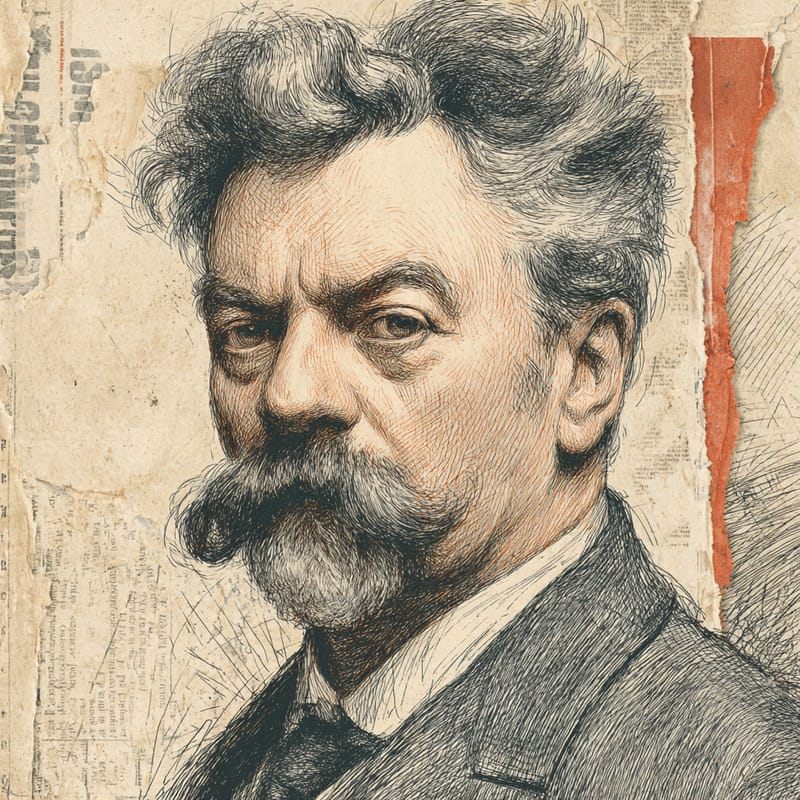
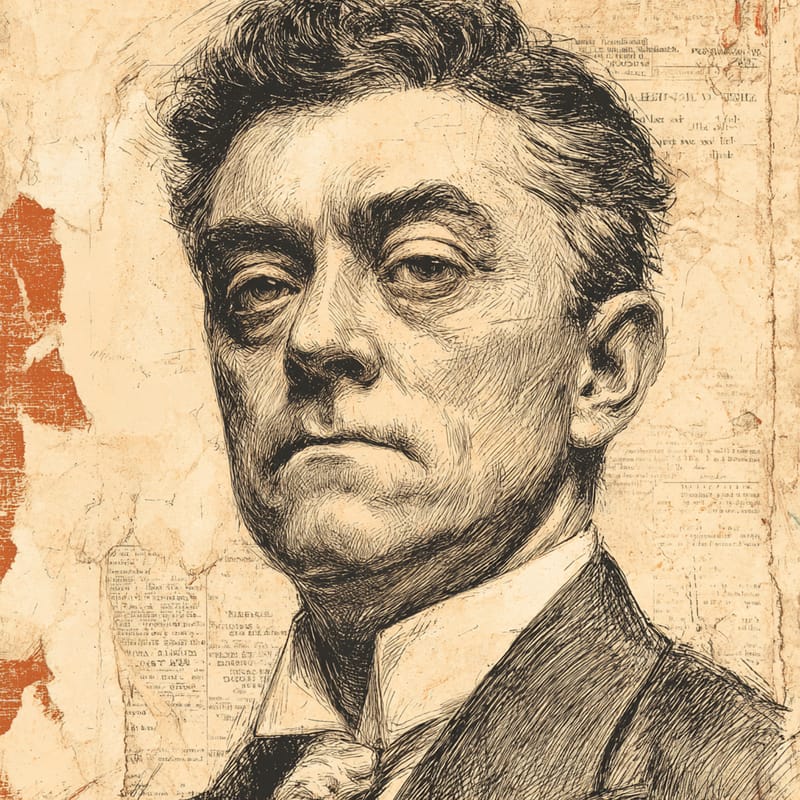
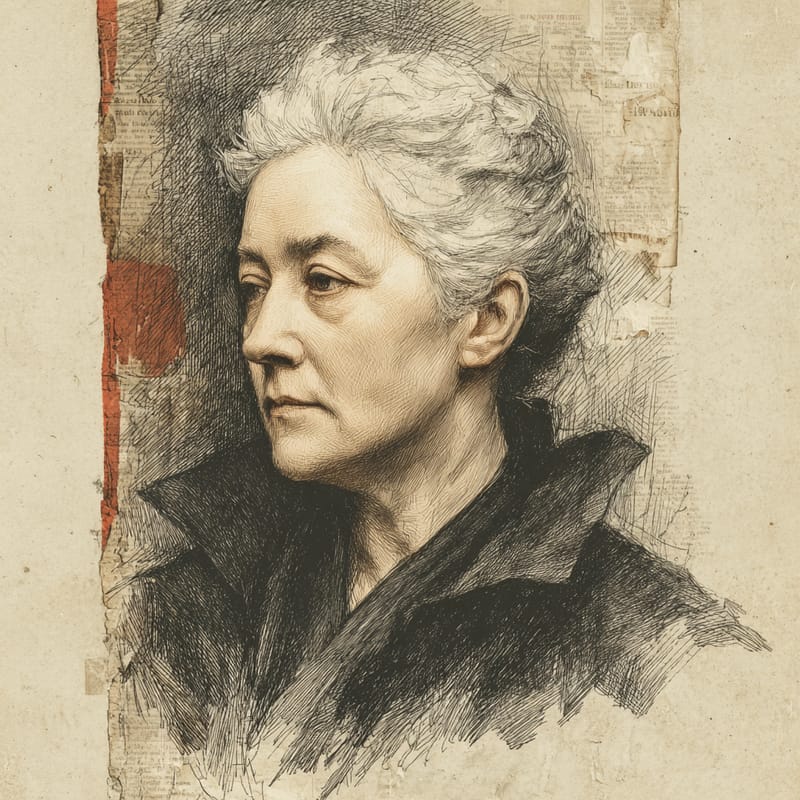
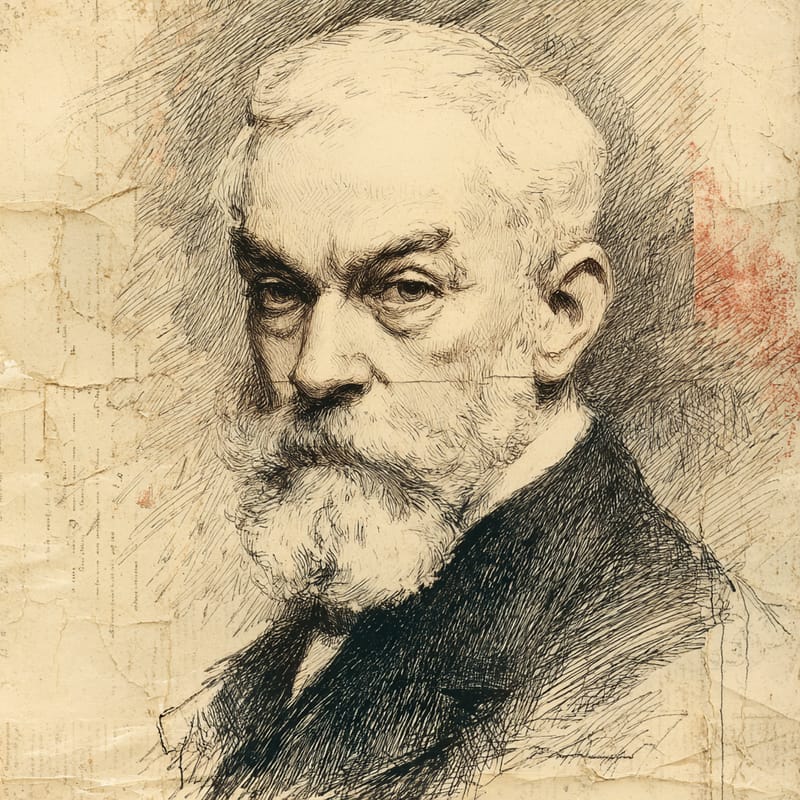
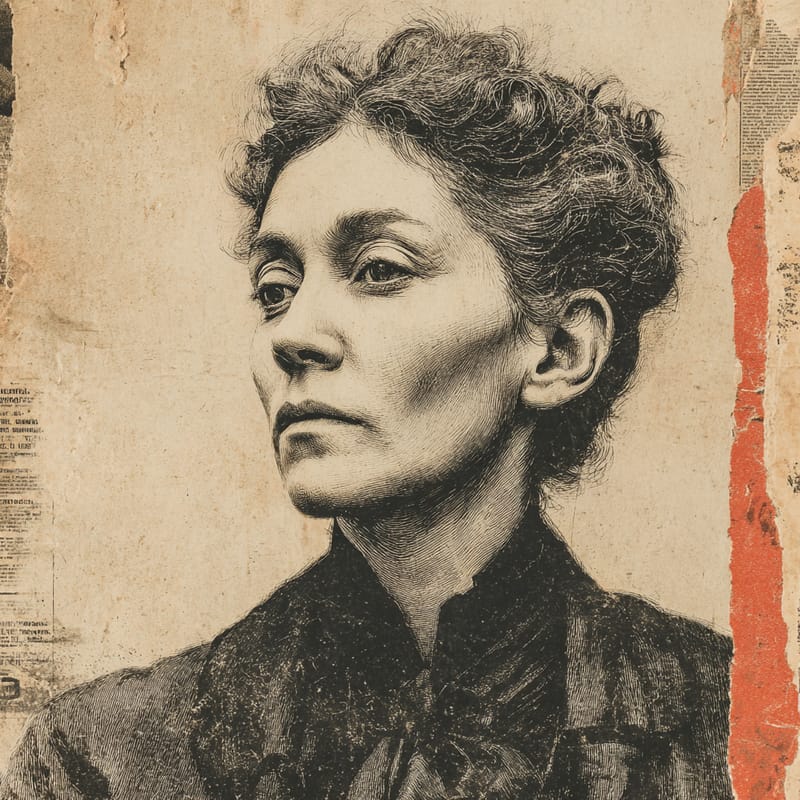
On the 99ideologies three-axis compass, the minds closest to The Spartacist (archetype) are Rosa Luxemburg (98% alike), Karl Liebknecht (98% alike) and Paul Levi (96% alike). The furthest is Adam Sutler (0% alike).