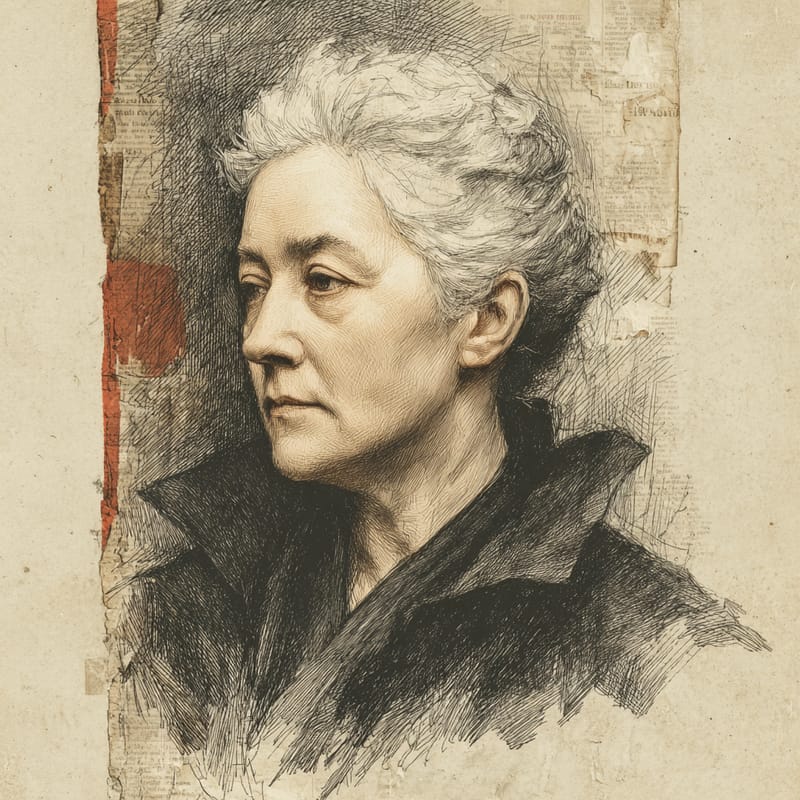
Clara Zetkin
International Women's Day
Socialism and women's liberation as one.
Progressive LuxemburgistOne of 729 ideologies · enter the Luxemburgist hall →- Role
- Activist & theorist
- Era
- 1857–1933
- Region
- Germany
- Social band
- Progressive
- Placement
- −90 · −20 · +72
§ Where Clara Zetkin stands
3 axesZetkin held that women's oppression was rooted in private property and that only the socialisation of the means of production could free working women, the case she put to the Second International's founding congress in 1889. She backed protective labour laws and votes for women as stepping stones, but insisted that full common ownership, not equal rights within capitalism, was the goal.
Zetkin built mass democratic organisations rather than conspiracies: socialist women's conferences, a widely read newspaper and, from 1920, a seat in the Reichstag. As the chamber's oldest member she opened its session in August 1932 with a call for a united front against fascism. Her libertarian lean stops at her lasting loyalty to the Comintern and the Soviet state.
Zetkin was a pioneer of socialist feminism. At the 1910 Copenhagen conference of socialist women she proposed an annual International Women's Day, and through Die Gleichheit she campaigned for women's suffrage, equal pay and protection for working mothers. She tied these demands to the class struggle, rejecting what she called bourgeois feminism as a movement for privileged women.
How close are you to Clara Zetkin?
Three statements, one per axis. Answer them and we’ll drop you on the compass next to them.
§ The story
HistoricalClara Zetkin, born Clara Eissner (1857–1933), was a German Marxist, teacher and orator who became the leading figure of the international socialist women's movement. Trained as a teacher in Leipzig, she joined the socialist movement in the late 1870s and spent much of the era of Bismarck's Anti-Socialist Laws in exile, mostly in Paris, with her partner Ossip Zetkin. She spoke on women's emancipation at the founding congress of the Second International in 1889 and edited the Social Democratic women's paper Die Gleichheit from the early 1890s until 1917.
A close friend and ally of Rosa Luxemburg, Zetkin opposed the First World War, convened an anti-war conference of socialist women in Bern in 1915 and followed the Spartacists into the Communist Party of Germany, which she represented in the Reichstag from 1920 to 1933. She sat on the Comintern's executive and in 1923 delivered one of the earliest Marxist analyses of fascism. She stayed loyal to Moscow despite misgivings about its sectarian turn in the late 1920s, and her hostility to what she called bourgeois feminism still divides admirers. She died near Moscow in June 1933 and was buried in the Kremlin Wall.
Notable for
- 01Founded International Women's Day
- 02Socialist-feminist theory
- 03Anti-fascist orator
Key works & moments
- 1889Speaks for women's emancipation at the founding congress of the Second International in Paris.
- 1907Organises the first International Conference of Socialist Women in Stuttgart.
- 1910Proposes an annual International Women's Day at the socialist women's conference in Copenhagen.
- 1915Convenes an international conference of socialist women in Bern against the First World War.
- 1923Delivers a major report on fascism to the Communist International's executive.
- 1932As the Reichstag's oldest member, opens its session with a call to unite against fascism.
§ Minds closest to Clara Zetkin
All minds →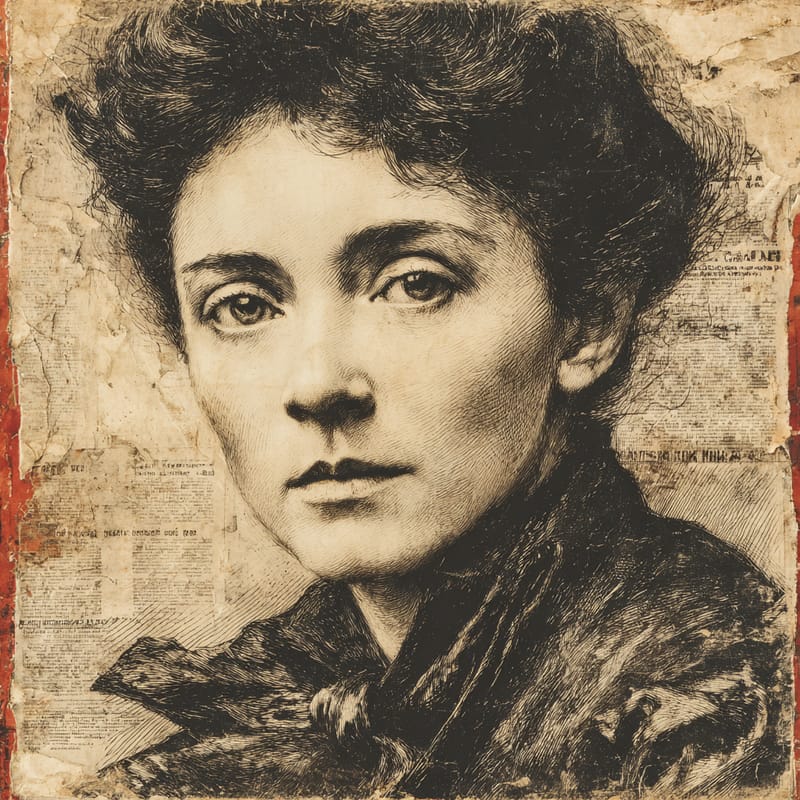

§ Also in the Luxemburgist hall
Enter the hall →The closest minds above are this hall’s whole roster.
§ Common questions
4 answersWhat was Clara Zetkin's political ideology?
Clara Zetkin was a revolutionary Marxist and socialist feminist: on the 99ideologies three-axis compass, a Progressive Luxemburgist. Economically she stood on the far left (−90), seeking full common ownership as the precondition for women's liberation. On governance she leaned democratic (−20), building mass organisations and sitting in parliament, though she stayed loyal to the Comintern. Socially she was strongly progressive (+72), founding International Women's Day and campaigning for women's suffrage and equal rights at work.
Was Clara Zetkin left-wing or right-wing?
Left-wing, and firmly on the revolutionary far left. Zetkin was a Marxist who moved from the Social Democrats through the anti-war Spartacist current to the Communist Party of Germany, which she served as a Reichstag deputy and Comintern leader. What sets her apart from authoritarian communists is her emphasis on mass organisation and parliamentary work, and what sets her apart from many socialists of her day is her insistence that women's emancipation was central to the cause rather than a side issue.
Did Clara Zetkin found International Women's Day?
Largely, yes. At the second International Conference of Socialist Women in Copenhagen in 1910, Zetkin and her colleagues proposed an annual women's day to press for suffrage and socialist demands, building on an American socialist Woman's Day held in 1909. It was first marked on 19 March 1911 in Germany, Austria, Denmark and Switzerland. The date of 8 March took hold after women's protests in Petrograd on that day in 1917 helped spark the Russian Revolution, and the United Nations adopted the day in the 1970s.
Which minds are closest to Clara Zetkin?
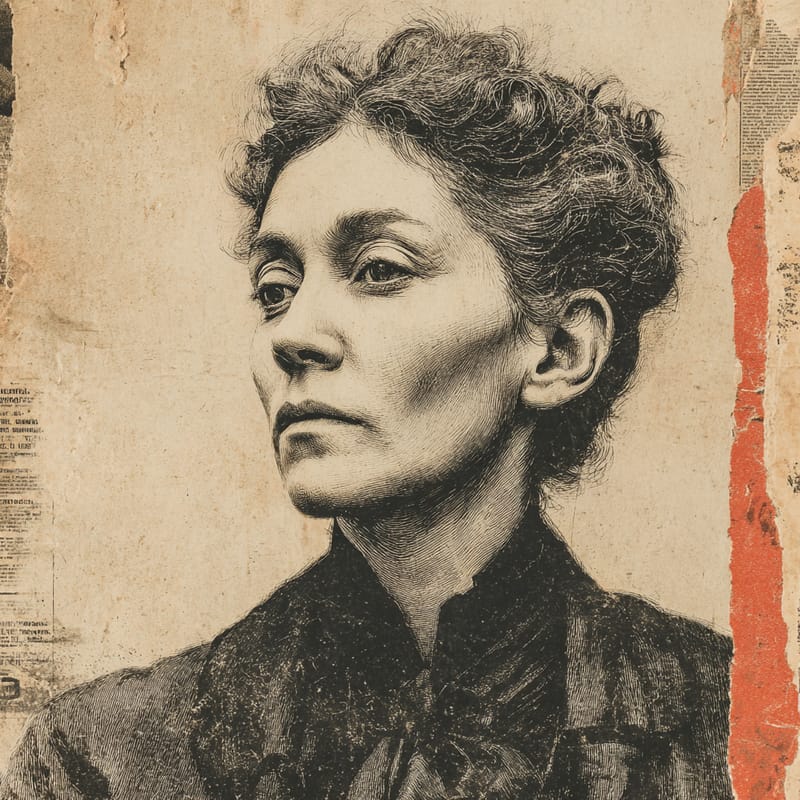
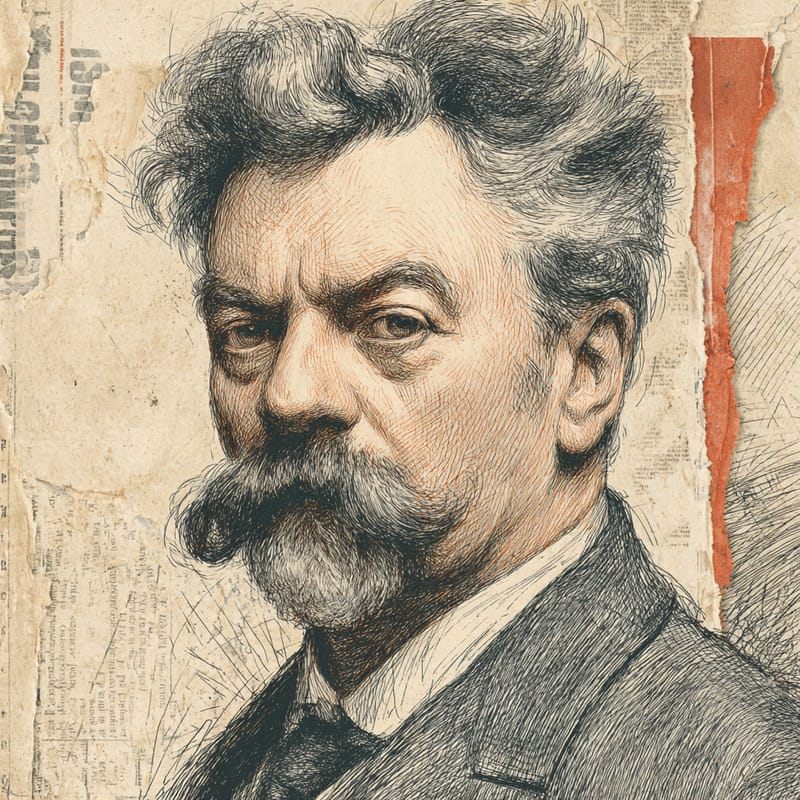
On the 99ideologies three-axis compass, the minds closest to Clara Zetkin are Rosa Luxemburg (97% alike), Lucy Parsons (95% alike) and Karl Liebknecht (95% alike). The furthest is Adam Sutler (0% alike).