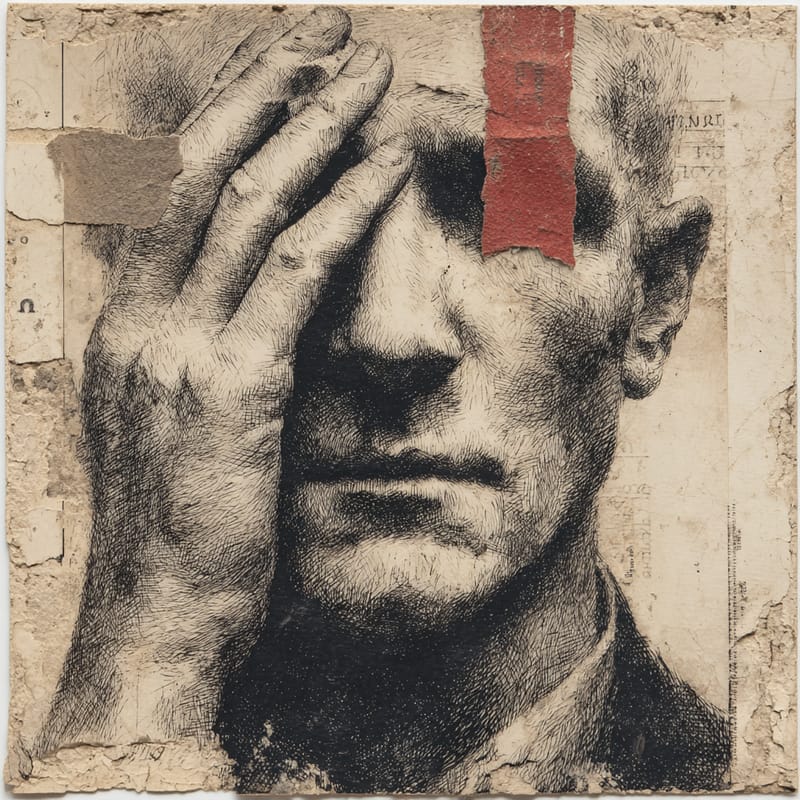
The Single-Tax Commons (archetype)
Own what you make, share the earth
Liberty, with the land held in common.
Heterodox Geo-LibertarianOne of 729 ideologies · enter the Geo-Libertarian hall →- Role
- Free market on shared land
- From
- Archetype
- Region
- —
- Social band
- Heterodox
- Placement
- +26 · −76 · +32
§ Where The Single-Tax Commons (archetype) stands
3 axesEverything is privately owned and freely traded except the value of land itself. Following Progress and Poverty (1879), the archetype collects land rent as public revenue and abolishes taxes on wages, trade and buildings, so holding idle land for speculation stops paying while production goes untaxed. That one shared fund is where its free-market lean stops short of pure laissez-faire.
The state shrinks to what land rent can pay for, or dissolves into voluntary associations funded by it. Single-tax colonies such as Fairhope, founded in 1894, leased land from a common trust and used the rents for community services, showing how local public goods might be financed from land rent rather than from taxes on labour and improvements.
The archetype is individualist and egalitarian at once. Its moral core is that every person has an equal birthright to the earth, the principle Henry George pressed in his 1886 campaign for mayor of New York, while it leaves conduct, belief and family life to individual choice. That combination gives it a moderately progressive cast without a cultural programme.
How close are you to The Single-Tax Commons (archetype)?
Three statements, one per axis. Answer them and we’ll drop you on the compass next to them.
§ The story
ArchetypeThe Single-Tax Commons is the archetype of a free society in which individuals keep everything they produce, trade without restraint and pay only one levy: the rental value of the land they occupy. It draws on the Physiocrats' eighteenth-century proposal for a single tax on land and above all on Henry George's Progress and Poverty (1879). Real approximations include single-tax enclaves such as Fairhope, Alabama, founded in 1894, and Arden, Delaware, founded in 1900, and Pittsburgh's graded tax, which from 1913 taxed land more heavily than buildings.
The archetype recurs because it promises to reconcile two ideals that usually conflict: complete freedom to keep the fruits of one's labour, and an equal share in the earth. Its appeal to economists is that a tax on land value cannot be passed on or avoided by producing less, so it raises revenue without discouraging work or investment. It also exposes a question libertarians have never settled about original appropriation: if no one made the land, by what right does anyone own it outright?
Notable for
- 01Single land-value tax
- 02Self-ownership
- 03Shared commons
Key works & moments
- 1760sFrench Physiocrats propose a single tax on land rent, the impôt unique.
- 1879Henry George publishes Progress and Poverty, calling for public collection of land rent.
- 1886George runs for mayor of New York on a land-reform platform, finishing second.
- 1894Single-taxers found Fairhope, Alabama, leasing land from a common trust.
- 1900Arden, Delaware, is founded as a single-tax village.
- 1913Pittsburgh adopts a graded tax falling more heavily on land than on buildings.
§ Minds closest to The Single-Tax Commons (archetype)
All minds →

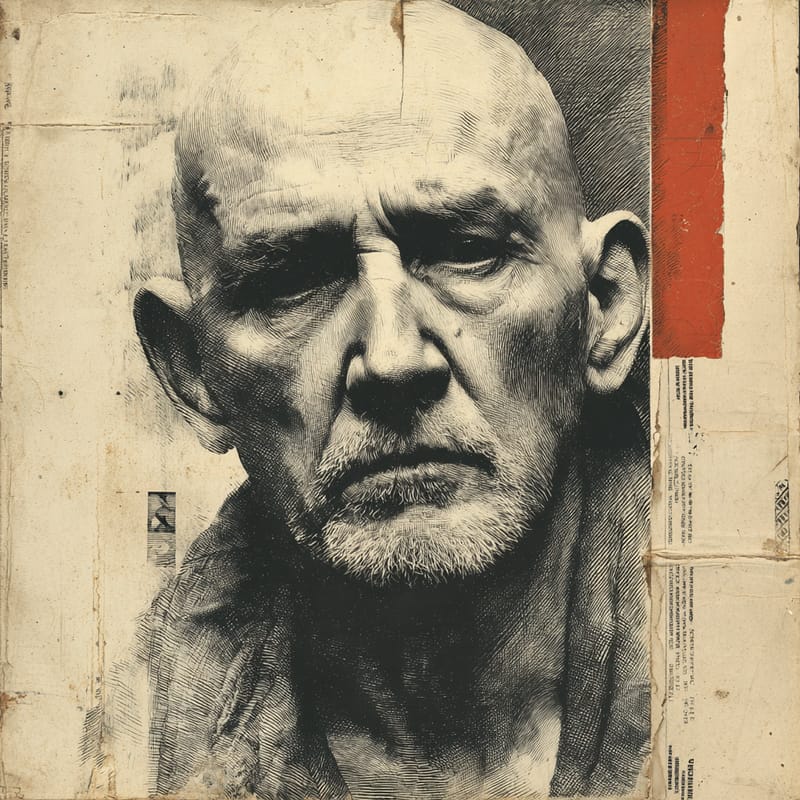
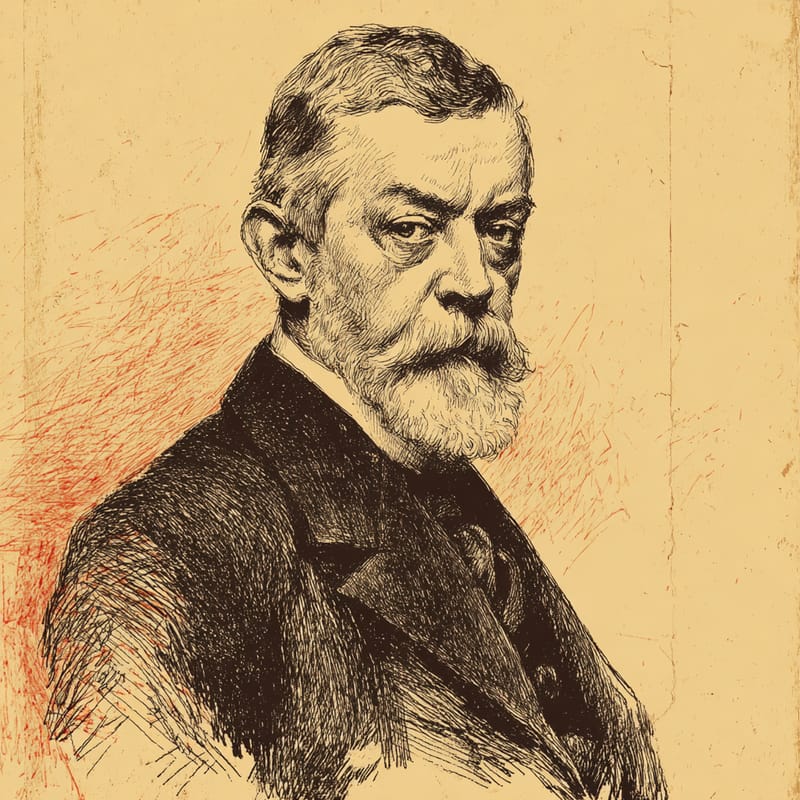
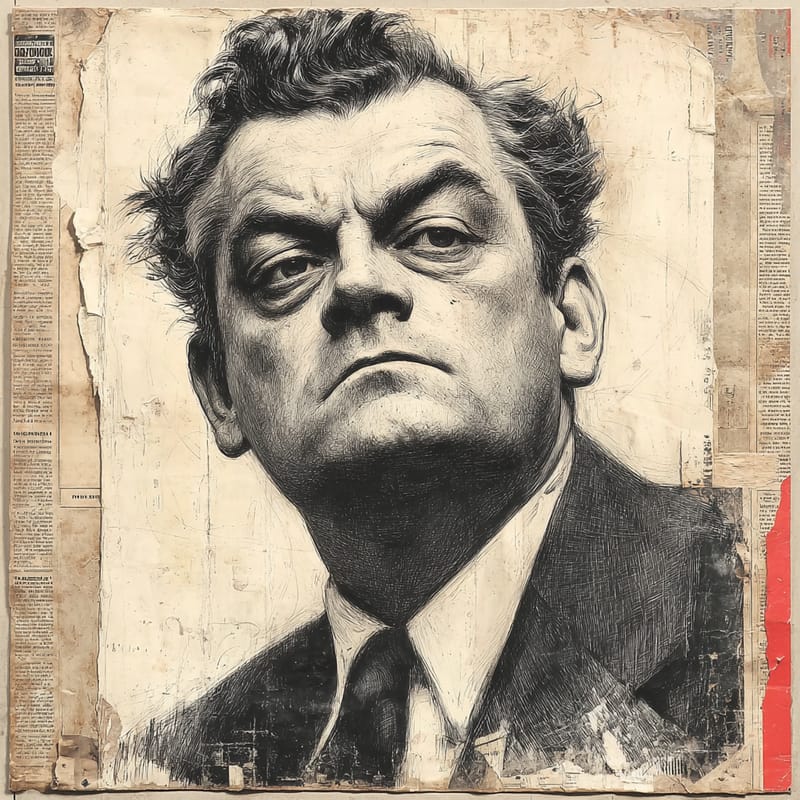
§ Also in the Geo-Libertarian hall
Enter the hall →The closest minds above are this hall’s whole roster.
§ Common questions
4 answersWhat is the Single-Tax Commons archetype's political ideology?
The Single-Tax Commons stands for geo-libertarianism, Henry George's single tax on land combined with a minimal or voluntary state: on the 99ideologies three-axis compass, a Heterodox Geo-Libertarian. Economically it sits moderately right of centre (+26), with free markets in everything except land value. On governance it is strongly libertarian (−76), funding a near-stateless order from land rent alone, and socially it is moderately progressive (+32), egalitarian about the earth and individualist about everything else.
Is the Single-Tax Commons left-wing or right-wing?
It borrows from both. Its free trade, untaxed enterprise and minimal state appeal to the libertarian right, while its insistence that land value belongs to everyone, and its hostility to landlords and speculators, echo the left. Henry George himself drew support from labour unions and socialists in the 1880s, yet he defended private capital and competition. The archetype is best placed on the libertarian side of the spectrum, with an egalitarian streak.
Has a single-tax community ever existed?
Yes, on a small scale. Followers of Henry George founded several single-tax enclaves, notably Fairhope, Alabama, in 1894 and Arden, Delaware, in 1900, where residents lease land from a common trust and the rents pay for community services and the taxes owed to the state. Both still exist. No country has run on a single land tax, but Pittsburgh long taxed land more heavily than buildings, and Hong Kong and Singapore raise substantial revenue from leasing public land.
Which minds are closest to The Single-Tax Commons (archetype)?
On the 99ideologies three-axis compass, the minds closest to The Single-Tax Commons (archetype) are Nicolaus Tideman (99% alike), Spencer Heath (99% alike) and Bryan Caplan (geo-adjacent reading) (98% alike). The furthest is Gregor Strasser (11% alike).