The Cost-Price Market (archetype)
Exchange among equals
Markets without masters or state.
Reformist Anarcho-MutualistOne of 729 ideologies · enter the Anarcho-Mutualist hall →- Role
- Stateless market of equals
- From
- Archetype
- Region
- —
- Social band
- Reformist
- Placement
- −25 · −90 · +55
§ Where The Cost-Price Market (archetype) stands
3 axesThe Cost-Price Market sits just left of centre. It keeps private production, trade and competition, but holds that goods should exchange at their labour cost and that interest, rent and profit will vanish once credit is free and land is held by those who use it, as William B. Greene argued in Mutual Banking (1850).
There is no state, only contract between free producers. Proudhon's General Idea of the Revolution in the Nineteenth Century (1851) proposed replacing laws and government with a web of voluntary agreements, and Modern Times, founded that year on Long Island, ran without officials, laws or police.
The archetype is egalitarian and voluntarist, and its American wing embraced abolitionism, free thought and women's rights. Its founding thinker was less progressive: Proudhon opposed the emancipation of women, insisting a woman could only be housewife or courtesan, which helps explain why this archetype is moderately rather than radically progressive.
How close are you to The Cost-Price Market (archetype)?
Three statements, one per axis. Answer them and we’ll drop you on the compass next to them.
§ The story
ArchetypeThe Cost-Price Market is the mutualist vision of a stateless economy in which independent producers and cooperatives trade the products of their labour at cost, borrow from mutual banks that lend at little more than administrative cost, and hold land and workshops only by occupancy and use. Its real models include Josiah Warren's Cincinnati Time Store of 1827, Pierre-Joseph Proudhon's short-lived Bank of the People of 1849, the community of Modern Times on Long Island from 1851 and the local exchange trading systems that began in 1983.
The archetype recurs because it promises to keep what people value in markets, such as choice, exchange and independence, while removing what its advocates see as unearned income: rent, interest and profit secured by state-backed monopoly over land and money. It reveals how far apart market and capitalism can be in theory. In practice its experiments have stayed small, and Proudhon's bank was wound up within months, leaving the archetype a standing challenge rather than a working system.
Notable for
- 01Cost-price exchange
- 02Free credit
- 03Stateless markets
Key works & moments
- 1827Josiah Warren opens the Cincinnati Time Store, trading goods for labour notes at cost.
- 1840Proudhon's What Is Property? declares property theft, and its author calls himself an anarchist.
- 1849Proudhon founds the Bank of the People in Paris; it is wound up within months.
- 1850William B. Greene publishes Mutual Banking, adapting free credit for the United States.
- 1851Warren and Stephen Pearl Andrews found Modern Times, a cost-price community on Long Island.
- 1983Michael Linton launches the first local exchange trading system in British Columbia.
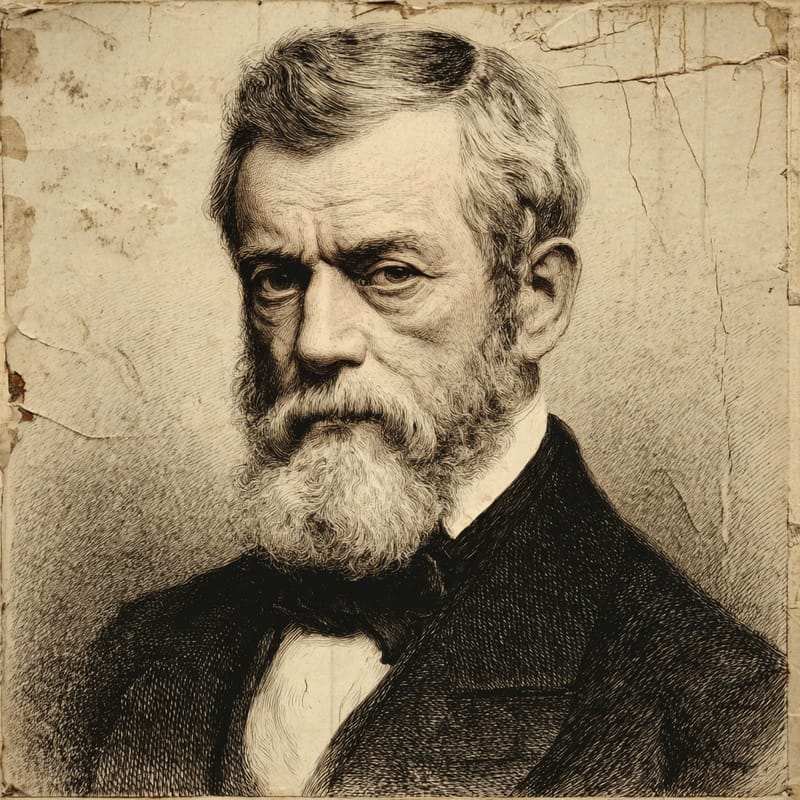
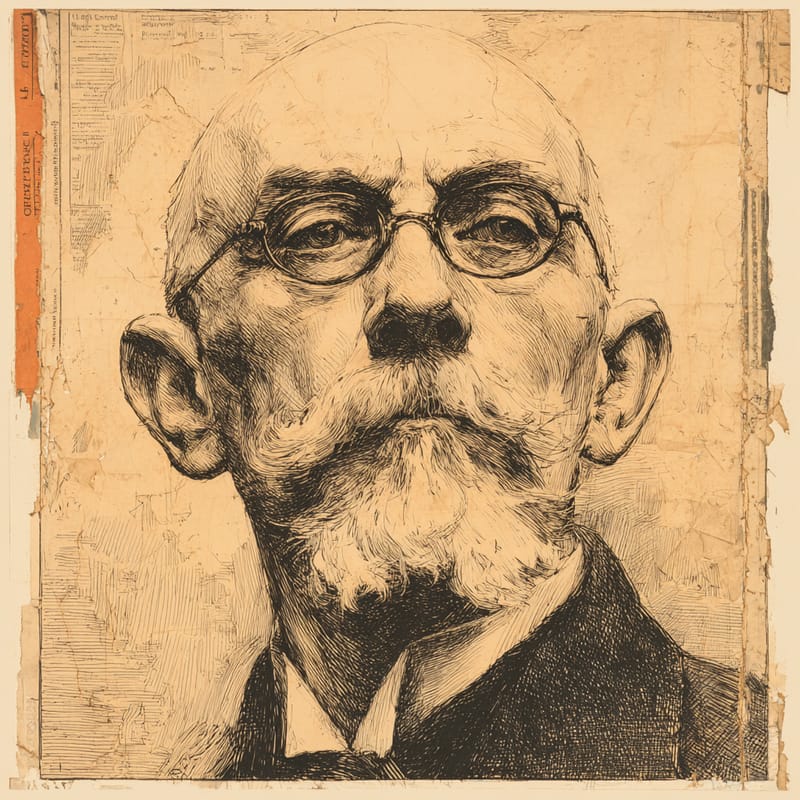
§ Minds closest to The Cost-Price Market (archetype)
All minds →


§ Also in the Anarcho-Mutualist hall
Enter the hall →The closest minds above are this hall’s whole roster.
§ Common questions
4 answersWhat is the Cost-Price Market archetype's political ideology?
The Cost-Price Market stands for mutualist anarchism: on the 99ideologies three-axis compass, a Reformist Anarcho-Mutualist. Economically it sits just left of centre (−25), keeping markets and private production while seeking to abolish rent, interest and profit through free credit and cost-price exchange. On governance it is near the libertarian extreme (−90), replacing the state with voluntary contract, and socially it is moderately progressive (+55), egalitarian and voluntarist in its ideals.
Is the Cost-Price Market archetype left-wing or right-wing?
It straddles the divide, but its roots are on the left. Mutualism grew out of the nineteenth-century socialist movement, and its goal of ending rent, interest and profit so that workers keep their full product is a left-wing aim. Yet it embraces markets, competition and private possession, which appeals to some on the libertarian right. The result is a market anarchism that rejects both capitalism and state socialism, sitting much nearer the economic centre than communist or collectivist anarchism.
How does mutualism differ from capitalism?
Both rely on markets, but mutualism rejects the incomes it regards as unearned. Mutualists hold that rent, interest and profit exist only because states protect monopolies over land, credit and other privileges; Benjamin Tucker listed four such monopolies, in money, land, tariffs and patents. Remove them, with mutual banks offering free credit and land held only by those who occupy and use it, and competition would drive prices down to cost, leaving workers with their full product and no class of capitalists.
Which minds are closest to The Cost-Price Market (archetype)?
On the 99ideologies three-axis compass, the minds closest to The Cost-Price Market (archetype) are Stephen Pearl Andrews (99% alike), Voltairine de Cleyre (98% alike) and Dyer Lum (98% alike). The furthest is Adam Sutler (0% alike).