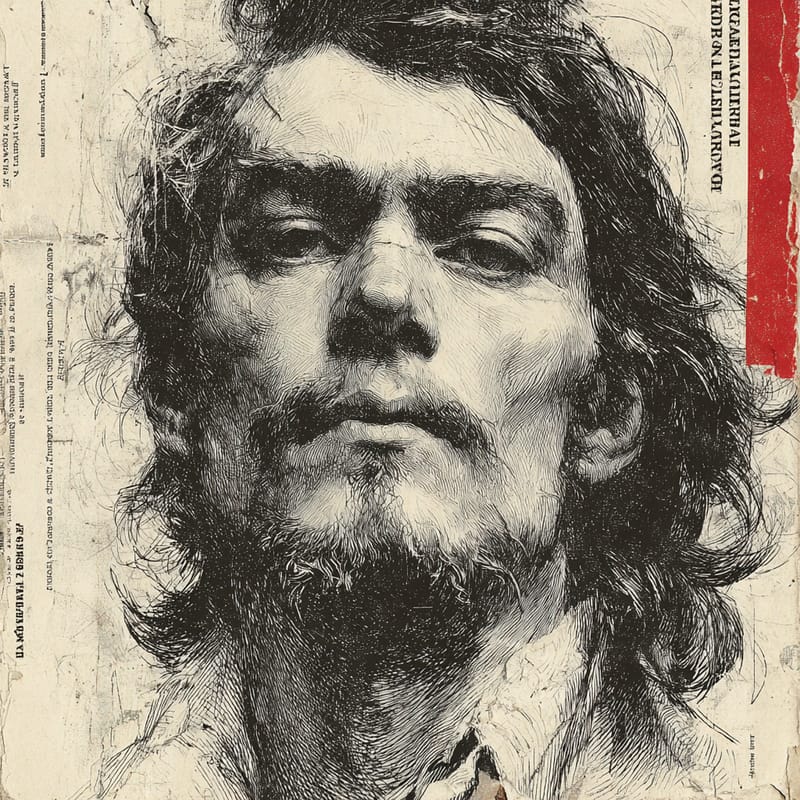
The Free Commune (archetype)
Owned in common, ruled by none
The collectivist ideal, embodied.
Reformist Anarcho-CollectivistOne of 729 ideologies · enter the Anarcho-Collectivist hall →- Role
- Stateless collectivist society
- From
- Archetype
- Region
- —
- Social band
- Reformist
- Placement
- −55 · −94 · +55
§ Where The Free Commune (archetype) stands
3 axesThe Free Commune holds land, tools and workshops collectively through workers' associations, but rewards members according to the labour they contribute rather than distributing by need. James Guillaume's Ideas on Social Organisation (1876) set out this model and expected free distribution only once abundance allowed, which keeps the archetype left of centre rather than at the communist extreme.
There is no state, only federation from below: the commune governs itself through assemblies and sends mandated, recallable delegates to regional and wider federations. The Saint-Imier congress of 1872 made this a programme, declaring the destruction of all political power the first duty of the proletariat and rejecting the Marxist strategy of conquering the state.
Equality and emancipation are first principles: the Paris Commune separated church and state in April 1871, and anarchist programmes from Bakunin's Alliance of 1868 onward demanded equality between the sexes. Yet real free communes were often rooted in traditional village solidarity, as in Aragon and Ukraine, which keeps the archetype moderately rather than radically progressive.
How close are you to The Free Commune (archetype)?
Three statements, one per axis. Answer them and we’ll drop you on the compass next to them.
§ The story
ArchetypeThe Free Commune is the collectivist-anarchist ideal of a self-governing community that owns its land and workshops in common and federates freely with others, recognising no state above it. Its real models include the Paris Commune of 1871, whose declaration of 19 April called for France to become a federation of autonomous communes; the Jura watchmaking villages of the anti-authoritarian International; the Makhnovist Free Territory in Ukraine from 1918 to 1921; and the collectivised villages of Aragon and Catalonia in 1936–37.
The archetype recurs because the commune is the scale at which self-government seems possible face to face, and because states have repeatedly collapsed in war and revolution, leaving villages and cities to organise themselves. Its history also reveals its weakness: free communes have rarely survived military pressure. The Paris Commune was crushed in the Bloody Week of May 1871, the Free Territory by the Red Army in 1921, and the Council of Aragon was dissolved by the Republic's own government and troops in August 1937.
Notable for
- 01The stateless commune
- 02Federation from below
- 03Collective ownership
Key works & moments
- 1868Bakunin founds the International Alliance of Socialist Democracy to spread collectivist, stateless federalism.
- 1871The Paris Commune declares that France should become a federation of autonomous communes.
- 1872The Saint-Imier congress founds the anti-authoritarian International on federalist lines.
- 1876James Guillaume's Ideas on Social Organisation sketches the federated collectivist commune.
- 1918–21The Makhnovists defend a stateless Free Territory in southern Ukraine.
- 1936–37Collectives spread across Aragon and Catalonia until the Republic dissolves the Council of Aragon.
§ Minds closest to The Free Commune (archetype)
All minds →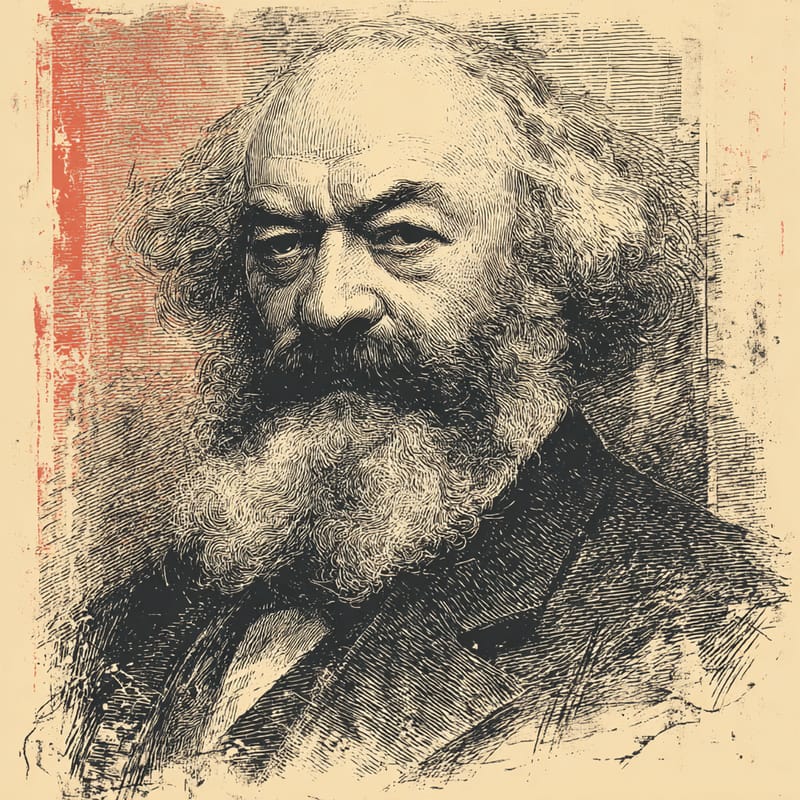

§ Also in the Anarcho-Collectivist hall
Enter the hall →The closest minds above are this hall’s whole roster.
§ Common questions
4 answersWhat is the Free Commune archetype's political ideology?
The Free Commune stands for collectivist anarchism in its ideal form: on the 99ideologies three-axis compass, a Reformist Anarcho-Collectivist. Economically it sits left of centre (−55), holding land and workshops in common while rewarding members by the labour they contribute. On governance it is at the libertarian extreme (−94), recognising no state above the free federation of communes, and socially it is moderately progressive (+55), committed to equality and secularism while often rooted in village tradition.
Is the Free Commune archetype left-wing or right-wing?
Left-wing, in the libertarian socialist tradition. It abolishes private ownership of land and the means of production and replaces wage labour with collective work, which places it clearly on the left. Unlike Marxist socialism, however, it rejects the state entirely, including any transitional workers' state, and its rewards-for-labour principle makes it more moderate economically than anarchist communism. It belongs to the anti-authoritarian left of Bakunin and the Spanish collectives rather than to state socialism.
What is the difference between anarcho-collectivism and anarcho-communism?
Both want land and the means of production held in common and the state abolished; they differ over distribution. Collectivists such as Bakunin and James Guillaume proposed rewarding people according to the labour they performed, while anarchist communists, from the Italian Federation in 1876 to Kropotkin's The Conquest of Bread in 1892, argued that work cannot be fairly measured and products should be shared by need. Spanish anarchism remained largely collectivist into the 1880s, a quarrel that inspired the call for anarchism without adjectives.
Which minds are closest to The Free Commune (archetype)?
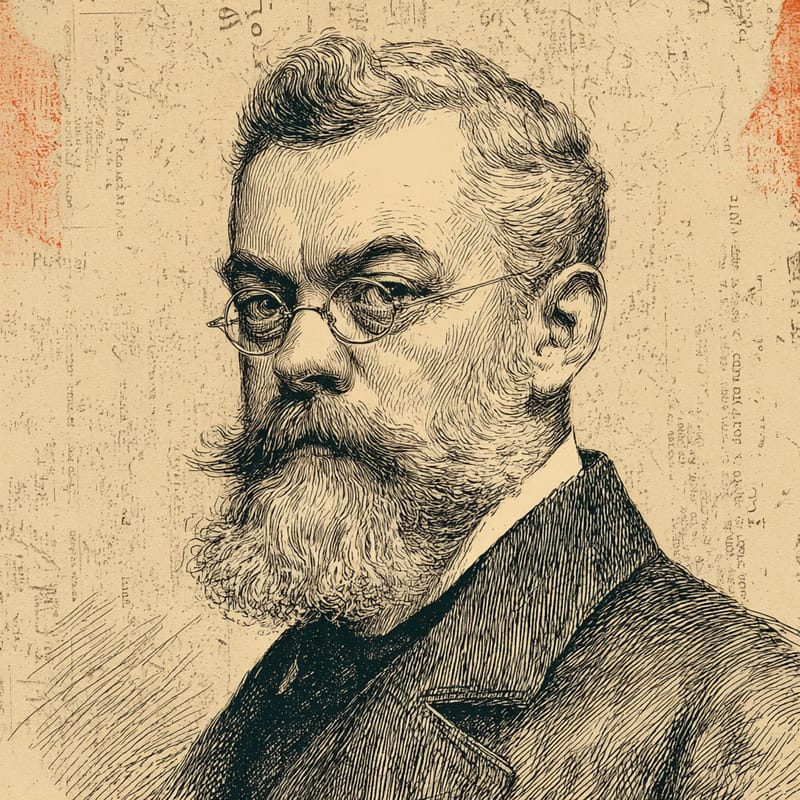
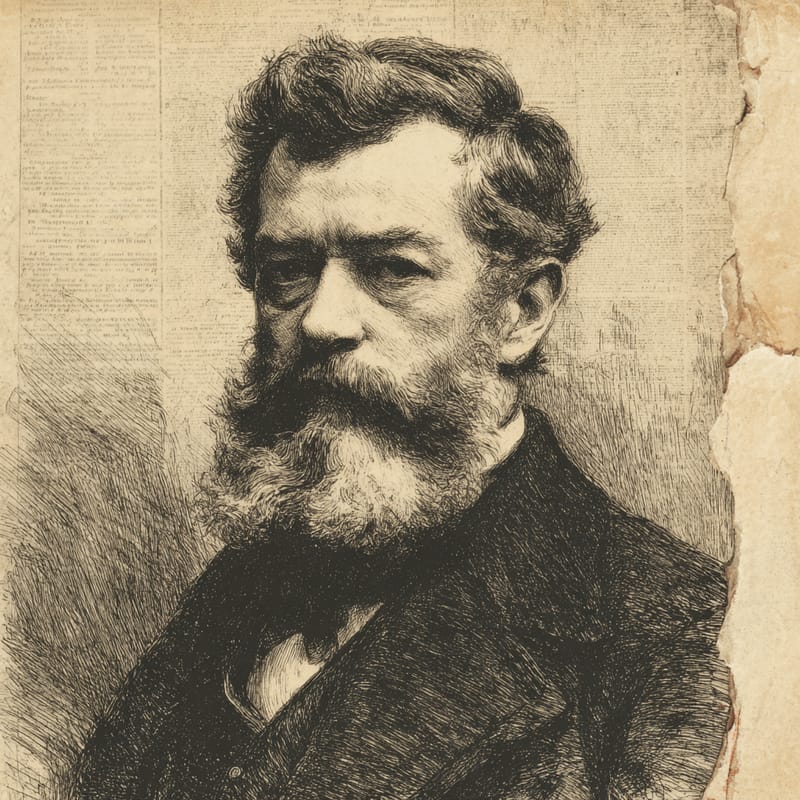
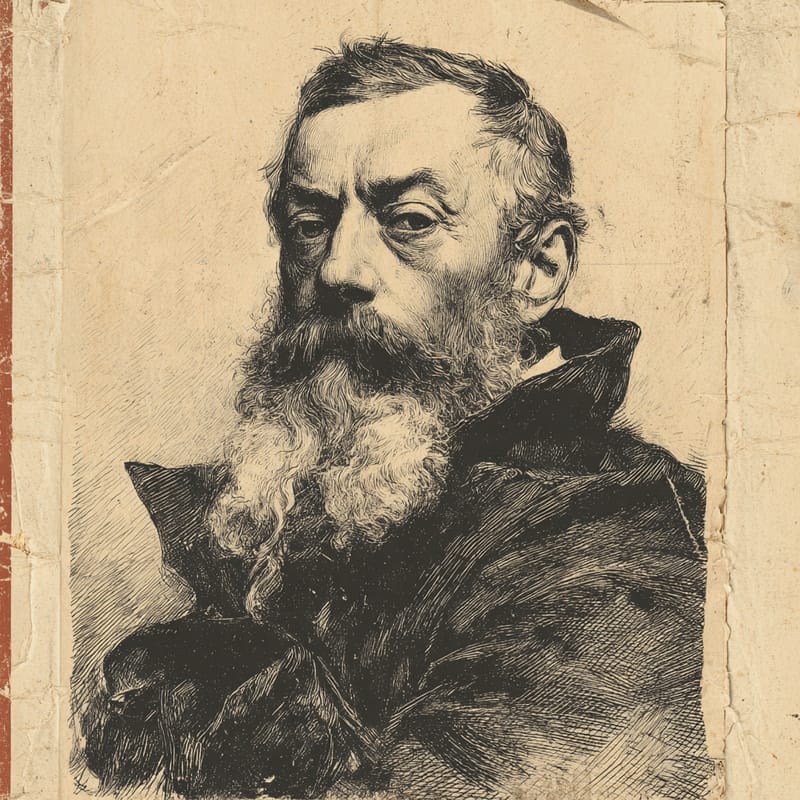
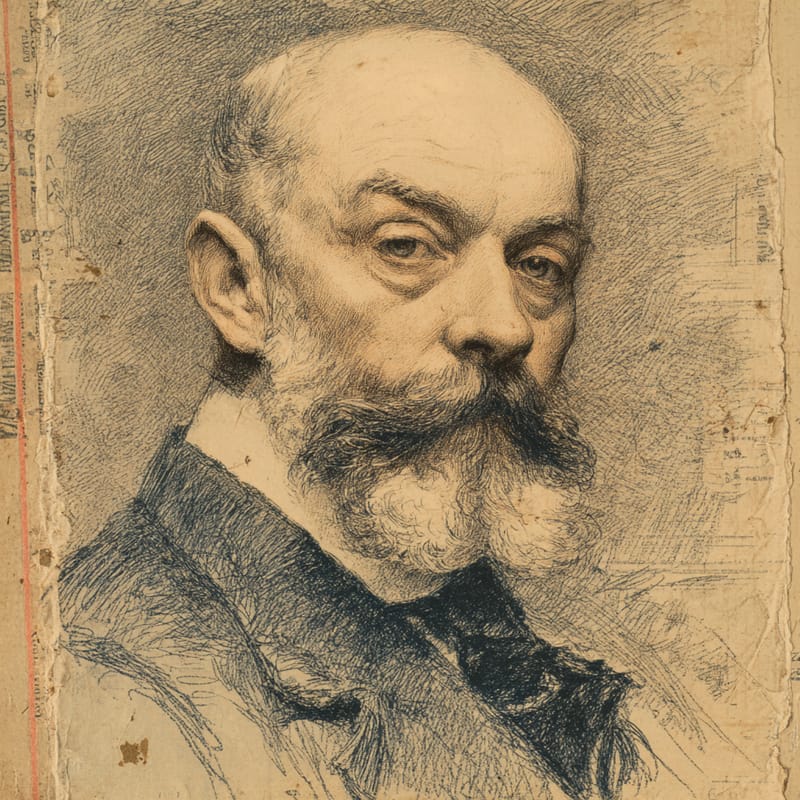
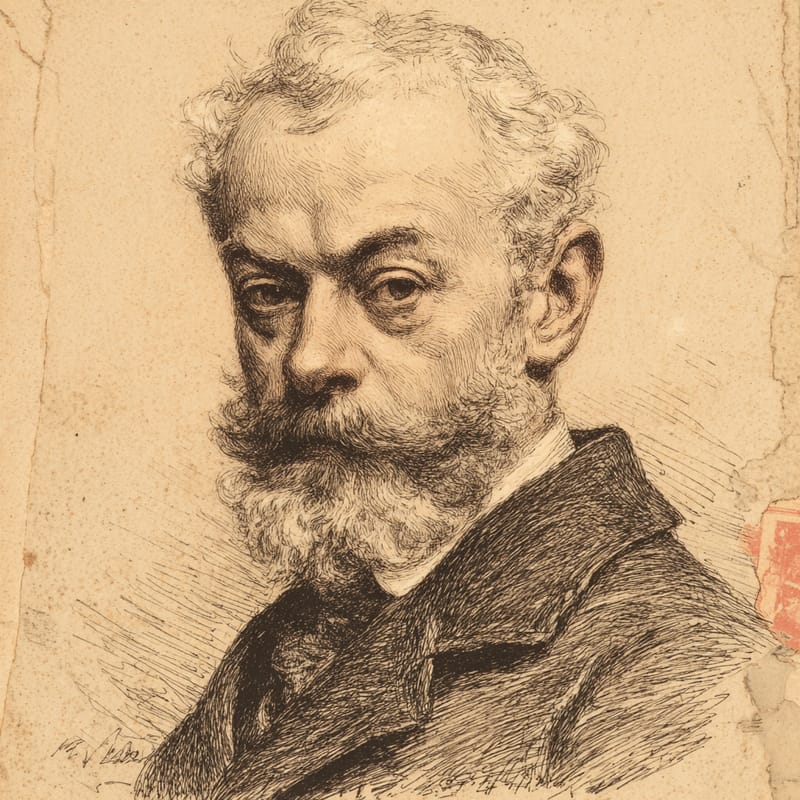
On the 99ideologies three-axis compass, the minds closest to The Free Commune (archetype) are Mikhail Bakunin (99% alike), James Guillaume (98% alike) and Carlo Cafiero (98% alike). The furthest is Adam Sutler (0% alike).